
3D modeling, force curves, growth models, and rate changes all show up in real jobs, and Calc 2 sits right in the middle of that mess. If you want work in engineering, physics, economics, computer science, or data science, then you are really asking what careers use calculus 2 and whether the class pays off fast enough to matter. My blunt take: yes, it pays off, but only if you pair it with the right major and the right projects. A student who treats Calc 2 like a box to check can waste a lot of money later. A student who learns it well can move into jobs that start around $70,000, $90,000, or much higher depending on the field.
That gap is real. I have seen people lose internships because they could not work through integrals, then spend another semester fixing the problem. That kind of delay can cost $5,000 to $15,000 in tuition and fees, plus the summer pay they never earn. If you want a clean path, UPI Study’s Calculus 2 course gives you a direct way to build the math foundation that hiring managers expect in technical fields. Students worry too much about the class name and not enough about the jobs behind it.
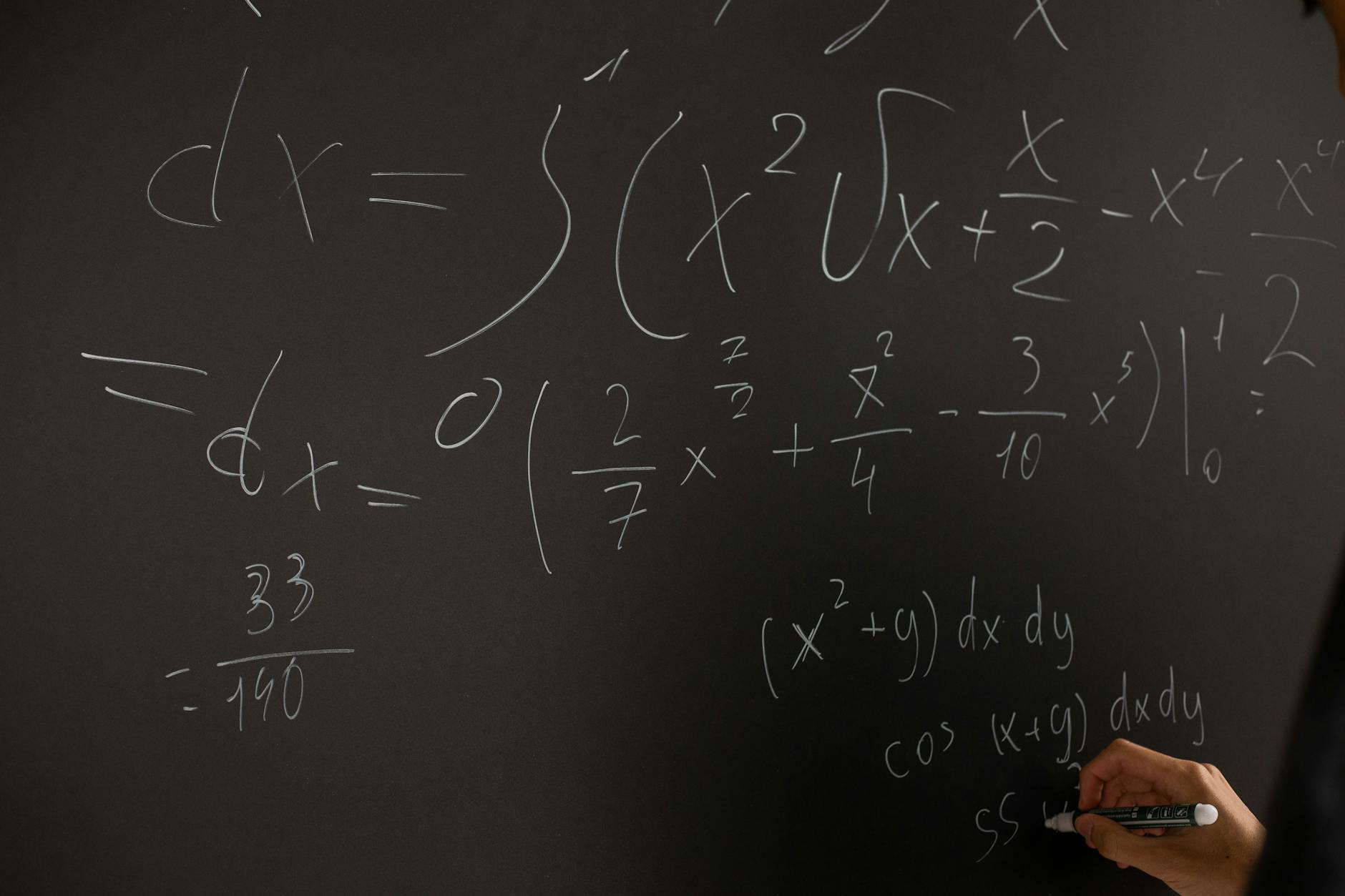
Which careers use calculus 2 most?
This matters most if you plan to work in engineering, physics, economics, computer science, or data science. Those fields lean hard on rates, accumulation, optimization, and models that do not stay simple for long. Calc 2 shows up in heat flow, circuits, population change, algorithm analysis, market curves, and machine learning work. In plain English, you need it when a job asks you to think about change over time, not just plug numbers into a spreadsheet. That is why learn calculus 2 keeps coming up in serious degree plans. A lot of students also underestimate how often employers test this indirectly. They may not say “show me a Calc 2 problem,” but they do ask for internships, projects, and interviews that use the same math logic. A junior engineer who understands integration can often explain a design choice better than one who memorized formulas and forgot them by spring break. That difference can mean a $10,000 starting salary gap, and I am not exaggerating. Do not waste time on Calc 2 if you want a job in retail management, basic office admin, or sales roles that never touch technical work. Some students should skip the panic and just be honest about their goals. If you want nursing, early childhood education, criminal justice, or most business support jobs, Calc 2 usually does not drive your career. You may still need math, but you do not need the full grind of integrals, series, and advanced applications. That is where people burn money for no real gain. Colleges sell “take it just in case” way too often.
Why does calculus 2 matter for jobs?
Calc 2 is not about fancy symbols for their own sake. It teaches you how to measure change and total amount in systems that keep moving. Integration lets you find area, volume, work, and accumulated value. Sequences and series help you think about patterns that build step by step. In jobs that require calculus 2, that skill shows up when you need to estimate output, model growth, or check whether a design holds up under real use. This is where calculus 2 career applications stop being abstract and start looking like paychecks. One thing people get wrong: they think Calc 2 only matters for “pure math” people. Wrong. The class matters more in applied work than in theory work for a lot of students, especially in engineering and data-heavy jobs. A civil engineer might use it to model water flow. A data scientist might use it to understand loss functions or probability distributions. A computer science student might not use every formula daily, but the math logic still helps in graphics, simulations, and algorithms. UPI Study’s Calculus 2 course fits that kind of practical need because it focuses on the material that shows up again and again in upper-level classes. There is also a policy piece people miss. Many universities treat Calc 2 as a gate course for later classes, so a weak grade can slow down your whole degree plan by a term or more. That delay can cost another $3,000 to $8,000 in tuition, and if it pushes back graduation, you can lose a full-time salary for months. That is not a small mess. It is a real bill.
90+ College Credit Courses Online
ACE & NCCRS approved. Self-paced. Transfer to partner colleges. $250 per course.
Browse All Courses →How It Works
Start with the first step: match the math to the job. If you want mechanical engineering, electrical engineering, physics, economics, computer science, or data science, Calc 2 usually sits in the path for a reason. You are not just taking a random class. You are building the language that later courses use. The clean path often looks like this: pass Calc 1, handle Calc 2 with real practice, then move into the major courses that turn that math into job skills. Miss that middle step, and the whole chain wobbles. Here is where students blow it. They wait too long, take Calc 2 with no prep, fail, then retake it. A retake can cost $700 to $2,000 in class fees at a public school, and more at private schools. Add tutoring, books, and the lost semester, and the damage can climb past $4,000 fast. Now compare that with doing it right the first time: one clean pass, one less delay, one more summer open for an internship that might pay $8,000 to $15,000. That is why I push students to treat Calc 2 like career prep, not punishment. It has a weird reputation, but the class pays for itself when it keeps your degree moving. Good looks simple on paper and hard in real life. You do the homework. You learn the rules behind the formulas. You use old exams, office hours, and extra practice until the problems stop feeling like a foreign language. Then you connect the class to the major, which is the part a lot of students skip. An engineering student sees force and flow. An econ student sees cost and growth. A data science student sees models and error rates. That link matters because employers do not care that you “survived” Calc 2. They care that you can use the math without freezing when the numbers get ugly. One last thing. The students who win here usually stop asking, “Will I ever use this?” and start asking, “Where does this show up in my field?” That shift changes everything.
Can calculus 2 delay graduation and cost?
Students miss the ugly part. Calculus 2 can push back your graduation by a full term, and that one delay can cost more than the class itself. If your school charges $450 to $900 per credit hour, a 4-credit repeat or replacement class can hit hard fast. Then add one extra semester of rent, food, and fees. You can burn through $4,000 to $8,000 before you even talk about lost time. That is why people asking what careers use calculus 2 usually need a sharper question too: how much does this class slow my degree down if I miss it once? A lot of degree plans chain math courses together like train cars. Miss Calc 2 now, and you can miss physics, engineering statics, econometrics, or upper-level analytics next term. That delay feels tiny in the moment. It is not. One bad math roadblock can turn a “four-year” plan into a five-year one, and schools rarely hand out a refund for your extra year.
Students who plan their credit transfer strategy early save $5,000 to $15,000 on total degree costs, and often cut their graduation timeline by a full semester.
The Complete Calculus 2 Credit Guide
UPI Study has a full resource page built specifically for calculus 2 — covering which courses count, how credits transfer to US and Canadian colleges, and how to get started at $250 per course with no deadlines.
See the Full Calculus 2 Page →How much does calculus 2 cost?
Here is the clean comparison. A traditional college Calc 2 class often costs $600 to $1,500 in tuition and fees, and that number jumps if you pay out-of-state rates or repeat the course. Private schools can run much higher. Community colleges usually sit lower, maybe $300 to $800 for the same credit load, which looks nicer until you count the extra time, the schedule squeeze, and the fact that your degree plan may not move unless the class lines up with your home school. Then there is the faster route. UPI Study offers 90+ college-level courses, all ACE and NCCRS approved, for $250 per course or $89 per month for unlimited access. That is a very different price shape. No deadlines. Fully self-paced. Credits transfer to partner US and Canadian colleges. For students who need calculus 2 career applications without the usual classroom drag, that matters. Blunt take: most schools charge you not just for the class, but for the wait around it.
Common Mistakes Students Make
First mistake: students take Calc 2 at the wrong school because the class looks cheaper. That sounds smart. A $350 community college class beats a $1,200 university class on paper. The problem shows up when the home school gives the transfer a weird fit, or the class lands in the wrong slot for the major map. Then the student pays twice, once in cash and once in time. I have seen this turn into a full extra term with no apology from anybody. Second mistake: students retake a class after a bad first try without checking how the repeat hits their aid. That seems reasonable because they want to fix the grade fast. The catch is simple. Aid offices often cap repeat funding or count repeat hours in messy ways, and the student ends up paying out of pocket for a course they thought would be covered. That sting feels especially dumb because the second attempt often costs more than the first. Third mistake: students pick a course based on rumor, not on the exact degree rule. They hear “Calc 2 counts for engineering” and stop there. Bad move. Some majors need a certain number of math credits, a lab-linked sequence, or a direct match to a course code. I have never loved how many schools hide this in a tiny chart.
How UPI Study Fits In
UPI Study fits the students who need the class done on a sane schedule. You get a self-paced course, which helps when work hours shift or your semester already looks stuffed. That matters for jobs that require calculus 2, because the people chasing those paths often cannot sit around for a fixed term and hope life behaves. UPI Study calculus 2 course also gives you a cleaner price point than many campus options. You can pay $250 for one course or go for $89 a month if you want unlimited access across the catalog. Since UPI Study offers 90+ college-level courses with ACE and NCCRS approval, it gives students a practical route for calculus 2 real world use without the usual semester drag. That setup feels plain, and plain helps when money is tight.


Before You Start
Before you pay, check four things. First, confirm the course fits your degree plan exactly, not just roughly. Second, confirm the credit amount your program wants, because some majors care about 4 credits and others care about the math sequence more than the title. Third, look at how the class lines up with your next course, since Calc 2 often acts like a gate for physics, engineering, data, and finance classes. Fourth, compare the full cost against your current path, including time lost if you wait for a local section. If your goal includes broader math prep, Principles of Statistics can sit right next to Calc 2 in a lot of degree plans, and that pairing helps students who want a cleaner run into analytics-heavy majors. The payoff shows up fast when your schedule stops fighting you.
See Plans & Pricing
$250 per course or $89/month for unlimited access. No hidden fees.
View Pricing →Frequently Asked Questions
If you get this wrong, you can waste a lot of time picking a major that looks good on paper but blocks you from the jobs you want. Calculus 2 shows up hard in engineering, physics, economics, computer science, and data science. You use it for rates of change, series, integration, and models that don't stay simple. In civil and mechanical engineering, you run into it in load work and design math. In physics, you use it for motion, energy, and fields. In economics, you use it for growth, cost curves, and optimization. In computer science and data science, you use it for algorithms, probability, and model training. That's why learn calculus 2 matters if you want jobs that require calculus 2 or careers that pay more because you can handle hard math.
The most common wrong assumption students have is that Calc 2 only matters for passing the class. That misses the point. You see calculus 2 career applications in places where people build, measure, predict, and improve real systems. A software engineer might never solve a textbook integral at work, but the same math shows up in performance modeling and machine learning. A data scientist uses integrals, series, and probability ideas when a model has lots of moving parts. In economics, you use optimization to compare choices with real money on the line. Even in engineering, a lot of tools start with the math you learn here. That's the real world use. Not flashy. Just everywhere.
What surprises most students is how many non-engineering majors still need Calc 2 if they want strong career options. You need it if you plan to work in physics, aerospace, robotics, economics, quantitative finance, computer science, or data science. You don't need it for every job, though. If you want careers in marketing, writing, sales, or basic business support, Calc 2 usually won't sit at the center of your day. Still, even then, some students take it because it proves you can handle hard problem-solving. That can matter for grad school, internships, and first jobs that screen for math ability. The course builds stamina. Not just formulas.
This applies to you if you want a STEM job, a research job, or any role where you model numbers instead of just reporting them. It doesn't apply as much if your path stays in fields like graphic design, early childhood education, basic admin work, or trades that don't ask for college math beyond algebra. You still may choose Calc 2 for flexibility, and that choice can help if you later switch majors. Employers in engineering and data science often look for proof that you can handle abstract work. A 2024 labor report from the U.S. Bureau of Labor Statistics still puts STEM jobs among the fastest-growing areas, and many of those roles expect advanced math. That's not small talk. It's a hiring filter.
Start by listing the jobs you might actually want in three to five years. Then check whether those jobs sit in engineering, physics, economics, computer science, or data science. If they do, Calc 2 has a clear place in your plan. If you want to build bridges, design machines, study motion, forecast markets, or train models, you need the math behind those tasks. A simple first step helps. Look at 10 job posts and count how many mention calculus, advanced math, or quantitative analysis. You'll spot a pattern fast. One internship posting can ask for solid calculus skills even when the title doesn't say math at all.
Calculus 2 directly shows up in engineering jobs, physics research, and data-heavy science work. In engineering, you use it for systems that change over time, like stress, flow, heat, or motion. In physics, you use it for equations that describe how things move and interact. In economics, you use it for marginal analysis and optimization, especially when you study cost, profit, and growth. In computer science, you use it in graphics, algorithms, machine learning, and simulation work. In data science, you use it for probability models and training methods that depend on math under the hood. The caveat is simple: you won't use every Calc 2 topic every day, but you will use the way it teaches you to think.
$0 can turn into a bigger paycheck later if Calc 2 keeps you eligible for better majors and better jobs. That sounds blunt because it is. You don't need every career to use integrals, but you do need Calc 2 for a lot of the jobs that pay well in engineering, physics, economics, computer science, and data science. In many colleges, Calc 2 also opens the door to upper-level courses that employers care about more than intro classes. A lot of grads hit a wall because they avoid the hard math early and lose access to the better tracks. You don't want that problem. The course can also help you stand out in interviews when hiring managers compare two candidates with the same GPA.
Final Thoughts
Calc 2 does not matter because it sounds hard. It matters because it sits in the middle of a lot of degree paths and a lot of paychecks. If you are asking what careers use calculus 2, you are usually asking a money question with a math label on it. Engineers, tech students, data people, and some business majors keep running into it because schools keep putting it in the gatekeeper spot. The smart move is simple. Match the class to the degree, watch the price, and do not let one math course cost you another semester. If you can save $1,000 or avoid a full-term delay, that is real money, not theory.
Ready to Earn College Credit?
ACE & NCCRS approved · Self-paced · Transfer to colleges · $250/course or $89/month