
Many students think chemistry starts with memorizing formulas. That is a bad start. The real story begins when people first figured out that the world is made of tiny parts, and those parts follow patterns. If you ask me, the greatest chemistry discoveries are not one neat thing. They are a chain. Oxygen changed how people thought about air and burning. Atomic theory gave chemistry a map. The periodic table turned chaos into order. DNA showed that chemistry can explain life itself. Synthetic materials then pushed chemistry straight into daily life, from plastic cups to phone cases to medical tools. A student who skips this history usually treats chemistry like a pile of facts. They memorize. They forget. They panic on tests. A student who studies the big discoveries sees the logic underneath, and that makes every chapter easier. If you want a smart place to start, the UPI Study chemistry courses give you a clean path through the same core ideas that shape the whole subject. And yes, the question “what is the greatest discovery in chemistry” gets debated a lot. I have a strong take on it, and I will say it plainly in the next section.
The greatest discovery in chemistry is the atomic theory, but only because it changed how scientists explain everything else. Once chemists accepted that matter is made of atoms, they could explain reactions, compounds, gases, metals, and even why different substances behave in different ways. That idea sits under almost every major chemistry breakthrough that came after it. Still, I would not call it a lone winner. Oxygen mattered because it killed the old phlogiston idea. The periodic table mattered because it sorted elements by pattern instead of guesswork. DNA structure mattered because it linked chemistry to biology in a direct way. Synthetic materials mattered because they put chemistry into homes, factories, hospitals, and schools. One detail many articles skip: Mendeleev’s first periodic table in 1869 left gaps on purpose. He predicted elements that no one had found yet. That took guts. It also showed real scientific power. The best science does not just explain the past. It points to what comes next. For students, the difference is huge. If you know the order of these famous chemistry discoveries, chemistry stops feeling random.
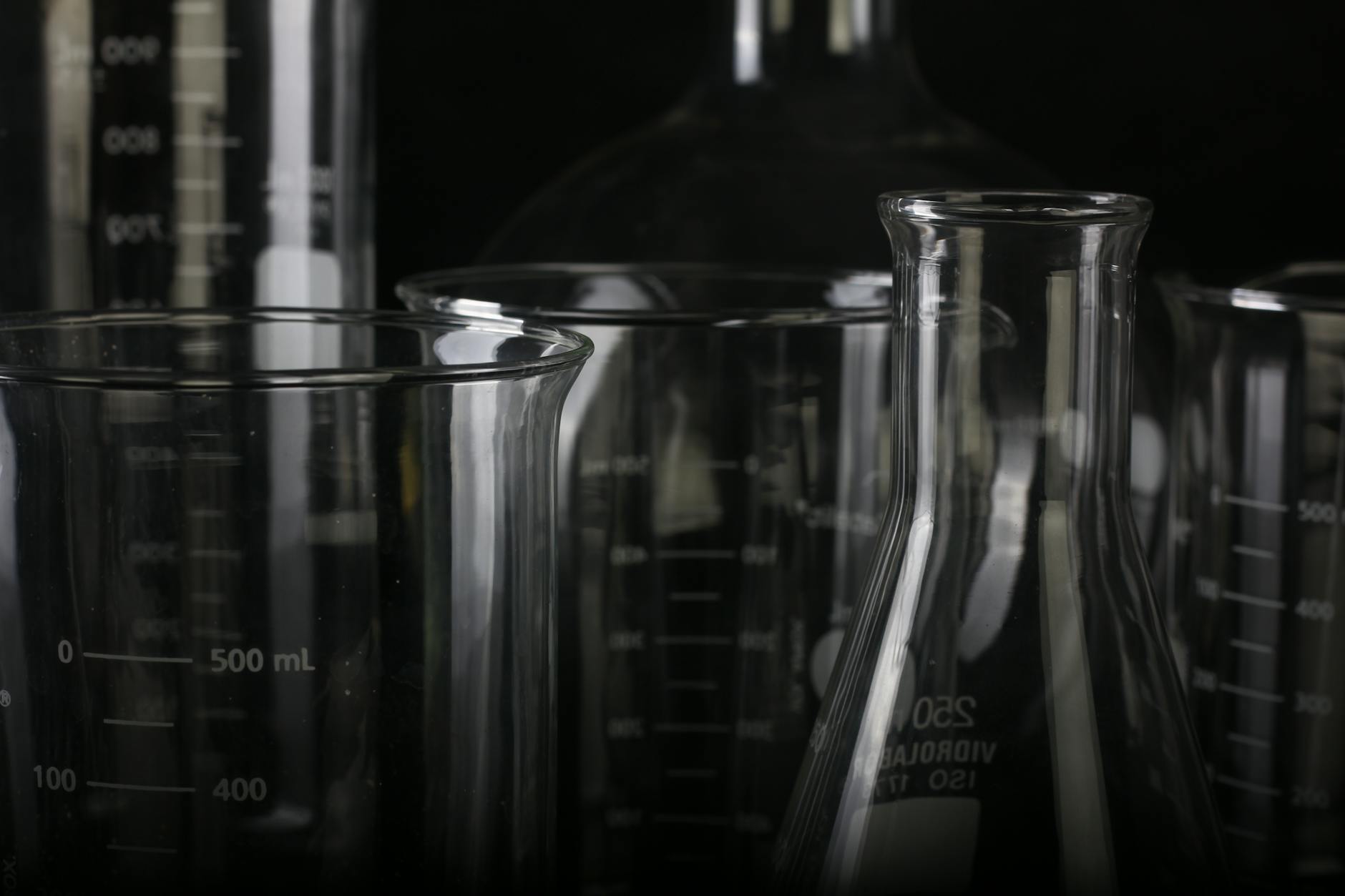
Who needs chemistry discoveries most?
This matters most if you are taking chemistry now, planning to take it next term, or trying to catch up after a rough class. It also matters if you tutor younger students, prep for a placement test, or want to understand why chemistry labs do what they do instead of just copying steps. A lot of students waste time on tiny details and miss the big story. That hurts them. Badly. You should care if you want to study medicine, engineering, pharmacy, lab work, teaching, or any science field that uses chemistry every day. You should also care if you need transfer credit and want a course that actually respects the real chemistry history milestones. A course like this chemistry option from UPI Study can make that path much cleaner because it keeps the subject tied to the real ideas, not just random drills. Do not bother with this if you only want to memorize a few test answers and move on. That student usually hates chemistry by week three. They see formulas, not patterns. They see chores, not ideas. Worse, they start guessing on exams, and chemistry punishes guesses fast. A student who does this right learns why the field changed over time, and that makes each chapter feel less like a trap and more like a story with rules. One honest downside: this history can feel like a lot at first. The names blur together. The dates blur too. But that problem disappears fast once you sort the discoveries by what they changed in real life.
Which chemistry discoveries changed science most?
The best way to think about the greatest chemistry discoveries is to ask one simple question: what changed after each one? Oxygen changed how people understood combustion. Atomic theory changed how they pictured matter itself. The periodic table changed how they grouped elements. DNA structure changed how chemistry reached into genetics. Synthetic materials changed what people could make on purpose instead of finding in nature. A common mistake is to treat these as separate trivia facts. They are not. They stack on each other. Oxygen helped chemists fix a wrong idea. Atomic theory gave them a model. The periodic table organized that model. DNA showed chemistry at work in living cells. Synthetic materials proved chemists could design new substances with new uses. That chain matters more than the date list. One regulation-like fact students often miss: modern chemistry classes and transfer programs usually care more about understanding than rote recall, especially in lab-based study paths. That means a student who can explain why a discovery mattered usually does better than one who only names it. I think that is fair. Chemistry rewards thinking. If you study through a course like UPI Study chemistry, this order helps a lot because it keeps the subject from turning into a pile of disconnected flashcards. The downside is obvious: if you skip the story, the details fight back.
90+ College Credit Courses Online
ACE & NCCRS approved. Self-paced. Transfer to partner colleges. $250 per course.
Browse All Courses →How It Works
Here is what happens when a student skips the chemistry story. They jump straight into formulas, periods, bonds, and reactions. They memorize the periodic table in a panic. They treat atomic theory like a chapter title instead of the base layer. Then they hit a question about why oxygen mattered, or why synthetic polymers changed industry, and they freeze. I have seen that pattern over and over. It is not a smart mistake. It is a speed mistake. The student who does it right starts with the discoveries, then builds up. They learn that oxygen replaced an old idea about fire. They learn that atomic theory gave chemists a way to picture matter as tiny units. They learn that Mendeleev organized elements by pattern and even left blank spots for future finds. They learn that DNA structure showed a chemical code inside life. They learn that synthetic materials let chemists make useful stuff like nylon, Teflon, and plastic packaging. That student does not just memorize facts. They see a cause-and-effect chain. Big difference. This is where a lot of people go wrong: they think chemistry history is extra. It is not extra. It is the frame. Without it, the subject feels like a warehouse full of unlabeled boxes. With it, each box has a place. A student who studies this way also handles tests better. They answer “why” questions faster. They spot patterns in lab work. They remember more because the ideas connect. And yes, the more serious your class gets, the more that matters. One single sentence can save a lot of pain: start with the discoveries, not the drill sheets.
How can one chemistry class delay graduation?
Students usually miss the same thing: one extra class can push graduation back by a full term, and that can mean another $4,000 to $8,000 in tuition, fees, and living costs at a public school. I have seen students stare at a chemistry requirement like it only affects one line on a checklist. It does not. It can slide a whole transfer plan, mess with financial aid timing, and force you to pay for a fifth year when you planned for four. That is a nasty surprise, and it happens all the time. One missed requirement can also block a class chain. If your program wants chemistry before physiology, pharmacy basics, or environmental science, you do not just lose one class slot. You lose momentum. That is why the greatest chemistry discoveries matter in degree planning too: schools build real paths around them, and the wrong pick can add a semester fast. Some students save a few hundred dollars on one course and lose thousands later. That trade makes no sense.
Students who plan their credit transfer strategy early save $5,000 to $15,000 on total degree costs, and often cut their graduation timeline by a full semester.
The Complete Chem Credit Guide
UPI Study has a full resource page built specifically for chem — covering which courses count, how credits transfer to US and Canadian colleges, and how to get started at $250 per course with no deadlines.
See the Full Chem Page →How much does college chemistry cost?
If you take a standard college chemistry class, the sticker price can run from about $1,500 to $4,500 at a public school, and private schools can go far higher. Add lab fees, books, and the fact that many students need one or two retakes, and the number gets ugly fast. A student who fails once can easily spend another $1,000 to $3,000 just to get back on track. That is before you count the time hit. Compare that with UPI Study. You can take 90+ college-level courses for $250 per course or $89 a month for unlimited access. That changes the math in a big way. A student who needs one chemistry credit can keep the cost tight. A student who wants to move faster can pay the monthly rate and stack courses without a clock hanging over their head. Chemistry I fits that model well because you control the pace instead of paying for campus overhead you never asked for. Blunt take: most students do not lose money because chemistry is hard. They lose money because they sign up too late, retake a class, or pick a pricey option with no real plan.
Common Mistakes Students Make
First mistake: a student takes the cheapest-looking class and ignores transfer fit. That feels smart. Nobody wants to overpay. But if the class does not match the degree path, the student pays twice, once for the course and once for the replacement course later. I see this all the time, and it drives me nuts. Second mistake: a student waits until the last minute and then takes whatever fits the schedule. That seems reasonable because life gets busy. Work, family, sports, and jobs all pile up. But late choices crush your options. You end up in an expensive term, or you miss a deadline and lose a full semester. That one hurts because it often starts with a simple delay and turns into a real budget problem. Third mistake: a student ignores lab-based requirements and assumes any science credit will do. That sounds harmless. It is not. Some majors want a lab science, not just a lecture class. Pick the wrong format and you can finish a course that still does not satisfy the degree plan. Honestly, that mistake feels almost comical from the outside, but it drains real money from real students.
How UPI Study Fits In
UPI Study works well for students who want a cheaper, faster path without giving up college-level credit. The self-paced setup helps when your schedule has gaps, and the no-deadline format keeps you from paying for time you do not use. That matters when you are trying to control cost and avoid delays. UPI Study offers 90+ courses, all ACE and NCCRS approved, and partner colleges in the US and Canada accept the credits. That makes the whole setup practical, not flashy. If you want to compare a science option with another subject, Environmental Science shows how UPI Study can help with degree planning outside the narrow chemistry lane too. The nice part is simple: you pick the course, work at your speed, and avoid the big campus price tag that usually comes with these requirements.


Which chemistry credits fit your degree plan?
Before you enroll, check whether your degree plan wants a lecture science, a lab science, or both. That one detail changes everything. Also check how many credits your target school wants in chemistry, because some majors want one course and others want a full sequence. Third, look at whether the course lines up with a transfer slot you can actually use in your program. A class can be real college credit and still miss the exact box you need. Then check your timeline. If you need credit fast, a self-paced class helps a lot. If you need to stack more than one class, the monthly unlimited option can make sense. That is where Introduction to Psychology becomes useful as a second example, because it shows how students can build a small set of credits without waiting for a full term to start. Watch the details. They save money or waste it.
See Plans & Pricing
$250 per course or $89/month for unlimited access. No hidden fees.
View Pricing →Frequently Asked Questions
Most students expect a single winner, but chemistry doesn't work that cleanly. If you ask what is the greatest discovery in chemistry, the best answer is the periodic table, because it gives you a map for every element on Earth. Dmitri Mendeleev published it in 1869 and left gaps for elements that nobody had found yet. That was huge. It let you predict gallium, germanium, and scandium before anyone pulled them from ore. You still use that logic in medicine, batteries, and lab work today. Atomic theory sits right next to it, though, because it explains why the table works at all. Those two ideas shaped the biggest chemistry discoveries and the most important chemistry breakthroughs people still study in class.
The discovery of oxygen changed chemistry because it killed the old phlogiston idea and gave you a real way to explain burning, rusting, and breathing. Antoine Lavoisier showed in the 1770s that oxygen supports combustion, and that shift changed how chemists measured reactions. The caveat: oxygen alone didn't create modern chemistry, but it made accurate mass measurements possible. That's a big deal. Once you can track what enters and leaves a reaction, you stop guessing. You can make better acids, metals, fuels, and medicines. This is why chemistry history milestones often start with Lavoisier, and why famous chemistry discoveries usually connect to real lab numbers instead of old stories people repeated for centuries.
If you get atomic theory wrong, you miss why every later discovery makes sense. You might memorize formulas, but they won't stick. John Dalton's early 1800s model gave you the idea that matter comes in tiny atoms that combine in fixed ratios. That sounds simple, but it changed everything. Suddenly, you could explain why water is H2O and not some random mix. You could also understand why 12 grams of carbon reacts differently from 24 grams. Later models added electrons, protons, and neutron details, but Dalton started the chain. Atomic theory sits at the center of greatest chemistry discoveries because it links the periodic table, reaction laws, and the design of drugs, plastics, and fertilizers you use every day.
The most common wrong assumption is that only one discovery matters because it looks neat on a test. That's too simple. The periodic table helped organize chemistry, but DNA structure changed life science and medicine in a way that touches you directly. In 1953, Watson, Crick, Franklin, and Wilkins helped show the double helix, and that 3D shape explained how genetic code copies itself. You now understand heredity, gene disease, and biotech. The periodic table tells you what elements do. DNA tells you how living things store instructions. Both count as famous chemistry discoveries, but DNA reaches into cancer treatment, forensic tests, and biotech products in a way most students don't expect at first.
Most students memorize names and dates, but what actually works is matching each discovery to the problem it solved. That's the difference. The discovery of oxygen solved the burning problem. Atomic theory solved the structure problem. The periodic table solved the pattern problem. DNA structure solved the heredity problem. Synthetic materials solved the materials problem. If you line them up that way, the greatest chemistry discoveries stop looking random. You can also explain why plastics, nylon, Teflon, and polyethylene changed daily life after the 20th century. Cheap containers, safer clothing, nonstick pans, and medical gear all came from that shift. You should think in terms of use, not just names, because chemistry history milestones always change what people can make and do.
Start with a timeline from 1770 to 1953, then add one sentence for each breakthrough. That works fast. Put oxygen first, because Lavoisier's work changed measurement. Add atomic theory next, because Dalton gave you the particle model. Then place the periodic table in 1869, since Mendeleev sorted elements by repeating traits. Finish with DNA structure and synthetic materials like Bakelite from 1907, nylon from 1935, and polyethylene from the 1930s. You'll see a pattern. Each step fixed a problem that older ideas couldn't solve. This makes it easier to answer what is the greatest discovery in chemistry without sounding vague. You can point to one discovery, then explain how it changed science and daily life in plain terms.
$1 worth of early plastic research could change millions of dollars in products, and that's why synthetic materials belong with the greatest chemistry discoveries. Bakelite arrived in 1907, nylon in 1935, and polyethylene soon after. Those materials replaced wood, metal, silk, glass, and rubber in tons of jobs. You see them in phone cases, pipes, car parts, lab tools, and clothing. That matters because chemistry stopped being only about making small amounts of lab stuff. It started shaping whole factories. Synthetic materials also made products lighter, cheaper, and easier to mass-produce. You can trace a straight line from polymer chemistry to grocery bags, IV tubes, helmets, and insulation, which is why these famous chemistry discoveries changed your daily routine in ways you barely notice.
This applies to you if you study science, work in health care, build products, or just want to know why modern life works. It doesn't apply if you only want one trivia answer and don't care about the reason behind it. The strongest answer still points to the periodic table, atomic theory, oxygen, DNA structure, and synthetic materials as a group. Each one solves a different problem. The table organizes matter. Atomic theory explains matter. Oxygen explains burning and oxidation. DNA explains heredity. Synthetic materials change what you can build. That's why the greatest chemistry discoveries matter across labs, hospitals, farms, and factories. You can name one winner in class, but you should back it up with the other chemistry history milestones that changed how people live, work, and make things worldwide.
Final Thoughts
So, what is the greatest discovery in chemistry? I would put it in the group of discoveries that changed how people live, work, and study, not just one famous lab moment. That is why chemistry history milestones still matter now. They shape degree paths, they shape jobs, and they shape the money you spend to finish school. I like practical answers, and this topic has one: the right chemistry credit can save you a semester and a few thousand dollars. If you are planning a transfer, do not guess. Pick the course that matches the program, the format, and the timeline. One clean choice now can save you $4,000 or more later.
Ready to Earn College Credit?
ACE & NCCRS approved · Self-paced · Transfer to colleges · $250/course or $89/month