
A $10,000 mistake sounds small until you see how fast it shows up on a tuition bill. A lot of first responders start school with the same rough plan: take classes, hope the bill stays low, and trust that some mix of aid, work, and luck will carry them through. That plan burns money fast. I think a smarter move starts with cheap credits, not expensive ones. If you can earn 30 to 40 credits through low-cost online platforms, then you can trim a huge chunk off a degree before you ever touch a university price tag. That matters a lot for police, fire, EMS, and dispatch workers who already work odd hours and need a degree that fits real life. The savings can stack in a way most people do not expect. A class that costs $250 versus a class that costs $1,200 does not feel like a small difference after you repeat that gap 10 times. If you want a first responder cheap college credits route that keeps the math sane, start with UPI Study for first responders.
Yes, first responders can save around $10,000 on a degree, and sometimes more, by earning transfer credits at low cost before they enroll in higher-price school classes. The trick is simple. Use cheap online credits for general education or elective slots, then use employer tuition assistance first responder programs to pay for the pricier remaining classes. The part most people skip: a credit does not care where you earned it if the college accepts it, but the price you pay for that credit can swing wildly. One school may charge $150 to $300 per credit through an online platform. Another may charge $400 to $700 at a community college. A university may charge far more. That spread changes the whole bill. A lot of people think savings only happen after you start a degree. Wrong. The big savings show up before that, in the first 30 to 40 credits.
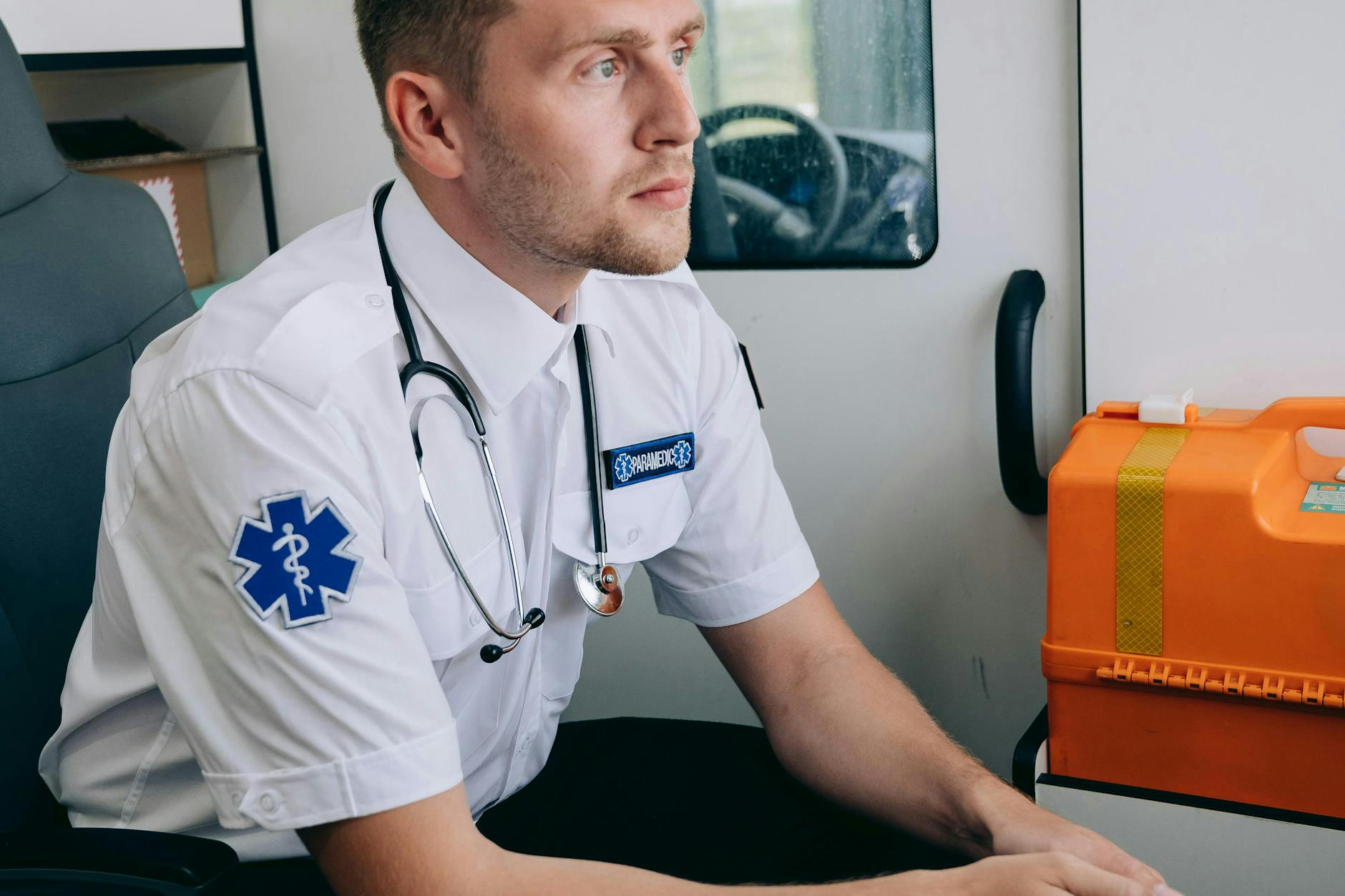
Which first responders qualify for cheap credits?
This setup fits police officers, firefighters, EMTs, paramedics, corrections staff, dispatchers, and military first responders who need an affordable degree law enforcement path or any public-safety degree path. It also fits adults who already know they need a degree for promotion, pay steps, or a career switch inside public safety. If your department offers tuition help, you get even more room to cut costs, because you can save that money for the classes your cheap-credit provider does not cover. It does not fit everyone. If your school already gives you a full tuition waiver, you may not need to chase cheap credits as hard. If you want a lab-heavy science degree, nursing path, or another major with tight course rules, this strategy can get messy fast. And if you hate self-paced study, online credits may frustrate you more than they help. Some readers should not bother at all. If you only need six credits and your employer pays the full bill, the time cost may beat the money saved. Still, for most first responders trying to save money college police fire, the math usually favors starting with low-cost credits first and using the employer benefit later. That order matters more than people think. I have seen too many students burn tuition aid on classes they could have bought for a fraction of the price elsewhere. That hurts.
How do cheap credits cut degree costs?
This is not magic. It is a credit swap. You earn lower-cost credits first, then move those credits into a degree plan that accepts them. The smartest version uses about 30 to 40 credits in the gen ed and elective spots, because those slots tend to be the easiest to fill with cheaper classes. A full associate degree usually needs about 60 credits. A bachelor’s degree usually needs about 120. So if you fill the first 30 to 40 credits for $250 per course instead of paying university rates, you can shave a large slice off the total. That is why the phrase online college credit $250 per course matters. It changes the whole stack of numbers. People often get one thing backward. They think cheap credits only help if they replace a whole degree. Not true. Even replacing a dozen classes can save real money. A three-credit class at $250 costs about $83 per credit. A university class that costs $1,200 to $1,800 can run four to seven times higher. Multiply that gap by 10 classes, and you are staring at a savings pile that can pass $10,000 without much drama. UPI Study credits are accepted at cooperating universities worldwide, and that gives first responders a clean path to stack credits before they pay higher school prices. The downside sits right there too. Cheap credits only help if you use them in the right spots. You do not want to waste time on courses your degree will not use.
90+ College Credit Courses Online
ACE & NCCRS approved. Self-paced. Transfer to partner colleges. $250 per course.
Browse All Courses →How much do first responder credits save?
The part that matters in real life. Say a first responder needs a bachelor’s degree and plans to take 120 credits total. If 36 of those credits come from low-cost online courses at $250 each, that chunk costs about $3,000. If the same 36 credits came from a university at $1,200 each, that same chunk would cost about $14,400. That gap alone saves $11,400. That is not small money. That is car money, mortgage buffer money, or the amount that keeps a family from putting school on a credit card. Now add employer tuition assistance first responder programs. Suppose your department pays $3,000 to $5,250 a year, which many public employers do in some form. If you spend that aid on the last stretch of your degree instead of the easy-to-find gen ed classes, you stretch every dollar harder. That is the right move. The wrong move looks like this: you enroll at a pricey university from day one, you pay full freight for classes you could have sourced cheaper, and then you use tuition assistance on courses that do not reduce the overall bill much. That is how people waste thousands without realizing it. A community college can still help. Sometimes it offers a lower rate than a university, and that can work well for local students. But even then, the bill can stay far above the cheapest online path, especially once you add fees, books, and lost time from class schedules that clash with shift work. I like community college for some students. I do not love it as a default answer for every first responder. Start with the cheapest credits you can place into your degree plan, then use employer aid on the rest. That order turns a decent benefit into a much better one.
Why do degree delays cost first responders?
A lot of first responders fixate on the sticker price of a class. That misses the bigger hit. The real damage comes from delay. If you take one extra 3-credit class at a regional public college, you can easily pay $900 to $1,500 after fees. Stretch that across a whole degree plan, and a small detour turns into a nasty bill. That bill can also push back graduation by a term or two, which means more semesters of parking fees, books, and time spent paying for school instead of finishing it. For anyone chasing an affordable degree law enforcement workers can actually live with, that delay matters more than people admit. The part students miss all the time: a $10,000 savings can disappear in plain sight if you lose even one semester. I’ve seen people spend four months waiting for one class to open, then pay full price because they got tired of sitting still. That is how “cheap” turns into expensive. And yes, time has a price. If you want tuition assistance first responder programs to carry more weight, you need credits that move at your pace, not a college calendar’s pace. A single late start can cost you a whole pay raise cycle.
Students who plan their credit transfer strategy early save $5,000 to $15,000 on total degree costs, and often cut their graduation timeline by a full semester.
The Complete First Responders Credit Guide
UPI Study has a full resource page built specifically for first responders — covering which courses count, how credits transfer to US and Canadian colleges, and how to get started at $250 per course with no deadlines.
See the Full First Responders Page →How much do first responder courses cost?
Let’s talk plain numbers. UPI Study charges $250 per course, or $89 a month for unlimited access. That sounds simple because it is simple. If you need just four courses, you spend $1,000. If you need ten courses, you spend $2,500. Compare that with a typical college course that lands somewhere around $600 to $1,200 before you count fees, and the gap gets loud fast. That is why people searching for first responder cheap college credits keep landing on this model. Now compare the unlimited option. If you can clear several classes in one month, $89 looks almost rude in a good way. If you move slowly, the monthly plan can cost more than paying course by course. That tradeoff matters. Smart people still make the wrong choice here because they fall in love with the low monthly number and forget to do the math. I like the course-by-course plan for people with a heavy shift load. It keeps the bill clean. See the first responder credit options
What mistakes raise first responder credit costs?
Mistake one: a student signs up for a traditional class because it feels safer. That makes sense. A brick-and-mortar course has a familiar name, a fixed meeting time, and a counselor who sounds confident. Then the student finds out the class costs four times as much as an online college credit $250 per course option and eats up weeks on a clock that never seems to stop. The problem starts when “safe” means slow and pricey. That is a bad deal dressed up as comfort. Mistake two: a student buys too many courses at once. That sounds smart at first. The thinking goes like this: stack credits now, finish faster later. Then shift work, calls, family stuff, and plain fatigue crush the plan. The student pays for classes that sit untouched. I think this mistake happens because people confuse speed with control. Those are not the same thing. Mistake three: a student ignores the order of classes. That seems harmless. After all, credits are credits, right? Not always. If you load up on the wrong classes before checking your degree plan, you can end up with credits that help less than you hoped, even if they transfer. That hurts most when someone wants an affordable degree law enforcement track and needs every credit to pull its weight. Waste hurts here because every dollar has a job.
How UPI Study Fits In
UPI Study fits the exact mess that trips people up: cost, time, and schedule. It gives you 70-plus college-level courses that are ACE and NCCRS approved, so you can build credits without paying full college rates or waiting for a fixed term to start. The self-paced setup matters a lot for firefighters, police officers, EMTs, and anyone else who works weird hours. No deadlines means you can move when your shift opens up, not when a campus calendar tells you to show up. The pricing also lines up with the savings story. At $250 per course, the math stays predictable. If you want the bigger catalog, the $89 monthly unlimited plan gives heavy users a lower cost per credit. That is the kind of setup that makes real save money college police fire plans possible instead of just sounding nice in a brochure. For a closer look, Introduction to Criminology shows the kind of course content students can use toward degree progress.


What should first responders check before buying?
Start with your own degree map. You need to know which credits fill general education, electives, or major requirements before you buy anything. If you skip that step, you can still spend money well and place the credits badly. That hurts. Also check how many credits you need for your finish line. A person who needs six credits faces a different choice than someone who needs eighteen. Then look at your schedule, not your hopes. If you only have one hour a day, the unlimited plan may not help much. If you can clear several courses in a short window, it may help a lot. That math changes fast. Also check whether your employer offers tuition assistance first responder benefits that stack with low-cost credits. That can turn a good deal into a sharp one. One more thing: read the course list with a cold eye. Pick classes that match your degree path and your work goals. If you want another example of the subject mix, Business Law shows how a practical course can fit a broader plan without dragging your wallet through the mud.
See Plans & Pricing
$250 per course or $89/month for unlimited access. No hidden fees.
View Pricing →Frequently Asked Questions
The thing that surprises most students is how fast cheap credits add up. If you earn 30 credits at $250 per course, and each course carries 3 credits, you're paying about $2,500 for that block. At a public college, the same 30 credits can cost $9,000 to $15,000, and private schools can run far higher. That gap gets bigger fast. You can cover general ed, electives, and even some major classes with first responder cheap college credits, then save your employer tuition assistance for the pricier classes. A police officer, firefighter, EMT, or dispatcher can use that mix to cut thousands off the degree path. That's how you save money college police fire without cutting corners on the work itself.
Start by listing the 30 to 40 credits you need most. Then sort them into three piles: classes you can get from online college credit $250 per course options, classes your employer will pay for, and classes you'd rather take at a local college. That simple list changes the math fast. If you need 60 credits for an associate degree, and you move 12 to 15 classes into low-cost online courses, you can cut a huge chunk off the bill. Many first responders use tuition assistance first responder programs for the last, higher-priced courses, not the first ones. That matters because a $1,500 class eats aid fast. You get more value when you spend cash on the cheapest credits first and reserve aid for the expensive parts.
Yes, you can save $10,000 or more if you use cheap credits for a big chunk of the degree. Here's the caveat. The savings depend on how many credits you replace and what your school charges. A 30-credit block at a university can cost $9,000 to $18,000. The same block through affordable degree law enforcement options online can land near $2,500 to $4,000. That's a real gap. If your employer pays part of the bill too, the savings stack. You might use tuition assistance for a 6-credit term and pay cash for the low-cost classes. That keeps your out-of-pocket cost low while you keep moving toward the degree. The math gets even better if you avoid paying full price for general education courses.
The most common wrong assumption students have is that every credit has to come from one school at one price. Nope. You don't have to pay university tuition for all 60 or 120 credits. First responders often mix sources. They use first responder cheap college credits for easy-to-transfer classes, then use a college or university for the final stretch. That can matter a lot in public safety degrees, where the core work often sits next to plain general ed classes. A 3-credit online course at $250 looks very different from a campus class that costs $900 or more. If you only compare one school against another, you miss the cheaper path. The smarter move lets you build the degree from parts, not from one expensive package.
A 60-credit associate's degree can cost very different amounts. If you take 20 credits at online college credit $250 per course pricing, that's about $1,667 before fees. If the other 40 credits come from a community college at $150 to $250 per credit, you might spend another $6,000 to $10,000. That's still less than many university paths, where 60 credits can hit $15,000 or more. For a first responder, the smart play is to use tuition assistance first responder dollars on the higher-cost classes and buy the cheapest classes yourself. That gives you control. It also helps when you want an affordable degree law enforcement students can finish while working shifts, because you don't need to pay full freight for every single class.
If you get this wrong, you can waste money and time. Bad. You might spend $300 on a class that doesn't fit your degree plan, then still owe full price for the class you actually need. That hurts twice. First responders work hard schedules, so a bad pick can also push your graduation back a term or a full year. You don't want that. A strong plan puts your cheap credits into slots that your degree uses for general ed, electives, or lower-level major work. Then your employer tuition assistance covers the remaining higher-cost classes. A police officer or firefighter who skips this step can lose the chance to save money college police fire in a clean way, because the cheap class ends up sitting outside the degree.
Most students sign up for one school and pay whatever it charges. That feels simple. It also costs more. What actually works better is picking the cheapest credits first, then filling the rest with tuition assistance and local school classes only where you need them. A first responder can knock out 30 to 40 credits with low-cost online options, then finish the rest at a college that offers a better fit for the degree. That can shave thousands off the total. If you earn 30 credits for about $2,500 instead of $9,000, you already changed the game on a bachelor's or associate degree path. You keep control, and you don't let one tuition bill set the price for every course you take.
This applies to police officers, firefighters, EMTs, paramedics, corrections staff, and dispatchers who want a degree while working. It also helps if your employer offers tuition assistance first responder benefits or if you can pay cash for a few low-cost classes. It doesn't fit every student. If you need a program with strict lockstep classes from day one, you won't have much room to swap in cheaper credits. The same goes for jobs that won't support school time at all. Still, many public safety workers can build a clean path with first responder cheap college credits and a careful tuition plan. In some cases, you can finish a full degree with a mix of online classes, community college credits, and employer help, while keeping your out-of-pocket cost far below the sticker price.
Final Thoughts
First responders do not need a fancy story. They need a cheaper route that respects their time. UPI Study does that by pairing low course prices with a wide catalog and self-paced work. That combo matters because a $10,000 savings comes from many small wins, not one miracle discount. If you want the simple next move, count your needed credits, price them out at $250 per course, and compare that with your current school. Then check whether the unlimited plan makes sense for your pace. One clean number usually tells the truth fast.
Ready to Earn College Credit?
ACE & NCCRS approved · Self-paced · Transfer to colleges · $250/course or $89/month