
300 police officer to detective education questions usually start with the same hope: “Do I really need college, or can I just be a strong cop and wait my turn?” The plain answer is yes, education matters. Not in some shiny brochure way. In the real hiring room, college credits can move you ahead, help you meet detective promotion requirements, and make you look like less of a gamble to a sergeant or captain who has to pick from a stack of decent candidates. I’ve seen departments treat detective slots like a mix of test score, work history, and trust. That trust part matters more than people admit. A degree in criminal justice, psychology, or law can make a difference because it gives a department a clean signal: this officer can write well, handle interviews, think through people, and learn policy without dragging feet. Criminal justice courses for police help here because they match the work. Psychology helps too, since detectives spend a lot of time reading people who lie badly. Law matters because bad reports and weak probable cause can wreck an investigation fast. UPI Study first responder credits can also speed things up for officers who already have a patch and want to finish school without losing years.
This matters most for patrol officers who already know they want detective work, officers stuck in departments that rank candidates by education points, and people who need an online degree for law enforcement because shift work keeps wrecking a normal class schedule. It also matters for officers who sit just below the cutoff for promotion. A few credits can move them over the line. That is not a tiny thing. That is the difference between getting reviewed this cycle or waiting another year. It does not help much if your department never uses education in promotions, never posts detective openings, and fills spots by pure seniority or politics. In that case, school may still help you do the job better, but it will not move you faster through the paperwork. I say that bluntly because a lot of officers spend money on the wrong thing. They buy classes like they are buying a badge upgrade. A reader with no interest in investigation work should not chase detective credits just because the internet says degrees matter. If you want patrol, SWAT support, traffic, or K-9, then detective school may give you very little return.
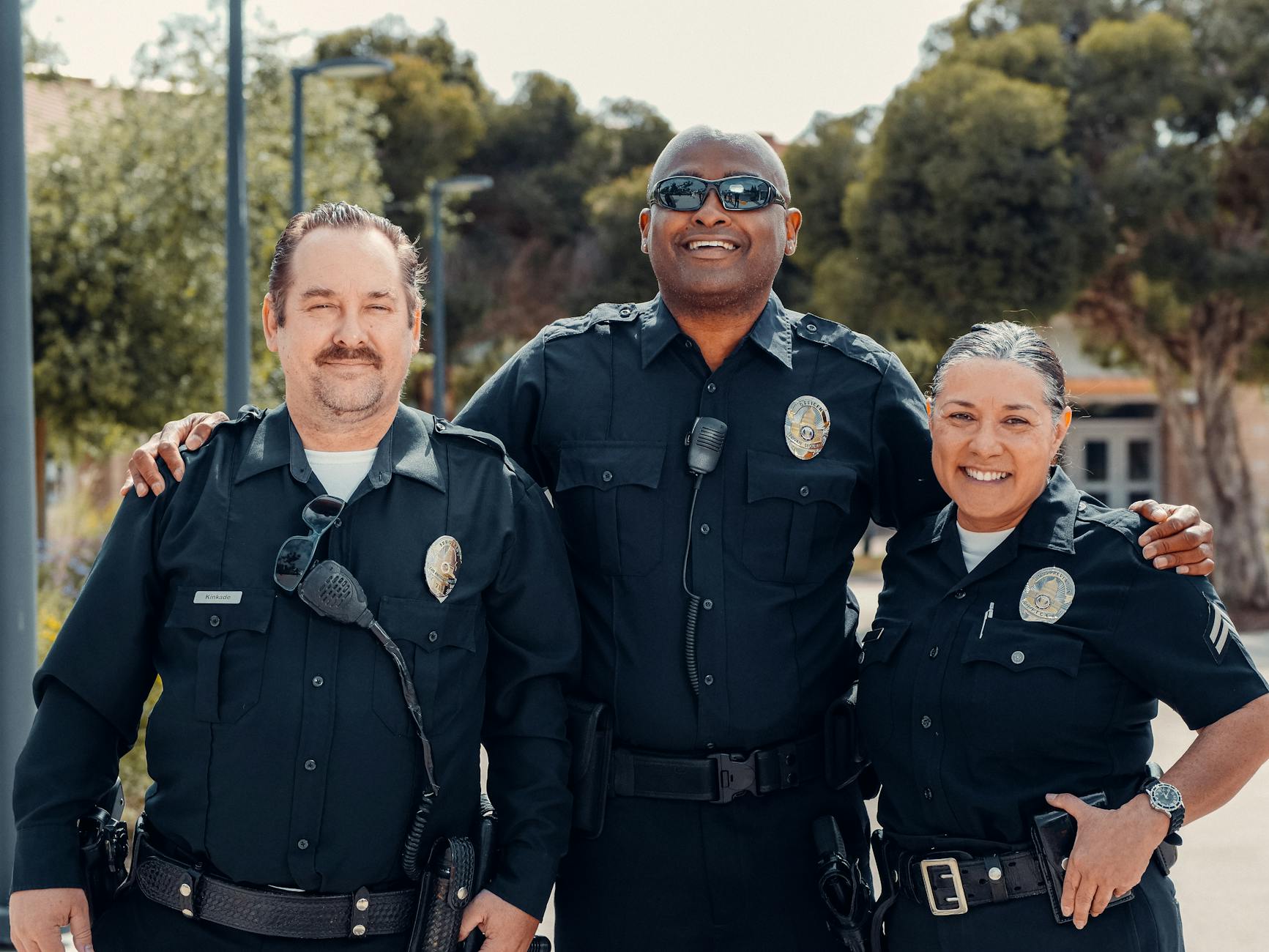
Which college credits help detective promotion?
The big mistake people make is thinking all college credits look the same. They do not. A department that cares about police officer to detective education usually values credits that connect to the work. Criminal justice courses for police make sense because they cover procedure, evidence, courts, and reports. Psychology helps because detectives interview victims, witnesses, and suspects all day. Law gives you a leg up because you need to understand search rules, statements, warrants, and what a sloppy case file can do in court. Some departments score education in a formal way. Others just like seeing a degree on paper. A few use a promotion exam plus a point system, and education can add points that change the ranking. That is where college credits for detective work matter most. If you need 60 credits to qualify and you sit at 48, you do not just have a school problem. You have a timing problem. Twelve credits can mean one more term. Or two. That can push graduation from spring to winter, and that can change when you can apply for a detective opening. One thing people get wrong: they think “any degree” works the same. A basket of random classes from years ago may not carry the same pull as an online degree for law enforcement or a focused criminal justice track. Departments like clear fit. I do too. It reads like intent, not drift. see first responder credit options here
How does college affect detective promotion timing?
This is the part people usually miss. College does not just affect whether you qualify. It affects when you qualify. That timing can move your whole career by months, sometimes a full year. Say your department wants 60 credits for detective promotion requirements. You have 54. If you finish two 3-credit classes this fall, you hit 60 before the spring selection board. If you wait for one long semester or sign up for the wrong classes, you miss the board and sit on patrol until the next opening. That is real money, real seniority, and real time in a career that moves in slow blocks. The first step is simple. Find out how your department treats education. Some give a hard cutoff. Some use a point scale. Some care more about a degree than raw credits. Then match your classes to the fastest path. That is where transferable credits matter a lot. If your past classes from another school or training source count cleanly, you do not start over. You shorten the road. A detective slot that looked two semesters away can become one semester away. That changes whether you graduate before the posting or after it. Big difference. Where it goes wrong is easy to spot. Officers take classes that sound smart but do not move the meter. They stack electives, lose old credits, or pick a program that drags on because the school wants a neat package instead of speed. That is a rough trade. If you already work patrol and want detective, speed has value. Not reckless speed. Smart speed. The kind that turns a stalled file into a finished degree and a finished degree into a shot at the next badge line.
90+ College Credit Courses Online
ACE & NCCRS approved. Self-paced. Transfer to partner colleges. $250 per course.
Browse All Courses →How do detective credits affect police pay?
A lot of cops think the degree question only touches the promotion packet. That misses the real hit. If your department gives a detective step-up after 60 college credits and you sit on 45, you do not just miss a title. You can also miss a pay bump that starts right away and keeps stacking every year. That can mean thousands left on the table fast, not some vague future loss. A police officer to detective education path often affects salary bands, training slots, and the order in which supervisors even look at your name. People also miss the clock. Some detective promotion requirements tie into testing windows or posting dates, so one unfinished class can push you back six months or a full year. That delay hurts twice. You wait longer for better pay, and you keep paying for the old life while the new one sits out of reach. One missed semester can cost more than the class itself. That sounds harsh because it is harsh. I see officers focus on “I only need a few more credits” and ignore how long those credits take if they pick the wrong format. A slow path can turn a small gap into a long stall, which is a bad trade for anyone working shifts, overtime, and family life.
Can credit planning cut detective degree costs?
Students who plan their credit transfer strategy early save $5,000 to $15,000 on total degree costs, and often cut their graduation timeline by a full semester.
The Complete First Responders Credit Guide
UPI Study has a full resource page built specifically for first responders — covering which courses count, how credits transfer to US and Canadian colleges, and how to get started at $250 per course with no deadlines.
See the Full First Responders Page →The Money Side
Let’s talk real money. A community college course often runs about $150 to $400 per credit hour, so a 3-credit class can cost $450 to $1,200 before books and fees. A private university can run far higher, and an online degree for law enforcement can still land in the thousands once you add all the required classes. By contrast, UPI Study charges $250 per course or $89 a month for unlimited self-paced work, and it offers 90+ college-level courses that are ACE and NCCRS approved. That gap changes the math. If you need 4 courses, a standard school might take $2,000 to $5,000 or more. The UPI Study route can stay near $1,000 if you pay per course, or lower if you move fast on the monthly plan. That is not pocket change. It is rent money, car money, and kid money. And yes, college credits for detective work should cost less than a used patrol bike, but schools rarely price them that way. The blunt truth: most officers do not need a fancy campus story. They need cheap credits that move.
Common Mistakes Students Make
First mistake: they start a traditional degree because it sounds safer. That feels reasonable. Schools talk big, and the word “degree” makes people relax. Then the bill lands. Tuition, campus fees, parking, books, and the long time line pile up, and the officer ends up paying for a full program when the department only asked for a slice of one. That is a rough way to spend promotion money. Second mistake: they buy one class at a time without checking pace. That sounds smart because it keeps the upfront cost low. Then shift work gets ugly, overtime hits, and the class stretches on. The student pays more in time than cash, and the promotion board keeps moving. I hate this one because it feels disciplined while it quietly bleeds you dry. Third mistake: they pick random criminal justice courses for police because the titles sound right. That seems fine on paper. The problem shows up later when the student learns the classes do not match the department’s credit target or the school’s transfer rules. Then they sit on credits that do not line up with the real goal. That is the worst kind of waste, because it looks like progress right up until it stops working.
How UPI Study Fits In
UPI Study fits best for officers who want speed, low cost, and clean credit-building without the campus circus. You can take self-paced courses on your own schedule, which matters if you work nights, get called in early, or live by a shift bid that changes every month. The real win here is simple: you keep moving even when your calendar looks like a wreck. That matters a lot more than glossy school ads do. If you want a place to start, try Introduction to Criminology. It lines up well with police officer to detective education because it speaks to crime patterns, offender behavior, and the kind of thinking detectives use every day. UPI Study also offers credits through partner US and Canadian colleges, so the work can fit into a broader education plan instead of sitting off to the side as a dead end. That is a smart setup, not a flashy one.


What detective promotion requirements should you check?
Before you enroll, look at the exact detective promotion requirements from your department. Not the rumor. The written rule. Some agencies want general education credits, some want criminal justice courses for police, and some care about the number more than the subject. That difference can save you from buying the wrong classes. Then check how many credits you need and how fast you need them. If you need 12 credits before the next review cycle, a slow class plan can sink you. If you need 30 credits for a bigger move, you need a plan that matches that number, not wishful thinking. Also look at whether you want one class or an online degree for law enforcement path, because those are not the same thing. Finally, look at the course list and pick classes that fit the job. A useful pick might be Introduction to Psychology if your role leans into interviews, witness work, or suspect behavior. That kind of class can pull real weight in detective work, and it does not waste your time with fluff.
See Plans & Pricing
$250 per course or $89/month for unlimited access. No hidden fees.
View Pricing →Frequently Asked Questions
If you get this wrong, you can spend years waiting while someone with fewer street hours but more school credits gets picked instead. Most departments rank you on more than patrol time. They look at detective promotion requirements, test scores, discipline record, supervisor reviews, and college credits for detective work. In many places, 30 to 60 semester credits can help you move faster. Criminal justice courses for police matter, but so do psychology and law classes, because you need to write reports, interview people, and understand legal limits. An online degree for law enforcement can help if your department accepts the school and the credits transfer cleanly. Those credits can put you ahead when the panel scores candidates.
Start by pulling your department’s written promotion rules and your personnel file. That’s step one. You need to see how many years on patrol they want, what test they use, and how they score education. Some departments give points for 15, 30, or 60 college credits. Others want a full associate or bachelor’s degree. Ask whether they value criminal justice courses for police, psychology, or criminal law more than general classes. Then match your school plan to those rules. If you already have transferable credits, you can move faster because you won’t repeat classes. An online degree for law enforcement often fits shift work better, and it keeps you moving while you stay on duty.
Most students think extra years on patrol alone will carry them. That’s not how it works in many departments. Real promotion boards often score both experience and education, and the officers who pair solid field work with college credits for detective often rise faster. A 2023 hiring packet from one mid-sized city gave 20 points for education and 25 points for written and oral testing. That means school can matter a lot. Criminal justice courses for police help, but psychology classes can help even more in interviews and victim statements. Law classes teach you how to build probable cause and avoid bad searches. If you earn transferable credits early, you can keep your options open for detective promotion requirements later.
The most common wrong assumption you make is thinking every department wants the same thing. They don't. One agency may want 5 years on patrol and a passing test. Another may want 60 college credits and a sergeant sign-off. That difference changes everything. You can’t treat police officer to detective education like one fixed path. Some departments give real points for an online degree for law enforcement, while others only count specific accredited classes. Criminal justice courses for police help in most places, but psychology and law often separate strong applicants from average ones because detectives spend so much time interviewing witnesses and writing affidavits. If you already have transferable credits, you can meet detective promotion requirements sooner and skip a lot of waiting.
What surprises most students is how small numbers can matter. Ten credits here, 15 credits there, and suddenly you beat someone with more patrol time. Some departments use a point sheet. A bachelor’s degree might bring 10 points, while an associate degree brings 5, and 30 extra credits might bring 2 more. That sounds tiny. It isn’t. Detective promotion requirements often come down to tight scores, especially when several officers test well. Criminal justice courses for police help you speak the department’s language, but psychology helps you read behavior and law classes help you handle court rules. An online degree for law enforcement can fit around overtime and family life, which matters when you work nights and weekends.
This applies to you if your department uses a ranking system, written test, or education points for promotion. It also applies if you already have community college credits, military training, or an online degree for law enforcement that can transfer. It doesn't apply in the same way if your agency promotes only by seniority and command choice, though even there school can help later. You need to look at detective promotion requirements, not rumors from the locker room. Criminal justice courses for police help in almost every department, and psychology and law classes can give you an edge in interviews and report writing. If your credits transfer, you move faster because you start closer to the line, not because anyone hands you a shortcut.
Final Thoughts
Police officer to detective education only looks small from far away. Up close, it touches pay, timing, and your shot at the next step. That is why officers get burned when they treat credits like a side hobby instead of a real career move. If you want the cleanest path, start with the exact credit number your department wants, then match that to a low-cost course plan. One clear target. One price. One deadline. That is how you stop guessing and start moving, and 12 credits can change the whole pace of your file.
Ready to Earn College Credit?
ACE & NCCRS approved · Self-paced · Transfer to colleges · $250/course or $89/month