
72 dollars here, 48 dollars there, 115 dollars for a lab fee you never saw coming. That is how college gets you. Tuition gets all the attention, but most students do not get buried by tuition alone. They get clipped by a dozen smaller costs that stack up fast: books, housing, meal plans, transit, tech, and the little school fees that show up after you already said yes. I have a strong opinion on this: if you do not plan for hidden costs, you do not really have a college budget. You have a guess. The ugly part is that these costs do more than drain your bank account. They can slow your progress toward graduation. Miss a class because you could not pay for gas or a bus pass, and you may fail a course. Skip a required book because it cost too much, and you may fall behind. Sign up for a meal plan you never use, and you may spend money you needed for a laptop charger, a printer card, or a summer class that would have moved you one term closer to your degree.
Hidden costs of college are the expenses that sit outside the big tuition number and still hit your wallet hard. They include textbooks, course fees, dorm costs, rent, transportation, meal plans, laptop repairs, software, and the money you lose when you plan badly. A lot of students miss these because schools talk about sticker price first and real cost later. Textbooks alone can run hundreds of dollars each term, and some classes now push you toward access codes that you cannot resell. Many colleges also charge lab, studio, and program fees that show up after registration. Federal aid rules add another wrinkle: if your financial aid refund comes late, you may have to cover books or housing out of pocket first, which can stall your term start. That delay can push graduation back if you drop a class, fail a class, or take fewer credits than you planned. The best move is simple. Build your budget around the full cost, not the advertised one.
Which students face hidden college costs?
This advice matters most if you pay part of your own way, live off campus, commute, or support family while in school. It also matters if you attend a school that lists a low tuition rate but piles on fees, since that can fool students fast. Community college students can get caught too, especially if they split time between work and class and do not track small costs closely. I see that a lot. Students taking science, nursing, art, film, music, or other hands-on classes need to pay extra attention. Those programs often add lab fees, equipment charges, studio costs, or software bills that general aid does not fully cover. If you need a specific laptop or a special program just to do homework, that is not a side note. That is part of the price. Do not use this advice if your family already covers every school cost with room to spare. You can still read it, of course, but you do not need to stress over every $18 charge if a parent already pays the bill and checks it against the full term plan. Same thing for students on a full ride with books, housing, and travel covered. Their problem sits elsewhere. If you are the kind of student who likes to “figure it out later,” this section should bother you. That habit costs real money.
What costs are hidden in college tuition?
College budgets fail when students treat tuition like the whole bill. Tuition only buys class seats. It does not pay for the book your professor wants, the lab kit your class needs, the bus ride to get there, or the extra semester you may need if you cannot afford full-time enrollment. That last part matters a lot, because taking 9 credits instead of 15 can slow graduation by a whole year or more. A lot of people also miss how school billing works. Some colleges charge by credit hour, some charge a flat full-time rate, and some tack on fees that change by major or campus service. A fee that looks tiny on paper can still hurt. A $35 technology fee may not sound like much, but if you take four classes each term and pay it for two years, that turns into real money that could have gone to books, gas, or a winter coat you actually needed. The other common mistake is thinking aid will cover all of it on time. Not always. FAFSA-based aid can arrive as a refund after the school posts charges, and if your refund lands late, you may need to front the money yourself. That can lead to a rough choice: buy the book, pay the parking permit, or skip something and hope it does not mess up your grade. I would not gamble there if I could avoid it. One missed required purchase can snowball into a failed class, and a failed class often means you retake it, pay again, and stay in school longer.
90+ College Credit Courses Online
ACE & NCCRS approved. Self-paced. Transfer to 1,700+ colleges. $250 per course.
Browse All Courses →Which class costs should you check first?
Start with the class list. That sounds basic, but most students skip it and pay for it later. Before you register, check every course for books, codes, lab supplies, software, parking, and any gear the instructor expects you to own. Then ask one blunt question: can I pay for this now without wrecking my rent, food, or gas money? If the answer is no, you need a different plan before add-drop ends. Bad planning slows graduation in messy ways. If you cannot afford books, you may stop going to class and fall behind. If you cannot afford housing near campus, you may commute too far and miss lecture days. If you choose a meal plan because it sounds easier, you may run out of money for the rest of the term and cut back on credits next semester. I have seen students take a lighter load because they spent their aid too fast, and that one choice can stretch a four-year plan into five years. That extra year costs more than pride. It costs tuition, fees, and lost wages from a job you could have started sooner. Single sentence: the cheapest semester is the one you plan before classes start. Good planning looks plain. You look at the full term cost, not just tuition. You ask the bookstore, the department, and older students what each class really needs. You compare housing and transit costs against your schedule. Then you set aside money for the annoying stuff nobody puts on the shiny brochure, like printing, replacement chargers, lab goggles, and the fee that shows up right after census day. That may not sound dramatic, but it can keep you enrolled full time and on track to finish sooner instead of dragging one more semester through your life.
Why It Matters for Your Degree
A lot of students think these extra charges are just side stuff. They are not. They hit the same wallet that pays for tuition, and once that money goes to books, parking, lab fees, or a meal plan you barely use, it does not come back. That means you can start the term with a plan that looks fine on paper, then run out of cash by week six and have to cut classes, work more hours, or borrow more. I think that part gets missed most: these costs do not just “add up,” they change your choices. 120 dollars. That is about what a single used textbook can cost after the bookstore marks it up, and one bad class choice can turn that into a repeat cost next term if you withdraw or fail and have to take it again. The real damage shows up in timing. A student who keeps getting blindsided by fees often delays a class, drops below full time, or picks a cheaper section that fits the budget but not the schedule. That can push graduation back by a term or more. I have seen students lose a whole semester over money they never planned for. That hurts more than the original bill.
Students who plan credit transfer strategy early save $5,000 to $15,000 on total degree costs, and often shave a full semester off their timeline.
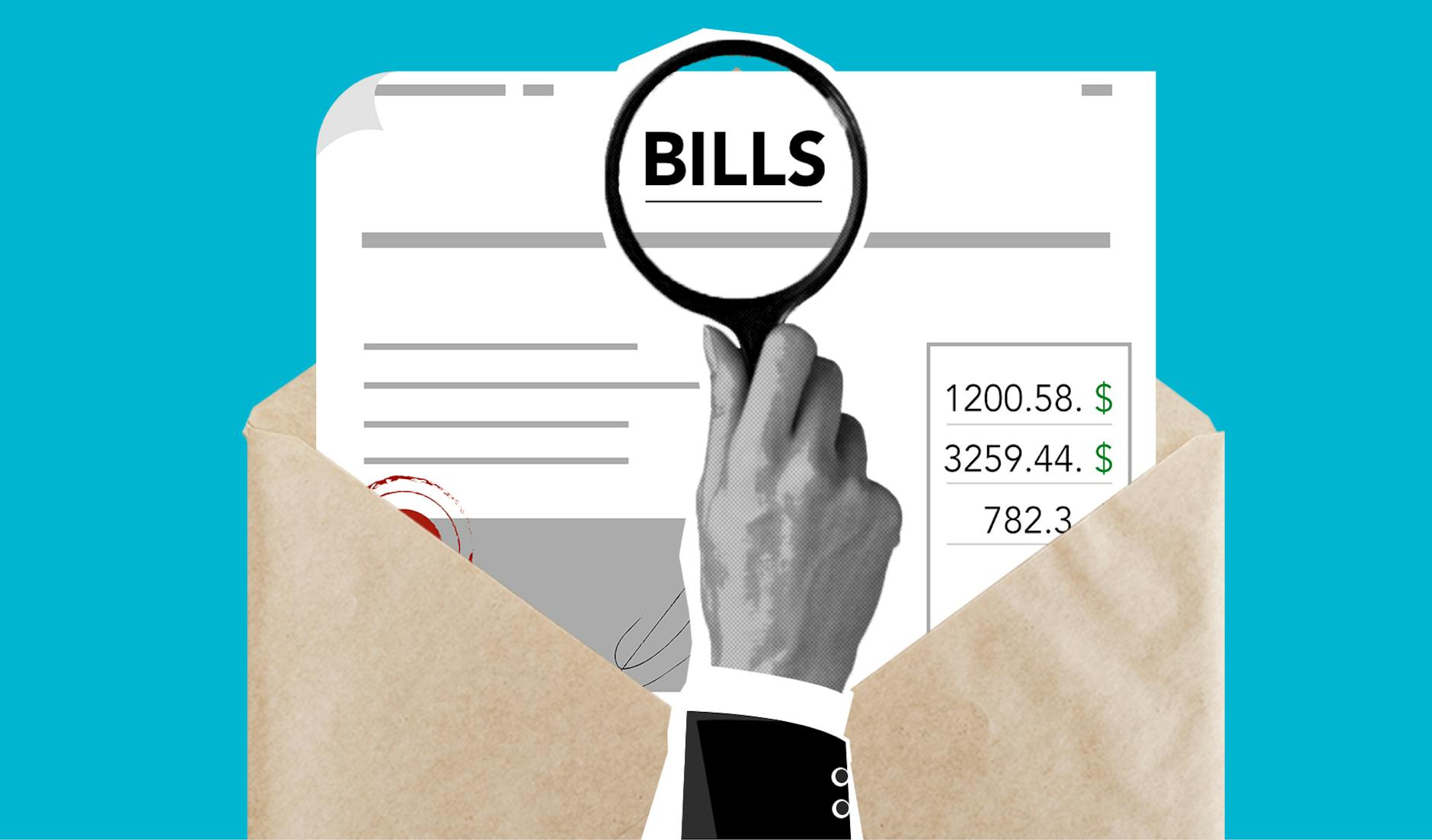
What hidden college expenses cost the most?
Textbooks are the loud one, but they are not alone. A new book can run $80 to $250, while a rental might drop that to $25 to $90 if you return it on time and do not damage it. Housing can swing even harder. Living on campus might cost $9,000 to $15,000 a year, while an off-campus room can look cheaper at first but then add gas, utilities, deposits, and groceries. Meal plans can run $2,000 to $5,500 a year, and if you skip meals in the dining hall, you just paid for food you never ate. That is not savings. That is waste with a receipt. Students overspend in the same spots again and again. They buy the wrong edition of a book because the course page looked vague. They pay for a full meal plan because it sounds easier, then eat takeout half the week. They also ignore fees for labs, tech access, activity charges, and parking until the bill shows up. Bad planning costs more than bad luck here. It keeps charging you every term.
Common Mistakes Students Make
First mistake: buying everything on day one. A student sees a syllabus, panics, and orders every book, tool, and access code before class even starts. That feels safe because nobody wants to miss the first quiz. What goes wrong is simple: many classes never use every item on the list, and some professors change the plan after week one. You can burn $150 fast on stuff that never leaves the shrink wrap. Second mistake: picking a housing setup for comfort, not cost. Students choose the room with the better view, the nicer building, or the campus shuttle, then ignore the full math. The rent looks fine until they add laundry, deposits, parking, and weekend food runs. I think this is where a lot of students fool themselves. A cheap-looking lease can turn into a money trap real fast. Third mistake: assuming technology costs stop at the laptop. They do not. Students buy a machine, then get hit with a charger, cloud storage, a printer, a headset for class, and software fees for certain courses. You also see this with classes that need special tools or subscriptions, which can add another $50 to $200 in a term. One missed line on the budget can wreck the whole month. That happens more than schools like to admit.
How UPI Study Fits In
UPI Study helps when the problem is time and cost hitting at the same time. If you need credits without paying campus prices for every extra term, its setup can make sense. The classes are self-paced, so you do not pay with your schedule the way you do in a fixed semester class. That matters if you work, commute, or need to keep moving without waiting for the next start date. It also helps with the hidden cost of “I need this course again, and I need it fast.” UPI Study offers 90+ college-level courses, all ACE and NCCRS approved, and credits transfer to 1,700+ U.S. and Canadian colleges. You can take one course for $250 or pay $89 a month for unlimited access, which gives you a cleaner way to plan around degree requirements instead of getting trapped by a pricey bottleneck. If you are trying to keep your budget from getting wrecked by a single class, a course like Business Math can matter more than people think.


What hidden fees should you check before enrolling?
Before you enroll anywhere, check the full cost of the class, not just tuition. Ask about books, access codes, lab fees, exam fees, and any required software. Then compare that number with the real price of taking the course somewhere else, because a cheap tuition rate can hide a nasty total. Also check your transfer plan before you pay. If the class will not fit your degree map, you may end up buying credits that slow you down instead of moving you forward. That is a painful mistake, and schools count on students not asking enough questions. Look at the schedule next. If a class has hard deadlines, late fees, or proctored exam costs, that changes the math. If you need more flexibility, a self-paced option may fit better, and a course like Ethics in Technology shows how an online class can fit around work without forcing you to give up a paycheck. Also check whether the class needs special gear, a certain computer, or a strong internet setup at home. Those costs hide in plain sight.
See Plans & Pricing
$250 per course or $89/month for unlimited access. No hidden fees.
View Pricing →Frequently Asked Questions
Tuition isn't the only bill that can hit you, and that's where a lot of budgets break. You can plan for $12,000 in tuition and still miss another $2,000 to $5,000 in fees, books, travel, and setup costs. Some schools charge lab fees, print quotas, health fees, and campus tech fees before you even buy a notebook. Textbooks can run $300 to $1,200 a term, especially for science or nursing classes. You can cut that down by renting, buying used, or checking if the library has a copy on reserve. Talk to older students before classes start. They'll tell you which books you actually use and which ones sit on a shelf.
The most common wrong assumption students have is that the price on the school website covers everything. It doesn't. You can see a tuition number and think your aid or loan will handle the rest, then get hit with housing deposits, meal plan charges, course fees, parking, laundry, and a laptop that won't crash during finals. A meal plan can cost $3,000 or more a year, and off-campus rent often hides utility bills, internet, and a security deposit. You should ask the financial aid office for a full sample cost sheet. Then make your own list. Put every line on paper, even the tiny stuff, because small charges pile up fast.
$500 is a fair starting point for one semester of books and supplies, but some majors run much higher. You might pay $150 for one chemistry text and another $80 for access codes that expire after a few months. Art, nursing, and engineering classes can cost more because you need kits, tools, or software. Check the syllabus before you buy anything. Sometimes the professor lists the exact edition, and sometimes the class only needs a few chapters. You can save money by waiting until the first week, buying used copies, or sharing a book with a classmate when the assignment schedule allows it. If you use a store credit card for books, read the fine print first.
If you get this wrong, you can run out of money before midterms and start making bad tradeoffs. You might skip meals, miss class because you can't pay for gas, or pick a worse apartment just because it looks cheaper on paper. A car can cost you $100 to $300 a month once you add gas, parking, insurance, and repairs. Housing can do the same thing with move-in fees, furniture, and utilities. You should map out your real route to campus and ask how often you'll need to travel home, work, or grocery stores. If you live off campus, check the lease for hidden charges like trash fees or late rent fees before you sign anything.
What surprises most students about this topic is how fast tech costs stack up after the laptop purchase. You may buy a computer for $700, then need a $120 charger, a $60 calculator, a $100 software license, and a $40 flash drive or headset. Some classes also require paid apps, online homework sites, or specific operating systems. If your laptop breaks during finals, repair costs can jump past $200 in a day. Check your school tech list before you shop, and ask whether you can get student pricing. Many schools also lend out laptops, cameras, or chargers for free. Keep a backup plan, because one dead battery can wreck a whole week.
Most students guess their college costs from memory, but what actually works is tracking every fee before the semester starts. You can miss a $50 application fee, a $75 housing deposit, or a $25 transcript charge and still blow a tight budget. Build a list of one-time costs and repeat costs, then add a 10% cushion. That helps when the school adds a late fee or your printer dies the night before a paper is due. Check deadlines for deposits, class registration, and payment plans. Ask about fee waivers if money is tight. Keep a folder with screenshots, receipts, and emails, because schools sometimes charge in ways that don't show up in the first aid letter.
Final Thoughts
Hidden college costs do not stay hidden for long. They show up in your bank account, your course load, and your stress level. A lot of students think the big bill is tuition, then they get hit by books, fees, housing, food, transport, and the little stuff that never makes the brochure. That is where plans fall apart. You do not need a perfect budget. You need a real one. Check the full cost of each class, ask about transfer credit before you pay, and look at the total for housing, food, and tech instead of trusting the first number you see. A student who does that can save hundreds in one term, and sometimes much more.
Ready to Earn College Credit?
ACE & NCCRS approved · Self-paced · Transfer to 1,700+ colleges · $250/course or $89/month