
Think studying in the US has to break the bank? It doesn’t. In fact, over 25% of students graduate with less debt by making smarter choices before even stepping foot on campus. But many people don’t know where to start. One huge mistake: choosing a school based solely on brand name or prestige without considering tuition costs and financial aid options. I believe students can and should take control before they enroll. It’s not just possible, it’s practical. You don’t need a magic wand to lower tuition before admission. You need information and some strategic planning. Imagine this: instead of jumping head-first into college and taking on unnecessary debt, you make your choices deliberately. This requires some legwork upfront but can save thousands. If you plan to study nursing, business, computer science, or criminal justice, the same principles apply. So, let's get into how you can set yourself up for a more affordable education.
If you want to save money before college admission, focus on several smart moves. First, identify more affordable universities and apply early for scholarships. A staggering 1.7 billion dollars in scholarships go unclaimed every year. That could be yours if you get in early. Also, consider earning transferable credits online. This method cuts down on the number of courses you'll pay full price for later. Study from home first by tackling general education requirements at a local community college. You might be surprised by how many credits will transfer. Finally, map out your degree path in advance so you don’t waste time or money on classes you don’t need. Simple tricks, but they work.
Who Is This For?
This guide isn't for everyone. It’s for those who care enough to do some digging and make deliberate choices. If you're the kind of student who plans to major in fields like nursing or business, where transferring credits can shave years off your degree, you’ll find this approach especially useful. High school seniors looking to reduce their study cost in the USA should definitely consider these tips. But if you think you'll breeze through college without breaking a sweat just because you have a smart plan, think again. This isn’t just a shortcut to a degree. It takes effort, time, and some paperwork. Anyone who isn't willing to commit to that might find this too much to chew. Apathy costs money. Or rather, saves none. On the flip side, students wanting the full "college experience" from day one might hesitate. Why? Because studying from home first or attending a community college part-time could feel like delaying the dream. But if saving $20,000 or more sounds appealing, it's worth the compromise.
How can students cut college fees?
Let’s break it down. The core idea is to cut down the big fees by being smart upfront. For starters, many people wrongly assume every credit from another school transfers easily. Wrong. Universities often have strict policies. However, the Transfer Credit Acceptance policy is a driver. Some colleges allow up to 75 credits from a two-year school, while others only accept 15. Research is key here. Another trick? Apply for scholarships early and often. Don’t just look at general ones; search for those targeted to your major or even your specific year. Early bird catches the worm, remember? Thousands of dollars could be waiting for you just for applying sooner. Online classes are another great tool, offering flexibility and savings. The College Board says about 20% of community college students transfer to four-year schools, often with credits that carry over directly. Just make sure those classes align with your degree requirements. Schools rarely bend the rules here.
90+ College Credit Courses Online
ACE & NCCRS approved. Self-paced. Transfer to 1,700+ colleges. $250 per course.
Browse All Courses →Which community college credits transfer to nursing?
Let's take a closer look at someone interested in nursing. First step? Plan your prerequisites. If your local community college offers the basics like anatomy and microbiology, grab them. Far cheaper than a four-year institution, and these often transfer without friction. Just check those credit policies because, trust me, that’s a headache you can avoid. Where things usually go wrong? Students forget to check accreditation. If your community college isn't accredited in a way that your future university recognizes, those credits won't transfer. Costly oversight. Don’t let this be you. Finally, explore scholarships specific to nursing. Hospitals, non-profits, and even some government programs offer funds for nursing students. A little research could mean big savings. I’ve seen students save thousands this way. One last piece of advice — network early. Talk to advisors both at community colleges and potential universities. They can guide you through transfer agreements, scholarships available, and how to plan a smooth transition. They’ve seen it all. Don’t miss out on their insights.
How does saving before college affect graduation?
Saving money before you start college isn't just about pocketing extra cash. It changes how your whole college experience unfolds. Think of it this way: by starting with fewer classes each semester, you might extend your college timeline, which could mean paying for extra semesters and potentially delaying your entry into the job market. Every additional semester means more tuition to pay. That's a lot more expensive than it first seems. Imagine cutting your college timeline by even half a year. If each semester costs about $10,000, you're saving $5,000 outright. Now, consider the income you'd gain by entering the workforce earlier. The combined financial impact is more massive than most people realize. It's essential to get this right from the start. Students often overlook how strategic planning before admission can reshape their entire academic path. Starting college with transfer credits in your pocket can help you avoid unnecessary stress and expenses down the road. It's about setting the stage for a smarter, streamlined college experience from the very beginning.
Students who plan credit transfer strategy early save $5,000 to $15,000 on total degree costs, and often shave a full semester off their timeline.
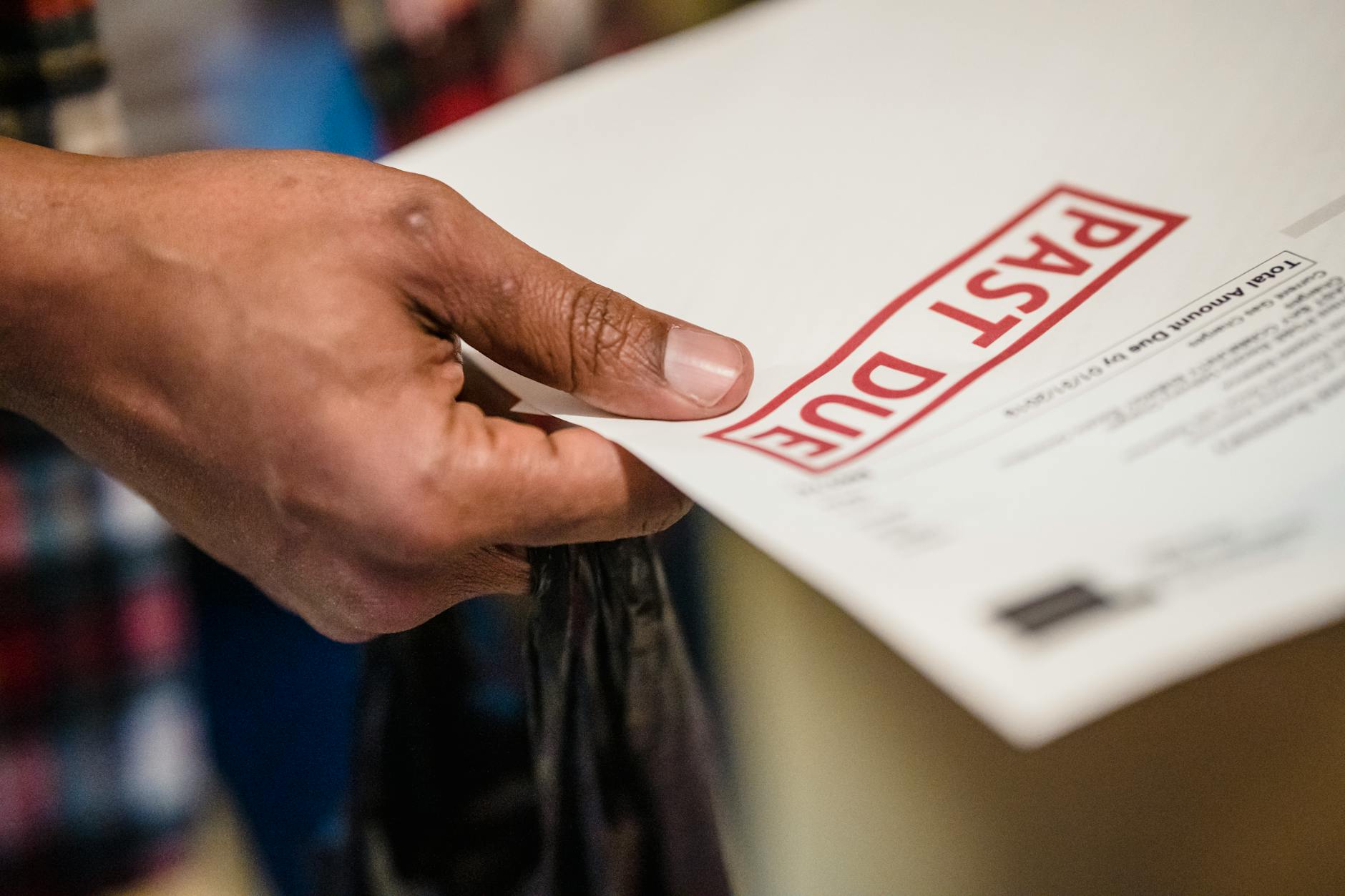
How much cheaper is community college?
Let’s break down the numbers. On average, a year at a public university costs about $20,000, maybe even more if you're out of state. Now, if you're thinking of saving money by starting at a community college, you're looking at closer to $3,000 a year. But wait, have you considered how easily students splurge on things they don't need? For example, many students pay for unnecessary meal plans when they'd save more by cooking at home. Sometimes, students think buying used textbooks saves them money. Wrong. Instead, they should check if the library has a copy or see if they can get it as an e-book for free. The reality? Many students overspend because they react too quickly without exploring cheaper alternatives. Don't fall into the trap of thinking high cost means better value when it comes to education. If you’re not careful, the incidental expenses can snowball, making a supposedly affordable option weigh heavy on your wallet. Most importantly, remember that every dollar saved on tuition or ancillary expenses gets you closer to graduating debt-free. That's a shift in anyone's book.
What mistakes waste college transfer credits?
Mistake number one: Not checking if credits will transfer. Some students dive into courses assuming they transfer to their chosen university later. Then, they find out they wasted time and money on credits that don’t count. Make sure any course you take has transfer agreements with your target college. Next, some students don't apply for scholarships. They assume they won't qualify or just can't be bothered. It's a huge oversight. Even small scholarships add up and can significantly reduce your overall costs. The truth is, some students leave thousands of dollars on the table over sheer neglect or pessimism. Lastly, enrolling in full-time courses when they can’t handle the workload. This results in failed classes, retakes, and more money down the drain. It feels reasonable — "take more now, finish faster" — but if you buckle under the pressure, it's counterproductive. Be realistic about your capabilities. Pushing too hard can cost you dearly, both financially and emotionally.
How UPI Study Fits In
UPI Study solves several of these problems with its flexible, affordable approach. Let's say you're worried about whether you'll keep up with college-level biology. UPI Study offers courses like Introduction to Biology I, allowing you to study at your own pace without pressure. You can take courses for a flat rate, which removes the fear of wasted tuition if you need a bit more time to learn. Plus, the credits transfer easily to over 1,700 colleges, meaning you're not locked into a system where your hard work counts for nothing. That means you can essentially "trial run" college subjects to see where your interests and strengths lie without the financial risk. It’s about reducing stress and focusing on learning effectively. Now you can explore and plan your academic path with realistic insight, not just financial fear.


Things to Check Before You Start
First, verify the transferability of credits. Even if the college lists courses as eligible, talk to an advisor and get confirmation in writing. You’ll be glad you did. Second, research the true cost of living expenses in your college town. Living in certain areas may jack up costs exponentially compared to your budget assumptions. Third, always read reviews or testimonials of online programs like Principles of Management. Don't just take surface claims at face value. Ensure other students have had successful credit transfers. It matters that you know what experiences others have had. Finally, double-check the refund policy for any online course. If your situation changes, you want to know you can get some money back.
See Plans & Pricing
$250 per course or $89/month for unlimited access. No hidden fees.
View Pricing →Frequently Asked Questions
Picking a more affordable university can save you up to $20,000 a year. Private schools often cost more than public ones. In-state tuition typically costs less than out-of-state. Check tuition rates carefully. Also, consider location. Schools in big cities tend to charge more. You might find a great program at a smaller campus with reasonable fees. Don't forget hidden costs like housing and meals—they vary a lot. By choosing wisely, you keep costs manageable before you even start.
Most students don't realize you can earn credits online before setting foot on campus. Online courses can be cheaper than the ones you'll take at a university. They often run at less than half the price. If you transfer those credits, you reduce tuition for the courses they replace. Confirm in advance if the university accepts online credits. Skipping prerequisites saves money. Less time spent at costly campus classes equals more savings.
Most students start their degree hoping to figure it out as they go. Instead, real savings start with a clear path. Know your major first. Map out the courses you need from day one. This clarity prevents taking unnecessary classes. Each extra course adds to your costs. Setting a smart degree plan before admission avoids paying for trial-and-error semesters. Know what transfers in. That way, you don't pay twice for the same content.
Yes, applying early for scholarships can make a big difference. Deadlines sneak up fast, though. Scholarships often have limited funds. Being early gets you ahead of the crowd. Check for opportunities a year before you plan to start. Stay organized with deadlines and paperwork. Some scholarships cover full tuition, while others offer partial reductions. Make sure to match your skills and interests to the scholarship criteria. Remember, a single missed chance is money left on the table.
Jumping into a college program without expense planning burdens you with costs you could avoid. You'll likely spend on things like extra credits you don't need or fancy housing you can't afford. Impulse buys add up quickly. Understand which costs are non-negotiable and which you can cut. Know what's included in tuition. Some things, like meal plans or parking fees, may not be necessary. Tight budgeting from the start saves money before loans pile up.
Many students think studying from home before moving to the USA doesn't impact cost. But it does. Staying home allows you to save on living expenses. You can take online courses that transfer later. Every course completed from home means one less in your tuition bill. Plus, you're saving on room, board, and travel. Overlook this and you miss a budget-friendly strategy. Just ensure your future school accepts these credits for transfer before you commit.
This advice applies to anyone serious about cutting costs. If you aim to complete your degree efficiently, plan it smartly. High tuition fees mean you can't afford unnecessary courses. Even students unsure of their major can benefit by focusing general classes first. However, if you're pursuing a field with little flexibility, like specialized programs, this might not fully apply. You've got to adapt to what's non-negotiable in those cases.
Start by creating a budget. Know how much you and your family can really pay. Research tuition, fees, and living costs at schools you're considering. Compare them. Note any hidden expenses, like lab fees or supplies. List out any scholarships or financial aid available for each option. Mapping all this data reveals which choices hit your wallet hardest. Once you see where your money goes, you make informed decisions to cut costs before you apply.
Final Thoughts
Don't underestimate the power of financial planning before college admission. Students who prepare thoughtfully often end up spending far less. It's practical. Finally, start small. Reducing costs in simple, everyday ways can lead to surprising savings. Remember the numbers. Watch how they add up. Be smart about your choices now, so the burden doesn't carry over after you graduate.
Ready to Earn College Credit?
ACE & NCCRS approved · Self-paced · Transfer to 1,700+ colleges · $250/course or $89/month