
You can spot weak technical writing fast. The page looks busy, but the message feels foggy. A student might write three paragraphs and still leave the reader guessing what to do, what happened, or what the result means. That is not a style problem. That is a writing problem. The ABCs of technical writing give beginners a simple way to fix that mess. A stands for accuracy. B stands for brevity. C stands for clarity. I like this framework because it cuts through the fake rules people throw at new writers, like “sound formal” or “use fancy words.” No. Good technical writing works because it tells the truth, says only what matters, and says it in a way people can use. Before a student learns this, they often write like they are trying to impress a teacher. After they learn it, they start writing like they are trying to help a real person. That shift sounds small. It changes everything.
The ABCs of technical writing mean this: write with accuracy, keep it brief, and make it clear. That sounds simple because it is. The hard part is doing all three at once. Accuracy means your facts, steps, labels, and numbers match reality. Brevity means you leave out fluff, repetition, and long detours. Clarity means a reader can follow the message without decoding your meaning. Those three habits sit at the center of technical writing basics, whether you are writing a lab report, a user guide, or a workplace memo. In a beginner technical writing guide, this is where I would start every time. One detail a lot of articles skip: good technical writing often has a deadline or a use case behind it. A manual does not exist to sound polished. It exists so someone can fix, build, submit, or understand something right now. If you want a technical writing course for beginners that treats the ABCs as real tools, not classroom slogans, UPI Study’s Advanced Technical Writing course gives you a clean place to start.
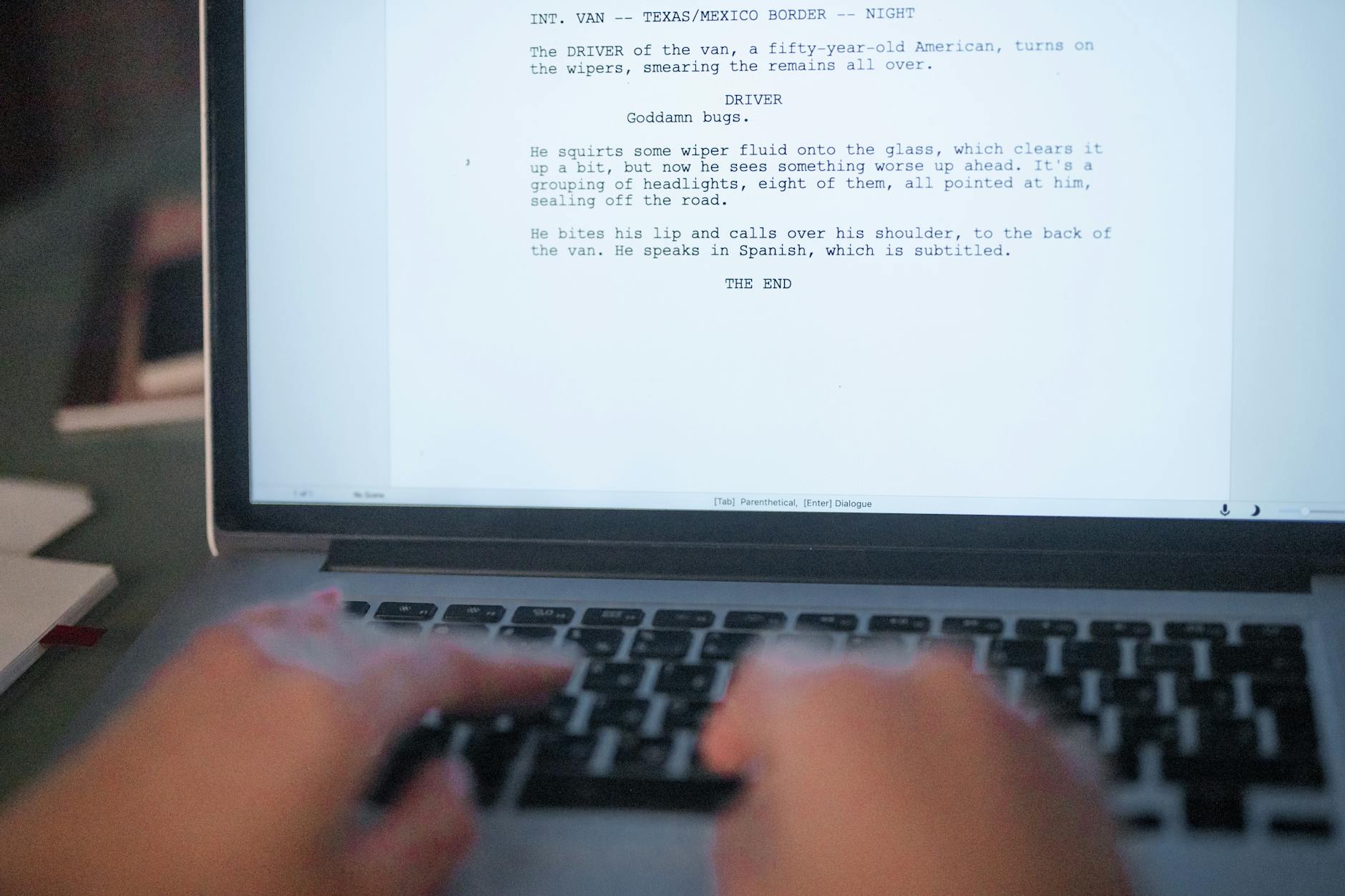
What jobs use technical writing?
This matters if you write lab notes, class projects, help guides, SOPs, or any document where someone needs facts fast. It also matters if you keep getting feedback like “too wordy,” “unclear,” or “this does not say enough.” That feedback usually points to the same issue: you missed one of the ABCs. A student in engineering, health care, computer science, or business can use this framework right away. So can someone writing a cover letter that needs to sound direct instead of stuffed with buzzwords. A creative writing student who wants to write poems? Not the target here. That sounds blunt, but it is true. Technical writing asks for a different job. It does not want your voice to take over the page. It wants the reader to move through the page without friction. If you write fiction, personal essays, or opinion pieces, you still use clear language, but you do not need the same tight control over facts and steps. A student who hates structure may also hate this style at first. Fair. Technical writing can feel dry, and that is the tradeoff. Still, if you need to explain how something works, this framework saves time and cuts mistakes. A technical writing course for beginners at UPI Study can help with that first stretch, especially if you want practice before a job or internship asks for it.
Understanding Technical Writing
Accuracy, brevity, and clarity sound like three neat boxes. Real writing turns them into a balancing act. Accuracy asks, “Is this true?” Brevity asks, “Did you say more than you needed?” Clarity asks, “Will the reader get this on the first pass?” That is the whole machine. Miss one part, and the document starts wobbling. People often get one thing wrong here. They think brevity means short at all costs. Not true. A sentence can be short and still be useless. “Submit the thing soon” uses fewer words than “Upload the completed form by 5 p.m. Friday,” but the second line helps and the first one does not. Accuracy can also make writing longer, because you may need a number, a date, a name, or a condition. That is fine. Brevity never beats truth. I take a hard line on that because vague writing wastes more time than long writing ever will. One policy detail worth knowing: UPI Study’s Advanced Technical Writing course follows ACE and NCCRS approval standards, which US universities use to review non-traditional credit. That matters because beginners often want learning that feels practical and has structure behind it. If you want a course that treats technical writing as a real skill, not a pile of tips, the UPI Study course page gives you that path without the usual maze. The catch is simple. You still have to do the reading and practice the writing. No shortcut replaces that.
90+ College Credit Courses Online
ACE & NCCRS approved. Self-paced. Transfer to partner colleges. $250 per course.
Browse All Courses →How It Works
Here is the before picture. A student gets an assignment to explain how to turn in a class project. They write, “Students should submit their work in a timely manner through the appropriate platform after making sure it is fully complete and formatted correctly.” That sentence sounds polished, but it hides the actual steps. What counts as timely? Which platform? What does complete mean? The reader still has work to do. Now the after picture. The same student writes, “Upload the finished file to Canvas by 11:59 p.m. on Friday. Use the PDF format only.” That version does three things at once. It tells the truth. It cuts waste. It leaves almost no room for guesswork. That is the ABCs of technical writing in action, not as theory but as a working habit. The process usually starts with a rough draft that tries too hard. That is normal. Most beginners pack in extra words because they think more words sound smarter. That instinct hurts technical writing. The better move is to read each line and ask three blunt questions: Is every fact correct? Can I say this in fewer words? Will a stranger understand it fast? If the answer to any of those is no, the line needs work. A technical writing course for beginners can help you build that habit faster than trial and error alone, and UPI Study’s Advanced Technical Writing course gives students a straight path into that practice.
Why does technical writing affect graduation?
Students miss a sneaky part here: writing classes do not stay “just writing classes” for long. They sit inside degree plans, and degree plans run on credits, fees, and time. If you take a technical writing course that does not fit your program cleanly, you can lose a full term slot. That can push graduation back by one semester, and one extra semester can cost $4,000 to $8,000 at a public school, or far more at a private one. That is not pocket change. That is rent money, car money, or the start of a loan payment you did not want. The ABCs of technical writing sound small. They are not small in a student budget. A beginner technical writing guide can save time only if it fits where your school wants it. A course that teaches accuracy, brevity, and clarity can help you move faster through reports, manuals, and lab work, but if it also counts as an elective or major requirement, the money picture gets better fast. If it does not, you may still learn a useful skill and still pay twice for the credit space. That hurts.
Students who plan their credit transfer strategy early save $5,000 to $15,000 on total degree costs, and often cut their graduation timeline by a full semester.
The Complete Technical Writing Course Credit Guide
UPI Study has a full resource page built specifically for technical writing course — covering which courses count, how credits transfer to US and Canadian colleges, and how to get started at $250 per course with no deadlines.
See the Full Technical Writing Course Page →How much does technical writing cost?
A typical college technical writing class often costs regular tuition rates, which can land around $300 to $600 per credit at many public colleges. A three-credit class can run $900 to $1,800 before books and fees. At a private college, that same class can easily cost $3,000 or more. Then books, platform fees, and campus charges tack on more. I think students get sold the skill and ignore the bill. UPI Study changes that math. It offers 90+ college-level courses, all ACE and NCCRS approved, with technical writing among them through Advanced Technical Writing. You can take courses for $250 each or pay $89 a month for unlimited access. That matters because the course runs fully self-paced, with no deadlines. If you move fast, you save time. If you move slowly, you do not get punished for being a human being with work, kids, or two jobs. Credits transfer to partner US and Canadian colleges, which gives the price tag real weight instead of just shiny marketing.
Common Mistakes Students Make
First mistake: a student takes a “writing” class that sounds close enough to technical writing. That seems reasonable because colleges love fuzzy course names, and students trust the catalog too much. Then the class does not build the exact skills their major expects, so the student still needs another course later. Now they paid twice. Second mistake: a student buys a pricey campus class without checking the clock. That feels safe because campus classes look official, and official feels like quality. But if the class locks into a fixed term and the student misses the enrollment window, they may wait a full semester. I think this is one of the dullest ways students lose money, and also one of the most common. Third mistake: a student treats technical writing basics like a nice extra instead of a direct payoff skill. That sounds harmless. It is not. Poor writing slows down lab reports, project docs, internship applications, and even job emails. A weak first draft can cost a student a grade, a tutor session, or a chance at a paid role. That kind of drag spreads fast.
How UPI Study Fits In
UPI Study fits because it gives students a cheaper way to pick up the same kind of college-level credit without the usual time traps. The self-paced setup helps a lot if you already work, commute, or juggle other classes. You do not have to sit around for a term to start. You start when you want. That matters in a beginner technical writing course because writing skill grows by practice, not by waiting. If you want a course that supports the ABCs of technical writing while keeping cost down, Business Communication pairs well with that goal too, because clear writing and workplace writing keep bumping into each other. UPI Study also gives you a clean price choice: pay per course or go monthly if you want more than one class. That setup feels fair. A lot of college pricing does not.


Before You Start
Before you enroll, check whether the course matches your degree plan’s writing requirement, not just your interest. Check the credit count too. Three credits and one credit do not play the same role in a transcript, and students lose money when they assume they do. Look at the course pace. If you need fast progress, a self-paced setup can help a lot. Then check the school side of the equation. If you want a broader business track, Project Management can show you how technical writing works inside real work docs, schedules, and team reports. That connection matters because technical writing basics mean more when they sit next to real tasks. Also check the total price against what your college charges for the same credit. A lower sticker price means more when the credit actually counts, and UPI Study credits are accepted at cooperating universities worldwide.
See Plans & Pricing
$250 per course or $89/month for unlimited access. No hidden fees.
View Pricing →Frequently Asked Questions
If you miss the ABCs of technical writing, your reader gets lost fast. You might write a lab note, a help guide, or a product spec that sounds fine to you but leaves the reader guessing. The ABCs mean accuracy, brevity, and clarity writing. Accuracy means you give the right facts, numbers, and steps. Brevity means you cut extra words. Clarity means you say things in a plain order that makes sense on the first read. A beginner technical writing guide usually starts here because these three habits show up in every document, from a 2-page memo to a 40-page manual. You also see them in email, policy docs, and training sheets. UPI Study's Advanced Technical Writing course gives you a clean place to practice these technical writing basics with real examples and feedback.
Accuracy, brevity, and clarity writing means you give the reader the right facts in the fewest words that still stay easy to follow. The caveat is that you can't trade one for another too hard. If you make a sentence shorter but drop a step, you hurt the reader. If you make it clear but add 3 extra lines, you slow the reader down. In a user guide, accuracy means the button names match the screen exactly. Brevity means you don't repeat the same step twice. Clarity means you use simple verbs like click, enter, and save. You see this in a 5-step setup guide, a safety note, or a report summary. A technical writing course for beginners helps you practice all 3 without making you guess what good looks like.
What surprises most students is that good technical writing sounds plain, not fancy. You don't need long words or smart-sounding lines. You need the reader to finish a page and know what to do next. In the ABCs of technical writing, clarity often beats style, and that shocks people who think writing should sound polished first. A 1-sentence warning can do more work than a 5-line paragraph if it uses the right words. Accuracy matters because one wrong number can wreck a recipe, a measurement, or a setup step. Brevity matters because readers skip blocks of text. The beginner technical writing guide side of this is simple: use short verbs, clean labels, and direct steps. UPI Study's Advanced Technical Writing course gives you practice with real documents, not just theory.
You should learn the ABCs if you write instructions, reports, emails, help docs, or school work that other people must use. You don't need this framework if you only write for yourself and nobody else has to act on what you wrote. That line matters. Technical writing basics help you remove confusion when a reader has 30 seconds, not 30 minutes. A lab tech, office assistant, customer support rep, and college student all use the same core habits: accuracy, brevity, and clarity. You can apply them to a 3-step checklist or a 12-page manual. A technical writing course for beginners works well here because it starts with small, usable tasks. UPI Study's Advanced Technical Writing course fits students who want a clear, affordable start and a real path into practical writing work.
The most common wrong assumption is that technical writing means writing like a machine. That's off. You still write for people. You just write with tighter words and cleaner structure. Many students also think accuracy means stuffing in every detail, but that creates clutter. A better move is to give the exact fact the reader needs right now. For example, if a process has 8 steps, you don't hide step 4 inside a long paragraph. You label it. Brevity cuts noise. Clarity keeps the order obvious. This ABCs of technical writing approach shows up in manuals, checklists, and training pages. You can use it in a 200-word memo or a 2,000-word guide. UPI Study's Advanced Technical Writing course gives you guided practice that feels close to real work, not classroom fluff.
Most students write first and edit later. They type out everything they know, then hope the reader sorts it out. What actually works is slower at the start and faster in the end. You decide the reader's goal first, then you write only what helps that goal. In technical writing basics, that means you check facts, cut extra words, and put steps in the right order before you polish anything. A 6-step process note can beat a 2-page ramble. Short sentences help. So do headings, lists, and exact terms. The ABCs of technical writing give you a simple filter for every draft. UPI Study's Advanced Technical Writing course helps you build that habit with practice on real formats, so you can move from guesswork to clean, usable writing on day one.
Final Thoughts
The ABCs of technical writing sound simple because they are simple on paper. A, B, C. Accuracy. Brevity. Clarity. But students who treat those words like a side note usually pay more, wait longer, and rewrite more than they planned. That is the ugly little truth. Good writing saves money because it saves time, and time sits right next to tuition on the bill. If you want the skill without the usual campus price jump, look at a course that gives you credit and room to move. One course. One clear next step. That is how a small writing class turns into a real degree move.
Ready to Earn College Credit?
ACE & NCCRS approved · Self-paced · Transfer to colleges · $250/course or $89/month