
Many students ask this the week they start planning next term: is calc 2 or 3 easier? I get why. One bad math class can shove your whole schedule back a semester, and that can mean a later graduation date, more tuition, and one more round of stress you did not ask for. My blunt take: Calc 2 usually feels harder for more students. Calc 3 can look scarier because it adds three-dimensional stuff, but many students do better once they get past the new setup. Calc 2 hits you with long integral tricks, weird series tests, and a lot of pattern memory. That mix can feel brutal. If you want a cleaner path, start by thinking about what kind of math gives you trouble. If you freeze on algebra and lots of steps, Calc 2 may be the rougher class. If you like visual ideas but hate messy symbolic work, Calc 3 may feel more manageable. That said, the class names fool people. Calc 3 sounds like “the next one,” but it is not always the harder one. A lot of first-gen students make the smart move and take a prep option first, like this Calc 2 course, so they do not gamble with a class that can slow down the whole degree plan.
Calc 2 is usually harder for more students. That is the short answer. Calc 2 vs calc 3 difficulty depends on your strengths, but if you ask around campus, more people complain about Calc 2 exams, not Calc 3. Calc 2 or calculus 3 harder? For most people, Calc 2 wins that ugly contest. Why? Because Calc 2 piles on integration methods, improper integrals, sequences and series, and a lot of memorized tests. Calc 3 shifts into vectors, partial derivatives, and multiple integrals. That still hurts. But the work often feels more organized. People skip this part: if you fail Calc 2, you usually delay Calc 3, and that can push back graduation by a full term or even a full year if your major chains math into upper-level classes. If you pass Calc 2 cleanly, you keep your schedule moving. That is not small. That is rent money, aid timing, and a less crowded path to the finish line.
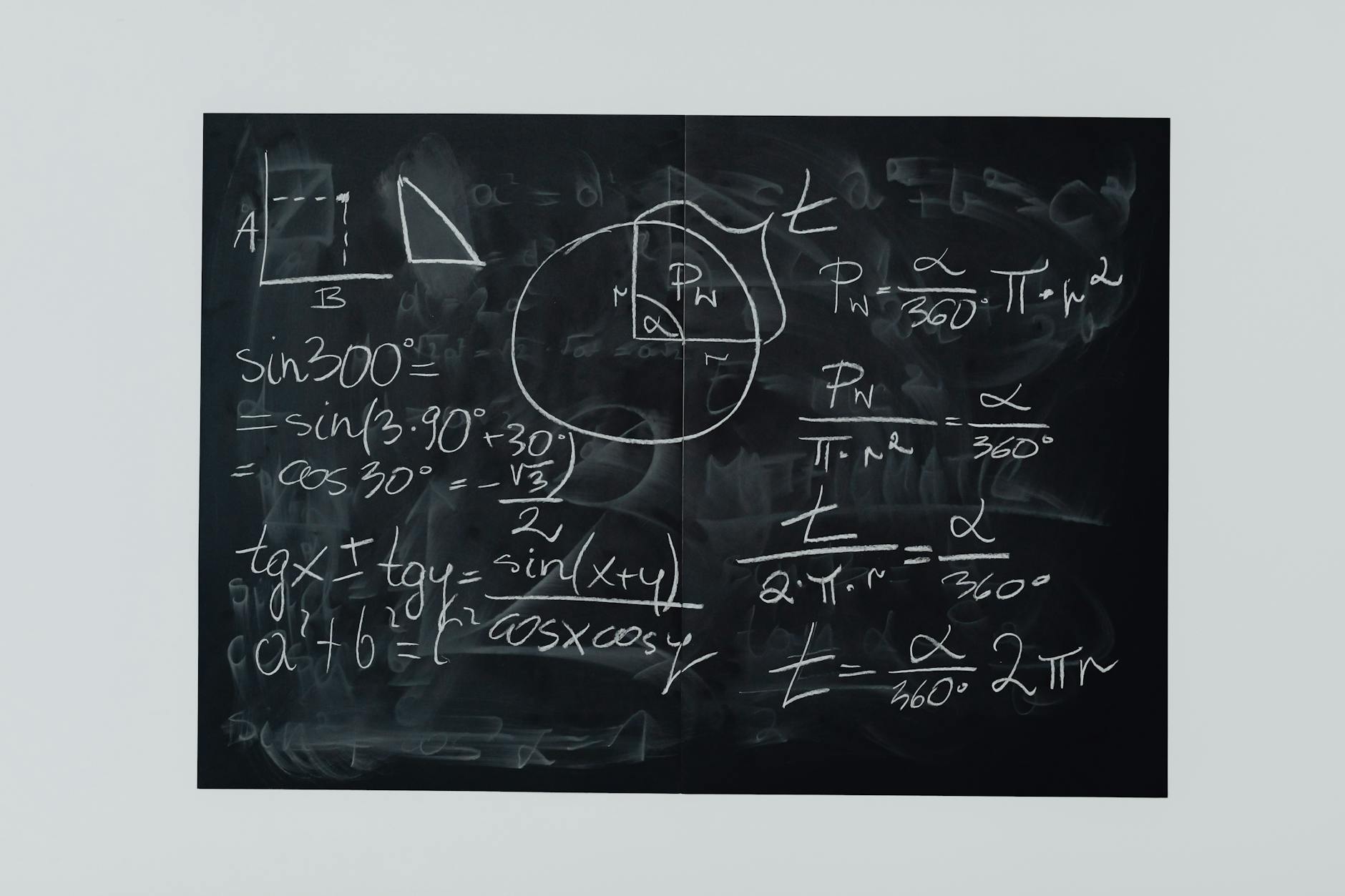
Which calc class fits your major?
This question matters most if your major uses both classes back to back. Engineering students, physics majors, math majors, and some econ and data science students live inside this problem. If Calc 3 sits behind Calc 2 in your plan, the order matters more than pride. A bad term in Calc 2 can block later classes, and then your whole graduation date slides. It also matters if you already know one kind of math gives you trouble. If you do fine with ideas but struggle with long hand work, Calc 2 may hit you harder. If you hate visualizing space and like clean formulas, Calc 3 may feel less awful. That does not mean easy. It means less painful. Big difference. A student who just needs one extra math credit for a gen-ed slot should not overthink this. Now the blunt part. If you are already stretched thin with work hours, family care, or a heavy science load, do not treat Calc 2 like a casual class. I see students do that and then act surprised when one failed midterm turns into a delayed graduation. That delay can cost you a summer job start, a transfer deadline, or a spot in the next upper-level course block. On the other hand, if you have strong algebra habits and you like stepping through formulas carefully, you may handle Calc 2 better than the rumor mill says.
Understanding Calc Course Difficulty
Calc 2 is mostly about integration, series, and techniques that make your head spin if you rush. You spend a lot of time on integration by parts, trig integrals, partial fractions, improper integrals, and convergence tests. Students often think “integral calculus” means more of the same from Calc 1. Not even close. Calc 2 turns into a test of memory, timing, and pattern spotting. Calc 3, or multivariable calculus, moves into vectors, functions of more than one variable, partial derivatives, double and triple integrals, and sometimes vector fields. The ideas feel more geometric. Some students breathe easier there because the class tells a clearer story. Others hate it because 3D graphs and coordinate shifts feel strange at first. One thing people get wrong: they assume Calc 3 always means harder math because it sounds more advanced. Nope. The content can feel less chaotic than Calc 2, even if the notation looks fancier. A decent number of students say Calc 3 feels like “new ideas, but fewer tricks,” while Calc 2 feels like “a thousand tricks and half of them look the same.” I agree with that take. Policy-wise, most universities place these classes in a chain, so one failure can block the next required math class and move graduation later. A summer retake can fix that, but only if you catch the problem early. If you wait until the last minute, your schedule gets squeezed and you end up choosing between progress and burnout. That is a bad trade.
90+ College Credit Courses Online
ACE & NCCRS approved. Self-paced. Transfer to partner colleges. $250 per course.
Browse All Courses →Which calc course should you pass?
First, look at your degree map. Not your friend’s. Not the catalog in some vague way. Your actual plan. If Calc 2 comes before Calc 3, then the question is not just “which is easier?” The real question is “which one can I pass on time without wrecking next term?” That matters because one missed prerequisite can push a whole chain of classes back a semester. For students on aid, that can change everything fast. If you were counting on a full-time load to keep scholarships clean, a delay can leave you in a mess. I hate how often schools act like that is no big deal. Second, compare the failure pattern, not just the vibe. Calc 2 tends to have a higher fail rate at many schools because the class mixes many small skills and punishes weak algebra fast. One missing step can blow up a whole problem. Calc 3 still fails people, especially when students never learned Calc 2 well, but the hardest part often comes from sloppy setup rather than endless algebra tricks. That is why the smartest comparison is not “Which class sounds worse?” It is “Which class lines up with how I actually work under pressure?” Third, think about what carries over. Some skills move straight from Calc 2 to Calc 3. Algebra fluency matters. So does clean notation. So does knowing how to set up an integral without panicking. If you learn Calc 2 well, Calc 3 gets easier because you stop fighting the basics and start handling new ideas. But if you fake your way through Calc 2, Calc 3 will expose it fast. That can cost you another semester, because upper-level courses often wait on both classes. If you pass Calc 2 early, you keep the door open. If you do not, you wait.
Why does calc difficulty affect graduation?
Students miss this part all the time. They think calc 2 vs calc 3 difficulty only affects one class grade, but it can change when you reach physics, engineering, stats, and upper-division math. Miss one required math class now, and you can push back a whole semester of classes later. That can mean an extra $3,000 to $8,000 in tuition, fees, and living costs if your school charges around $500 to $1,200 per credit and you lose a full term. That number stings because it comes from waiting, not from failing a huge load of classes. One delayed class can wreck a whole plan. I’ve seen first-gen students treat this like a small choice, then get hit with a messy schedule two semesters later. If your major needs multivariable vs integral calculus in a set order, the “harder” class is not just about stress. It changes your graduation date. That feels unfair because the school sells each course like it lives in its own little box. It does not. A bad fit here can mean you take a lighter load later, which can add another semester and another housing bill. UPI Study offers a cleaner route for students who need speed and control, since you can take self-paced ACE and NCCRS approved courses without deadlines, and that matters when your schedule already looks like a busted puzzle.
Students who plan their credit transfer strategy early save $5,000 to $15,000 on total degree costs, and often cut their graduation timeline by a full semester.
The Complete Calculus 2 Credit Guide
UPI Study has a full resource page built specifically for calculus 2 — covering which courses count, how credits transfer to US and Canadian colleges, and how to get started at $250 per course with no deadlines.
See the Full Calculus 2 Page →Does Calc 2 or 3 cost more?
At a public college, Calc 2 or Calc 3 usually costs the same per credit, but the real cost comes from time and repeats. If you pay $350 per credit at a state school, a 4-credit math class costs about $1,400 before books and fees. At a private school, that same class can run $1,800 to $3,500 or more. Then add tutoring, a dropped class, or a summer course. A student who repeats one math class can spend $2,000 to $6,000 fast, and that does not even count the lost month or two. My blunt take: the class fee is never the whole price. The schedule pain costs more than the tuition line does. That is why comparing calc courses matters before you sign up, not after you bomb the first quiz. Some students spend less by taking a self-paced option like Calculus 2 through UPI Study, where courses cost $250 each or $89 a month for unlimited access. That beats paying full campus rates if you already know you need flexibility. UPI Study also offers 90+ college-level courses, and credits transfer to partner US and Canadian colleges, so the money goes toward progress instead of parking yourself in a long semester that drags.
Common Mistakes Students Make
Mistake one: a student picks Calc 3 because it sounds more advanced, even though Calc 2 would fit the degree path better. That choice seems smart because “higher number means farther ahead,” and people love that idea. Then the student spends extra time on vector stuff, misses the class their major actually wanted first, and has to wait another term to move on. I hate this kind of mistake because it comes from ego, not need. Mistake two: a student stays in a bad class too long because they already paid tuition. That feels reasonable. Nobody likes tossing money away. But sunk cost thinking can burn a whole semester, and then the student pays again for a repeat or a summer fix. A $1,400 class turns into a $2,800 problem in a hurry. Mistake three: a student assumes all outside math credit works the same way. It sounds fine on paper, especially with online courses. Then they pick a random option with no clear course match and lose time sorting it out. A better move looks more boring: use an approved course path, like Calculus 2, and match it to the class your degree plan wants. That choice does not feel flashy. It saves cash, which beats flashy every time.
How UPI Study Fits In
UPI Study makes sense for students who need control, speed, and a lower price tag. That matters a lot in calc 2 vs calc 3 difficulty talks, because many students do not need more pressure. They need a clean way to finish the math, move on, and keep their degree plan from sliding. With fully self-paced courses, no deadlines, and ACE and NCCRS approved credit, you can work around job shifts, family stuff, or a brutal semester. That setup helps a lot when you are comparing calc courses and trying not to lose a whole term to one class. I like that UPI Study keeps the structure simple. No campus drama. No fixed lecture times. No waiting around for the next term to start.


Which factors matter before taking Calc?
Check four things before you enroll. First, match the course number to your degree plan, because calculus 2 or calculus 3 harder does not matter if your major needs one exact class. Second, look at the pacing you can really handle, since a self-paced class only helps if you will actually finish it. Third, compare the full price against your school’s per-credit cost, not just the sticker price. Fourth, think about your next class too, because prereqs can lock your whole year into place. If your plan calls for another math step after this one, the wrong choice gets expensive fast. For students who need a solid baseline before moving on, Calculus I can also help you build the foundation without dragging a whole semester behind you. That sounds boring. It is not. Boring saves money.
See Plans & Pricing
$250 per course or $89/month for unlimited access. No hidden fees.
View Pricing →Frequently Asked Questions
Final Thoughts
So, is calc 2 or 3 easier? For most students, Calc 2 feels rougher because the ideas stack up fast and the tests hit hard. Calc 3 can feel cleaner once you get the new setup, but that depends on how you handle 3D thinking and vector work. The real question is not which class has the scarier name. It is which one fits your brain, your major, and your timeline. If you pick the wrong one, you can lose a semester and about $3,000 or more. Start with your degree plan, your weak spots, and your calendar. Then pick the class that keeps you moving.
Ready to Earn College Credit?
ACE & NCCRS approved · Self-paced · Transfer to colleges · $250/course or $89/month