
Many students hit Calculus 2 and feel like the class changed the rules overnight. One week they are doing derivatives and basic integrals. Then suddenly they see weird integrals, infinite sums, polar graphs, and equations that look like someone shook a math book. That jump is real. Calc 2 is the class where math stops being a set of tricks and starts acting like a system. That can feel messy, but it also makes the class more useful. If Calculus 1 taught you how to read motion and slopes, Calculus 2 teaches you how to handle harder areas, harder growth patterns, and shapes that do not sit on a normal x-y graph. If you want a straight path to engineering, physics, chemistry, data work, or some health fields, this class matters more than people like to admit. You will also see why so many students search for Calculus 2 course info before they sign up. The class has a reputation, and honestly, that reputation is not random.
Calculus 2 covers advanced integration, sequences and series, polar coordinates, and parametric equations. That is the short answer to what is calculus 2 about. The class builds on Calculus 1 in a big way. Calc 1 gives you derivatives and the basics of integration. Calc 2 takes that base and pushes it further. You learn more ways to find integrals when the simple method fails. You also study how lists of numbers behave over time, which leads into sequences and series. Then you move into polar coordinates and parametric equations, which change how you describe curves. A lot of schools treat Calc 2 as a make-or-break class for STEM majors. In many programs, students need this course before they can move into differential equations, physics, engineering classes, or upper-level math. If you want a clean calculus 2 overview, that is the big picture. One detail many posts skip: some colleges build Calc 2 around a five-credit course load, so the pace can feel heavy even before the hardest units start.
Who needs Calc 2 for STEM majors?
This class fits students in STEM majors, people planning on engineering, physics, computer science, math, chemistry, and some tech-heavy health paths. It also fits students who need a strong math base for later classes. If your degree plan says you need more than one semester of calculus, this is not optional busywork. It opens the next set of classes. It does not fit everyone, and I wish more people said that plainly. If you are only taking it because someone told you to “just get through it,” and your program never asks for more math after this, you may be spending a lot of time on content that will not help you much later. That does not make the class pointless. It just means the payoff looks different. Some students need the credit for transfer or degree rules, and some do not. If you hate algebra and still have trouble solving basic equations without a calculator, Calc 2 will feel rough. Very rough. Still, if you want to understand what you learn in calc 2 before you start, that matters. Students often walk in thinking the class is only “harder Calc 1.” That view misses the point. The course asks you to think in new ways, not just do the same thing faster. If you look at a calc 2 curriculum early, you can see where your weak spots sit before they turn into a midterm disaster.
What integration techniques does Calc 2 teach?
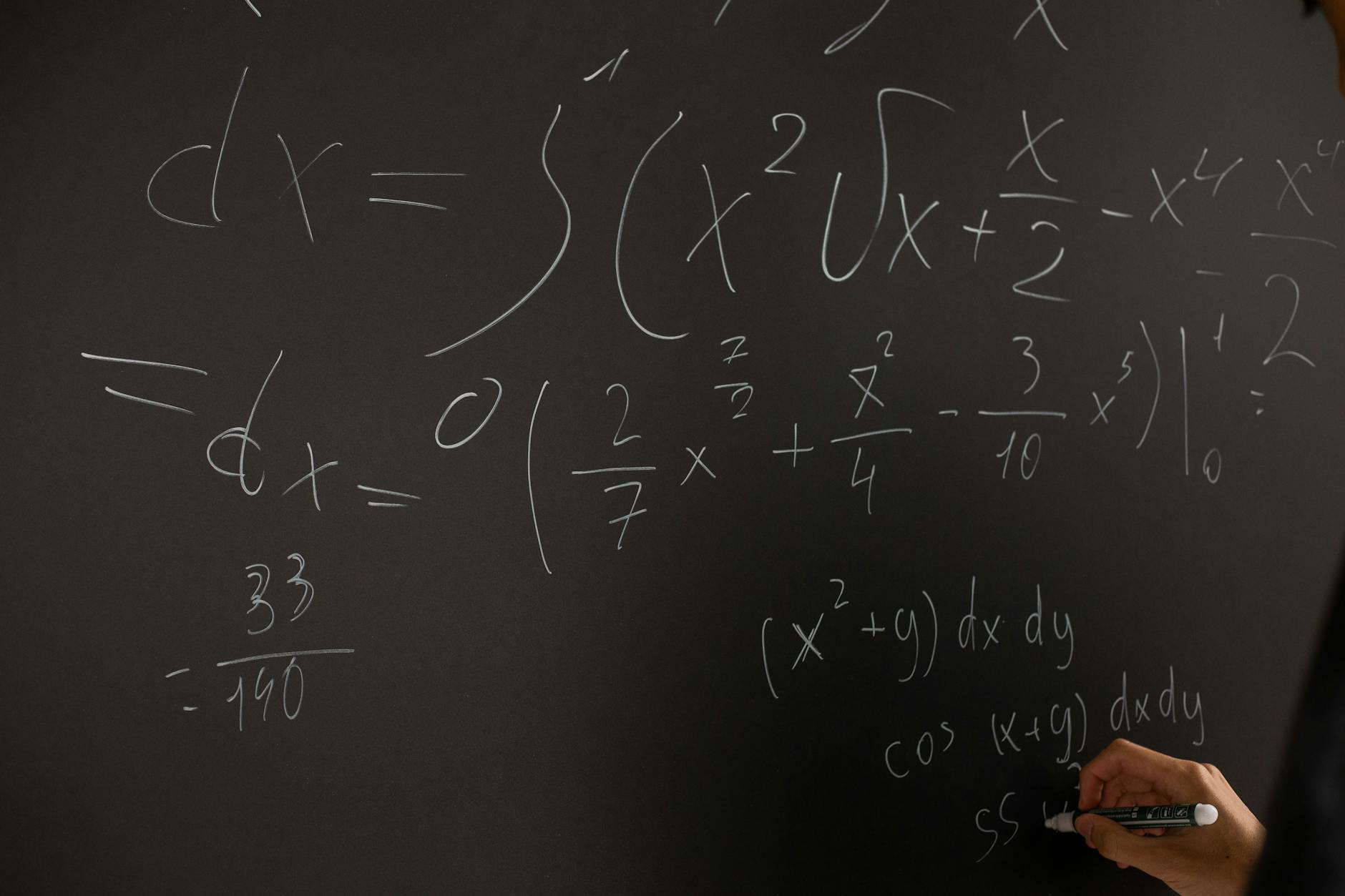
Calculus 2 starts with integration techniques. That means you learn methods like substitution, integration by parts, partial fractions, trig integrals, and sometimes trig substitution. These are the tools you use when a basic antiderivative does not show up nicely. A lot of students hate this unit because it feels like memorizing a toolbox. Fair. It does take work. But this is also where you stop treating integration like one move and start seeing it as a family of moves. A common mistake is thinking Calc 2 only repeats Calc 1 with harder numbers. Not even close. The class changes the whole picture. You also study sequences and series, where you look at patterns that keep going and ask whether they settle down or blow up. That leads to infinite series, convergence tests, power series, and Taylor series. Those ideas matter a lot in science and engineering because they let you model complicated stuff with math that stays manageable. You also get polar coordinates and parametric equations. Polar coordinates describe points with angle and distance instead of x and y. Parametric equations describe motion or curves with a separate variable, often time. That sounds weird at first, and it is. But it gives you a way to study shapes and paths that do not fit clean Cartesian graphs. UPI Study’s Calculus 2 page lays out these areas in a way that helps students see the full course, not just one scary chapter.
90+ College Credit Courses Online
ACE & NCCRS approved. Self-paced. Transfer to partner colleges. $250 per course.
Browse All Courses →How It Works
Before Calc 2 makes sense, a student often feels stuck in fragments. They remember a formula here, a rule there, and nothing sticks together. They can solve a basic derivative problem, maybe handle a simple integral, and then the course throws a new method at them and the whole thing starts feeling fake. That student usually studies by rereading notes and hoping the next quiz looks familiar. That is a bad plan. It leads to panic, not progress. After Calc 2 starts making sense, the same student sees structure. They know why one integration method works better than another. They can tell when a series test matters and when it does not. They stop asking, “What trick do I use?” and start asking, “What does this problem want?” That shift sounds small. It is not. It changes how you study, how you practice, and how you survive tests. First step: learn the method, then do enough problems that your brain stops treating every question like a fresh disaster. That is the real work. People mess this up by trying to memorize examples without understanding the pattern, and that falls apart fast when the test changes one detail. Good work looks boring from the outside. You solve many problems, check your steps, and notice where you keep making the same mistake. You also stop pretending the class will reward last-minute cramming. It will not. For STEM students, this matters because later classes assume you already know how to handle these ideas. Physics uses calculus in motion and force problems. Engineering uses it in design and systems. Math courses use it as a base for even harder material. If you want a practical starting point, the UPI Study Calculus 2 course gives you a clean way to see the course shape before you get buried in homework.
Why does Calc 2 delay degree progress?
Many students treat calc 2 like “just another math class.” That mindset costs time. Sometimes it costs real money. If your major needs calc 2 before you can take physics, engineering methods, stats theory, or upper-level math, one slow semester can push your whole plan back. That delay can hit hard. A single missed prerequisite can add a full term, and a full term can mean another few thousand dollars in tuition, housing, books, and fees. I have seen students lose an entire summer plan because they waited too long to clear one class. That stings. One semester can snowball into six months fast. The calc 2 curriculum also matters because schools use it as a filter. Not because they love making life hard, but because the class shows whether you can handle long problem sets, tricky integration methods, and weird-looking series problems without panicking. If you want to know what is calculus 2 about in a real degree sense, the answer is simple: it sits right in the path to the classes that pay off your major. Skip it, fail it, or delay it, and the rest of your plan starts to wobble. That is why strong calculus 2 topics matter more than people admit.
Students who plan their credit transfer strategy early save $5,000 to $15,000 on total degree costs, and often cut their graduation timeline by a full semester.
The Complete Calculus 2 Credit Guide
UPI Study has a full resource page built specifically for calculus 2 — covering which courses count, how credits transfer to US and Canadian colleges, and how to get started at $250 per course with no deadlines.
See the Full Calculus 2 Page →How much does Calc 2 usually cost?
The price tag usually has two parts. First, you pay tuition. At a public college, one three-credit math class can run anywhere from about $300 to $1,200 in tuition alone, depending on your state and school. At a private school, the same class can land much higher. Then come the extras. A lab fee, a homework platform fee, and a textbook bundle can tack on another $100 to $250. That is before retakes. If you fail and repeat the class, you pay again. Brutal, but true. Calc 2 gets expensive because it drags other costs behind it. Compare that with a lower-cost self-paced option. UPI Study offers Calculus 2 for $250 per course or $89 per month for unlimited classes. That price changes the whole math. If you move fast, one course can cost less than a campus textbook package. If you need more than one class, the monthly plan can save even more. UPI Study also gives you 90+ college-level courses, all ACE and NCCRS approved, with credits that transfer to partner US and Canadian colleges. That matters when you want a cheaper path without the usual clock pressure.
Common Mistakes Students Make
Mistake one: a student signs up for calc 2 because it “sounds like the next step,” without checking the full math path first. That seems sensible. After all, calc 1 led into calc 2, so why not keep going? The problem shows up later when the major wants a different course order, and the student ends up with a class that does not help as much as planned. I think this is the most common waste. People rush, and schools cash the check. Mistake two: a student buys the most expensive textbook and extra study tools on day one. That seems smart because calc 2 looks hard, and scary classes make people hoard resources. Then they barely use half of it. A $180 book and $60 code can pile on fast, especially if the course already includes online work. The cost feels small at the start and ugly by week three. Mistake three: a student retakes the same class format after failing it once. That feels reasonable because they assume they just need “more time.” But if the problem came from pace, bad scheduling, or weak test prep, the same setup often gives the same result. I hate seeing this one. It burns money and confidence at the same time.
How UPI Study Fits In
UPI Study fits well for students who want a cleaner, lower-stress way to handle the calc 2 curriculum. You get self-paced work, no deadlines, and a clear price instead of surprise fees that keep growing. That helps if your schedule already feels jammed or if you need to move faster than a campus term allows. It also helps if you want a second shot without paying a full semester’s price again. If you want a direct look, start here: UPI Study Calculus 2. The setup makes sense for students who want to move at their own speed and keep the cost under control. UPI Study also offers 90+ college-level courses, and all of them carry ACE and NCCRS approval. That is not fluff. That is the part that gives the credit path real weight.


What should you check before Calc 2?
Before you enroll, check four things. First, look at the exact Calculus I background expected for the class, since calc 2 assumes you already know the earlier material cold. Second, make sure you know how the course handles exams, homework, and retakes. Third, confirm whether you want the $250 single-course option or the $89 monthly unlimited plan, because one works better for one class and the other works better if you plan to take more. Fourth, look at how soon you need the credit in your degree plan. Timing changes the choice. I like this kind of planning because it saves people from expensive guesswork. A lot of students spend first and think later. That order hurts.
See Plans & Pricing
$250 per course or $89/month for unlimited access. No hidden fees.
View Pricing →Frequently Asked Questions
Start with the Calc 2 syllabus and look for integration first. You’ll spend a big chunk of time on integration techniques like substitution, integration by parts, trig integrals, partial fractions, and improper integrals. Then you move into sequences and series, where you learn how to test whether a list of numbers keeps going toward a limit or blows up. You also get polar coordinates and parametric equations, which let you describe curves in new ways instead of just using x and y. In a calculus 2 overview, this class builds on Calc 1’s derivatives and basic integrals, but it pushes you into harder problems and longer methods. STEM majors use these calculus 2 topics all the time in physics, engineering, and data work. It’s a class with lots of practice and a fast pace.
This applies to you if you're taking math for a STEM major, and it doesn't really fit if you only need one basic math class for a nontechnical degree. You learn how to solve harder integrals, like ones that need u-substitution, parts, or partial fractions. You also work with infinite series, Taylor polynomials, and power series, which are a big part of what you learn in calc 2. A lot of students hit polar graphs and parametric curves for the first time here. You'll also see area, volume, arc length, and sometimes surface area problems. These calculus 2 topics matter because engineers, physicists, chemists, and computer science students use them later in class and in lab work. The calc 2 curriculum asks you to think carefully, not just plug in formulas.
What surprises most students is how much Calc 2 feels like Calc 1 after it grew up fast. You still use limits, derivatives, and integrals, but now you apply them in longer chains of steps. In Calc 1, you might find a simple area under a curve. In Calc 2, you might split one integral into pieces, change variables, and use algebra tricks just to make it work. That’s a big part of what calculus 2 is about. You also start asking new questions, like whether a series adds up to a finite number or how a curve acts when x and y depend on a third variable. The calculus 2 overview gets deeper in every unit, and the calc 2 curriculum rewards students who keep their notes neat and practice a lot.
If you get Calc 2 wrong, the mistake usually shows up fast in later STEM classes. You might miss how to set up a physics problem, or you might use the wrong integration method and lose most of the points on an exam. That gets rough when your grade depends on 8 to 12 major homework sets and three or four tests. A lot of students get tripped up by sequences and series because they guess instead of checking the right test. Others mix up polar coordinates with regular graphs and draw the wrong shape. What you learn in calc 2 matters because it shows up again in differential equations, engineering math, and multivariable calculus. One weak spot can spread if you don't fix it early. The calc 2 curriculum moves fast, so small gaps grow.
Most students cram the night before and hope formulas stick. That usually falls apart. What actually works is doing short practice every day, even 20 to 30 minutes, and mixing problem types instead of repeating the same one. You should work on integration techniques, then switch to sequences, then come back to polar equations. That helps your brain learn the calc 2 topics as a group, not as random facts. You’ll also need to write every step clearly, because Calc 2 grading often gives partial credit for setup even when the final number looks off. If you’re asking what calculus 2 is about, the honest answer is that it rewards steady work more than raw speed. The calculus 2 overview gets much easier when you make a mistake log and fix the same error twice.
The most common wrong assumption students have is that Calc 2 is just Calc 1 with bigger numbers. It’s not. You still use old ideas, but the class changes in shape and pressure. You move from basic derivatives and area problems into harder integration methods, infinite series, polar coordinates, and parametric equations. That means you need patience with algebra, not just memorized steps. A student who asks what you learn in calc 2 often expects one formula for each problem. Real life doesn’t work that way. STEM degrees care about this class because it trains you to break a hard problem into pieces and keep track of details. The calc 2 curriculum can feel messy at first, and then one day the patterns start showing up again in a weirdly clear way.
Final Thoughts
So, what is calculus 2 about? It is about more than integration tricks and series tests. It is the class that tells your school, and sometimes your major, whether you can handle the math that comes next. That makes it a gate, not just a course. If you plan well, you can keep the cost down and avoid a lot of stress. If you do not, one class can turn into a delay, a retake, and a bill you did not want. Start with the numbers. One course. One term. One clear next step.
Ready to Earn College Credit?
ACE & NCCRS approved · Self-paced · Transfer to colleges · $250/course or $89/month