
Three things drive the real answer here: lab skills, problem solving, and the kind of job market you want to walk into. A chemistry degree does not trap you in one lane. It opens several, and some pay much better than students expect. That surprises people because they picture only a lab coat and a beaker. That picture feels small. If you want the honest version of what you can do with a chemistry degree, look at the jobs that hire fast and train on the job: lab analyst, quality control chemist, environmental chemist, manufacturing chemist, and pharmaceutical technician or scientist. Those are five jobs with a chemistry degree that show up again and again in real hiring. A student who plans ahead can move into chemistry courses that match transfer goals and build a cleaner path into those roles. A student who winged it often ends up with random classes, weak lab prep, and no clear next step. That hurts. It wastes time and money. You do not need a perfect GPA to start. You do need the right mix of courses, lab work, and follow-through.
A chemistry degree can lead to careers with chemistry in health, pharma, food, environmental testing, materials, and manufacturing. The five jobs I would point most students toward first are lab analyst, quality control chemist, environmental chemist, forensic chemist, and formulation chemist. Those jobs pay different amounts, but they all reward people who can measure carefully, write clean notes, and spot problems before they grow. That part matters more than most students think. The short answer on pay: In the U.S., entry-level roles often start around $45,000 to $60,000, while stronger mid-level chemistry graduate careers can reach $70,000 to $100,000 or more, depending on the field and city. Pharma and industry usually pay better than school labs. Federal jobs can pay well too, but they move slower. A lot of articles skip that split, and that leaves students guessing. Students who do the right course plan usually get into a better-paying lane faster, especially if they line up their chemistry with a transfer-friendly path like UPI Study chemistry courses. Students who skip that planning often end up with credits that do not fit their major map. That is a nasty surprise.
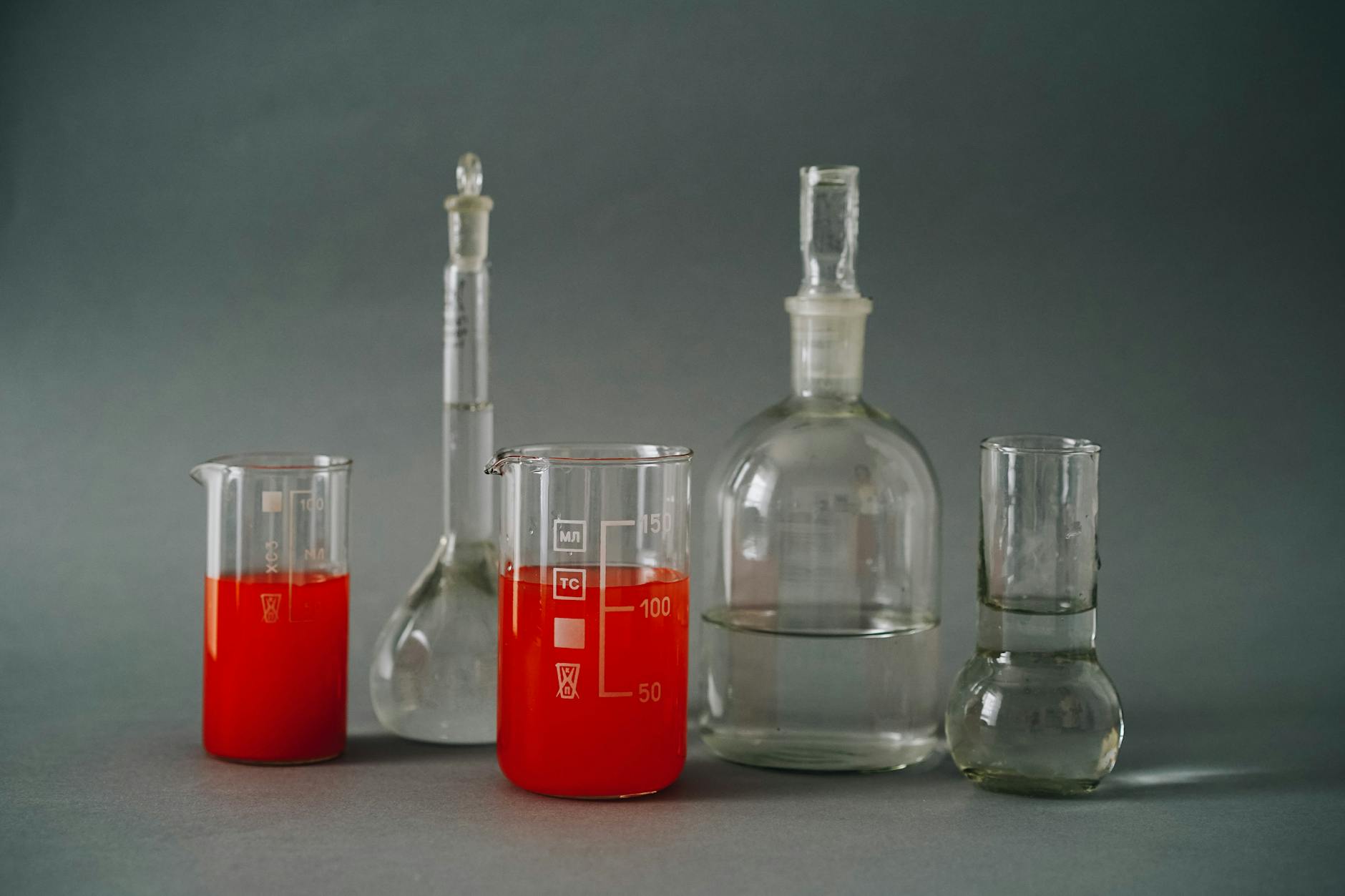
Which chemistry jobs fit your goals?
This fits you if you like science but do not want to teach, if you want a steady job after graduation, or if you want to know what are 5 jobs you can get with chemistry without getting a pile of fluff. It also fits students at community college, transfer students, and people who already work in a lab and want a better title. If you care about the money side, this helps too, because chemistry job options differ a lot by industry. A hospital lab, a cosmetics company, and a refinery do not pay the same way and do not ask for the same daily work. It does not fit a student who hates math, hates lab rules, and wants a job with almost no detail work. That student will hate chemistry. Plain and simple. This also does not fit someone who wants instant money with no school. Chemistry graduate careers usually need at least a bachelor’s degree, and some paths want a master’s or more training. If you want a fast trade path, this is the wrong lane. I mean that in a good way, because picking the wrong lane wastes years. A student who skips the planning part often takes random science classes, then finds out too late that the transfer school wants a specific lab sequence. A student who starts with the right chemistry track and uses a clear path like UPI Study chemistry options keeps the door open and stays on time.
What chemistry jobs actually involve daily?
The real mechanics are simple. Chemistry jobs reward people who can test samples, read instruments, keep records, and talk to engineers, doctors, or managers without making a mess of the facts. That is the part students miss. They think the job means sitting at a bench doing cool reactions all day. Sometimes, yes. A lot of the time, no. You spend plenty of time checking data, repeating tests, cleaning up mistakes, and writing reports that other people can trust. Boring? Sometimes. Important? Absolutely. One policy detail most students skip over: many lab jobs, especially in pharma and food testing, care a lot about good lab practice and training records. A bachelor’s in chemistry can get you in the door, but the employer often wants coursework in general chemistry, organic chemistry, analytical chemistry, and lab work with real instruments. Miss that sequence, and you can still graduate, but you may not qualify for the jobs you wanted. That is where students get burned. They assume “chemistry degree” means every chemistry job. It does not. A smart student plans backward from the job. They pick courses that fit the role, then build skills that employers actually use. That is the difference between a clean transfer and a messy one.
90+ College Credit Courses Online
ACE & NCCRS approved. Self-paced. Transfer to partner colleges. $250 per course.
Browse All Courses →How do chemistry classes affect graduation?
Picture two students. One starts with no plan. He takes a few science classes, skips the lab-heavy ones because the schedule looks hard, and assumes he can figure out the rest later. Then transfer time hits, and the next school says he still needs organic chemistry, analytical chemistry, and a proper lab sequence. Now he is stuck adding extra semesters, and his graduation date slides. That student can still get there, but he pays for the delay with time, stress, and extra tuition. The other student starts with the job in mind. She looks at chemistry job options first, then picks classes that fit the path. She finishes general chemistry, organic chemistry, and lab work in the right order. She also keeps an eye on transfer fit and uses a source like UPI Study chemistry courses to keep the credits aligned with her goal. That student walks into interviews with a story that makes sense. Employers like that. They can tell she did not stumble into the major. She chose it on purpose. One step matters most: match your courses to the job you want before you pile up credits. That sounds basic, but most students do the opposite. They take whatever fits the semester and hope it all works out later. Bad plan. A better plan starts with the five jobs with a chemistry degree that actually hire, then builds from there. The student who skips this ends up with a degree and no clear lane. The student who does it right ends up with options, better pay, and a cleaner move into chemistry graduate careers.
How much can chemistry classes save?
People miss the same thing over and over: one chemistry class can save them more than one semester’s worth of wasted time. If a school counts a class as 3 credits and charges, say, $500 to $900 for that class, then a cheap outside option can save real money fast. But the bigger hit often shows up in the calendar, not the bill. A student who loses one semester can push back graduation by 4 to 6 months, and that can mean another rent payment, another meal plan, another car payment, and another half-year before they start a job in one of those careers with chemistry. That delay hurts more than people expect. The part students hate to hear: the “cheap now, expensive later” move almost always costs more. I’ve seen students spend a little less up front, then pay for it with a missed term, a repeated class, or an extra summer just to stay on track. That is a lousy trade. If you are looking at chemistry job options or chemistry graduate careers, every month you stay stuck in school has a price tag.
Students who plan their credit transfer strategy early save $5,000 to $15,000 on total degree costs, and often cut their graduation timeline by a full semester.
The Complete Chem Credit Guide
UPI Study has a full resource page built specifically for chem — covering which courses count, how credits transfer to US and Canadian colleges, and how to get started at $250 per course with no deadlines.
See the Full Chem Page →How much does chemistry course cost?
A standard community college class might run around $100 to $300 per credit, so a 3-credit course lands around $300 to $900 before fees. At a public four-year school, that same class can land closer to $900 to $1,800 when you count tuition and campus fees. Private schools can run much higher. That is why students asking what can you do with a chemistry degree should also ask what they can spend without blowing up their plan. UPI Study gives you a very different number. You can take a course for $250, or pay $89 a month for unlimited self-paced classes, and all of it comes with ACE and NCCRS approval. No deadlines. No fixed term. That matters if you want to move fast without paying campus prices. If you want a direct look, start here: chemistry courses at UPI Study.
What mistakes do chemistry students make?
First mistake: students take the class at the wrong school because it looks familiar. That feels safe, especially if a friend went there or the website looks polished. Then the class lands on the wrong side of the transfer rules, and the student pays full price for credits that do not fit the degree plan. I think this is the most annoying mistake because it looks responsible on the surface and messy in real life. A student trying to build 5 jobs with chemistry degree options should not burn money on a class that misses the mark. Second mistake: students wait until the last minute. That feels normal because college students do that all the time. They think they can fix the plan later. Then registration closes, the needed class fills, or the school only offers it once a year. Now they pay for a rushed option, or they lose a term. That kind of delay hits chemistry graduate careers especially hard, since some programs want a clean schedule with no gaps. Third mistake: students pick a class based on the title instead of the content. “Chemistry” sounds simple, but schools care about lab hours, credit count, and course level. A student sees the right word and assumes the job is done. Then the transfer office says the class does not match the requirement. That is painful and honestly avoidable.
How UPI Study Fits In
UPI Study fits well for students who want control. You get 90+ college-level courses, all ACE and NCCRS approved, and you work at your own pace with no deadlines hanging over you. That matters for students balancing work, family, or a full course load. It also helps when you need chemistry-related classes without the usual campus drag. A lot of students use it to cut cost and cut waiting time at the same time. That is the real win. You can take a class for $250 or go unlimited for $89 a month, then move those credits into partner US and Canadian colleges. If you want to see the chemistry option, use this: Chemistry I.


Which chemistry course details should you check?
Before you spend a dollar, check four things. First, match the course title and credit amount to the exact requirement you need for your degree plan. Second, look at whether you need a lab or just lecture credit, because that tiny detail can wreck a transfer plan. Third, check how many credits you need for the specific job path you want, since 5 jobs with chemistry degree options do not all ask for the same background. Fourth, think about timing. If you need the credit this term, a self-paced class can help more than a class with a fixed start date. If you also want a backup plan for broader career moves, pair chemistry with something practical like Project Management. That kind of mix makes sense for students who want more than one lane after graduation.
See Plans & Pricing
$250 per course or $89/month for unlimited access. No hidden fees.
View Pricing →Frequently Asked Questions
$55,000 to $120,000 a year shows up a lot in chemistry graduate careers, depending on the job. You can work as an analytical chemist, quality control analyst, environmental chemist, lab technician, or pharmaceutical scientist. In analytical chemistry, you test samples for purity and exact makeup. In quality control, you check batches in food, drugs, or cosmetics. Environmental chemists test water, soil, and air. Lab techs run routine tests and keep instruments ready. Pharmaceutical scientists help make and test medicines. Most of these careers with chemistry ask for a bachelor’s degree, but drug research and higher-level lab work often want a master’s or PhD. You’ll spend part of your day at a bench, part on data, and part writing reports. The work gets very concrete fast.
Most students think they need a PhD for every one of the 5 jobs with chemistry degree. That’s not true. What actually works for many chemistry job options is a strong bachelor’s degree, good lab skills, and one or two internships. You can get hired as a lab technician, quality control analyst, or environmental testing assistant with a BS. A typical day might mean mixing samples, running GC or HPLC machines, and logging results into a lab system. Pay often starts around $45,000 to $70,000. If you want pharmaceutical research or advanced process work, a master’s can help a lot. You should pick your classes with care. Organic chemistry, analytical chemistry, and instrumental methods matter more than random electives.
If you pick the wrong path, you can waste years on classes that don’t fit the job you want. That’s a real problem in careers with chemistry. For example, if you want pharma work but skip analytical chemistry, you’ll struggle with sample testing and instrument readings. If you want environmental work but ignore biology and earth science, you’ll feel behind in water and soil testing. Salaries can also differ a lot. Lab techs may start near $40,000, while pharmaceutical scientists can move past $100,000 with experience. Day to day, you might spend hours at a bench, then write reports or review data. You need the right degree level too. Some jobs take a bachelor’s, while others want a master’s, and a few need a PhD.
Start with one class audit of your plan. That means you look at the degree path, the lab courses, and the jobs tied to them. You can do that before you pick your next semester classes. For what can you do with a chemistry degree, the first step is matching your goals to the right chemistry job options. If you want quality control, you should take analytical chemistry and statistics. If you want environmental work, add ecology or geology. If you want drug work, organic chemistry and biochemistry matter a lot. Many students begin with a bachelor’s degree, then add an internship or co-op. A lab internship can lead to real work fast. You’ll also want to learn Excel, report writing, and basic instrument use.
Yes, you can get a good job with a chemistry degree. That’s true for a lot of chemistry graduate careers. The catch is that you need the right fit between your classes and the job. A quality control analyst might spend the day testing tablets, checking pH, and recording data, while an environmental chemist might test river water and write compliance reports. Salaries often land between $50,000 and $90,000, and pharma roles can go higher. A bachelor’s degree opens many doors, but research and senior lab roles often want a master’s or PhD. You’ll stand out if you know how to use lab tools and explain results in plain words. Employers notice that fast.
The thing that surprises most students is how much writing and data work shows up in careers with chemistry. You won’t spend every hour doing flashy experiments. In many chemistry job options, you’ll write reports, enter results, compare numbers, and explain what the data means. That matters as much as the lab work. You might work as an analytical chemist, environmental chemist, or pharmaceutical scientist. A day can include weighing samples, calibrating an instrument, then fixing a problem in the data set. Pay can range from about $55,000 for entry roles to well over $100,000 in advanced pharma work. Most jobs want a bachelor’s degree, but some employers prefer a master’s for research-heavy roles. You’ll need clean notes and sharp attention to detail.
Final Thoughts
Chemistry opens more doors than most students think, but the money side can get ugly if you guess instead of plan. The smartest students treat credits like a budget item, not a side note. They want the class, the transfer, and the timeline to line up. If you want a clean next step, look at the exact course you need, compare the price, and decide fast. That one move can save you hundreds of dollars and months of waiting.
Ready to Earn College Credit?
ACE & NCCRS approved · Self-paced · Transfer to colleges · $250/course or $89/month