
3 p.m. on a Thursday, and a chemistry major is staring at a job board with that same tired look I used to see in transfer students who waited too long to plan. They know they like labs. They know they can handle hard classes. What they do not know is which chemistry degree jobs line up with their plan, and that gap costs people real money. My blunt take? Chemistry gives you more paths than most students think, but only if you stop treating the degree like one giant blob. The student who plans early can move into pharmaceuticals, research, teaching, environmental work, food testing, or forensics. The student who drifts often ends up taking the first lab job that shows up, even if it pays less and uses only half their training. If you want a clean place to start, the chemistry courses at UPI Study chemistry give you a smart base for the kind of careers in chemistry that employers actually hire for. That matters because chemistry is not a “figure it out later” major. It rewards students who stack the right classes on purpose.
You can get jobs in pharmaceuticals, lab research, teaching, environmental science, food science, and forensics with chemistry. Those are the big ones. And yes, the pay can be solid. Entry-level lab tech roles often land around $40,000 to $55,000 a year, while chemists with a bachelor’s degree often see $60,000 to $85,000. Some specialized pharma and federal roles go higher. A bachelor’s degree opens the door to many jobs for chemistry majors, but it does not open every door. Research chemist roles, advanced pharma work, and college teaching often want a master’s or PhD. Forensics can be picky too. A lot of crime lab jobs ask for chemistry plus a few extra classes in biology, criminalistics, or statistics. That detail gets skipped in a lot of blogs, and it matters. Short version. Chemistry degree jobs split into “lab work now” and “specialized work later.” If you want the second group, you need a plan early, not after graduation.
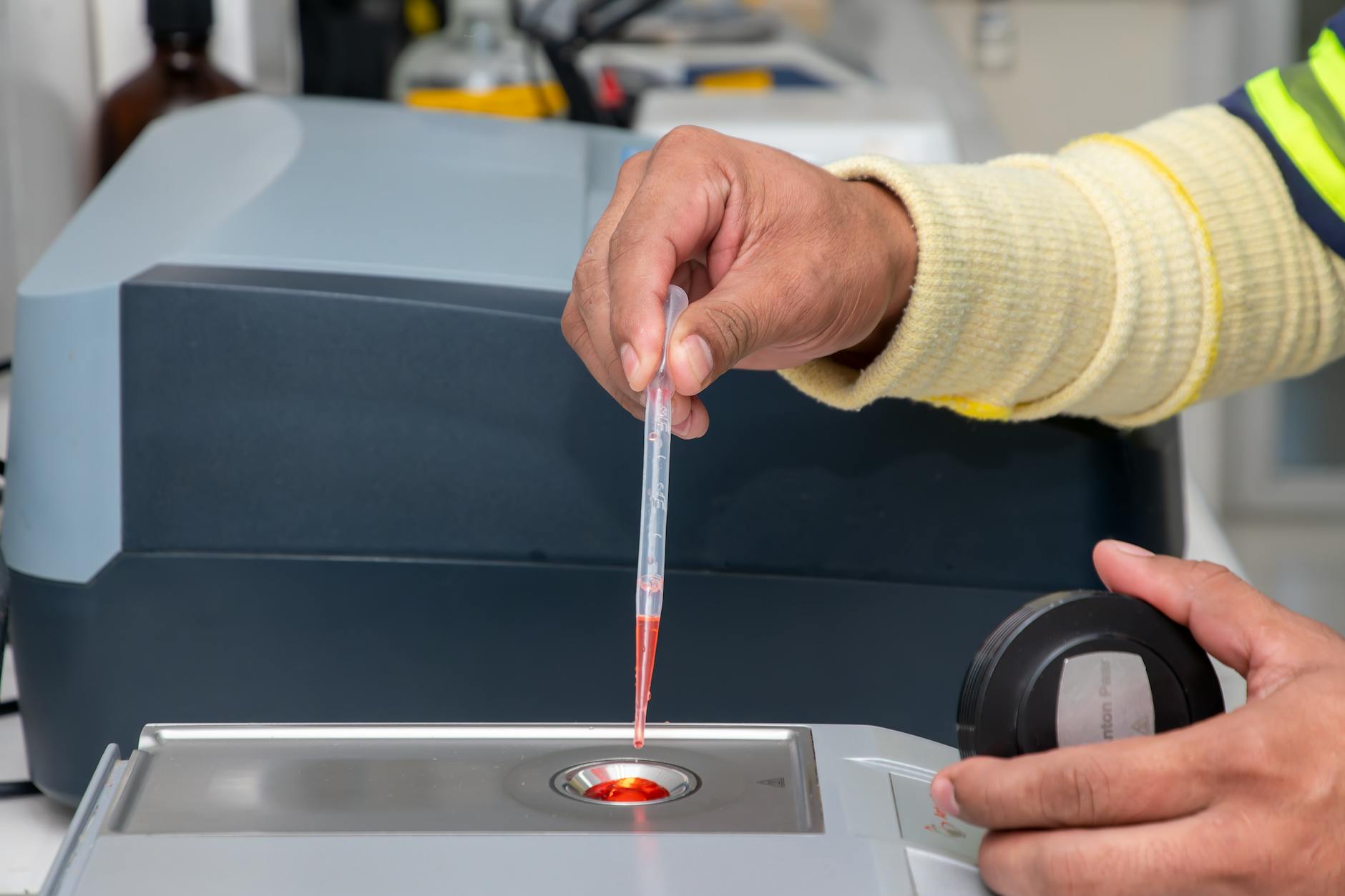
What chemistry careers fit science-minded students?
This guide fits students who like science but want a real paycheck, grads who feel stuck in one narrow lab track, and parents trying to understand what careers in chemistry actually look like outside school. It also fits people who already know they do not want med school, because chemistry gives them a different route into stable work without spending a decade in training. It does not fit someone who hates math, hates labs, and wants a job with almost no technical work. That person should not fake interest here. Chemistry careers ask for careful thinking, clean records, and a lot of patience. If you want pure sales, pure design, or pure business, chemistry will feel like a long slog. I say that plainly because too many students get sold on the idea that “science” means “lots of options,” then they wake up three years in and hate the lab bench. This also matters for the student who skips planning and just takes random classes. I have seen that movie. It ends with a degree that looks fine on paper but misses a few hiring boxes, so the graduate gets filtered out before a human even reads the name.
Which chemistry careers match your degree?
The chemistry career options split into a few clear lanes, and the degree level changes what you can do in each one. Pharmaceuticals hires chemists for quality control, formulation, analytical testing, and process work. A bachelor’s degree can get you in the door, and pay often starts around $55,000 to $75,000. A master’s can push you into better analysis or development work, and that can move pay toward $80,000 or more. Research labs work the same way in a lot of places. Bachelor’s grads often support a team. PhD holders often lead the work. Education looks different. High school teaching usually wants a chemistry degree plus a teaching license. College teaching usually asks for a master’s at a minimum, and many schools want a PhD for full-time faculty work. Pay stays all over the map. High school teachers often land around $50,000 to $75,000 depending on the district, while college roles can vary a lot by school and rank. Food science and environmental science pull in chemistry majors too. Food companies need testers for safety, shelf life, and product quality. Environmental labs need people who can test water, soil, and air. Those roles often start around $45,000 to $70,000. Forensics sits in its own box. Crime labs want sharp lab skills, clean documentation, and a steady head. Pay often runs from about $50,000 to $80,000, and some agencies want extra coursework in biology or criminal justice. UPI Study chemistry courses can help students build the academic base these jobs expect, and that is the part people love to ignore until hiring season hits hard.
90+ College Credit Courses Online
ACE & NCCRS approved. Self-paced. Transfer to partner colleges. $250 per course.
Browse All Courses →What chemistry classes do employers want?
A chemistry degree does not work like a magic badge. You do not hand it to an employer and get any lab job you want. Employers care about the exact class mix, the level of the degree, and the kind of work you can prove you know. A student who takes organic chemistry, analytical chemistry, and instrumental lab work usually looks much stronger for pharma or forensic roles than someone who only scraped by with the minimum. One regulation detail gets ignored a lot: many accredited chemistry programs in the U.S. follow ACS-style standards, and schools use that framework to judge how deep your lab training goes. That means labs matter more than people think. A 3-credit lecture does not carry the same weight as a course with real bench work, and hiring managers know that. I have seen graduates with decent grades lose out because they had no serious lab hours on their transcript. That is why the smart student plans backward from the job. Want pharma? Build analytical and organic strength. Want environmental work? Add environmental chemistry and instrumentation. Want forensics? Add biology and evidence-handling classes if the school offers them. Want teaching? Mix chemistry with education licensure early. The careless student waits until senior year and then tries to patch holes. That usually feels expensive, rushed, and annoying.
How do chemistry courses affect careers?
A student who skips planning often does the most common thing in the world: they chase grades, not jobs. They take the classes that fit the schedule, not the classes that fit a career path. Then graduation hits, and they start asking what jobs can you get with chemistry as if the answer will fix itself. It does not. They apply for pharma jobs without the right instrumentation courses. They try for forensic work without the extra science credits the lab wants. They look fine on paper, but the paper has gaps, and those gaps matter. A student who does it right starts with the job, not the diploma. First, they pick one or two target fields. Then they build the class list around those fields. Then they look for internships, lab assistant work, or research slots that match the same lane. That student may still start in an entry-level role, and yes, the pay may feel modest at first. But they move with a plan, and that shows in interviews. Employers like candidates who can explain why they chose certain courses and how those courses fit real work. That sounds small. It is not. The same thing happens with pay. The unplanned student often lands near the low end because they apply late and accept the first offer. The planned student has more options and a better shot at the stronger salary band. A lot of careers in chemistry reward that kind of boring discipline. That is the part people miss when they chase the title instead of the path.
Students who plan their credit transfer strategy early save $5,000 to $15,000 on total degree costs, and often cut their graduation timeline by a full semester.
The Complete Chem Credit Guide
UPI Study has a full resource page built specifically for chem — covering which courses count, how credits transfer to US and Canadian colleges, and how to get started at $250 per course with no deadlines.
See the Full Chem Page →How much do chemistry classes cost?
A standard college chemistry course can run anywhere from about $600 at a community college to $2,500 or more at a four-year school, and that is before books, lab fees, and the parking nightmare nobody mentions. UPI Study sits in a much cleaner spot: $250 per course or $89 a month for unlimited classes, all self-paced, no deadlines. That difference hits hard. Two chemistry classes at a university can cost more than ten UPI Study courses. I am not exaggerating. That is just how ugly college pricing gets. A cheaper route does not mean a weaker route. It means you stop paying full freight for every credit hour. Some students think they save money by taking one class at a time at a campus school, but they often stretch a one-semester need into a full year of payments. That is the trap. A faster path usually costs less in the long run, and that is a rare thing in higher ed. UPI Study also offers 90+ college-level courses, all ACE and NCCRS approved, and credits transfer to partner US and Canadian colleges, so you can build around your goals without locking yourself into one school’s clock.
What mistakes hurt chemistry degree planning?
Mistake one: a student takes a chemistry class that looks good for a science interest but does not fit the exact degree plan. That seems reasonable because chemistry sounds like chemistry. Then the school treats it like a random elective, and the student still has to take the “real” requirement later. I hate this one because it feels harmless right up until the tuition bill lands. Mistake two: a student waits for a campus section that only runs once a year. That sounds patient and responsible. Then graduation gets pushed back because the class fills, gets canceled, or conflicts with work. A four-month delay sounds small until you realize it can mean another housing payment, another semester fee, and another round of books. That delay has teeth. Mistake three: a student ignores the transfer rules and assumes every chemistry course will count the same way. That feels normal because the course titles all sound close enough. Then the school accepts the credit but not in the place the student needs, so the degree still stalls. That is why I always say chemistry career options and degree planning sit in the same room, whether students want them to or not. Honestly, this is where people waste the most money.
How UPI Study Fits In
UPI Study works well for students who want chemistry degree jobs without getting tangled in a school calendar. You get a fully self-paced setup, so you can move fast or slow based on your life, not a registrar’s deadline grid. That matters if you work, care for family, or just want to keep a steady pace without the usual college drag. The courses are ACE and NCCRS approved, which is the standard schools use when they review non-traditional credits, and that gives students a cleaner path than guessing with random online classes. If you want to see the chemistry side directly, Chemistry I gives you a straightforward place to start. The best part is simple. You do not have to wait for a term start to keep moving. That alone helps a lot of people finish requirements without the usual mess.


Which chemistry course details should you check?
Before you spend a dollar, check four things. First, see whether the chemistry course matches the level your degree plan wants, since lower-division and upper-division credits do not play the same role. Second, confirm the course fills the right slot, like lab science, elective, or major prep, because the title alone does not tell the whole story. Third, look at timing and pacing so you know whether you can finish before your next school deadline. Fourth, compare the cost against a campus option and count the hidden stuff like lab fees, textbook charges, and the cost of dragging the class into another term. If you want a useful comparison point outside chemistry, Environmental Science shows how a science course can fit a broader degree path. A lot of students skip this part and just buy the cheapest thing. That move can backfire fast.
See Plans & Pricing
$250 per course or $89/month for unlimited access. No hidden fees.
View Pricing →Frequently Asked Questions
A strong chemistry degree can lead to $45,000 to $120,000 jobs, and some lab-heavy roles pay more once you've got experience. You can work in pharmaceuticals as a quality control analyst, process chemist, or formulation scientist. You can also move into research, teaching, environmental testing, food safety, or forensic lab work. If you want what jobs can you get with chemistry in the real world, think about chemistry career options that match your degree level. A bachelor's degree fits many jobs for chemistry majors. A master's helps with higher lab work and some research paths. A PhD helps if you want to lead research or teach at a university. Short answer: you have a lot of chemistry degree jobs to pick from.
This applies to you if you want careers in chemistry with a bachelor's, master's, or PhD and you like lab work, data, or technical problem-solving. It doesn't fit you well if you want a job that stays far from science, math, or careful recordkeeping. A lot of jobs for chemistry majors need you to handle instruments, write reports, and follow strict safety rules. You can still branch out into sales, patent work, or regulation later, but those paths still lean on your science background. Pay often starts near $50,000 in entry-level lab roles and can move past $90,000 with experience, especially in pharma or industry. Some chemistry degree jobs also ask for internships or co-op work.
Most students chase the same few chemistry career options, like lab technician jobs or med school, and they ignore the wider field. What actually works is matching your degree level to the job you want, then stacking one or two skills on top. If you want pharma, learn HPLC, GMP rules, and data software. If you want environmental science, get good at sampling, QA/QC, and reporting. If you want forensics, build a clean lab record and sharp documentation habits. You can start in roles that pay $42,000 to $65,000, then move up fast if you can run instruments without hand-holding. That path opens more careers in chemistry than just the obvious ones.
Start with the job posting. Read ten of them. Then circle the skills that keep showing up. That's the fastest way to answer what jobs can you get with chemistry in your area. You should look for words like HPLC, GC-MS, microbiology, QC, GLP, and sample prep. Those show you where employers spend money. If you want jobs for chemistry majors, build your classes and internship search around those tools. A bachelor's degree gets you into many entry roles, but some pharma and research jobs want a master's. Salary ranges often sit around $50,000 to $70,000 for new grads, with room to grow when you can run methods on your own.
The most common wrong assumption is that chemistry degree jobs only mean sitting in a white coat and mixing liquids all day. That misses a lot. You can work in pharmaceuticals, environmental labs, food testing, education, and forensics, and each one uses a different part of your training. A food scientist might earn $55,000 to $85,000. A forensic chemist might start closer to $50,000 and move up with state or federal experience. A university lab instructor or high school chemistry teacher follows a different path and often needs a teaching license. If you're mapping careers in chemistry, don't lock yourself into one image from class.
If you get this wrong, you can waste years chasing the wrong degree level or the wrong lab. That hurts. You might end up overqualified for entry work or underqualified for the job you want, and both can slow your search. A lot of students miss out on chemistry career options because they don't build the right skill set early. If you want pharma research, you may need a master's or PhD. If you want environmental or food testing, a bachelor's plus internships can be enough. Miss that match, and you'll see lower pay, fewer interviews, and a lot of jobs for chemistry majors slipping past you at $45,000 to $60,000 starting ranges.
What surprises most students is how many jobs in chemistry sit outside a traditional lab. You can work in patent law support, technical sales, regulatory affairs, product testing, or science writing, and your chemistry background still gives you an edge. Even inside labs, the work can look very different. A pharmaceutical analyst may spend the day checking purity. An environmental chemist may test water from rivers. A food scientist may study shelf life and contamination. Pay can run from about $48,000 for entry roles to $100,000 or more in senior industry jobs. If you want chemistry career options that pay well, don't ignore roles where you explain science to people who don't have your degree.
Yes, you can get solid jobs with just a chemistry bachelor's degree, especially in quality control, analytical testing, environmental labs, and food science. The catch is that some chemistry degree jobs ask for hands-on skills more than extra school. That's where you can stand out. If you know how to use HPLC, GC, titration tools, and basic lab software, you'll look stronger than someone with only class grades. Entry pay often lands around $45,000 to $65,000, and experienced analysts can move into the $70,000s or higher. In education, you'll usually need extra teaching credentials. In research and some pharma roles, a master's or PhD helps a lot, but a bachelor's still opens real careers in chemistry.
Final Thoughts
So, what jobs can you get with chemistry? A lot more than people first think, from lab work to manufacturing to research support to health and environmental roles. The real trick is not just picking a job. It is picking the credit path that gets you there without wasting a semester and another chunk of tuition. That is where chemistry career options and degree planning meet in the real world, not on a pretty college website. If you want a faster, cleaner way to build toward those jobs, UPI Study gives you 90+ ACE and NCCRS approved courses, $250 per course or $89 a month unlimited, and no deadlines. That is a concrete way to keep moving.
Ready to Earn College Credit?
ACE & NCCRS approved · Self-paced · Transfer to colleges · $250/course or $89/month