
Ask ten chemistry majors what's the hardest chem class, and you will get ten fast answers, then a lot of side-eye. My take? Organic chemistry gets the loudest blame, but it does not always wear the crown. In a biology track, organic can feel like a brick wall. In physical chemistry, the math hits harder. In quantum chemistry, the weirdness alone can shake people up before the homework even starts. That matters because students do not fail chemistry for the same reason. Some freeze on memorization. Some can handle facts but choke on equations. Some do fine in lab and fall apart on exams. If you are looking at chemistry courses and trying to sort out the hard ones, you need the real ranking, not the polite version. The blunt truth: the most difficult chemistry class depends on your degree path. A pre-med student often calls organic chemistry the hardest chemistry course because it blocks the next step. A chemistry major may hate physical chemistry more because it mixes calculus, physics, and abstract ideas in one ugly package. That difference matters. A lot.
Organic chemistry is usually the first class students call the hardest chemistry course, but physical chemistry often beats it for pure difficulty, and quantum chemistry can feel the strangest of the three. If you mean “hardest chemistry class” in the broad, college sense, I would put them in this order for most students: physical chemistry, organic chemistry, then quantum chemistry for the people who reach it. That order changes by major. Fast. A student in nursing might never see any of these in full force. A pre-med student may hit organic as the gatekeeper class. A chemistry major at a research school can run into p-chem with a full load of math, lab reports, and bad sleep. That mix changes the pain level more than people admit. One detail most articles skip: many schools split physical chemistry into two courses, and the second one often gets worse because it leans harder on quantum ideas. So when students ask what's the hardest chem class, they often mean the first brutal class they cannot fake their way through.
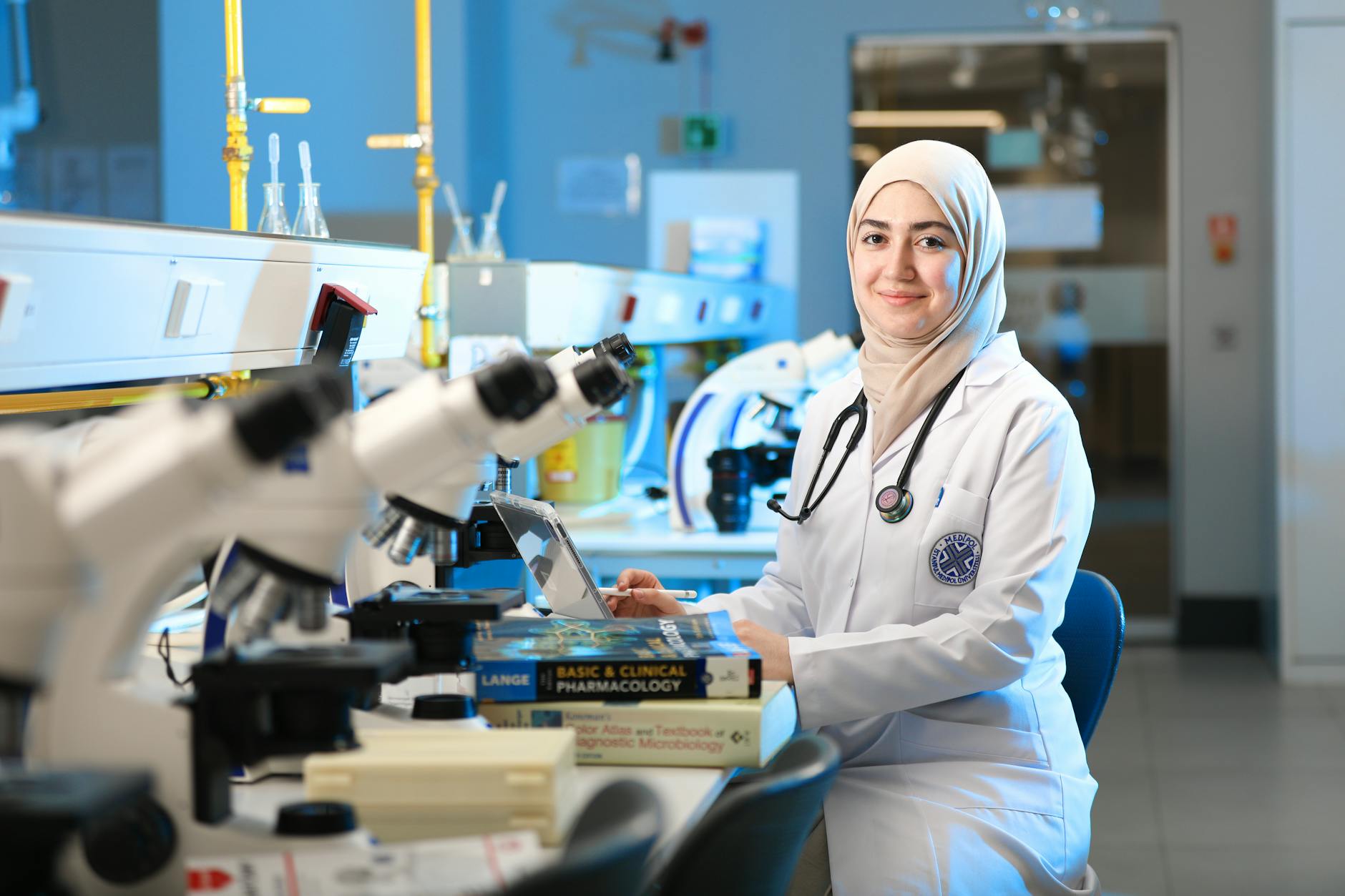
Which students struggle hardest in chemistry?
This question hits hardest if you are a biology major aiming for med school, a chemistry major, or a biochem student who thought “chemistry” meant mostly memorizing facts and doing neat little lab writeups. It also matters if you plan to earn credit through a nontraditional path and then move into a university program that uses those credits. In that case, the class content still matters, but the transfer fit matters too. UPI Study chemistry courses line up with that kind of path because they sit inside the same subject area students use to build a stronger record before moving on. Do not bother stressing over this ranking if you are a business major taking one general ed science class and walking away after the semester. You do not need a grand theory of hard chemistry courses college-style. You need a pass, not a graduate-level opinion. Some students also ask this question too early. They have not taken general chemistry yet, and they want a shortcut to the worst class. That is backward. General chemistry teaches the language. If you struggle there, organic will feel meaner, not because it is magic, but because it expects you to move faster and think in chains instead of single facts. I think that is where people get blindsided. They blame the class title when the real problem starts two steps earlier.
Why is chemistry class so hard?
The trick with chemistry is that each hard class punishes a different weakness. Organic chemistry punishes sloppy pattern spotting. Physical chemistry punishes weak math and weak patience. Quantum chemistry punishes anyone who wants the world to behave in a normal way. Students often say “I just need to memorize more,” and that answer usually fails. Memorizing helps for a quiz. It does not save you in a course that asks you to predict reactions, solve rate laws, or think about electron behavior with almost no visual comfort. A lot of students also get one thing wrong: they think the hardest chemistry class means the one with the most facts. Not always. Organic does ask for a ton of reactions, but the real load sits in relationships. You have to see what a molecule wants to do, not just name it. Physical chemistry often feels worse because it turns chemistry into applied math, and math does not care how many flashcards you made. Quantum chemistry strips away the part where you can picture atoms as tiny balls, which throws off students who rely on mental images. At many schools, physical chemistry comes after organic and analytical chemistry, and the pace jumps hard. Some programs even expect calculus and differential equations before you start. That is not a small detail. It changes the whole class. If you walk in weak on math, p-chem will chew through your time fast, and no study guide can hide that. Chemistry study options make more sense when you understand that stack. You are not just picking a subject. You are picking a level of thinking.
90+ College Credit Courses Online
ACE & NCCRS approved. Self-paced. Transfer to partner colleges. $250 per course.
Browse All Courses →What is the hardest chemistry class?
Take a biology major who wants med school. That student usually hits general chemistry first, then organic chemistry, then maybe biochemistry. In that path, organic chemistry often feels like the hardest chem class because it arrives right when the student is already juggling bio labs, physics, and MCAT prep. The class does not just ask for facts. It asks for speed, logic, and clean work under pressure. That is why people panic. The exam looks simple until they try to connect the steps. The first step is usually learning reaction families, not random reactions. Good students group things by pattern. They ask what electrons want, what leaves, what attacks, and what the product should look like before they open their notes. That sounds basic, but it saves time. Where it goes wrong is when students try to cram every reaction as a separate fact. That turns into a swamp by week four. In a biology degree, organic chemistry also matters for a more annoying reason: you often need it more than you want it. Pre-med advisors treat it like a filter, and that makes every bad quiz feel personal. I think that pressure makes the class harder than the content alone. A student who stays calm, does practice problems daily, and redraws mechanisms by hand usually does better than the student who reads chapters three times and hopes for the best. That hope is cheap. The exam is not. Physical chemistry hits a different student in the same program, usually the one who later switches into a chemistry-heavy research track. There, the work shifts from “remember this reaction” to “show me the model.” That is a colder kind of hard.
How can a hard chemistry class delay graduation?
Students usually miss the chain reaction. They look at one class and think, “I just need to pass this one thing.” That is not how it plays out in real degree plans. A hard chemistry course can block lab sequences, delay a major course, and push back graduation by a full term or more. At a lot of schools, one failed chem class means you lose the next class in line, and that can cost you a full semester. A single missed semester can mean about $3,000 to $8,000 in extra tuition, plus rent, books, and fees if you stay enrolled longer. That stings. And the part students hate hearing. The hardest chemistry course does not just hit your GPA. It can hit your timeline, your aid, and your confidence all at once. If you burn through your aid before you finish, the damage gets ugly fast. I have seen students spend six months fixing one bad chem grade and then spend another year trying to re-seat the rest of their plan around it. That delay feels random from the outside. Inside the registrar office, it looks painfully normal.
Students who plan their credit transfer strategy early save $5,000 to $15,000 on total degree costs, and often cut their graduation timeline by a full semester.
The Complete Chem Credit Guide
UPI Study has a full resource page built specifically for chem — covering which courses count, how credits transfer to US and Canadian colleges, and how to get started at $250 per course with no deadlines.
See the Full Chem Page →How much does chemistry class cost?
You can price this two ways. First, there is the direct course cost. A standard community college chemistry class with lab can run about $600 to $1,500. A four-year school can charge $1,200 to $3,500 for the same kind of class, and that does not count lab fees, books, or retake fees. Then there is the hidden cost. If you repeat a class, you often pay again, and some schools count the repeat differently in GPA rules. Compare that with a self-paced option like UPI Study Chemistry courses, where you can work through 90+ college-level courses that are ACE and NCCRS approved for $250 per course or $89 per month unlimited. That price looks almost rude compared with campus tuition. I mean that in a good way. Traditional schools charge you for seat time, office hours, parking, and a maze of extra fees. Self-paced credit cuts through a lot of that noise. And yes, that matters when you are staring down one of the hardest chemistry class requirements in your plan.
What mistakes do students make in chemistry?
First mistake: they take the hardest chemistry course too early, before they have the math and study habits for it. That sounds bold and smart. Schools praise “getting it done early,” and students want to clear the requirement fast. Then the class hits like a brick. They fail, retake it, and pay twice. Worst part? They also lose time in the degree path because the failed grade can block the next chem or bio class. Second mistake: they register for a class based on the sticker price only. A $700 class looks cheap next to a $2,400 class, so they jump on it. Then the lab fee shows up, the textbook costs $220, the homework system costs another $120, and a withdrawal hits their transcript. That “cheap” class starts looking expensive in a hurry. I think this is one of the sloppiest ways students spend money in college, because the trap sits right in front of them. Third mistake: they repeat a hard chemistry course college requirement at a school that does not match their degree plan. It feels logical. The class exists. It has chemistry in the name. Done, right? Not always. Some students pick the wrong course level, wrong lab format, or wrong credit type and end up with credits that do not fit the slot they need. That is how people pay for a class and still end up short.
How UPI Study Fits In
This is where UPI Study makes sense. If you need a flexible way to handle a hard chemistry course without the clock eating you alive, UPI Study gives you self-paced classes with no deadlines, and you can move on your own schedule. That matters when the usual classroom pace feels too rigid for your life. UPI Study offers 90+ college-level courses, all ACE and NCCRS approved, and credits transfer to partner US and Canadian colleges. That gives students a cleaner path around the usual campus bottlenecks. UPI Study Chemistry fits especially well for students who want a lower-cost path and need control over timing. Some people just need room to breathe. A course like this gives them that without dragging them through a full semester calendar.


Which chemistry course should you take?
Before you sign up, look at the exact course number you need for your degree plan. “Chemistry” alone means nothing if your program wants general chemistry, organic chemistry, or a lab-specific version. Check the credit count too. Three credits does not always replace three credits if the lab or sequence does not line up. That tiny mismatch causes more grief than most students expect. Also check the timing rules in your own schedule. If you need the class before a nursing, pre-med, or engineering block, a self-paced class can help you move faster. That said, you still need to map it against your next step. Use Calculus I as another example of how sequence matters, because chem and math often travel together in the same degree path. One bad choice there can slow both tracks.
See Plans & Pricing
$250 per course or $89/month for unlimited access. No hidden fees.
View Pricing →Frequently Asked Questions
Most students start by cramming notes the night before, but what actually works is daily problem practice with a small set of repeat ideas. For most people, organic chemistry sits near the top of the hardest chem class list, but physical chemistry and quantum chemistry can beat it once you hit the math. Organic asks you to spot patterns in reactions, acids, bases, and mechanisms. You can't just memorize 200 reactions and hope for the best. The students who do well redraw structures, make reaction maps, and drill 10 to 15 problems a day. If you want the hardest chemistry course to feel less brutal, start with chapter summaries, then work backward from practice exams, not the other way around.
Start with one old exam and one blank sheet of paper. That first step tells you what the class really tests, not what the textbook talks about. In hard chemistry courses college students take, the test often focuses on a few high-use ideas like equilibrium, rate laws, thermodynamics, and mechanisms. You should copy the problem types, not the full answers. Then you make a list of every formula, unit, and pattern that shows up twice. A lot of students skip this and just reread notes. That usually fails. Work 5 problems, check them, then redo the ones you missed without looking. Small wins count fast.
This applies to you if you're in a standard college chem track and you have to take organic chemistry, physical chemistry, or quantum chemistry. It doesn't really fit you if you're only taking intro chem for a health science prereq, since those classes usually stay simpler. Organic chemistry is the hardest chem class for many pre-med and bio majors because it asks for pattern thinking under time pressure. Physics-heavy students often find physical chemistry worse. Math-heavy students sometimes hate quantum chemistry the most. The class feels different depending on your background. If you already know calculus, p-chem may hit less hard. If you hate spatial thinking, orgo can feel rough fast.
Yes, for a lot of students, organic chemistry is the hardest chem class they'll take. The catch is that it depends on your strengths. Organic gives you hundreds of reactions, lots of curved arrows, and a pace that can jump from easy-looking to messy in one page. A single chapter can throw 20 new mechanisms at you. If you like pattern spotting, you can do well. If you try to memorize every line, you'll get buried. The best prep uses flashcards for reagents, but only after you practice full reaction sequences. Study in short blocks. Forty minutes works better than three sleepy hours.
If you get it wrong, you can fall behind fast and never catch up. That happens a lot in physical chemistry, where one weak week can wreck the next three because the math builds on itself. In organic chemistry, one bad unit can make mechanisms, synthesis, and spectroscopy all look mixed up. In quantum chemistry, one shaky base in algebra or calculus can turn every homework set into a mess. Students who miss early warning signs usually wait too long and then try to fix everything in finals week. That rarely works. You need to spot trouble after the first quiz, not after the third midterm. One low score can change the whole semester.
6 to 10 focused hours a week can be the difference between drifting and staying on top of the class. That sounds like a lot, but hard chemistry courses college students take punish loose study habits. Organic chemistry often needs daily review, even if you only spend 30 minutes. Physical chemistry usually asks for math practice, so you may need 4 or 5 problem sets each week. Quantum chemistry can need even more time if your calculus feels rusty. You should split that time into short blocks. Read for 20 minutes, then solve problems for 20. Don't wait for the weekend. A three-hour Sunday session usually feels good and does less than 6 short sessions during the week.
The thing that surprises most students is that the hardest chemistry course isn't always the one with the most facts. It's often the one that mixes skills. Organic chemistry looks like memorizing reactions, but it really tests pattern thinking and fast problem solving. Physical chemistry looks like a math class wearing a chem shirt. Quantum chemistry can feel like physics, calculus, and abstract chem all in one place. A student who aces gen chem can still get hit hard. That shock comes from the shift in thinking, not the number of pages. If you can explain why an answer works out loud, you usually do better than the student who only rereads the notes.
The most common wrong assumption students have is that the hardest chemistry course only rewards smart students. That's not how it works. It rewards students who practice the right way. A B student who solves 100 real problems can beat an A student who only highlights the book. That's why organic chemistry, physical chemistry, and quantum chemistry each punish passive study. You need to write mechanisms, balance equations, check units, and redo missed questions. One smart move helps a lot: keep a mistake log with the exact reason you missed each problem. Missed sign? Missed concept? Bad unit conversion? Those details matter more than raw hours.
Final Thoughts
So, what’s the hardest chem class? For most students, it lands on organic chemistry, but the real answer depends on your math, your major, and your tolerance for long problem sets. The class that feels impossible in one program can feel normal in another. That is why people argue about this topic forever. What matters more is this: the hardest chemistry class can cost you time, cash, and momentum if you pick it badly or take it at the wrong point in your degree. If you need a faster, cheaper, self-paced path, Calculus 2 can sit beside chemistry in a bigger plan for students who need both science and math credits. Start with the exact requirement, then choose the fastest clean path.
Ready to Earn College Credit?
ACE & NCCRS approved · Self-paced · Transfer to colleges · $250/course or $89/month