
CLEP exams let you earn college credit by passing a test instead of sitting through a full class. The College Board runs the College-Level Examination Program, and the big draw is speed: one exam can replace a 3-credit course at schools that accept it. That matters if you want to cut tuition, skip repeat material, or finish a degree faster. The catch is simple. Your target school controls the rules. A CLEP that counts as 3 credits at one campus may count as elective credit, or count for nothing, at another. Major programs can also block certain exams even when the school accepts CLEP in general. So the smart move is not “take as many exams as possible.” The smart move is to match the exam to the school’s policy and your remaining requirements. Most CLEP tests cover lower-division material, which is why they work best for general education and intro courses. You will see familiar names like College Composition, College Mathematics, Introductory Psychology, and Principles of Management. Those exams do not ask you to become a specialist. They ask whether you know the standard first-year stuff well enough to prove it in about 90 minutes, sometimes with a separate essay section depending on the exam. Cost matters too. A CLEP exam fee usually sits around $90, and many test centers add their own fee. That can still beat a $300-600 per-credit bill at many colleges by a wide margin. If you plan carefully, CLEP can knock out a chunk of your degree without turning your calendar into a long semester grind.
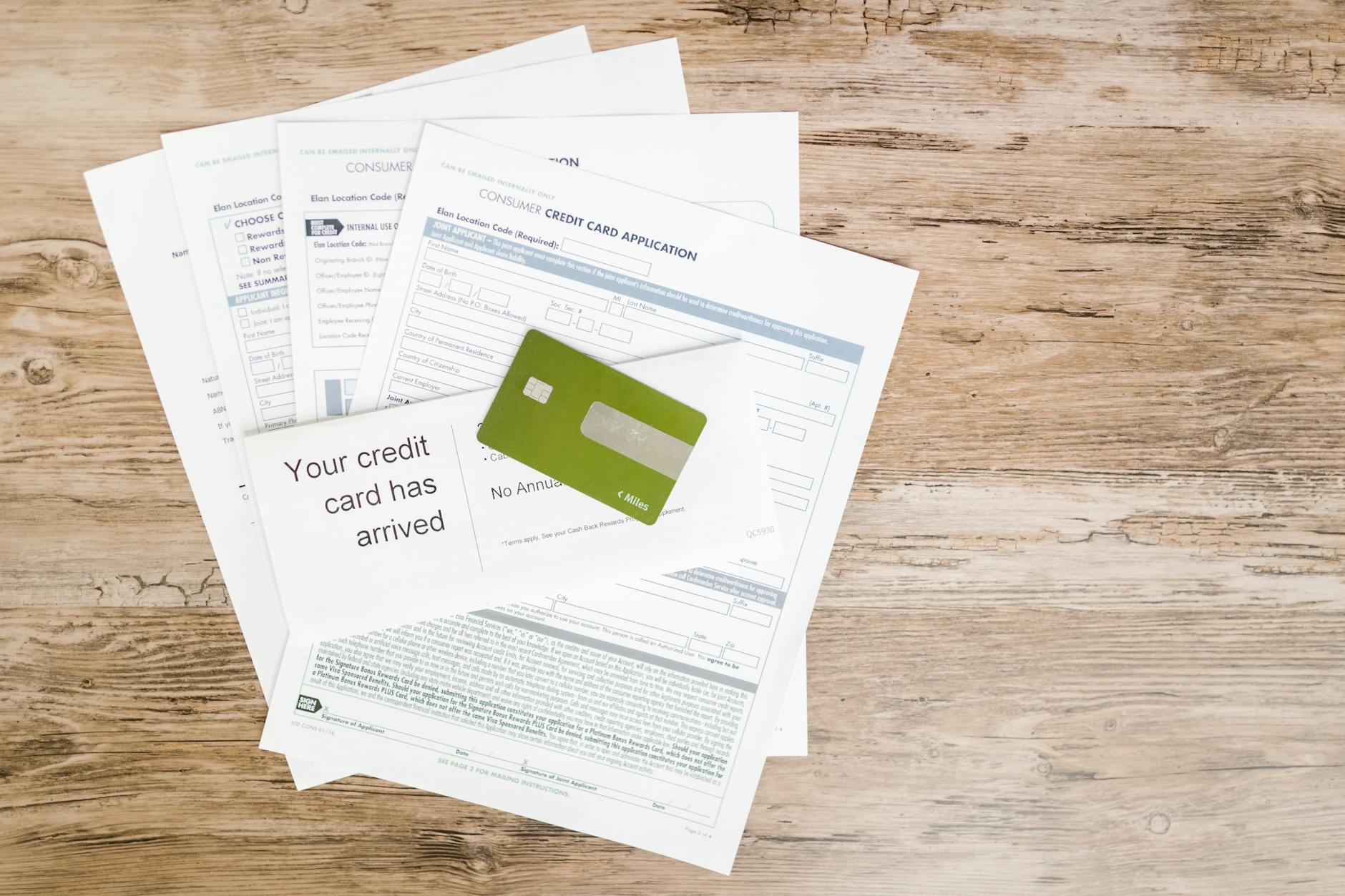
What does a CLEP score count for?
CLEP stands for College-Level Examination Program, and the College Board runs it. That matters because the program has a standard structure, a long paper trail, and a name that college registrars know. More than 2,900 colleges accept some CLEP credit, and many of those schools award 3 single-exam credits for one passing score.
The catch: The number sounds clean, but the school decides the real result. One college may award 3 credits for Introductory Psychology, while another may count the same score as free elective credit or reject it for a major requirement. That split is normal, not rare.
CLEP works best for degree builders because it attacks the cheapest credits first. Gen eds like math, literature, social science, and intro business often cost the most time for the least payoff when you take them in a seat-based class. A 90-minute exam can replace a 15-week course if your school gives it the same 3-credit value.
That said, CLEP is not magic. A biology major may get little use from a history exam, and a school may cap how many credits you can earn by exam. Some colleges set limits near 30 credits, others allow more. That policy detail can shape your whole plan.
The real value sits in the match between the exam and your degree audit. If you can turn one test into a required course, you buy back time, money, and schedule space. If you cannot, you still may earn elective credit, but the payoff drops fast.
The CLEP Subjects Worth Taking First
Start with the exams that show up often in gen ed plans and have a reputation for straightforward content. A good first pick can save you from a bad 6-week study cycle, and the order matters more than people admit. Some exams line up with 3 credits almost everywhere, while others only help at selected schools.
- College Composition gives you a strong shot at writing credit because many schools use it for first-year English.
- College Mathematics is a practical first exam if you want a broad math credit without a long algebra course.
- Analyzing Literature works well for students who read fast and spot argument, tone, and structure quickly.
- Introductory Psychology is popular because the content feels familiar and shows up in countless 3-credit gen ed blocks.
- Introductory Sociology is another high-yield choice, especially if your school lists it in social science requirements.
- Principles of Management and Principles of Marketing often fit business cores and can move fast if your school accepts them.
- History exams like U.S. History I, U.S. History II, and Western Civilization can work well, but the reading load runs heavier than psychology or sociology.
Reality check: The easiest exam on paper is not always the best first exam. If your school gives 3 credits for Intro Psychology but only elective credit for a history test, take the psychology test first.
Business exams deserve special attention because they often stack into degree plans cleanly. If you need a business block, Business Essentials can sit beside CLEP planning as a course-based option, but the CLEP side still gives you the faster single-test route.
The best CLEP subjects list is the one that lines up with your transcript, not the internet’s favorite exam. That sounds picky. It is picky. And it saves money.
How much do CLEP exams cost?
The price story matters because CLEP only looks cheap when you compare it to actual tuition. A $90 exam fee can turn into a real bargain if your school awards 3 credits, but test-center fees and study time still belong in the math. Score rules also vary by exam family, so you need the target before you book anything.
| Item | Typical figure | What it means |
|---|---|---|
| CLEP exam fee | $90 | Paid to College Board |
| Test-center fee | Varies by center | Extra local charge |
| College credit cost | $300-600 per credit | Common seat-based range |
| Passing score | Usually 50 | Most CLEP exams use this scale |
| College Composition | 50 | Often includes a writing section |
| College Mathematics | 50 | Lower-division math credit at many schools |
| Psychology / Sociology | 50 | Popular 3-credit gen ed exams |
A simple read: if one exam replaces a 3-credit class that would have cost $1,200 or more at $400 per credit, the spread gets big fast. The score target is usually not exotic. Hitting 50 is the game on most CLEP tests, which makes pacing and practice more important than memorizing every detail.
The Complete Resource for CLEP Exams
UPI Study has a full resource page built specifically for clep exams — covering which courses count, how credits transfer to US and Canadian colleges, and how to get started at $250 per course with no deadlines.
Browse ACE Approved Courses →How can you pass CLEP for free?
Free prep changes the math. Modern States offers full CLEP prep and gives first-time test takers a voucher that covers the exam fee itself, so the $90 College Board charge can drop to zero if you use the program the right way. TransferCredit.org helps you verify acceptance at the school you care about before you spend hours studying the wrong exam. That check takes less time than a bad retake, and a bad retake can cost another $90 plus a second shot at a test center.
What this means: You should study for the score, not for bragging rights. A 50 passes most CLEP exams, so your job is to clear that line with room to spare, not to chase perfect recall.
- Start with the official content outline for the exam you picked.
- Take one practice test in the first week, not the last.
- Use Modern States free CLEP prep before you buy extra materials.
- Spend more time on weak topics than on the ones you already know.
- Pick exams with the biggest score upside, not the ones that sound hardest.
That last point matters more than people like to admit. A student who reads well may score faster on Analyzing Literature than on College Mathematics, while another student may do the reverse. Ego does not earn credits. Score strategy does.
If your target school accepts a 50 for 3 credits, then a clean pass beats a heroic study plan that burns 8 weeks and gives you the same result. If you can pass in 2 weeks with focused work, even better. The exam rewards direction, not drama.
Does CLEP offer online proctoring?
Most CLEP tests happen at Pearson VUE centers, and some CLEP and DSST exams now offer online proctoring. That matters because the test room changes the stress level. A center visit feels structured: ID check, computer sign-in, timed sections, then a score report or delayed result depending on the exam. Online proctoring trims the commute, but it also adds tech rules, camera checks, and a quieter setup than people expect.
CLEP timing is not huge, which is part of the pressure. Many exams run about 90 minutes, and College Composition uses a multiple-choice section plus a written essay component. That short clock means you cannot waste 10 minutes on one stubborn question. You have to move.
Bottom line: The hardest mistake is not test anxiety. It is taking an exam before you know exactly how your target school treats the score, the subject, and the 3-credit award.
Schools differ on two things that matter most: which CLEP exams they accept and what score they require. A 50 may work at one college, while another wants 55 or 60 for the same subject. Some schools also block CLEP from major courses even if they accept it for general education. That policy split can wreck a plan built on guesswork.
The other common mistake is simple pride. Students pick the hardest CLEP first because they want to “get it over with,” and that usually backfires. Start with the exam that fits your strongest subject and your school’s clearest rule. The first pass builds momentum. The first fail burns time, money, and confidence.
How do you build a CLEP-heavy degree plan?
A CLEP-heavy plan works best when you treat your degree like a spreadsheet, not a mood. Start by listing the remaining 15 to 30 credits in your gen ed block, then match each slot to the easiest accepted exam. If your school gives 3 credits for Introductory Psychology and 6 credits for U.S. History I plus II, you already have a clean target list before you open a book.
Worth knowing: Some students can stack 12 to 24 credits from a few exams, but only if the school’s score rules and major rules line up first.
Sequence matters. Put the clearest wins first, like College Mathematics, Intro Psychology, or Sociology, then move to heavier reading exams like the history tests. That order gives you quick credits and a faster feel for the testing format. It also keeps your study load sane, because 3 exams in 6 weeks feels very different from 3 exams in one month.
Use course-based ACE credit when a one-shot test does not fit your learning style. That is where a course option can make more sense than a timed exam, especially for subjects that need more guided work or a slower pace. The official ACE course catalog gives you another path for credits that still sit in the same transfer conversation as exam credit.
The best plan mixes speed and fit. Take the exams that transfer cleanly, avoid the ones that your school limits, and keep a backup option for subjects that do not reward test day pressure. A smart CLEP plan does not try to prove you can test on everything. It tries to get the right credits with the least friction.
Frequently Asked Questions about CLEP Exams
CLEP is the College-Level Examination Program from College Board, and 2,900+ colleges accept at least some CLEP credit. Each exam can give you 3 to 6 credits, so one test can replace a full class without sitting through a 15-week semester.
You can spend $90 plus a test center fee and still get zero usable credit if your school rejects that exam. Use the CLEP exams guide as a map, then check the school's official CLEP college credit transfer page before you book.
The best first picks are often College Composition, College Mathematics, Analyzing Literature, Introductory Psychology, and Introductory Sociology. They show up on many schools' CLEP subjects list, and they usually need less memorizing than heavy history or business exams.
Most students expect testing to be cheap, then they see the total can reach $90 for the exam plus a proctoring or center fee. Even then, that still beats the $300 to $600 per credit many colleges charge for regular classes.
Start by picking one exam and matching it to a real degree need, not just a subject you like. Then use Modern States free CLEP prep, since it gives full prep and covers the exam fee voucher for first-time test takers.
Most students chase the hardest exam first, but the better move is to stack easy wins with solid pass-score targets like 50 on many CLEP tests. That helps you bank 3 to 6 credits faster and keeps your momentum up.
The most common wrong assumption is that every college treats CLEP the same way. They don’t. ACE and NCCRS review outside credit, but each school sets its own rules for which CLEP exams count and how many credits it takes.
UPI Study fits you if you want course-based ACE credit in subjects where you’d rather not take a one-shot exam, like when you want a steadier path than CLEP. It doesn’t fit you if your school only wants a specific CLEP score and nothing else.
You pass CLEP by studying the exam outline, using free practice questions, and drilling the weak areas that show up in the scoring scale. Many tests use a 20 to 80 score scale, and the passing mark often sits around 50, so your prep has to match the exact exam.
You can test at a Pearson VUE center, and some CLEP and DSST exams now offer online proctoring. That matters if your closest center sits 1 to 2 hours away or only runs a few seats each week.
Build your plan around 2 things: your target school’s credit rules and the easiest exams that cover required gen ed slots. Start with high-transfer subjects like College Composition, College Mathematics, and Introductory Psychology, then use history or business exams to fill the gaps.
Final Thoughts on CLEP Exams
CLEP works best when you treat it like a transfer tool, not a challenge box. Pick the school first. Pick the exam second. That order saves people from the classic trap of earning a credit that looks nice on paper and lands nowhere useful on the transcript. The subjects with the best payoff usually sit in the boring middle of the degree: writing, math, psychology, sociology, business basics, and some history. That is not glamorous. It is efficient. And efficiency wins when tuition runs high and your calendar already feels packed. Score strategy matters because most CLEP exams use a passing score of 50, which means your study plan should aim for steady points, not perfection. A few practice tests, the official outline, and a smart subject choice often beat a long cram session. The people who get the most from CLEP do not always study hardest. They pick better. Watch the policy details before every booking, then build your next 2 or 3 exams in a row so each one supports the next. If you do that, CLEP stops feeling random and starts acting like a real degree plan.
How UPI Study credits actually work
Ready to Earn College Credit?
ACE & NCCRS approved · Self-paced · Transfer to colleges · $250/course or $99/month