
Yes, you can often become a teacher while working as a paraprofessional, but the job alone does not turn into certification. Most people still need a bachelor’s degree, state licensure steps, testing, background checks, and supervised fieldwork before they can teach on their own. That is the part people miss. A paraprofessional role can give you classroom experience, a chance to watch strong teachers up close, and sometimes a better shot at finding a district that supports training. It can also make the schedule messy. School hours, college classes, tutoring labs, and student-teaching blocks do not always line up, and that can stretch a plan that looked simple on paper. The exact route depends on the state, the school district, and the kind of license you want. Some states want 120 college credits before full licensure. Others ask for a 2.5 or 3.0 GPA, passing scores on basic skills or content tests, and a fingerprint check before you can move ahead. A few districts also set their own hiring rules, which means you may meet one set of standards for employment and a different set for certification. So the real question is not just whether you can do both at once. It is whether your state, your college, and your district all line up well enough to make the path doable without wasting time or money.
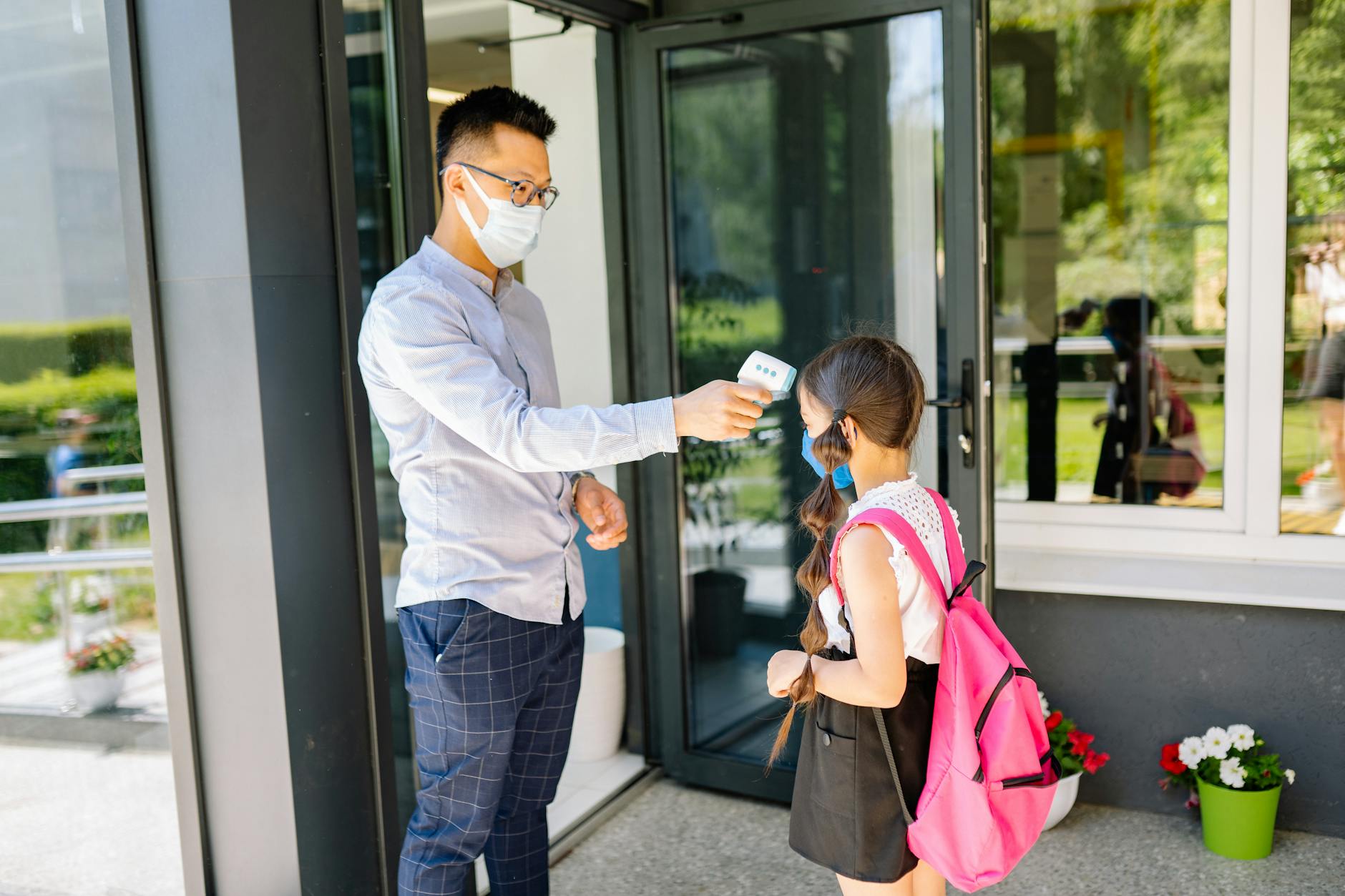
Can You Become a Teacher While Working as a Paraprofessional?
Yes, you often can, but only if your state and program let you keep working while you finish the 120- to 130-credit steps needed for licensure. A paraprofessional role can fit well with evening classes, weekend study, or an online degree plan, yet the job itself does not count as certification.
That is the honest answer, and I think it saves people from a lot of bad surprises. A paraprofessional may already know how to support small groups, manage behavior, and help with reading or math. Still, teacher licensure usually asks for formal coursework, a GPA standard such as 2.5 or 3.0, and supervised practice that schools treat as separate from paid work.
The hard part is timing. A full-time school job can clash with a 12-week practicum, a 15-week semester, or a student-teaching block that runs 8 to 16 weeks during the school day. Some people can juggle all of it. Others need a lighter course load or a district that offers release time.
The catch: A district may hire you as a paraprofessional in August and still refuse to count that work toward teacher licensure in December. That gap feels unfair, but it happens a lot.
Check the rules early. State education agencies, teacher-prep colleges, and districts often set different bars, and one missed detail can cost a semester or more. In Texas, Florida, and many other states, the testing and transcript rules can change the order you need to follow, which is why the phrase how to become a teacher while working really means building a plan, not hoping the job will do the work for you.
Which Paraprofessional-to-Teacher Pathways Are Most Common?
The common paraprofessional to teacher pathway depends on what you already have on your transcript and how fast you want to move. Some people finish a bachelor’s degree first. Others use an alternative certification route, a district partnership, or a post-baccalaureate license plan. The table below shows the usual shape of each route and the one thing you must verify before spending money or time.
| Pathway | Typical time commitment | Key verification step |
|---|---|---|
| Bachelor’s degree first | 2-4 years | Confirm state GPA and credit rules |
| Alternative certification | 1-2 years | Check if your state allows paid placement |
| District/university partnership | 12-24 months | Ask about release time and tuition support |
| Post-baccalaureate licensure | 1-2 semesters plus testing | Verify transcript review and subject-area match |
| Residency-style route | 1 school year | Confirm supervision hours and mentor teacher rules |
Worth knowing: Some routes look shorter because they move faster on paper, but they can still require 2 exams, 1 background check, and a full semester of fieldwork.
The best route is the one your state actually accepts, not the one that sounds easiest in a brochure.
What Requirements Usually Come Before Licensure?
Most states ask for several gatekeeping steps before they issue a teaching license, and the order can matter as much as the steps themselves. A 2026 applicant may need to meet 5 or 6 requirements before formal teacher prep even starts.
- A bachelor’s degree from a regionally recognized college or university is the usual starting point, and some states want 120 semester credits.
- Many states set a minimum GPA, often 2.5 or 3.0, for admission into teacher preparation.
- Content coursework matters. Elementary and secondary candidates may need specific English, math, science, or education classes before they can apply.
- Basic skills or subject tests can show up early. States may use Praxis, state exams, or another test with passing scores set by the licensure office.
- A background check and fingerprinting step often come before student teaching or the final license application, and some districts repeat that check at hire time.
- Transcript review can block progress if you lack a required class, even if your GPA meets the mark.
- Some programs ask for letters, interview scores, or a 2.75 GPA before you can enter formal teacher prep.
Reality check: A person can work 40 hours a week and still get stopped by one missing 3-credit course. That is the ugly part of licensure planning.
Ask for the written checklist. Verbal advice gets fuzzy fast, and teacher prep offices can have different rules than the state board.
The Complete Resource for Paraprofessional Pathway
UPI Study has a full resource page built specifically for paraprofessional pathway — covering which courses count and how to get started at $250 per course with no deadlines. Your college decides how credits transfer.
Browse Cooperating Universities →How Do Fieldwork and Student Teaching Fit In?
Fieldwork and student teaching usually sit outside your paid paraprofessional duties, even if your classroom experience helps a lot. Most teacher prep programs still want supervised observation, practicum hours, and a full student-teaching placement that can last 8 to 16 weeks. Your job may make the learning easier, but it rarely replaces the required hours.
That is where working adults get squeezed. A paraprofessional may work 7:30 a.m. to 3:00 p.m., then face evening classes from 6:00 to 9:00 p.m. or weekend seminars on Saturday. Add lesson plans, reflection logs, and mentor meetings, and the week starts to feel like three jobs stitched together.
Some programs help by offering cohort schedules, late-afternoon seminars, or district-based placements. Others expect you to step back from paid work during the student-teaching term, which can be hard if you rely on a weekly paycheck. This is the point where many people either move ahead or burn out.
Bottom line: If your program wants full-time student teaching, ask whether your district offers release time, a substitute stipend, or a split placement across 2 semesters.
A strong paraprofessional background can help with classroom control, IEP support, and small-group instruction, but supervisors still want to see you plan lessons, assess students, and teach solo. That shift from helper to lead teacher is the real test, not the title on your badge.
Why Do State and District Rules Change the Answer?
Licensure rules change by state, and hiring rules can change again by district, so two people with the same paraprofessional job can face very different paths. In Texas, for instance, a candidate might need to meet university admission rules, pass state testing, and complete fingerprinting through the Texas Education Agency process before moving into student teaching or an intern route. Florida and other states can ask for different exams, different GPA cutoffs, and different subject-area checks.
That split matters. A school district may hire you as a paraprofessional at one site while the state still says you need 2 more classes, 1 test, or a transcript review before you can enter teacher prep. The district cares about staffing. The state cares about licensure. Those are not the same thing.
I have seen students assume that a district job meant the state would speed up the license, and that guess cost them months. A person in Houston, for example, may find a district pathway that looks friendly on paper, only to learn that the university wants a 3.0 GPA and the state wants a passing score on a separate exam before the program starts.
Check both sides before you enroll. Call the state education agency, then ask the district HR office, then ask the college teacher-prep office. Do that in that order, and you cut down the guesswork.
Should You Keep Working While Earning Certification?
Keeping your paraprofessional job makes sense if your schedule can handle 2 to 3 nights of class a week, plus 8 to 16 weeks of fieldwork later on. Reducing hours may be smarter if you need a long commute, care for children, or face a student-teaching block that runs like a full-time job. A lot of working adults try to do everything at once and then hit a wall in month 4.
- Ask whether student teaching is daytime only or can include evening hours.
- Check if the program allows 6 or 9 credits per term while you work.
- Find out whether your district offers tuition help, release time, or mentoring.
- Confirm the state’s GPA floor, test scores, and fingerprinting steps.
- Ask how long the full path usually takes: 12 months, 18 months, or 2 years.
If you want a place to compare possible options, explore these cooperating universities and see what fits your schedule and budget.
Frequently Asked Questions about Paraprofessional Pathway
Most people try to quit first, but what actually works for a lot of working adults is staying in the paraprofessional role while you finish a bachelor’s degree and meet your state’s teacher licensure rules. Many states want a 4-year degree, a passing test score, background checks, and student teaching before you can teach solo.
Yes, the paraprofessional to teacher pathway usually means you keep working in school support while you complete a degree, licensure tests, and fieldwork. The exact route changes by state and district, and some schools also ask for a minimum GPA, often around 2.5 or 3.0, before they’ll support your next step.
What surprises most students is that a working paraprofessional teacher program does not replace student teaching in most states. You often still need 12 to 16 weeks of supervised classroom practice, even if you already work in a school building every day.
Start by checking your state education department website and your district HR rules. Then compare your current credits against the teacher prep program’s entry rules, because some programs want a bachelor’s degree before admission and others let you begin while you finish it.
4 years is a common timeline if you still need a bachelor’s degree, and some states also add 1 semester of student teaching plus test prep time. The total can be shorter if you already have college credits, but your state decides that part.
The most common wrong assumption is that school employment alone counts as certification, but it usually doesn’t. You still have to meet state rules for licensure, and many states require a background check, fingerprinting, and passing scores on teacher exams.
If you get the licensure rules wrong, you can waste months on classes that don’t count, miss student-teaching deadlines, or lose aid for a term. Some states also reject experience hours if they don’t line up with the right grade level or subject.
This path fits you if you’re already working in a K-12 school, want a teaching license, and can keep studying part time; it doesn’t fit you if your state requires full-time student teaching that clashes with your work hours. Some districts offer release time, but not all do.
The usual steps are earning or finishing a bachelor’s degree, applying to a teacher prep program, passing your state’s required exams, clearing a background check, and completing fieldwork or student teaching. Some states also want a content test and a basic skills test.
In many states, yes, you need a bachelor’s degree before full licensure, but some programs let you start teacher preparation before you finish all 120 credits. Your school district may also require a minimum GPA, often 2.5 or higher, before it will support the move.
Check your state licensure rules, the program’s GPA rule, the student-teaching schedule, and whether the district will let you keep working during fieldwork. Then compare 2 things: required exam dates and the number of supervised hours, since those often decide if the plan works.
Final Thoughts on Paraprofessional Pathway
A paraprofessional can become a teacher while working, but the path takes planning, not luck. You still have to clear the same big gates most future teachers face: a bachelor’s degree, state rules, testing, background checks, and supervised fieldwork. The job gives you useful experience. It does not erase the checklist. The smartest move is to start with the state, then the district, then the college. That order saves time. A school job can help you learn how classrooms work, but it can also hide a mismatch if your state wants a 3.0 GPA, a passing exam score, or 12 credits that your current transcript does not have. One missed rule can delay a whole year. Treat the process like a set of boxes to check, not one big dream to hold in your head. Ask what happens if student teaching overlaps with work hours. Ask whether your district offers mentoring or release time. Ask if your current credits count toward admission. If you keep those questions in front of you, the path gets clearer fast. Start with the rules, build your schedule around them, and choose the route that fits your life instead of forcing your life to fit the route.
What it looks like, in order
Ready to Earn College Credit?
Credit recommended by NCCRS and ACE · Self-paced · Your college decides how credits transfer · $250/course or $99/month (US)