
Cyberbullying prevention and online safety mean stopping digital abuse before it spreads and knowing exactly how to protect yourself when it starts. That includes privacy settings, screenshots, blocking, reporting, and smart posting habits on apps, games, and group chats. Online harm does not always look dramatic at first. A rude joke in a 20-person class chat, a fake rumor on Instagram, or a repeated 2 a.m. message can do real damage fast. The problem gets worse because online spaces reward attention. A cruel post can collect likes, replies, and shares in minutes, which tells the bully their behavior got a reaction. Social psychology helps explain that part. People act meaner when they feel hidden, watched by a crowd, or rewarded by status. Students also copy what they see. If a group laughs at a post, the silence from everyone else can feel like approval. That is why cyberbullying prevention is not just about one bad person. It is about group behavior, digital habits, and the choices people make in the moment. Students need more than “be nice” advice. They need a plan for passwords, boundaries, saved evidence, trusted adults, school reporting, and what to do if a message turns threatening. Those steps matter on TikTok, Discord, Snapchat, gaming servers, and school platforms alike.
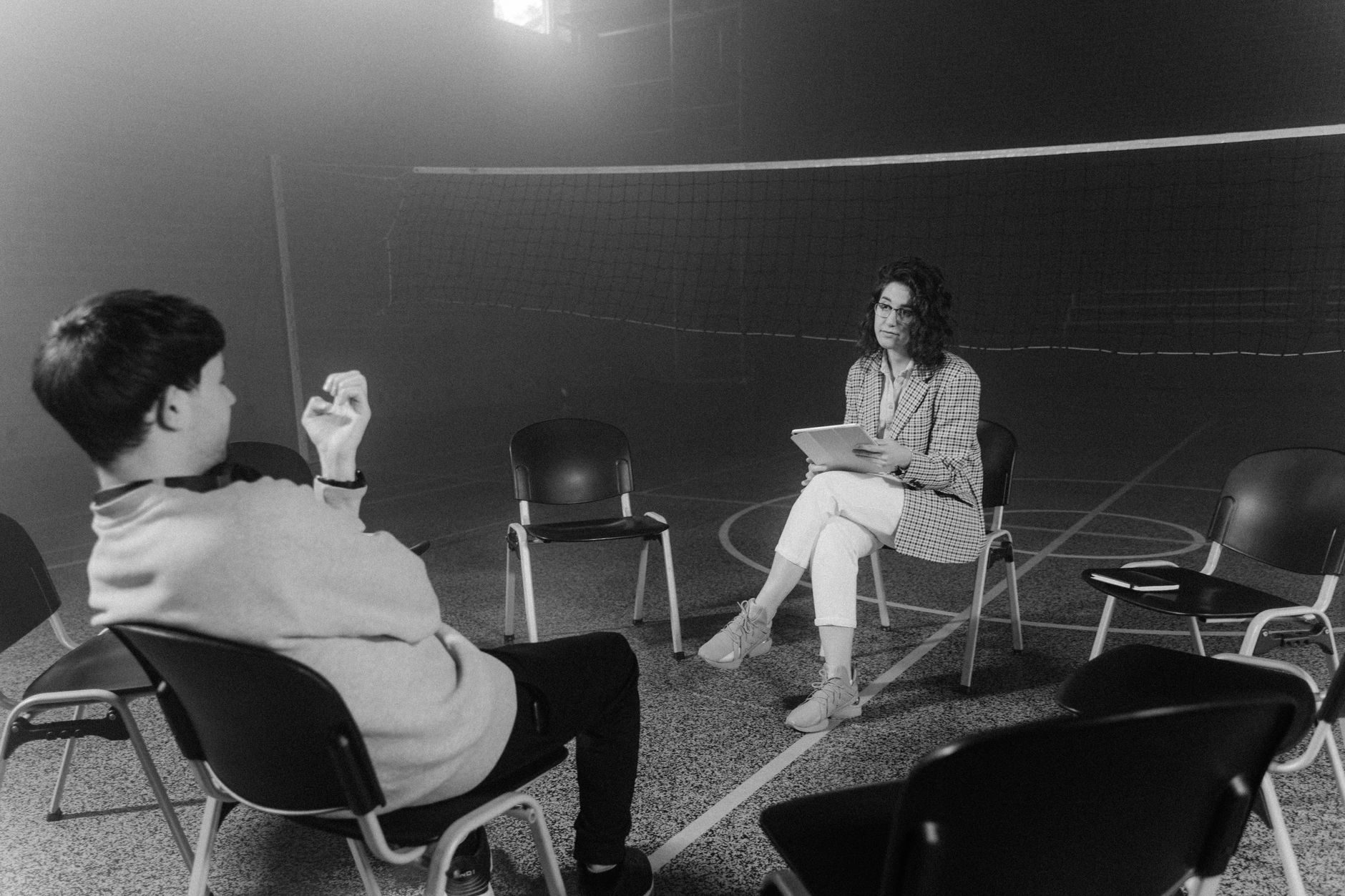
What Is Cyberbullying Prevention Online Safety?
Cyberbullying prevention and online safety mean spotting harmful digital behavior early, stopping repeat harm, and using tools like blocking, reporting, and privacy settings to cut risk across apps, games, and school platforms.
Cyberbullying is not the same as one messy disagreement. A single rude comment can sting, but cyberbullying usually shows a pattern: repeated insults, rumor spreading, doxxing, threats, exclusion, or public humiliation. A 15-minute argument in a group chat feels different from 3 weeks of targeted harassment. That difference matters because patterns create fear.
Social psychology explains why online aggression spreads so fast. Anonymity lowers self-control for some people. Status-seeking pushes others to chase likes, laughs, or attention. A post that gets 40 reactions in an hour can train someone to keep going. That reward loop is ugly, and I think people underestimate it.
Online safety covers more than bullying. It includes strong passwords, 2-factor login, location sharing limits, and knowing who can see your posts, DMs, and stories. A student who studies on Discord at night, uses a school portal in the morning, and games on weekends needs one clear rule: do not leave every door open. Reality check: A lot of harm starts with a tiny setting left public on a phone that sits in someone’s pocket 12 hours a day.
Prevention works best when students treat digital space like shared space. You do not hand strangers your address in a hallway, and you should not hand them your location, schedule, or private screenshots online either.
Why Does Cyberbullying Happen Online?
Cyberbullying happens online because screens lower restraint, crowds reward cruelty, and people chase status, revenge, or attention faster than they think through the harm. The design of many platforms pushes speed over care.
Deindividuation plays a big role. When someone hides behind a username, avatar, or burner account, they can feel less like a real person and more like part of a swarm. That makes it easier to type things they would never say face-to-face. In a room of 30 people, shame feels visible; on a screen, shame feels distant.
Social comparison adds pressure. Students watch who gets likes, who gets ignored, and who seems popular. A mean post can become a cheap way to grab status. If 1 popular account mocks someone, others may pile on to look funny or loyal. That behavior looks small to each person, but together it can crush the target.
Revenge also drives a lot of online cruelty. A breakup, a bad grade, a team conflict, or a fight in a game lobby can turn into a screenshot war in under 10 minutes. Platforms make that faster by promoting reposts, quote replies, and algorithmic engagement. The catch: The same tools that help students share homework and club news also make pile-ons easy.
The worst part is the speed. A rumor can reach a whole grade before lunch, and a clip can keep spreading for months. That is why Advanced Social Psychology matters here: it helps explain why ordinary people sometimes act very badly in groups.
How Do Bystanders Shape Cyberbullying?
Bystanders shape cyberbullying because most online harm grows when other people watch, laugh, repost, or stay silent. In a group chat with 25 students, one cruel message can turn into a pile-on if 5 people add emojis and nobody speaks up. Social psychology calls this diffusion of responsibility, and it hits hard online because everyone thinks someone else will step in.
What this means: Witnesses can raise or lower the damage in minutes. A defender can calm the room, while a silent crowd can make the bully feel backed by 20 people instead of one.
- Reinforcing: likes, laughs, and fire emojis tell the bully the joke landed.
- Ignoring: silence can look harmless, but it often reads as approval.
- Defending: one calm reply can interrupt the group mood in under 1 minute.
- Reporting: platform reports and school reports create a paper trail, which matters.
- Documenting: screenshots with dates and usernames help when the target needs proof later.
Conformity also matters. In a room of 8 friends, people copy the vibe fast because nobody wants to look awkward or disloyal. That fear of social cost explains why some students know a post is cruel and still do nothing. I think this is the part adults miss most. They talk like silence means no opinion, but online silence often means fear.
A defender does not need a speech. A short “cut it out” or “take this private” can change the tone. The Introduction to Psychology link fits this topic because basic psychology still explains why people follow the crowd.
Learn Advanced Social Psychology Online for College Credit
This is one topic inside the full Advanced Social Psychology course on UPI Study — a self-paced, online class that earns real college credit. Credits are ACE and NCCRS evaluated and transfer to partner colleges across the US and Canada. Courses start at $250 with no deadlines and lifetime access.
Explore on UPI Study →Which Cyberbullying Prevention Habits Work Best?
Good prevention habits work because they shrink access, slow bad choices, and give you a clean response path before a message turns into a 3-day fight. Students who set boundaries on day 1 spend less time cleaning up chaos later.
- Turn on private or friends-only settings on your main accounts, especially on apps you check 10 times a day.
- Use a long password and 2-factor login. A 12-character password beats a short one every time.
- Limit location sharing on Snapchat, Instagram, Find My, and similar tools. A live map can expose your routine in minutes.
- Block and mute people fast when they cross a line. Do not keep reading abuse just because you feel curious.
- Save screenshots, dates, usernames, and timestamps before messages disappear. That record helps if the issue lasts 24 hours or longer.
- Think before posting, especially in a 1 a.m. mood. A screenshot can outlive the argument by years.
- Use app timers, school device controls, and gaming chat filters to keep study time, social time, and play time separate.
Bottom line: Digital boundaries work best when you set them before the mess starts.
The habit that saves the most stress is boring: check your settings once a month and clean up old followers, old servers, and old friend lists. A messy account invites messy contact. The Educational Psychology course fits here because routine, structure, and repetition help students stick with safety habits.
How Should Students Respond To Cyberbullying?
A fast response keeps a bad post from turning into a bigger problem. The best move is calm, documented, and boring. Do not feed the drama, because a 2-minute reply can create a 2-day mess.
- Pause for 10 minutes and do not answer in anger. That short break cuts the chance of sending something you will regret.
- Screenshot the post, usernames, dates, and any threats right away. Save the proof before anyone deletes it.
- Block or restrict the person, then report the post to the platform. Most apps hide reporting inside the three-dot menu.
- Tell a trusted adult, counselor, coach, or school official if the behavior repeats or targets school life. Do this the same day if the harassment keeps going.
- Escalate to school staff or law enforcement if you see threats of violence, stalking, sexual extortion, hate crimes, or self-harm language. Do not wait 48 hours in those cases.
Worth knowing: A school can act faster when you bring screenshots, usernames, and a clear timeline instead of a vague story.
If the problem includes blackmail, explicit images, or direct threats, the response changes fast. Save everything, stop contact, and get adult help right away. That advice is not dramatic. It is the safe move. The Advanced Social Psychology course also lines up well here because it explains why escalation, group pressure, and fear can push bad behavior forward.
Where UPI Study Fits
A student who wants 3 college-level credits without sitting in a 15-week classroom can study online at their own pace and still work toward transfer credit. That setup matters for busy schedules, tight budgets, and students who want a course they can finish around school, work, or family demands.
UPI Study offers 90+ college-level courses, all ACE and NCCRS approved, and that matters because those review bodies help colleges judge non-traditional credit. The pricing is simple: $250 per course or $99 per month for unlimited access. No deadlines means a student can move faster during a lighter week and slower during exams or work shifts. I like that model because it gives students room to breathe instead of forcing a rigid calendar.
The advanced social psychology course fits this topic well for students who want a deeper look at online aggression, bystander behavior, and group pressure. UPI Study credits transfer to partner US and Canadian colleges, so students can build college credit with a course that matches the way they actually live. That is a practical fit for people who want transferable credit without dropping their current schedule.
UPI Study also works for students who need one focused class, not a full semester load. A single self-paced online course can be a cleaner move than juggling 4 classes and a part-time job at the same time.
Final Thoughts
Cyberbullying prevention works best when students combine smart habits, fast reporting, and a clear sense of how online groups behave. The harm usually starts small: one insult, one joke, one repost, one silence from the crowd. Then the pile-on grows because people want attention, want approval, or do not want to be the first one to speak up.
That is why the best response is not panic. It is structure. Save proof. Block the source. Report the post. Tell a real person who can help. Use privacy settings, limit location sharing, and keep your accounts clean. A student who does those things lowers risk across school apps, gaming chats, and social media in a way that feels plain, almost boring, and that boring quality helps.
Social psychology gives a useful warning: groups can make decent people act reckless, and crowds can make cruelty feel normal for a few minutes. Students do not need to memorize theory to use the lesson. They just need to notice the pattern early and act before the damage spreads.
Start with one change today. Check your privacy settings, save the number for your school counselor, and decide now who you will contact if a message crosses the line.
Frequently Asked Questions about Cyberbullying Prevention
Most students think blocking and ignoring fix everything, but what actually works is setting clear digital rules, saving evidence, using platform tools, and telling a trusted adult or school staff fast. Cyberbullying prevention and online safety also means keeping 2-factor login on, private profiles tight, and message settings limited.
Cyberbullying happens because distance, anonymity, and group approval can lower empathy, so people say things online that they wouldn't say face to face. Social psychology shows that crowd behavior, teasing in group chats, and low accountability can push aggression up fast.
Psychology 310 advanced social psychology course material helps you see how norms, status, and bystanders shape online aggression in ways simple advice misses. The course often studies 3 big ideas: conformity, deindividuation, and social identity, which explain why 1 rude post can pull in 10 more comments.
The most common wrong assumption is that cyberbullying only counts if a stranger sends the message, but classmates, teammates, and friends can do real harm too. Drawing the line cyberbullying prevention and staying safe online means spotting repeated insults, rumor sharing, exclusion, and fake accounts.
If you get online safety wrong, a private photo, a location tag, or a weak password can spread fast across 1 class group or 1 whole school, and the damage can last for months. You can also lose sleep, focus, and trust with friends.
Start by saving proof: take screenshots, record usernames, note dates, and keep the original message if you can. Then block the person, report the post inside the app, and tell a parent, counselor, teacher, or coach within 24 hours.
This applies to any student who uses group chats, social apps, gaming servers, or school email, and it doesn't stop at age 13 or at college. If you study online, the same rules fit you too, because conflict can move across 3 places at once: phone, laptop, and class forum.
What surprises most students is that bystanders often shape the harm more than the bully does, because 1 laugh, 1 share, or 1 emoji can boost the attack. Online groups reward attention, so silence, report buttons, and private check-ins matter a lot.
Yes, good online safety habits help you handle any online course with less risk, and that matters if you're earning college credit through an ace nccrs credit path. A course like psychology 310 advanced social psychology can also give transferable credit at cooperating schools.
Digital boundaries stop cyberbullying when you limit who can message you, hide your location, and say no to pressure for photos, passwords, or nonstop replies. Turn on privacy controls, use strong passwords with 12 or more characters, and keep separate school and personal accounts.
You should report threats, repeated harassment, stalking, doxxing, and sexual messages right away to the platform, school, and a trusted adult. Most apps let you report in under 1 minute, and schools can act faster when you bring screenshots, names, and dates.
Drawing the line cyberbullying prevention and staying safe online helps you decide what to block, what to report, and what to keep private before a problem grows. The simple test is this: if a post would embarrass you in class tomorrow, don't share it tonight.
Final Thoughts on Cyberbullying Prevention
How UPI Study credits actually work
Ready to Earn College Credit?
ACE & NCCRS approved · Self-paced · Transfer to colleges · $250/course or $99/month