
Many students think Calc 1 fails them out of nowhere. That is not what happens. The real trouble starts way earlier, in college algebra, where weak skills hide for a while and then blow up when limits, derivatives, and function notation show up. I have seen this pattern too many times to call it a surprise. A student can look fine in a basic class, then get hit with a Calc 1 problem that asks them to factor, simplify, and read a graph all in one shot. That is where the mess starts. My take? College algebra is not busywork. It is the math foundation college students need before the whole algebra to calc jump makes sense. If you want prep for calculus that actually holds up, you need the algebra parts to feel automatic, not shaky. That is why a strong college algebra course matters so much before Calc 1. The students who treat it like a warm-up usually pay for that later.
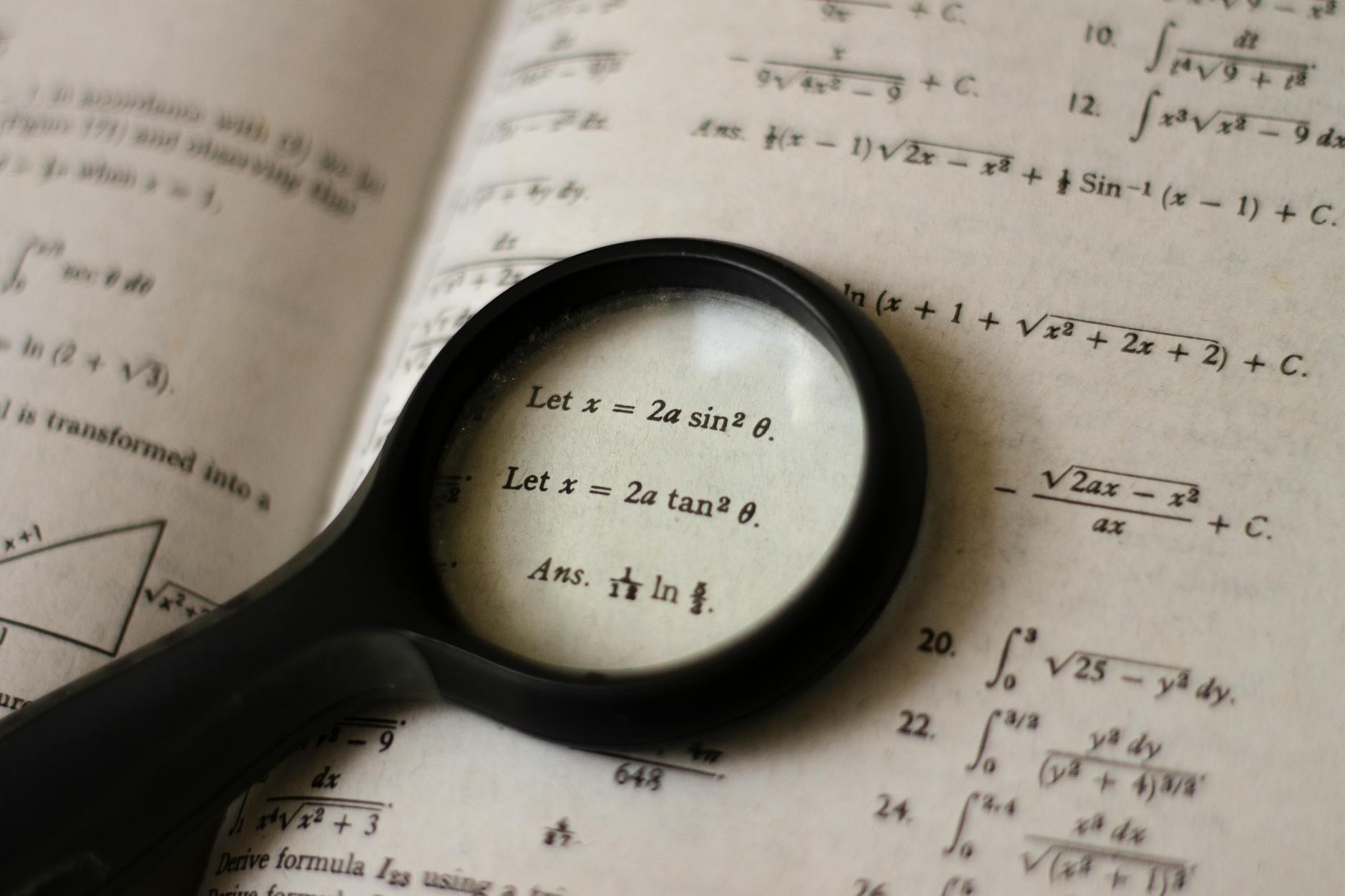
Who needs college algebra before calc 1?
This matters most for students who have been away from math for a while, students coming from weak high school algebra, and students who can do problems only when the steps stay simple. It also helps transfer students who need a cleaner math foundation college course before they hit a harder class. If you are headed into engineering, physics, business calc, or even some economics tracks, college algebra can save you from a rough first month. I am serious about that. The students who skip this step and hope grit will carry them usually end up re-learning the same content under pressure, and pressure makes math uglier. This does not help someone who already handles functions, factoring, rational expressions, and graph reading without blinking. If you already took a solid algebra class recently and you can solve multi-step problems fast, you may not need to spend extra time here. But if fractions still slow you down or you freeze when a problem mixes rules, that is not a small issue. That is your warning light. A lot of students want to jump from algebra to calc because Calc 1 sounds more impressive. Bad idea. The title sounds harder because it is harder, and it punishes gaps with almost no mercy. One reason I like a course like this college algebra option is that it gives you a clean rebuild before the college math sequence gets mean.
What does college algebra cover before calc 1?
College algebra does one main job: it trains your brain to move through symbols without tripping over the basics. That sounds plain, but it matters a lot. Calc 1 leans on algebra every single week. You simplify before you differentiate. You factor before you cancel. You rewrite expressions so the calculus part becomes visible. Students often think the calculus rules are the hard part, but the real pain comes from the algebra sitting underneath them. That is the part people do not respect enough. A lot of students get one thing backward. They think they need to “know calculus” before they start Calc 1. Not true. They need to know the college algebra pieces that calculus keeps borrowing. Functions, exponent rules, radicals, rational expressions, inverse functions, and graph behavior all show up again. If those skills feel clunky, Calc 1 turns into a code-breaking class. One specific point people miss: a college algebra course usually sits at the level before pre-calculus or calculus in the college math sequence, and that placement matters because Calc 1 assumes you already own the algebra moves. That is why a prep for calculus course can feel boring at times. Boring is fine. Boring algebra often means fewer ugly surprises later.
How does college algebra prepare you for calc 1?
The most common student misconception is this: “I did okay in algebra once, so I am ready for Calc 1.” That line causes a lot of pain. Doing okay is not the same as being fast, clean, and steady. Calc 1 does not reward almost-ready. It rewards habits. If you still need to think hard about factoring a quadratic or combining fractions, Calc 1 will pile that stress onto new ideas like limits and rates of change. Then the problem stops being calculus and starts being a timing issue. First step: get the algebra pieces so automatic that you barely notice them. That means equations, exponents, radicals, factoring, and function notation. Second step: practice them in mixed sets, not neat little piles. That is where many students fall apart. They can do five problems in a row when the topic stays the same, then miss everything when a test mixes topics. Good looks like this: you read a Calc 1 problem, strip away the algebra noise fast, and see the math idea underneath. That skill does not appear by magic. You build it in college algebra, and a strong college algebra course gives you the kind of practice that makes the jump from algebra to calc much less brutal. There is also a dull truth students hate hearing. Speed matters. Not in a reckless way, but in a practical way. Calc 1 tests move fast, and instructors expect you to spend your brainpower on the new ideas, not on basic cleanup. If algebra still eats your time, then limits and derivatives start to feel like a second problem layered on top of the first one. That is where people panic. A good prep for calculus path changes that. It gives you enough reps that the algebra becomes background noise instead of the headline.
Why does college algebra delay calc 1?
A lot of students treat college algebra like a box to check. That mindset gets expensive fast. If you miss this class at the wrong time, you can slide a whole term, sometimes a whole year, because calc 1 usually sits behind it in the college math sequence. I saw that pattern over and over in transfer work. A student would be ready for engineering, nursing, or data science, then hit one missing math foundation college course and lose a full spring start. That delay can push graduation back by one semester, and one semester often means another housing contract, another round of aid forms, and another registration cycle. People always think the damage stays in one class. It does not. One skipped prerequisite can mess with your whole plan. College algebra also matters because schools use it as a gate, not just a lesson. If your record shows weak prep for calculus, advisors often steer you into a lower math lane. That sounds harmless. It is not. It can block the exact section you need for your major, and then you spend months stuck in a holding pattern.
The Complete Algebra Credit Guide
UPI Study has a full resource page built specifically for algebra — covering which courses count, how credits transfer to US and Canadian colleges, and how to get started at $250 per course with no deadlines.
See the Full Algebra Page →The real-world grind of college algebra before calc 1
First mistake: a student takes a math class that sounds close enough, like a basic quantitative course, instead of true college algebra. That choice seems smart because the title feels easier and faster. Then calc 1 never opens up, so the student pays for a class that does not move the degree forward. That is brutal. I have never liked that kind of wasted step, because it looks cheap until it blocks a whole term. Second mistake: a student assumes a pass in high school algebra means they can skip college algebra. That sounds reasonable, especially if they did well before. The trouble comes from pace and depth. Calc 1 asks for faster algebra moves, sharper graph reading, and better function work than most high school classes demand. The student enters prep for calculus undercooked, then struggles on day one. Third mistake: a student starts too late in the term and hopes to “catch up.” That feels hopeful, not careless. But math has a memory problem. If you miss the early function units or the review on exponents and radicals, every later topic slows down. Then the student pays for tutoring, extra attempts, or a delayed retake. Principles of Statistics can wait for another term; algebra cannot.
What should you check before calc 1?
Before you sign up, check whether your degree plan asks for college algebra by name, not just “math elective” or “quantitative reasoning.” Those labels can look close on paper and still lead to different outcomes. Second, check whether your next class in the college math sequence lists college algebra as a hard prerequisite, because that tells you whether you can move straight into calc 1 or you still need one more step. Third, look at your timeline. If you need math for a fall start, count backward now. Fourth, make sure the course format matches how you work. Some students want live class pressure. Others do better with self-paced work. If you want to compare the next step after algebra, look at Calculus I and see how much algebra it asks you to handle fast.
Frequently Asked Questions
Start by checking whether you can handle equations with fractions, exponents, and functions without freezing up. That’s the first real step. In college algebra, you build the math foundation college classes expect in Calc 1: solving for variables fast, working with graphs, reading function notation, and spotting where a mistake starts. If you can move through polynomial, rational, and exponential problems with some speed, algebra to calc feels less like a wall and more like a next step. One big reason this matters is that Calc 1 teachers don’t slow down for basic algebra slips. They expect you to fix them on your own. That means a student who spends 5 minutes cleaning up one equation in algebra can lose the whole problem later in calculus, where the same skill shows up in limits, derivatives, and chain rule work.
You need solid algebra skills, not perfect ones, before you start Calc 1. If you can solve equations, simplify expressions, and work with functions, you’ve already got a useful prep for calculus base. The caveat is that Calc 1 moves fast, and weak spots show up right away. A tiny sign error in college algebra can turn a derivative problem into a mess. That’s why students who rush through the college math sequence often hit the same walls later. You don’t need to be the top math student in the room. You do need to know how to factor, combine like terms, handle exponents, and graph basic functions without panic. Those skills save time on almost every page of Calc 1 homework, especially on the first 3 weeks when teachers spend a lot of class time on notation and setup.
The most common wrong assumption is that calculus is all about new math and almost no algebra. That’s not how it works. In reality, college algebra sits under nearly every part of the college math sequence, so weak algebra shows up in limits, derivatives, and even word problems. Students think they need to learn fancy calculus tricks, but the real trouble usually comes from simple stuff like factoring a trinomial or moving a negative sign. A student might know the derivative rule but still miss the answer because they didn’t simplify the expression first. That’s why a strong math foundation college course matters. It cuts down on avoidable mistakes and makes algebra to calc feel normal instead of scary, especially when you start mixing functions, fractions, and roots in the same problem set.
Most students do more practice problems, but what actually works is fixing the exact skill that keeps breaking. If you keep missing fractions, spend 20 minutes a day on fraction operations. If graphs slow you down, redraw 10 function graphs by hand. That kind of prep for calculus beats random review. You’ll also want to time yourself. Try 12 problems in 15 minutes, then check every step, not just the final answer. Calc 1 punishes slow algebra. It does. You don’t need huge study marathons, either. Short, sharp practice works better because it trains speed and accuracy together. Keep a small error list with the 3 mistakes you make most, like sign slips, exponent rules, or factoring errors, and hit those every week before you move on to new material in the college math sequence.
This applies to you if you haven’t used algebra in a while, if you struggle with fractions, or if you plan to take Calc 1 for science, business, engineering, or stats. It doesn’t apply the same way if you already use functions and equations every week in another math class. Students coming from a strong pre-calc or honors track often need less review, but they still need clean skills in college algebra. The people who feel the biggest jump are usually the ones who left math for a year or two. They lose speed. Fast. If that sounds like you, focus on the math foundation college classes ask for: solving equations, graphing lines and curves, and simplifying expressions without second-guessing yourself. Those habits matter before you ever see a derivative rule.
If you spend $0 on extra tutoring but 30 minutes a day on algebra practice, you can make a huge difference in Calc 1 readiness. That number matters because most Calc 1 failures don’t come from one hard idea. They come from 5 or 6 small algebra mistakes stacked together. When you know college algebra well, you can handle the algebra to calc shift without getting stuck on the setup. You’ll spend less time reworking equations and more time learning the new ideas in derivatives and limits. A strong college math sequence starts with clean algebra skills, then builds from there. If you keep a notebook of every missed step and redo those problems 2 days later, you’ll notice the same errors disappear faster than they do with rereading notes or watching long videos.
Final Thoughts
College algebra does more than fill a slot on your schedule. It sets the tone for everything that comes after, especially if your major points you toward calculus. If you treat it like a throwaway class, calc 1 usually makes you pay for that choice later. If you treat it like the setup it is, you give yourself a cleaner shot at the rest of the math path.
The way this actually clicks
Skip step 3 and the whole thing is wasted.
Ready to Earn College Credit?
ACE & NCCRS approved · Self-paced · Transfer to colleges · $250/course or $99/month