
Artificial intelligence, or AI, is software that does tasks people link with thinking, like spotting patterns, reading language, and making predictions. It does not mean a robot with feelings or a machine that thinks like a human. Most AI is narrow software built for one job, like filtering spam, ranking search results, or flagging fraud in a bank account. That mistake trips up a lot of students. They picture a super-smart machine from a movie, then miss the real point: AI usually works by learning from data and making fast guesses with rules, stats, or both. A phone keyboard that predicts your next word uses AI. So does a streaming app that recommends a 2024 show after you watched three crime dramas. AI matters because it helps with speed, scale, and pattern spotting. A person can review 20 images. AI can review 20,000. A person can miss a tiny pattern in 5 million rows of data. AI can catch it in seconds. That is why schools, hospitals, banks, and tech companies keep using it. The real question is not whether AI is magic. The real question is what job it does, what data it uses, and where it saves time without making a mess.
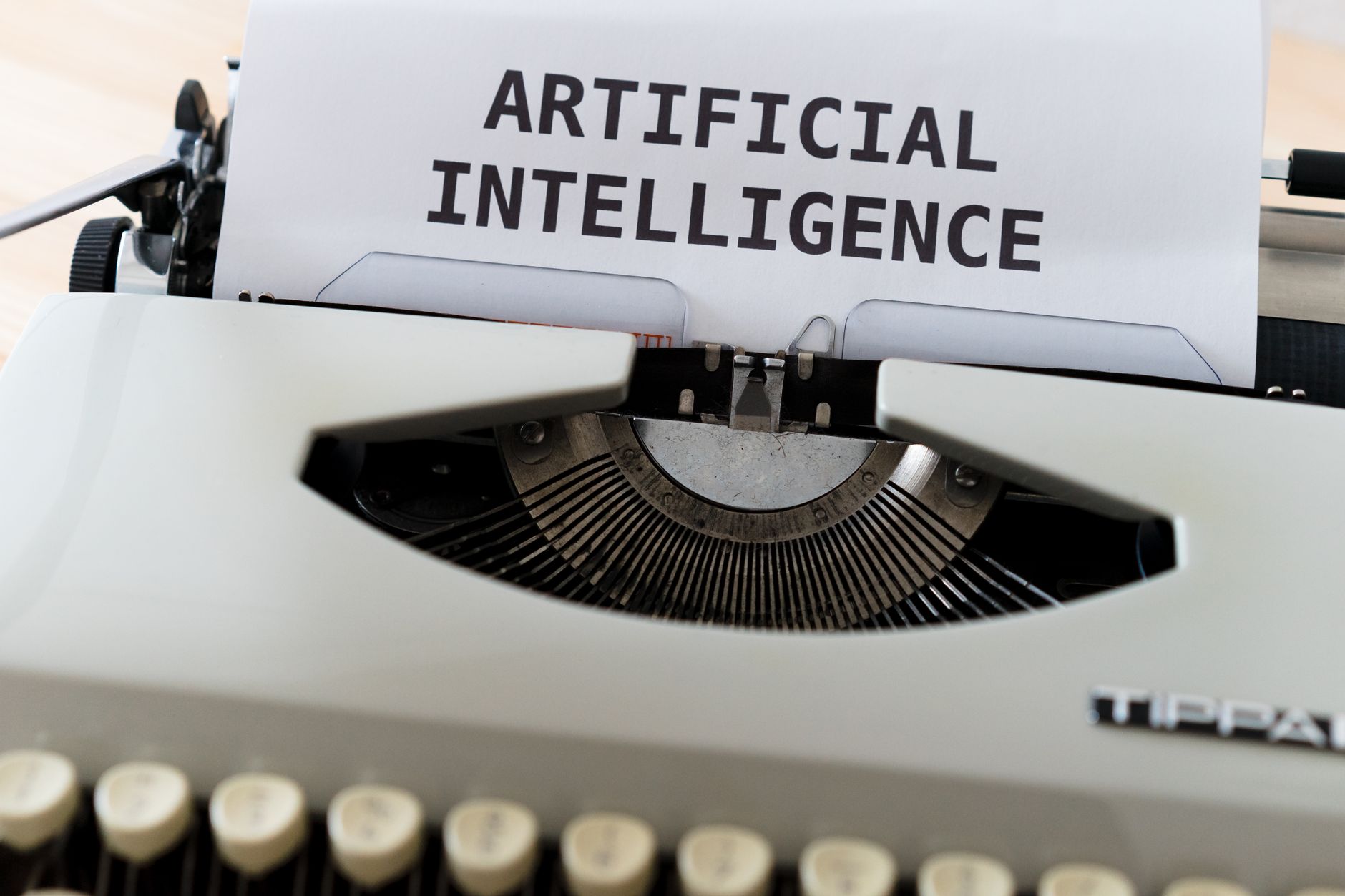
What Is Artificial Intelligence, Really?
Artificial intelligence is software that does tasks people connect with thinking, like recognizing patterns, understanding speech, and making predictions from data. In 1956, the term AI took hold at Dartmouth College, and today most systems still do one narrow job, not everything at once.
The catch: AI is not one brain in a box. It is a pile of models, rules, and training data that handle jobs like spam filtering, image tagging, or search ranking, and that narrow focus is the whole trick.
The common student mistake sounds simple: they think AI means a machine that thinks like a person. That idea makes for good movies, but it misses how real systems work in 2026. A bank fraud model does not “understand” money the way a person does. It learns patterns from thousands or millions of past transactions, then scores new ones.
Most AI today is specialized software trained on examples. If you feed a system 10,000 labeled cat photos, it can learn to spot cats in new photos. If you feed it 2 million customer support chats, it can sort messages by topic or urgency. That is why people call it narrow AI. It handles one task well, then falls apart outside that lane.
That limitation matters. A model trained to spot tumors in X-rays cannot suddenly write a legal brief or fix a broken engine. Students get this wrong all the time, and the mistake leads to bad decisions about AI’s power and its limits.
Why Was Artificial Intelligence Created?
People built AI to handle huge amounts of data faster than a human team can, to find patterns the eye misses, and to cut down repetitive work that burns hours every week. In a world with 24/7 data streams, 1,000 manual checks can become a joke fast.
Reality check: AI shines when speed, scale, or consistency matter more than a person doing every step by hand. A human can review 50 insurance claims; a model can scan 50,000 and flag the odd ones in minutes.
That is the real reason AI keeps spreading. A hospital may get 8,000 imaging files in a month. A retailer may see millions of purchases across 12 months. A person cannot read all of that without missing things, getting tired, or slowing down. AI does not get bored at 2 a.m., and that gives it a nasty edge in repetitive work.
It also helps under uncertainty. Weather models, fraud systems, and customer churn tools all deal with messy facts, not clean math problems from a schoolbook. AI gives a probability, not a magic answer. That is useful because managers, doctors, and teachers often need a fast best guess before they act.
The downside is plain. AI can repeat old bias, miss context, or make a confident wrong call if the data looks bad. That makes human review necessary in high-stakes work, especially in medicine, hiring, and credit decisions.
Learn Artificial Intelligence Online for College Credit
This is one topic inside the full Artificial Intelligence course on UPI Study — a self-paced, online class that earns real college credit. Credits are ACE and NCCRS evaluated and transfer to partner colleges across the US and Canada. Courses start at $250 with no deadlines and lifetime access.
Browse AI Course →How Does Artificial Intelligence Make Decisions?
AI makes decisions by learning patterns from training data, turning those patterns into a model, and then using that model to predict what comes next. A model trained on 100,000 past emails can learn which words, sender clues, and links often mean spam, while another model trained on 1 million purchases can guess what item a shopper may want next. That does not make it smart in a human sense. It makes it good at prediction.
Worth knowing: Most AI systems assist people, not replace them, because the best use of AI is often speed plus a human check. A doctor still reads the scan, a teacher still reads the essay, and a fraud analyst still makes the final call.
- Classification: AI sorts items into groups, like spam versus inbox or approved versus risky.
- Recommendation: AI suggests songs, videos, or products based on past behavior from millions of users.
- Anomaly detection: AI spots weird patterns, like a card charge in another country at 3 a.m.
- Forecasting: AI predicts demand, traffic, or sales using past data and trend lines.
- Language understanding: AI reads, writes, and summarizes text, which powers chatbots and search tools.
Where Is Artificial Intelligence Used Today?
AI shows up in ordinary tools all day long, not just in labs. In 2025, a lot of the software people touch every hour uses some form of pattern recognition, ranking, or prediction.
- Search engines use AI to rank results and guess what you mean after 2 or 3 words.
- Streaming apps use AI to recommend shows, songs, and movies based on watch history and similar users.
- Spam filters use AI to block junk mail before it hits your inbox, often in under 1 second.
- Navigation apps use AI to predict traffic, reroute drivers, and estimate arrival times minute by minute.
- Chatbots use AI to answer common questions, handle support requests, and cut wait times at busy companies.
- Banks use AI for fraud detection, scanning thousands of transactions for strange patterns and risk flags.
- Medical imaging systems use AI to help spot issues in X-rays, CT scans, and MRIs before a specialist reviews them.
Bottom line: Manufacturing plants use AI to watch machines, catch faults early, and reduce downtime that can cost thousands of dollars per hour.
How Do Machine Learning And AI Relate?
AI is the big umbrella, and machine learning is one major way AI learns from data. Deep learning sits inside machine learning and uses multi-layer neural networks, like the systems behind image recognition and speech tools in the 2010s and 2020s.
Students mix these terms up because people use them loosely in class, in job ads, and even in news stories. A rule-based chess program from 1997 counts as AI, but it does not need machine learning. A model trained on 500,000 labeled photos does use machine learning. That difference matters if you want to understand what the software actually does.
Not every AI system learns from data. Some use hard-coded rules, if-then logic, or search methods. Machine learning, though, powers a huge share of modern AI because it adapts as it sees more examples. That is why a spam filter from 2014 can look very different from one in 2026.
The downside is simple: machine learning needs good data, and bad data makes bad predictions. If the training set is small, skewed, or outdated, the model can miss the mark in a hurry.
Frequently Asked Questions about Artificial Intelligence
This applies to you if you're a student, job seeker, or curious learner who wants a plain view of AI and how it works in real life. It doesn't fit you if you want code-heavy math, like neural network formulas or Python models, because this stays at the 101 level.
Start with a simple introduction to artificial intelligence course that explains pattern recognition, prediction, and automation in 3 parts. Then look at 3 real uses: spam filters, recommendation systems, and voice assistants. That gives you the core idea fast.
Most students memorize the term 'AI' and stop there, but that gets you nowhere. What works is tying the idea to 3 jobs AI does: classifying data, spotting patterns, and making predictions from large data sets with thousands or millions of examples.
What surprises most students is that AI often looks smart without thinking like a human at all. A fraud filter can flag 1 suspicious card swipe in a batch of thousands, and a movie app can rank choices in seconds based on past clicks.
The most common wrong assumption is that AI means a robot with human feelings or full judgment. In real life, most AI tools do one narrow task, like sorting emails, detecting faces, or predicting next-word text from huge data sets.
AI is software that learns patterns from data and uses them to make predictions, sort choices, or automate tasks. You see it in map apps, bank fraud alerts, shopping sites, and phone cameras, and it helps people make faster decisions with less manual work.
AI can cut a 2-hour review job down to minutes in tasks like email sorting or document scanning. It won't replace judgment in every case, though, because people still need to check errors, bias, and false matches.
If you get AI wrong, you'll trust bad outputs, misuse tools, and make weak decisions from clean-looking but wrong data. That can lead to bad grades, bad business calls, or bad hiring choices, especially when the model sees only 1 side of a problem.
Yes, an introduction to artificial intelligence online course can come with college credit, ace nccrs credit, or transferable credit at cooperating schools. That matters if you want to study online and still move learning toward a degree.
AI predicts likely outcomes by comparing new data with old patterns, like spotting which products a shopper may buy next or which loan might carry higher risk. It works best when the data set is large and the task has clear rules.
You see AI in search results, grammar checks, tutoring chat tools, and customer service chatbots. Schools use it for plagiarism checks and adaptive quizzes, while companies use it for routing calls, ranking leads, and flagging fraud.
AI is designed to handle tasks that involve lots of data, repeat often, or need fast pattern spotting. That includes sorting, prediction, image recognition, and text analysis, and it's useful when humans would take too long or miss small signals.
AI is software that uses data to do tasks like predict, sort, and automate work. That's the cleanest way to explain it, and it fits examples from recommendation feeds, medical scans, and spam filters without turning it into tech jargon.
Final Thoughts on Artificial Intelligence
AI is not one thing. It is a set of tools that help software spot patterns, make predictions, sort messages, recommend content, and cut down repetitive work. That is why you see it in search engines, fraud checks, medical images, navigation apps, and chatbots. The hype machine loves to talk about sentient robots, but that picture wastes time. Real AI usually looks boring, useful, and a little messy. The most common mistake students make is treating AI like magic. It is not magic. It needs data, it needs a clear task, and it can fail hard when the data is bad or the job changes. That is also why the AI vs. machine learning split matters. AI is the broad field. Machine learning is one major method inside it. Deep learning sits inside that. If you remember one thing, remember this: AI works best when a task involves lots of data, repeat work, or fast prediction under uncertainty. That is the practical purpose. Not fantasy. Not science fiction. Use that lens the next time you see AI in an app, a class, or a news story, and ask what problem it solves before you trust the result.
How UPI Study credits actually work
Ready to Earn College Credit?
ACE & NCCRS approved · Self-paced · Transfer to colleges · $250/course or $99/month