
Calculus 1 does not reward fake studying. If you want real results, use one tight loop: learn one idea, do a few problems cold, fix your mistakes, then redo the same type of problem from memory the next day. That works best for students in engineering, because Calc 1 hits hard and fast, and a sloppy start turns into a bad grade by week 4. Most students waste time by rereading notes and calling that work. That habit feels safe. It is also weak. A better calculus 1 study method forces your brain to pull steps out on its own, which is what exams ask for. If you are trying to figure out how to study calculus 1, stop chasing more pages and start chasing cleaner reps.
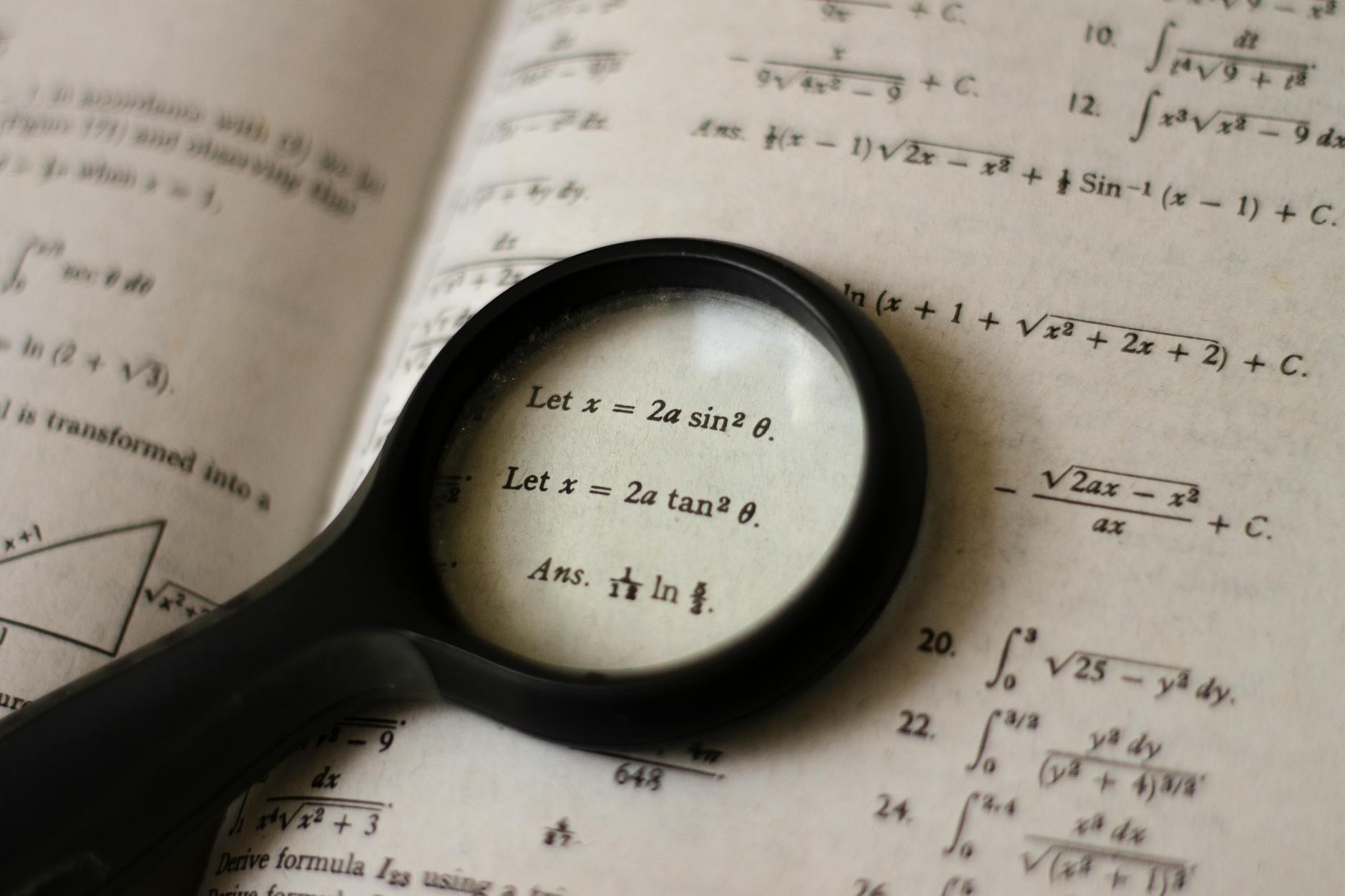
Which students does Calculus 1 study help?
This method works for students who need Calc 1 for a real degree path, like mechanical engineering, civil engineering, computer science, or physics. It also fits pre-med students who need a strong grade because one bad math class can drag their GPA down fast. If you need a solid calculus 1 study guide, this is the kind that helps because it tells you what to do with the material, not just what the material is. It does not help the student who never opens the homework until the night before the test. That person does not have a study problem. They have a habits problem. If you already know how to do most algebra steps fast, this system will help you a lot. If algebra still trips you up, you need to fix that too, because Calc 1 will expose weak algebra in a nasty way. I mean that. Not as a scare tactic. As a fact.
Your Calculus 1 Study Guide
What this means: You should not wait until you feel “ready” to start. Ready is a trap. Start with one section of the syllabus and build from there.
Why do students fail Calculus 1 recall?
This is not “study harder.” That advice is lazy. This is a memory-and-error method built for math. You read just enough to know the rule, then you force yourself to use it without help. That gap between “I saw it” and “I can do it cold” is where most students fail. Here’s the part people get wrong: they think understanding a worked example means they can solve a new problem. Not true. Recognition is cheap. Recall is hard. Calc 1 tests recall. A student can stare at the power rule and feel fine, then blank out on a mixed problem that asks for a derivative and a tangent line in the same question. That is normal. It is also fixable. Your notes should stay tiny. One rule. One example. One common mistake. For limits, that might mean noting when you can use direct substitution and when you cannot. For derivatives, it might mean writing the chain rule in plain words before you touch the symbols. Worth knowing: Most Calc 1 exams reward clean setup more than flashy speed. The College Board AP Calc AB exam, for example, gives heavy weight to showing your steps, and your professor usually cares about the same thing.
Why Calculus 1 Grades Swing Hard
Take a student in mechanical engineering. They need Calc 1 because they will use rates of change, motion, and optimization later, and they need the grade now because this class can knock out a scholarship fast. The first step is simple: after each lecture, they make a one-page sheet for that day only. Not the whole chapter. Just that day. One rule for limits, one rule for derivatives, one example, one trap. Then they do three problems cold with no notes. That tiny start feels slow, but it forces real learning. Then the trouble shows up. Most students check the answer too early and call that practice. That ruins the process. If you peek right away, you never find your weak spot. Better looks like this: you try a problem, mark the exact line where you got stuck, and write why. Did you forget the chain rule? Did you lose a negative sign? Did you set up the limit wrong? Be specific. Vague notes help nobody. And yes, this gets boring. Good. Boring beats sloppy. One more thing. You need repetition across days, not one heroic marathon. The last step is the one students skip, and it matters most. Redo the same problem type 24 hours later without looking at the old work. If you miss it again, your brain was guessing the first time. That hurts, but it tells the truth. From there, you build a small set of problem types for each week: limits, derivative rules, tangent lines, related rates, and optimization. Keep the set tight. If your list gets huge, you lose control and start panic-studying like everyone else. The smart move feels plain. That is why it works.
The Complete Calculus 1 Credit Guide
UPI Study has a full resource page built specifically for calculus 1 — covering which courses count, how credits transfer to US and Canadian colleges, and how to get started at $250 per course with no deadlines.
See the Full Calculus 1 Page →Why does Calculus 1 delay graduation?
Most students miss the same ugly fact: Calc 1 does not just sit on your transcript and look annoying. It decides whether you move into the next math class on time. Miss it by one term and you can slide a whole semester, sometimes a full year, because the next classes often stack on top of it. That delay can push back graduation, internship timing, and even the classes you planned to take next. The catch: many degree plans only give you one shot each term to stay on pace. If you wait until next year to fix it, you do not just lose a class. You lose momentum. That is why a solid calculus 1 study method matters more than people admit. Students ask how to study for calculus 1 like they are looking for a neat trick. There is no trick. You need daily practice, brutal honesty about weak spots, and enough repetition to make derivatives and limits feel boring. Boring is good. Boring means you can do the work without panic. A lot of students also ignore the time cost. They think, “I’ll just cram before the exam.” Bad plan. Calc 1 punishes cramming hard.
How does a self-paced Calculus 1 course help?
UPI Study fits here because it gives you a clean path through Calc 1 without the junk that slows people down. The course is self-paced, so you can spend more time on the parts that actually hurt, like limits, derivatives, and graph reading. It also uses ACE and NCCRS approval, which matters for students who want college credit from a nontraditional course. Calculus I gives you a direct place to work through the material at your own speed. That matters if you need a course that lets you move fast when you know a topic and slow down when you do not. No deadlines means you do not get shoved along before you are ready. That is a real advantage for students who need to study calculus 1 with more control and less noise. UPI Study also offers a large course catalog, so the platform works as part of a bigger degree plan, not just as a one-off fix.
Frequently Asked Questions about Calculus 1
The most common wrong assumption is that you learn Calculus 1 by doing a huge pile of problems. You don't. You learn it by doing 3 steps: read the section once, write a 5-line rule sheet, then solve 5 problems and mark every mistake. That works better than 50 blind reps.
6 to 8 hours a week is enough for most students if you start early. Use a calculus 1 study guide in 3 short blocks: 30 minutes on class notes, 30 minutes on formulas, 60 minutes on mixed problems. Short, repeated work beats one long cram session.
Most students copy examples and hope it sticks. What actually works is active recall: close the book, write the steps from memory, then check what you missed. That how to study calculus 1 method forces your brain to pull out the process, not just stare at it.
If you get it wrong, you hit the exam and freeze on basic stuff like limits, derivatives, and chain rule steps. That turns a 70-minute test into a panic mess. Build your math, your notes, and your speed at the same time, or calculus 1 eats your grade fast.
Use spaced review, not marathon cramming. Study for 25 minutes, take a 5-minute break, then come back later the same day and again 2 days later. That helps you remember formulas like power rule, product rule, and trig derivatives when the test hits.
Start by making a one-page error log. Write the problem type, your mistake, and the correct step, then redo that exact problem 24 hours later. This gives you a real study tips calculus routine, not fake busy work.
Final Thoughts on Calculus 1
Check these first: before you enroll, look at four things: the exact topics in the syllabus, the number of proctored exams, the format of the final, and the support you get when a problem stumps you. Those details matter more than fancy sales copy. A course can look smooth and still miss the parts your degree needs. Also ask yourself a blunt question: do you want a class that teaches Calc 1, or do you want one that helps you finish it on a schedule you can live with? That answer changes what you should buy. If you want a self-paced option, Discrete Mathematics shows the same kind of structure for another math course, so you can see how a course page lays out expectations before you commit. That saves you from guessing. Guessing gets expensive. You should also check whether the course gives enough practice problems. One tiny quiz per unit is not enough for calculus. You need reps. Lots of them. Calc 1 rewards discipline and punishes wishful thinking. That sounds harsh because it is harsh. If you want to know how to study for calculus 1, start with one rule: do problems every day, and do them without looking at the answer first. Then fix your mistakes in writing. That simple habit beats most fancy study plans. If you want a practical next step, pick a course, print the topic list, and block 60 minutes a day for the next 14 days. Not someday. Today.
The way this actually clicks
Skip step 3 and the whole thing is wasted.
Ready to Earn College Credit?
ACE & NCCRS approved · Self-paced · Transfer to colleges · $250/course or $99/month