
An online chemistry lab course replaces bench work with a mix of video demos, simulations, data sets, pre-lab quizzes, and lab reports. You still learn how to read results, spot errors, and write up experiments, but you do not stand at a bench with glassware in your hands. That tradeoff matters. A virtual chemistry lab can teach procedure and judgment well, and it can fit a busy schedule because many courses run self-paced or with weekly deadlines. What it cannot copy is the feel of real equipment, the small messes, and the quick fixes you make when a setup goes wrong. That loss is real, and students should hear it plainly before they enroll. Most online lab science course formats ask for 4–8 hours a week, though some faster terms ask for more. You may watch a 10-minute demo, finish a 5-question quiz, run a simulation, and then turn in a lab report with tables, graphs, and short answers. Some schools grade the work with auto-graded quizzes and a final proctored exam. Others grade every report by hand. The big question is not whether the course counts as science. It is whether the course matches the credit rule for your program, because a chemistry lab online credit can satisfy one school and miss the mark at another. That is where the details matter most.
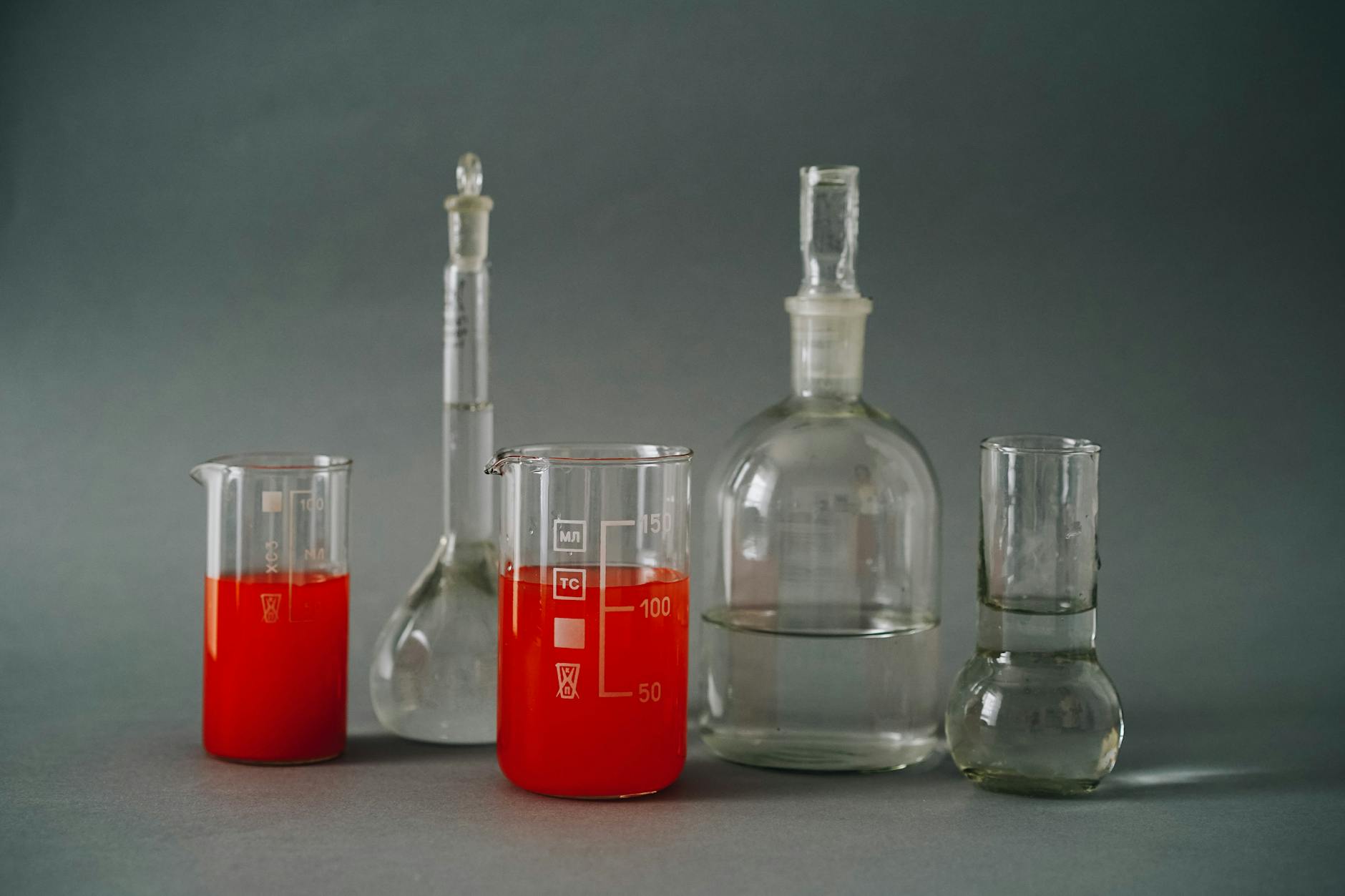
How Does an Online Chemistry Lab Actually Work?
An online chemistry lab course starts with a login, a module list, and a lab schedule that may run by week or by checkpoint. A typical unit can include a 10–15 minute video demo, a 5–10 question pre-lab quiz, a simulation run, and a report due in the same week.
Most students spend 4–8 hours per week on one lab course, though a compressed 8-week term can push that higher. Some classes stay fully self-paced, so you can move faster after a familiar topic and slower after a harder one like gas laws or titration.
The catch: The course does not hand you a bench and a Bunsen burner. Instead, it gives you structured practice with data, choices, and mistakes that look and feel close enough to the real thing for grading and learning.
A good online chemistry lab usually includes a short lecture, a demo of the setup, and a task like identifying reactants, predicting a result, or comparing trial data from 3 runs. Then you submit a lab report with calculations, a results table, and a conclusion that explains why the numbers came out the way they did.
Some schools use auto-graded quizzes for the basics and proctored exams for the bigger checks. Others grade each report by hand, which takes more time but catches sloppy reasoning fast. I like that setup better than bare simulations, because it forces you to explain your thinking instead of clicking until the screen turns green.
Synchronous labs do exist, but many online lab science course formats stay asynchronous. That means you can start at 7 a.m. on a Tuesday or 11 p.m. on a Sunday. The course still demands real work, just not real-time attendance in a campus room.
What Replaces Bench Work in Online Chemistry Lab?
The main substitutes are virtual chemistry lab software, recorded experiments, remote data sets, and safe at-home demos that use common items like salt, vinegar, or food coloring. These tools give you 80% of the thinking work in a cleaner package, but they cannot fully copy the feel of pouring, measuring, or fixing a bad setup with your hands.
Reality check: A screen can teach method, but it cannot teach muscle memory the way a real burette or pipette does.
- Virtual chemistry labs let you repeat a trial 3, 5, or 10 times without wasting materials.
- Recorded instructor experiments show technique, color change, and timing in a controlled 5–20 minute clip.
- Remote data sets train error checks, graphing, and averages across 2 or 3 sample runs.
- Household-safe demos cover observation and safety, but they skip hot plates, glassware breakage, and fumes.
- Simulation software teaches procedure and reasoning well, yet it reduces real-world instrument handling.
Those substitutes work best for observation, calculation, and lab safety. They also train you to spot bad data, which matters in every chemistry class after this one.
What they weaken is tactile skill. You do not learn the weight of a volumetric flask, the feel of a tight stopper, or the small panic that hits when a setup leaks. That is not a tiny loss. It changes how ready you feel the first time you enter a physical lab.
Which Skills Do Online Chemistry Labs Teach?
An online chemistry lab teaches stoichiometry, error analysis, graphing, lab write-ups, experimental design, and scientific judgment. Those are not side skills. They sit at the center of later chemistry work, including general chemistry, organic chemistry, and nursing prereqs that still expect clean data and clear reasoning.
A strong course will make you balance equations, predict limiting reactants, calculate percent error, and explain a trend in 2 or 3 sentences. It will also make you fix messy numbers. That part matters more than people expect, because chemistry rarely hands you perfect data on the first try.
Worth knowing: Students often learn the report side faster than the hands-on side, and that shift changes how the course feels.
What gets lost is just as clear. You usually get less practice with pipetting, glassware handling, equipment troubleshooting, and the awkward reality of a wet bench. You also miss the minor chaos that teaches timing, patience, and cleanup habits. A video cannot make you care about a cracked beaker the way a real one does.
Still, a well-built online lab can prepare you for later classes by drilling the logic behind the work. If you can explain a 12% error, build a graph from raw numbers, and defend a conclusion from 3 trials, you have learned something real. I would call that solid academic training, even if it never gives you the smell of acetone or the sound of a fume hood.
The Complete Resource for Online Chemistry Lab
UPI Study has a full resource page built specifically for online chemistry lab — covering which courses count, how credits transfer to US and Canadian colleges, and how to get started at $250 per course with no deadlines.
Explore Chemistry Lab Course →Which Programs Accept Online Chemistry Lab Credit?
Acceptance depends on the institution and the exact course format, so the same chemistry lab online credit can land cleanly in one plan and miss in another. The main divide sits between general education, health programs, and lab-heavy majors, and that split matters more than the course title.
| Program type | Typical acceptance of online lab credit | Common restrictions | What to verify before enrolling |
|---|---|---|---|
| Community colleges | Often accepted for gen ed | Minimum grade C; lab must match course hours | Course name, 1 term or self-paced format |
| Four-year universities | Varies by campus | May reject fully online labs for science majors | Transfer guide and lab component rules |
| Nursing and allied health | Sometimes accepted for prerequisites | Commonly wants in-person or hybrid labs | Program handbook and course description |
| General education requirements | More flexible | Credit-hour match and approved provider | Whether the lab carries 1 semester credit |
| Lab-intensive majors | Least flexible | Often require physical bench hours | Department policy for biology, chemistry, or engineering |
The pattern is plain: the closer a program ties itself to hands-on lab training, the tighter the rule. A gen ed box is easier to fill than a nursing prereq or a chemistry major requirement.
How Do Online Chemistry Lab Courses Compare?
A side-by-side look helps because one lab can be cheap, flexible, and accepted, while another can cost less but block transfer. The payment model matters too, since some students want a one-time fee and lifetime access, not a new term bill every 8 or 16 weeks.
- Self-paced accredited courses: one-time payment, lifetime access, and room to take several courses at once.
- Term-based online labs: usually billed per term, with 8- or 16-week deadlines and fixed pacing.
- Hybrid labs: part online, part campus, so you get some bench time and some screen work.
- In-person labs: best for glassware, pipetting, and equipment handling, but least flexible on schedule.
- Self-paced options: strong for students who want chemistry lab online credit without waiting for a full semester.
- All formats: acceptance policies vary, so the course title and credit type matter more than the marketing copy.
How UPI Study Fits an Online Chemistry Lab
A self-paced chemistry lab course makes the most sense when you want 1 price, 1 enrollment, and the freedom to move as fast as your week allows. UPI Study offers that model with 90+ college-level courses, ACE and NCCRS approval, and a $250 per course option or $99 per month for unlimited access.
UPI Study fits students who want to finish chemistry lab work on their own timeline, not a campus calendar. You can work through several courses at a time, and you keep lifetime access after enrollment. That matters if you need a second look at a lab report style, a calculation method, or a quiz topic from 3 months ago.
The promoted course page is here: online chemistry lab course. UPI Study also keeps the setup simple because credits come from ACE and NCCRS approved courses, which partner US and Canadian colleges recognize for transfer.
For students building a full plan, that structure can save a lot of waiting. A term-based setup might lock you into 1 course every 8 or 16 weeks, while a self-paced model lets you stack courses when your schedule opens up. That is a real advantage, and I prefer it for adults, transfer students, and anyone balancing work with school.
You can also compare the lab page with Chemistry I if you need the lecture side, or pair it with Environmental Science when your degree plan needs another science credit.
Frequently Asked Questions about Online Chemistry Lab
If you get an online chemistry lab wrong, you can miss the lab credit, fail a program rule, or lose time and money trying to replace it later. Some health and science programs need a 1:1 lab match, so a wrong pick can block transfer even if the lecture earns credit.
Start by logging into the course site, reading the lab safety rules, and opening the first simulation or video lab. In a good online chemistry lab, you submit data, calculations, and lab reports in 1 place, and the course often runs with 24/7 access plus set due dates.
Most students think they need a real bench with glassware, but what actually works is a mix of simulations, recorded experiments, data analysis, and report writing. You learn stoichiometry, error spotting, lab math, and chemical reasoning without standing in a campus lab for 3 hours a week.
The most common wrong assumption is that a virtual chemistry lab means easy credit with no real work. That misses the hard part: you still have to read procedures, handle measurements, interpret results, and turn in full lab reports, just without burner flames or sink cleanup.
A chemistry lab online credit course often costs tuition plus a lab fee, and self-paced accredited options usually use one-time payment pricing with lifetime access. That setup lets you work through several courses at a time instead of 1 per term, which helps if you need to move fast.
This fits you if your school accepts online lab credit for gen chem, non-major science, or degree completion, and it does not fit you if your program demands in-person bench work for licensure or advanced lab placement. Nursing, pre-med, and some engineering tracks often want the in-person version.
What surprises most students is how much of lab science is really data work, not just hands-on mixing. You may spend 20 to 40 minutes on a simulation and another 30 to 60 minutes on analysis, which can feel more like a real research class than a demo.
Yes, online chemistry lab courses count for transfer at cooperating universities when the course matches the required lab level and contact hours. ACE and NCCRS-approved courses give you a clear credit record, and they work best for general chemistry, intro chemistry, and non-major science paths.
Community colleges, many adult degree-completion programs, and several online universities accept online chemistry labs, while some nursing, pre-med, pharmacy, and engineering programs do not. The split usually depends on whether the school wants a 3- to 4-credit lab with hands-on bench time or accepts simulation-based lab work.
An online chemistry lab gives you more flexibility, the same core ideas, and easier scheduling, while an in-person lab gives you real glassware, live equipment use, and direct bench practice. The short version: online wins on time and access; campus wins on physical handling. | Format | What you do | What you learn well | What you lose | |---|---|---|---| | Online chemistry lab | Simulations, data sets, reports | Lab math, analysis, theory | Hands-on equipment use | | In-person lab | Bench experiments, live supervision | Technique, timing, handling | Flexibility, speed | | Hybrid lab | Some online work, some campus work | Both sides, partly | Full freedom and full bench time |
You can explore an accredited online chemistry lab course through UPI Study, where self-paced classes use one-time payment pricing and lifetime access. If you want chemistry lab online credit without being tied to a 15-week term, that format gives you room to move faster.
Final Thoughts on Online Chemistry Lab
An online chemistry lab works because it teaches the thinking behind the bench work, not the bench work itself. You still practice data handling, lab reports, calculations, and scientific judgment. You do not get the same grip on glassware, pipettes, or live equipment, and that gap matters for some majors more than others. The smart move is to treat the course like a credit decision first and a learning format second. If your program accepts online lab credit, a virtual chemistry lab can save time, cut schedule stress, and still give you real science work. If your program wants physical bench hours, then a screen-based lab will miss the mark no matter how polished it looks. A good course should spell out the format, the grading, the weekly load, and the credit type in plain words. If it hides those details, walk away. Chemistry already has enough traps in the subject itself. Pick the course that fits your degree plan, your time, and the way you learn best, then start the one that matches your transfer goal.
How UPI Study credits actually work
Ready to Earn College Credit?
ACE & NCCRS approved · Self-paced · Transfer to colleges · $250/course or $99/month