
Batteries and fuel cells in chemistry are electrochemical cells that turn chemical energy into electrical energy through redox reactions. One substance loses electrons while another gains them, and those electrons move through a wire to do work. The most common student mistake is to think a battery makes electricity from nowhere. It does not. A battery stores reactants inside the cell, so it has a limited supply of chemical energy. A fuel cell also uses redox chemistry, but it keeps working only while fuel and oxygen keep coming in from outside. That difference matters a lot in a chemistry I course. A dry cell, a lithium-ion battery, and a hydrogen fuel cell can all power devices, but they do not act the same way, and they do not ask the same question on an exam. Students often mix up "stores energy" and "uses a fuel source," then lose easy points on half-reaction questions. That is the trap. Think of the cell as a controlled electron path. The anode gives up electrons, the cathode takes them in, and the electrolyte moves ions to keep charge balanced. Once you see that setup, the whole topic stops looking mysterious. The parts matter. The reaction direction matters. And the source of the reactants matters even more.
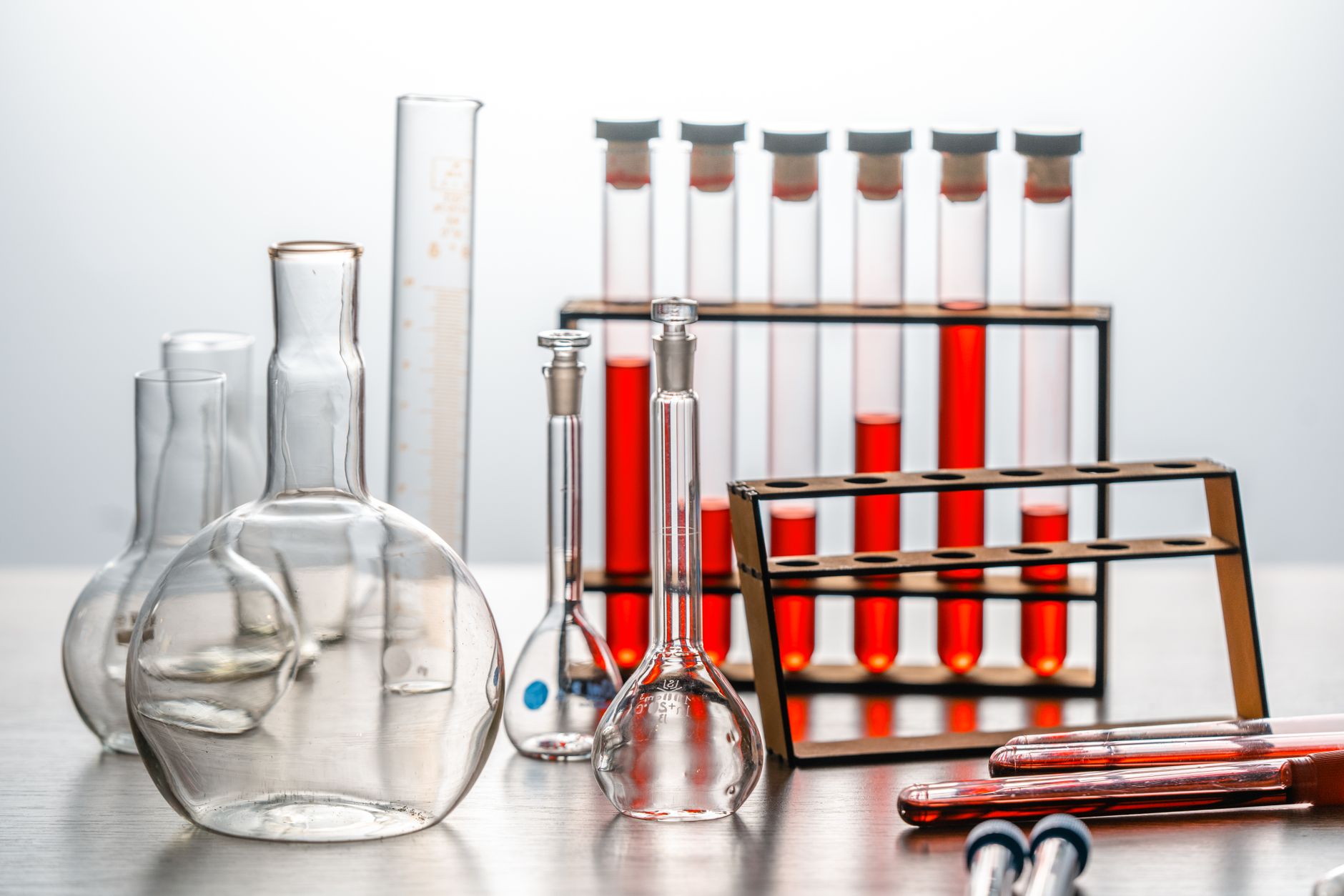
What Are Batteries and Fuel Cells?
Batteries and fuel cells are electrochemical cells that turn chemical energy into electrical energy by using redox reactions, and that simple definition shows up in almost every chemistry I course. In both devices, oxidation and reduction happen in separate places, so electrons have to travel through an external circuit instead of moving in a single burst inside the cell.
The catch: The biggest misconception is flat-out wrong: a battery does not make electricity from nowhere, and a fuel cell is not just a "better battery" with a fancier name. A primary battery such as a 1.5 V alkaline cell stores its reactants inside the case, while a hydrogen fuel cell keeps taking in H2 and O2 from outside while it runs.
That difference changes everything. A battery has a built-in chemical store with a finite amount of energy, so once the reactants get used up, the voltage drops and the cell dies. A fuel cell can keep producing current for hours or days if the fuel keeps arriving at the right rate, which is why engineers like it for vehicles and backup systems.
Students often miss the word "electrochemical" and treat these devices like little power boxes. Bad idea. The chemistry matters more than the shell. In a Galvanic cell, electrons flow because the redox reaction gives them a path with a lower-energy route, and the wire lets that energy show up as current. A 2026 exam question will not care about the brand name on the case; it will care about whether you know where the reactants sit and what moves first.
How Do Batteries and Fuel Cells Produce Current?
Current starts when oxidation at the anode releases electrons, reduction at the cathode accepts them, and the external circuit gives those electrons a path to move through. In a standard chemistry I course, you usually write the two half-reactions separately first, then combine them so the electrons cancel; that 2-step method keeps the redox logic clear.
At the anode, oxidation means loss of electrons. At the cathode, reduction means gain of electrons. The names do not change just because the cell is a battery or a fuel cell. What changes is the material at each electrode and where the reactants come from. In a zinc-based cell, zinc atoms oxidize to Zn2+ while another species gets reduced at the cathode, and the electrons travel through the wire to do electrical work in a flashlight, calculator, or lab meter.
Reality check: The ions do not sit still. The electrolyte carries charge inside the cell, often by moving ions such as K+, Na+, or H+ so the solution does not build up one side with too much positive or negative charge. Without that ion movement, the reaction would stop after a tiny amount of current, sometimes in less than 1 second in a demo setup.
That is the part students skip, and it costs them points. Electron flow alone does not finish the job. The full circuit needs both electron movement outside the cell and ion movement inside it. When the redox reaction keeps going, the cell keeps doing electrical work until the reactants run low or the supply stops. That is why a fuel cell can run steadily for 10 hours or more in a lab test, while a small battery runs only until its stored chemicals are gone.
Half-reactions look abstract on paper, but they map directly onto what the cell does in real life. Once you can point to the anode, the cathode, the electrolyte, and the wire, the whole system makes sense.
Which Parts Make Batteries and Fuel Cells Work?
A working electrochemical cell needs five parts, and every one of them has a job. Miss one part, and the redox reaction stalls fast. In a typical 1.5 V battery or a hydrogen fuel cell, the parts still follow the same chemistry rules even when the materials change.
- Anode — This is the oxidation side, where electrons leave the species being oxidized. In a primary zinc battery, zinc often plays this role.
- Cathode — This is the reduction side, where electrons arrive and a different species gains them. In many cells, the cathode contains a metal oxide, carbon, or another reduction partner.
- Electrolyte — This material carries ions, not electrons. It may be a liquid, gel, or solid, and its job is to keep charge balanced while the reaction runs.
- Separator or membrane — This barrier keeps the anode and cathode from touching directly, which would short-circuit the cell. In a proton-exchange membrane fuel cell, the membrane also moves H+ ions.
- External circuit — The wire, load, or device gives electrons a path to travel and do useful work, such as lighting a bulb or powering a meter.
- Primary vs. secondary cells — Primary batteries use materials that get used up once. Secondary batteries, like lithium-ion packs, use reversible redox chemistry so the cell can be charged again.
- Fuel cell stack — A fuel cell can use several cells in series, and each one adds voltage. A single cell may give about 0.6-0.8 V under load, so stacks matter.
Worth knowing: The shell does not decide the chemistry. A 2026 lithium-ion phone battery, a 9 V alkaline battery, and a hydrogen fuel cell all depend on redox reactions, but they do not share the same reactant setup.
Chemistry I and Environmental Science both use the same core idea here: electrons move outside the cell, ions move inside it, and the reaction keeps going only when the parts stay in sync.
Learn Chemistry Online for College Credit
This is one topic inside the full Chemistry course on UPI Study — a self-paced, online class that earns real college credit. Credits are ACE and NCCRS evaluated and transfer to partner colleges across the US and Canada. Courses start at $250 with no deadlines and lifetime access.
Browse Chemistry Course →Why Are Primary, Secondary, and Rechargeable Batteries Different?
These categories look similar on a desk, but the chemistry behind them is not the same. The main question is simple: can the redox reaction run backward, or does the cell run out once the stored reactants are gone? That one difference decides whether the cell gets tossed, recharged, or fed from outside. Principles of Finance may talk about resources differently, but here the "resource" is chemical reactant supply.
| Thing | What happens | Example | Reactant source |
|---|---|---|---|
| Primary battery | Single-use; not reversible | Alkaline AA, 1.5 V | Stored inside the cell |
| Secondary battery | Rechargeable; reversible on charging | Lead-acid, NiMH, Li-ion | Stored inside the cell |
| Rechargeable battery | Secondary type; reaction driven backward with electricity | Lithium-ion phone pack | Stored inside the cell |
| Fuel cell | Continuous redox while fed | Hydrogen-oxygen cell | Fuel and oxidant enter from outside |
Bottom line: Primary batteries stop when the reactants finish, secondary batteries need charging to reverse the chemistry, and fuel cells keep running only while the supply continues.
That table is the exam version of the story. If a question asks where the reactants come from, the answer tells you the category in one shot.
Why Do Fuel Cells Need a Continuous Fuel Supply?
A fuel cell keeps making electricity only while fuel and oxidant keep arriving, because it converts a moving chemical supply into electrical work instead of storing a fixed chemical package inside the cell. That is the whole point of a hydrogen fuel cell, a methanol fuel cell, or a PEM stack: the reactants feed in, the products leave, and the redox reaction keeps going.
In a battery, the reactants start inside the case, often in a sealed or semi-sealed design. In a fuel cell, the reactants come from tanks, lines, or the air, so the cell acts more like a machine that converts fuel as long as you keep feeding it. A 100% full battery still has a limited amount of chemical energy. A fuel cell with an empty tank has nothing to work with at all. That difference sounds obvious, but students still blur it on tests.
The practical side matters. In a lab demo, a small fuel cell can show steady output for 30 minutes or more if the gas supply stays on. In real systems, engineers pair fuel cells with storage tanks, valves, and flow controls because the cell itself does not hold enough reactant to run forever. That makes fuel cells strong for continuous use, but weak for simple plug-and-forget setups.
I like this distinction because it cuts through the fog fast. Batteries store energy. Fuel cells use a fuel source. One keeps a chemical reserve in the cell, and the other depends on a supply chain outside the cell. If the feed stops, the current stops too. A 2026 chemistry test will usually ask you to explain that in one sentence, not five.
How Should Students Compare Batteries and Fuel Cells?
For exam work in a chemistry I course, the safest move is to compare where the reactants live, whether the redox reaction reverses, and whether the cell stores energy or just converts a flowing fuel supply. That covers the usual 3-mark and 5-mark questions fast, and it keeps you from mixing up a lithium-ion battery with a fuel cell in a transferable credit setting.
- Batteries store reactants inside the cell; fuel cells need a steady outside feed.
- Primary batteries are single-use; secondary batteries and rechargeable batteries can run backward with charging.
- Fuel cells often keep working near 0.6-0.8 V per cell until the feed slows.
- Common examples: AA alkaline, lead-acid car battery, lithium-ion phone pack, hydrogen fuel cell.
What this means: If a question says "stored chemicals," think battery. If it says "continuous supply" or "fed fuel," think fuel cell.
That answer also fits Chemistry I style quizzes that ask for definitions, half-reactions, and a quick compare-and-contrast. Students who memorize the parts without the storage-versus-supply idea usually miss the point. I think that mistake comes from treating both devices like black boxes instead of chemical systems, and that habit hurts more than one chapter.
Frequently Asked Questions about Batteries And Fuel Cells
Batteries and fuel cells are electrochemical devices that convert chemical energy into electrical energy through redox reactions. In both, oxidation and reduction occur at separate electrodes, forcing electrons to travel through an external circuit. The key difference is that a battery stores reactants inside the device, while a fuel cell continuously consumes fuel and oxidant from outside sources.
A battery produces electricity when a spontaneous redox reaction occurs between two electrodes and an electrolyte. Oxidation at the anode releases electrons, and reduction at the cathode accepts them. The electrolyte allows ions to move to maintain charge balance, while the electrons travel through the external circuit, creating usable electric current.
A battery typically contains an anode, a cathode, an electrolyte, and a separator. The anode is where oxidation occurs, and the cathode is where reduction occurs. The electrolyte carries ions between the electrodes, and the separator prevents direct contact while still allowing ion flow. These parts work together to convert chemical energy into electrical energy.
A primary battery is designed for one-time use because its chemical reaction is not easily reversed. Once the reactants are used up, the battery is discarded. A secondary battery is rechargeable because its redox reaction can be reversed by applying an external voltage, restoring the original chemical composition for repeated use.
Rechargeable batteries are called secondary batteries because they can undergo their redox reactions in reverse during charging. When connected to a power source, electrons are pushed back through the circuit, converting reaction products into the original reactants. This reversibility allows the battery to store electrical energy chemically and release it again later.
A fuel cell differs from a battery because it does not store a fixed amount of reactants inside the device. Instead, it converts the chemical energy of a continuously supplied fuel, such as hydrogen, and an oxidant, usually oxygen, into electricity. As long as fuel and oxidant are supplied, the fuel cell can keep operating.
In a fuel cell, oxidation occurs at the anode, where the fuel loses electrons. Reduction occurs at the cathode, where the oxidant gains electrons. The electrons flow through an external circuit, producing electric current, while ions move through the electrolyte or membrane to complete the reaction and maintain electrical neutrality.
Batteries store energy because their reactants are built into the device, so the available chemical energy is limited to what is already inside. Fuel cells use a fuel source because they need a continuous external supply of reactants to keep the redox reaction going. This makes fuel cells more like energy converters than energy storage devices.
The electrolyte is essential because it allows ions to move between the anode and cathode without letting electrons pass through it. This separation of charge transfer forces electrons to travel through the external circuit, which produces electrical current. In many fuel cells, the electrolyte also helps control which ions can move and how the reaction proceeds.
Redox reactions create electrical current by separating electron transfer into two half-reactions. Oxidation releases electrons at one electrode, and reduction consumes them at the other. Because electrons cannot move directly through the electrolyte, they travel through the external wire instead. That electron flow is the electrical current used in a circuit.
Batteries and fuel cells are significant in a chemistry I course because they show how oxidation-reduction chemistry is used in real technology. Students learn how chemical energy becomes electrical energy, how electrodes and electrolytes function, and why some devices are rechargeable while others require a fuel supply. These concepts connect chemistry to energy storage, transportation, and power generation.
Final Thoughts on Batteries And Fuel Cells
Batteries and fuel cells both run on redox reactions, but they answer different chemistry questions. A battery asks how much chemical energy the cell already holds. A fuel cell asks how long the fuel stream keeps arriving. That one split explains the whole chapter. If you remember only three things, make them these: oxidation happens at the anode, reduction happens at the cathode, and ions must move inside the cell while electrons move outside it. From there, primary batteries, secondary batteries, rechargeable batteries, and fuel cells stop looking like random labels and start looking like clean categories with real chemistry behind them. The exam trap usually comes from language. "Stored inside" points to batteries. "Fed from outside" points to fuel cells. "Reversible with charging" points to secondary batteries. That is the sort of detail teachers love because it shows you understand the redox setup, not just the vocabulary. Study the parts, then test yourself with one question: where do the reactants live, and where do the electrons go? If you can answer that in one clean sentence, you are ready for the next problem set.
How UPI Study credits actually work
Ready to Earn College Credit?
ACE & NCCRS approved · Self-paced · Transfer to colleges · $250/course or $99/month