
Yes, CLEP Introduction to Educational Psychology can be a smart way to earn educational psychology college credit if you already know the material and test well under pressure. One proctored exam can replace weeks or even a full 15-week class, but the trade-off is simple: one score decides everything. This test covers the core ideas behind how people learn, grow, remember, and respond in school settings. You see topics like child development, motivation, assessment, learning theory, and classroom behavior. The exam comes through College Board, and a passing score can turn into transcript credit at cooperating schools that accept CLEP. Adults and transfer students usually look at this exam for one of two reasons. They want speed, or they want to avoid taking another full course when they already understand the subject. Some people study from a CLEP Introduction to Educational Psychology study guide for 2 to 6 weeks and try to finish credit fast. Others want the same subject credit but prefer a steady class format with quizzes and assignments spread across time. If you freeze on timed tests, this exam can feel rough. If you like direct challenge and already know the content, it can feel like a clean shortcut. The real question is not whether the topic matters. It is whether your brain does better with one high-stakes sitting or with repeated practice over 4 to 8 weeks.
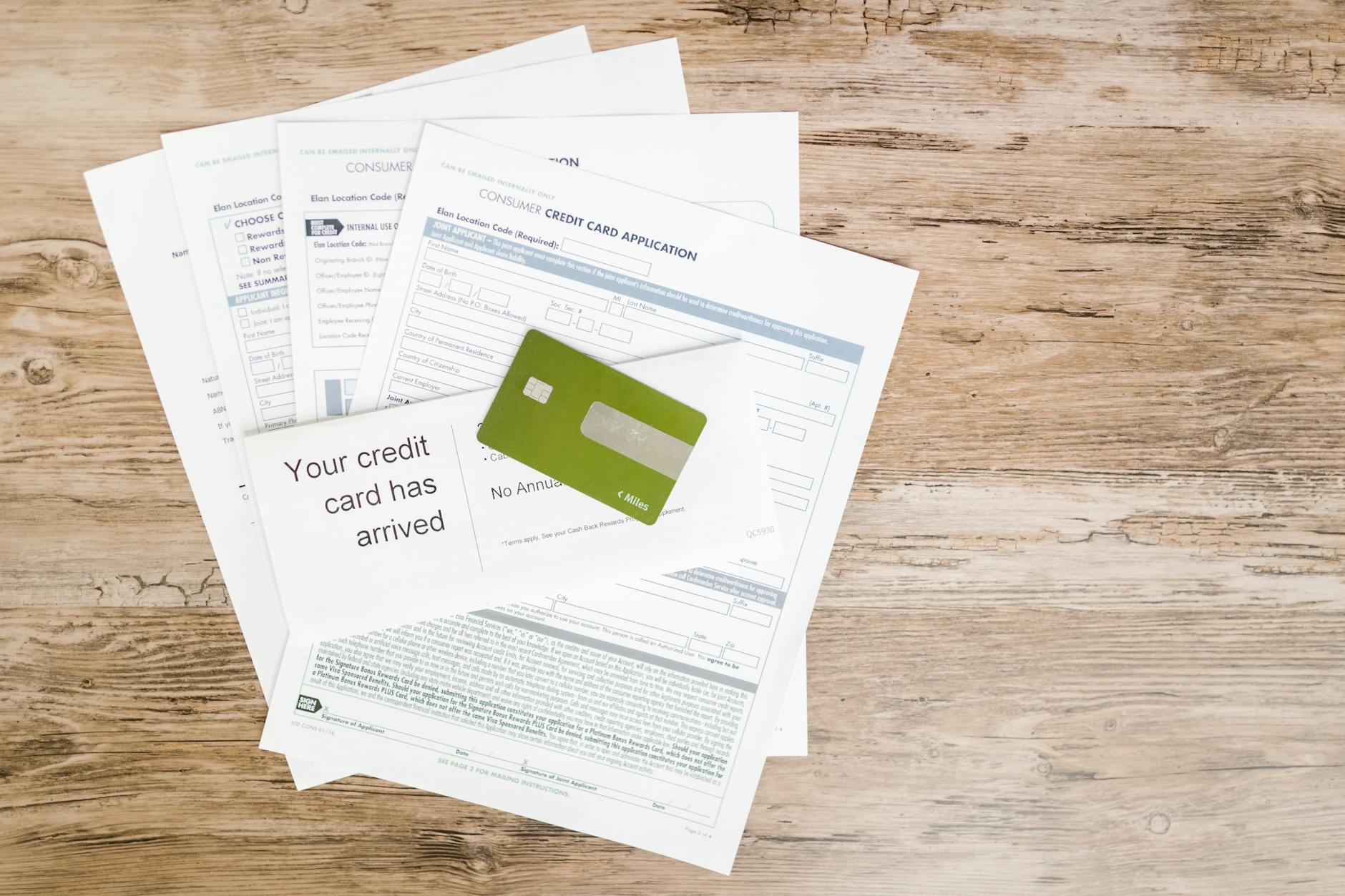
What Does CLEP Educational Psychology Cover?
CLEP Introduction to Educational Psychology can be a fast, legitimate way to earn educational psychology college credit if you already know the material. The exam pulls from the main ideas in learning, development, motivation, assessment, and classroom psychology, so you need more than a few random facts. You need the big picture.
A typical CLEP Introduction to Educational Psychology study guide spends time on how people learn in 2 settings, how children and teens change over time, and how teachers measure progress. That means topics like reinforcement, memory, intelligence, testing, and classroom management. The test does not ask you to write essays. It asks you to show that you understand the ideas well enough to answer multiple-choice questions in one sitting.
The catch: The exam only counts if you pass the proctored test through College Board, and that one sitting carries all the weight. There is no project folder, no weekly quiz average, and no second chance inside the same attempt. That makes CLEP Introduction to Educational Psychology hard for some people and cleanly efficient for others.
The course content feels practical, not abstract. A parent returning to school, a transfer student trying to clear an elective, and a future teacher all run into the same core ideas: how students learn, why attention drifts, and how schools measure growth. That mix makes the exam useful, but it also exposes weak spots fast. If you want CLEP Introduction to Educational Psychology practice, you need to know more than definitions. You need to connect the theories to real school situations in 2024 or 2025, not just memorize terms.
How Does CLEP Educational Psychology Credit Work?
Credit from this exam follows a simple path, but each step matters. You register, choose your testing route, study the content, sit for one proctored exam, and wait for the score to decide whether you earn credit. Schools set the final transfer rules, so the score alone does not create the transcript result.
- Register through College Board and pick either a test center or approved online proctoring. The fee comes in as a registration or testing cost, and the total usually lands in a modest range rather than a full course price.
- Study with a CLEP Introduction to Educational Psychology study guide for 2 to 6 weeks if you already know the basics, or longer if the terms feel new. People who skip practice often miss the test’s wording tricks.
- Take the exam in one sitting. The format uses a single score, and the CLEP Introduction to Educational Psychology passing score uses the standard CLEP scale, which schools usually read against their own credit rules.
- Wait for your result and send it to your school. If you pass, cooperating universities can award educational psychology college credit, sometimes as an elective and sometimes as a psychology or education requirement.
- If you miss the cutoff, plan on a retake wait of about 3 months, or roughly 90 days, before you try again. That delay can slow a transfer plan fast.
Reality check: A lot of students like the idea of a quick pass, but the 90-day wait after a miss changes the mood. One bad test day can turn a 2-hour event into a 3-month pause, and that is exactly why some adults pick the course path instead.
Which Is Better: CLEP Or Educational Psychology Course?
These two paths can lead to the same kind of educational psychology college credit, but they ask for very different kinds of effort. The exam rewards fast recall in one sitting. The course rewards steady work over time, which is why the choice feels bigger than just price or speed.
| Thing Compared | CLEP Introduction to Educational Psychology Exam | NCCRS & ACE-Recommended Educational Psychology Course |
|---|---|---|
| Format | 1 proctored exam | Quizzes, assignments, mastery checks |
| Where to take it | College Board | UPI Study |
| Pace | One sitting, about 2 hours | Self-paced over weeks or months |
| Cost | Registration/testing fee; usually lower total cost | Typically $250 per course or $99/month unlimited |
| Retake / review policy | One score; about 3-month retake wait after a miss | Unlimited review, multiple tries on learning checks |
| Credit result | Transfer credit if the school accepts CLEP | Credit-bearing transfer through ACE/NCCRS evaluation |
What this means: The course’s headline benefit is credit-bearing transfer, not just convenience. You still earn real transcriptable credit, but you do it through repeated practice instead of a single do-or-die exam. That matters if you want related psychology prep before you commit to a final path.
The Complete Resource for Educational Psychology
UPI Study has a full resource page built specifically for educational psychology — covering which courses count, how credits transfer to US and Canadian colleges, and how to get started at $250 per course with no deadlines.
Explore Educational Psychology →Why Do Adult Learners Choose Each Route?
Adult learners usually split into two camps. One group wants speed, and the other wants control. CLEP fits the first group best because it can turn 2 to 6 weeks of prep into one credit win if the material already feels familiar. The course fits the second group because it spreads the work across quizzes and assignments, which lowers the pressure on any single day.
That difference matters for transfer students, too. A student working 30 to 40 hours a week may like the exam because it removes weekly deadlines. Another student juggling work, kids, and night classes may prefer a course because they can review the material 3 times, pause for a busy week, and come back without losing the whole attempt. Flexibility beats raw speed for a lot of adults, even if the exam looks cheaper at first glance.
Worth knowing: The exam asks you to perform once, while the course asks you to build knowledge over time. That is not a small difference. Some people love the pressure of a single score, and some people hate it enough to avoid CLEP Introduction to Educational Psychology entirely.
For a student who already scored well on timed tests and finished another CLEP in the past, the exam can feel efficient and almost boring. For a student who wants to actually learn educational psychology instead of sprinting through it, the course can feel saner and less brittle. If you want to compare content depth with another academic route, Educational Psychology gives a cleaner paced path than a one-shot exam. That difference shows up fast when school, work, and family all hit the same week.
What Should You Check Before Choosing?
Before you spend money, compare 5 things that affect the final result. A 20-minute decision can save you a 3-month retake wait, or stop you from paying for the wrong path.
- Ask your target school how it handles CLEP Introduction to Educational Psychology credit. Some schools award it as psychology credit, while others use it as an education elective.
- Check your comfort with pressure. One exam score decides the CLEP route, while the course gives you quizzes, assignments, and repeated review across weeks.
- Look at your timeline. The exam can move fast in 1 sitting, but a miss can cost you about 90 days before you try again.
- Compare your budget. CLEP usually costs less upfront, while the course often runs in a typical $250-400 range or a monthly plan like $99/month.
- Count your study hours. A focused CLEP plan can take 10-20 hours if you already know the subject, while the course spreads work over a semester-length pace or longer.
- Decide whether you want learning or speed. If you want content mastery, the course path feels steadier and less fragile.
If you want a second psychology option on the course side, Research Methods in Psychology shows how structured study can build confidence before you chase more credit.
Is CLEP Educational Psychology Worth It?
CLEP Introduction to Educational Psychology is worth it for the right student, and useless for the wrong one. If you already know the material, test well, and want credit fast, the exam can save time and keep your budget lean. If you need structure, steady reminders, and multiple checks before the final grade, the course route makes more sense.
A simple rule helps here. Choose CLEP if you can study 10 to 20 focused hours, stay calm in a proctored setting, and accept that one score controls the result. Choose the course if you want a lower-stress path with review built in, especially if you balance a job, family, or 2 classes at once. I lean toward the course for nervous test-takers because it gives more room for recovery, and that matters more than people admit.
The exam can still be a sharp move for transfer students who need one more credit block and already finished a similar class years ago. The course works better for adults who want a stronger learning experience and a transcriptable result without a single high-pressure day.
Both paths count as respected ACE/NCCRS-recognized routes to the same educational psychology credit, and both can help you finish faster when your school accepts the transfer. Pick the path that matches your brain, your schedule, and your deadline, then move on it this week.
Frequently Asked Questions about Educational Psychology
CLEP Introduction to Educational Psychology is a college-level exam that can earn educational psychology college credit if your school accepts CLEP. Adult learners, transfer students, and self-directed students often take it because they already know the material, want to save time, and prefer testing out of a required course instead of sitting through a full term.
The exam typically covers major ideas in learning, development, motivation, assessment, classroom management, and educational research. It tests whether you understand how people learn and how psychology applies to teaching and schooling. A CLEP Introduction to Educational Psychology study guide and practice questions can help you gauge readiness before you register.
If you pass, the exam can produce transferable, credit-bearing educational psychology college credit at participating colleges and universities. The exact credit awarded depends on the receiving school’s policy, so students should confirm how the CLEP Introduction to Educational Psychology exam fits their degree plan before testing.
It can be straightforward for someone who already knows educational psychology and tests well under pressure, but difficult if you are unfamiliar with the terms and theories. The challenge is not just content; it is also the one-sitting format. Strong preparation with a CLEP Introduction to Educational Psychology study guide and practice questions matters.
The passing score is set on a college-recognized scale, and schools may set their own minimum for awarding credit. In practice, students should think in terms of a range rather than a single absolute cutoff, because acceptance and credit amounts vary by institution. Always check your target school’s CLEP policy first.
It is a single-sitting, proctored exam administered through College Board at a test center or through approved online proctoring. You register, pay the testing fee range, and take one scored exam that determines pass or fail. There is no coursework, no ongoing grading, and no built-in review period after submission.
If you do not pass, you generally need to wait about a 3-month range before retaking the exam. That retake wait is one reason some students prefer a course route. With CLEP, the result comes from one high-stakes sitting, so a miss usually means delaying progress.
The course earns the same kind of transferable, credit-bearing result through quizzes, assignments, and mastery checks completed over time. It typically allows unlimited review and multiple attempts at learning milestones, rather than one high-stakes test day. The headline benefit is not just flexibility; it is structured, credit-bearing transfer through sustained coursework.
Cost depends on the provider, but CLEP usually has a lower upfront fee range than a full course, while the course has a higher overall tuition range but includes instruction, practice, and repeated assessment. If you pass CLEP on the first try, it is often the least expensive route. If you need multiple attempts, the gap can narrow.
No credit pathway transfers everywhere. CLEP Introduction to Educational Psychology can transfer to cooperating universities that accept CLEP, and an NCCRS and ACE-recommended course can transfer to cooperating schools that recognize those recommendations. In both cases, the receiving institution decides how much credit, if any, to award.
The course is usually smarter if you want to actually learn the material, prefer steady coursework, do not want a single high-stakes exam, or want to avoid the roughly 3-month retake wait after a miss. It is also a strong choice if you need a more predictable path to educational psychology credit and value repeated mastery checks over test-day performance.
Final Thoughts on Educational Psychology
CLEP Introduction to Educational Psychology works best when you already know the subject, you handle test pressure well, and you want the fastest path to credit. The course route works better when you want a steadier climb, more review, and less risk from one bad testing day. Both can lead to educational psychology college credit, but they serve different minds. That is the part people miss. They ask which option is better in the abstract, but the real question is which one fits your actual week. If you have 15 hours to study, a calm test day, and a school that likes CLEP, the exam can be a smart move. If you need structure, repeated practice, and a plan that does not collapse after one low score, the course makes more sense. A solid CLEP Introduction to Educational Psychology study guide helps either way because it shows the topic map before you commit. If you still feel split, pick the route that lowers your stress without slowing your graduation plan too much, then start this week instead of sitting on the decision for another month.
Three roads, one of them is yours
Ready to Earn College Credit?
ACE & NCCRS approved · Self-paced · Transfer to colleges · $250/course or $99/month