
You can take real college-level courses for under $100 and use them to prep for freshman year, build confidence, and sometimes earn transferable credit. That beats paying hundreds per credit hour at a university, and it gives you a cleaner start in the fall. The model is simple. You pay a one-time fee, study online at your own pace, and keep access to the material for later review. Many of these courses mirror first-year college topics like English composition, algebra, biology, psychology, and business basics. This matters because the first semester hits fast. New classes, new deadlines, new grading rules. A course you finish in August can make September feel less chaotic. The best part is the mix of prep and credit. Some online courses carry ACE or NCCRS evaluation, which schools use when they review nontraditional credit. That gives you a shot at low-cost college credit instead of just study material. Even when a school only counts the work as elective credit, you still walk in with stronger notes, less panic, and a better shot at protecting your GPA in those first 12 to 15 credits. This is not about shortcutting college. It is about front-loading the hard part so you can start with less stress and fewer surprises.
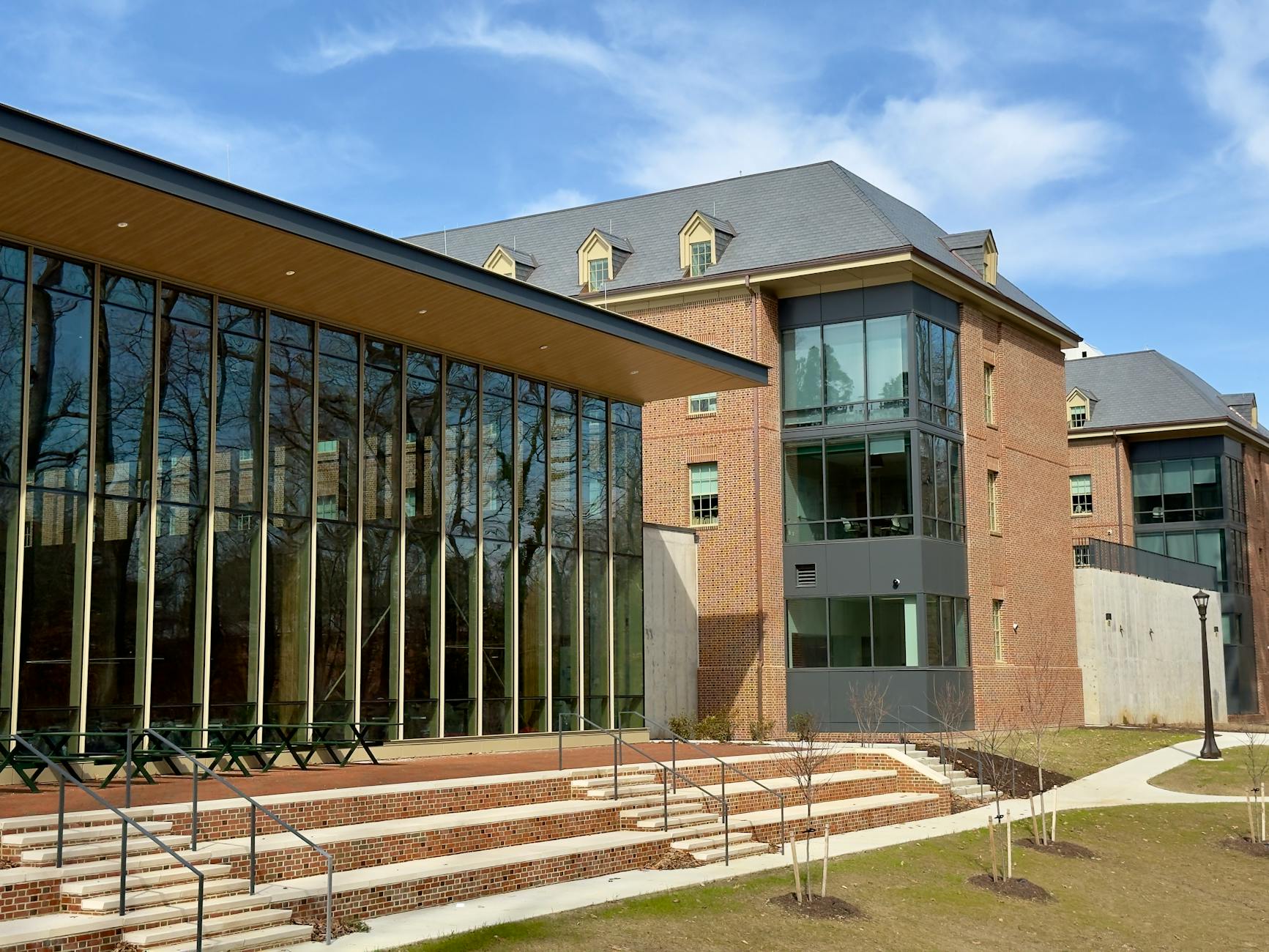
How Can College Courses Cost Under 100 Dollars?
A course can stay under $100 because you pay for the class itself, not a full semester of campus overhead, and the online model keeps costs closer to a textbook than a university bill. That is the whole trick behind affordable college courses.
Most of these classes run as self-paced college courses. You sign up once, get instant access, and work through video lessons, quizzes, and exams on your own clock. Some providers charge a flat fee around $79 to $99, while a single university credit hour often costs several hundred dollars before fees, housing, or parking enter the picture. That gap matters a lot if you want cheap college credit online without taking on a big bill.
The catch: The low price does not mean low quality. Good providers build the class around real college material, then leave the lessons open for lifetime access so you can review chapter 4 in October or week 8 in March. Some courses also carry ACE or NCCRS recommendations, which schools use when they review transfer credit. That is where the value gets sharp. You pay once, study once, and keep the material while also getting a shot at transferable credit cheap.
I like this model because it respects how students actually work. A freshman does not need a $1,500 lecture hall to learn intro psychology or business basics. A focused online course can do the job for a fraction of the price, and it can cut the fear that usually shows up in the first 2 weeks of college.
The downside is plain. If you buy the wrong course, or pick one that your school treats as elective-only, you still save money on prep but lose some credit value. That is why the course choice matters as much as the price tag.
Which College Prep Courses Should You Start With?
Start with courses that match the classes most students face in their first 2 semesters, because those subjects show up across majors and often line up with gen-ed or intro requirements. What this means: You spend time on material that pays off in both confidence and credit.
- Core gen-eds like English composition and psychology work well because almost every degree plan uses them in some form.
- Intro math, especially college algebra or statistics, helps students who need a quick reset before a 3-credit math class.
- Intro sciences such as biology or anatomy fit nursing, health, and many pre-med paths, and they often overlap with 100-level requirements.
- Business Essentials makes sense for students who want a base in finance, marketing, and management before the fall rush.
- Principles of Management helps with introductory business degrees, and it usually maps cleanly onto first-year business coursework.
- Writing and communication courses matter because colleges grade essays hard in week 1, not week 12, and that shock can hit fast.
- Pick subjects with broad transfer value first, then save niche major classes for after you know the school’s rulebook.
The Complete Resource for College Prep Courses
UPI Study has a full resource page built specifically for college prep courses — covering which courses count, how credits transfer to US and Canadian colleges, and how to get started at $250 per course with no deadlines.
See The PRO Bundle →Why Does This Prep Material Feel Like a Cheat Code?
College prep material feels like a cheat code because it teaches the same moves before the grade pressure starts. You meet the terms, the quiz style, and the pacing before day 1, so the first real class feels less like a surprise and more like a repeat.
Reality check: A lot of first-year stress comes from small things, not hard things. A student who has already seen a 10-question online quiz, a 500-word discussion post, and a unit test with a 70% passing mark walks into fall with fewer unknowns. That can protect the first GPA hit, especially when the schedule already includes 12 to 15 credits and maybe a lab.
I think this is why prep works so well. It does not make college easy. It makes college less weird. That is a big difference. If you already know how to read a syllabus, submit work on time, and review a missed question, you save mental energy for the classes that really need it.
The other win is workload. A course finished in July or early August gives you one less thing to juggle when housing, books, and orientation start stacking up. Plenty of students only need 3 to 5 hours a week for a self-paced class, but that still beats cramming a 14-week semester into your first month on campus.
The downside is that prep only helps if you actually finish the course before classes start. Half-done work sits there and helps nobody.
How Do You Check If a College Accepts Credit?
Do the check in order, not by guesswork. A course can look perfect on paper and still land as elective credit only, or not move at all. Worth knowing: Acceptance changes by institution, so the school’s written policy matters as much as the course seal.
- Start with the exact course title and course code, then find whether it carries ACE or NCCRS evaluation. That label tells you the course has been reviewed for college-level learning.
- Read the transfer-credit page for your target school and look for terms like elective credit, gen-ed credit, or major credit. Some schools spell this out in 1 paragraph; others bury it in a PDF.
- Contact admissions or academic advising with the course name, provider, and evaluation status. Ask the same question two ways so you get a clear answer, not a vague one.
- Check the timeline. Some schools post transfer decisions in 2 to 6 weeks, while others review cases only after you submit an official transcript.
- Confirm how many credits the school will place on your record and whether it counts toward graduation, a general education block, or just free electives. A 3-credit course can land in different places depending on the college.
How Fast Can You Finish a Course Before College?
A focused student can finish one self-paced course in 7 days or spread it across 6 to 8 weeks over the summer, because the work usually sits in short modules instead of fixed class meetings. I have seen this work best when someone treats the course like a project, not a hobby. One student who starts on Monday, studies 90 minutes a day, and keeps weekends for review can finish a 3-credit course before orientation week. That kind of pace feels aggressive, but it beats dragging the work into September.
- One-week sprint: Do 2 study blocks a day, each 45 to 60 minutes, and finish one module before dinner.
- Summer plan: Aim for 5 to 7 hours a week across June, July, and early August.
- Daily rhythm: Study 60 to 90 minutes, then take a 15-minute break before the next block.
- Best use: Save harder classes like calculus or anatomy for when you can give them your full attention.
- Payoff: A finished course can cut fall pressure and leave room for campus life, not just homework.
The smart move is to match the pace to the calendar. A June start gives you more room if you miss 2 days. A late-August start works too, but only if you keep the screen time tight and avoid the classic mistake of reading passively for 3 hours without taking a quiz.
For students who want more structure, this bundle page gives a clean starting point: course bundle options. If you only have 10 to 14 days before move-in, pick one course, not three. That restraint saves more than enthusiasm does.
Frequently Asked Questions about College Prep Courses
The most common wrong assumption is that low price means low value, but many affordable college courses use ACE or NCCRS evaluation and come with lifetime access. You get real college-level prep material for one flat fee, often about the cost of a textbook, not hundreds per credit.
Most students wait until fall and then try to survive the first 6 to 8 weeks, but the smarter move is to finish prep courses before college starts. Self-paced college courses let you study in summer, build confidence, and cut down the pressure on your first semester.
If you pick the wrong cheap college credit online option, you can waste time on weak material and miss the chance to protect your GPA. The better choice is college prep material that matches first-year gen eds, intro math, intro science, or business basics, so you start ahead instead of behind.
Affordable college courses fit incoming freshmen, transfer students, and adult learners who want low-cost college credit before classes begin. They don't fit someone who needs a lab-heavy major course, a clinical placement, or a school-specific class with strict on-campus rules.
Online courses college credit programs let you pay once, study at your own pace, and finish a course that ACE or NCCRS has evaluated for credit at cooperating schools. The caveat is simple: you still need to choose a course that matches your degree plan, like English, algebra, biology, or accounting.
Start by picking one subject you know you'll face in your first term, like college writing, college algebra, biology, or intro business. Then block 5 to 7 days for a focused run, finish the lessons, and use the lifetime access later when you need a review.
Yes, you can get college credit cheap for under $100 when the course uses a one-time entry price instead of per-credit tuition, and some start around textbook cost. That setup beats paying $300 to $1,000 per credit at a university, especially for general education classes.
What surprises most students is that self-paced college courses can feel like regular college classes, just without the fixed campus schedule. You still read, quiz, and test on real topics, and the lifetime access means you can return before midterms or finals.
The best low-cost college credit picks are core gen-eds, intro math, intro sciences, and business basics because they usually fit first-year degree plans. English composition, psychology, sociology, college algebra, biology, and intro accounting are strong first choices.
You check the school's transfer policy, search for ACE or NCCRS approval, and match the course title to a class your college already uses. If the course lines up with a listed gen-ed or elective, you have a much cleaner path to transfer.
You can finish a focused course in 1 week if you spend 2 to 4 hours a day, or stretch it across a 6 to 8 week summer break. That pace works well for one course at a time, especially if you want a lighter fall workload.
Students use college courses under 100 dollars before freshman year to lower stress, build skill, and start with one less class to worry about. A single finished course can also trim future tuition, since one transferred class can replace a credit you would've paid a lot more for later.
Final Thoughts on College Prep Courses
The smartest way to prep for college is not to buy more stress. It is to take 1 or 2 cheap college credit online courses that match your first semester, finish them before classes start, and walk in with less fear on day one. That plan works because it hits three things at once: it saves money, it gives you real college-level practice, and it takes pressure off your first GPA. A course that costs under $100 can do more for your confidence than a stack of expensive notebooks ever will. That said, the course only helps if it lines up with your school’s rules and your actual schedule. Pick subjects that show up everywhere, like English composition, college algebra, biology, or business basics. Those classes give you the best shot at useful prep and low-cost college credit. If you only have one free week, use it. If you have the whole summer, even better. Start with one course, finish it cleanly, and move into fall with a lighter load and a steadier head.
How UPI Study credits actually work
Ready to Earn College Credit?
ACE & NCCRS approved · Self-paced · Transfer to colleges · $250/course or $99/month