
Columbia Southern starts new terms on a steady monthly rhythm, but the calendar is not random. The confirmed Columbia Southern academic calendar 2026 2027 shows the next term on September 30, 2026, with registration closing September 28, and the pattern keeps rolling from there. If you are asking when Columbia Southern starts, the short answer is that CSU uses two staggered tracks that create about 11 starts a year, so students usually see a new entry point every few weeks instead of waiting for a single fall or spring semester. That matters because timing changes your whole plan. A student who misses a September 28 cutoff for the September 30 start does not just lose two days; they lose that whole start and have to aim for November 4 or December 2 instead. CSU term dates also shape when advising, billing, and course access happen, so the registration deadline sits right in the middle of the process, not at the edge. The first confirmed 2026-27 dates give the pattern away fast: September 30, November 4, December 2, and January 20, 2027. Those starts do not happen by accident. Columbia Southern runs monthly-style starts across Track A and Track B, which is why students see frequent openings without a traditional semester grid. That setup helps adults who need a clean start date, but it also punishes procrastination because the clock moves in days, not weeks.
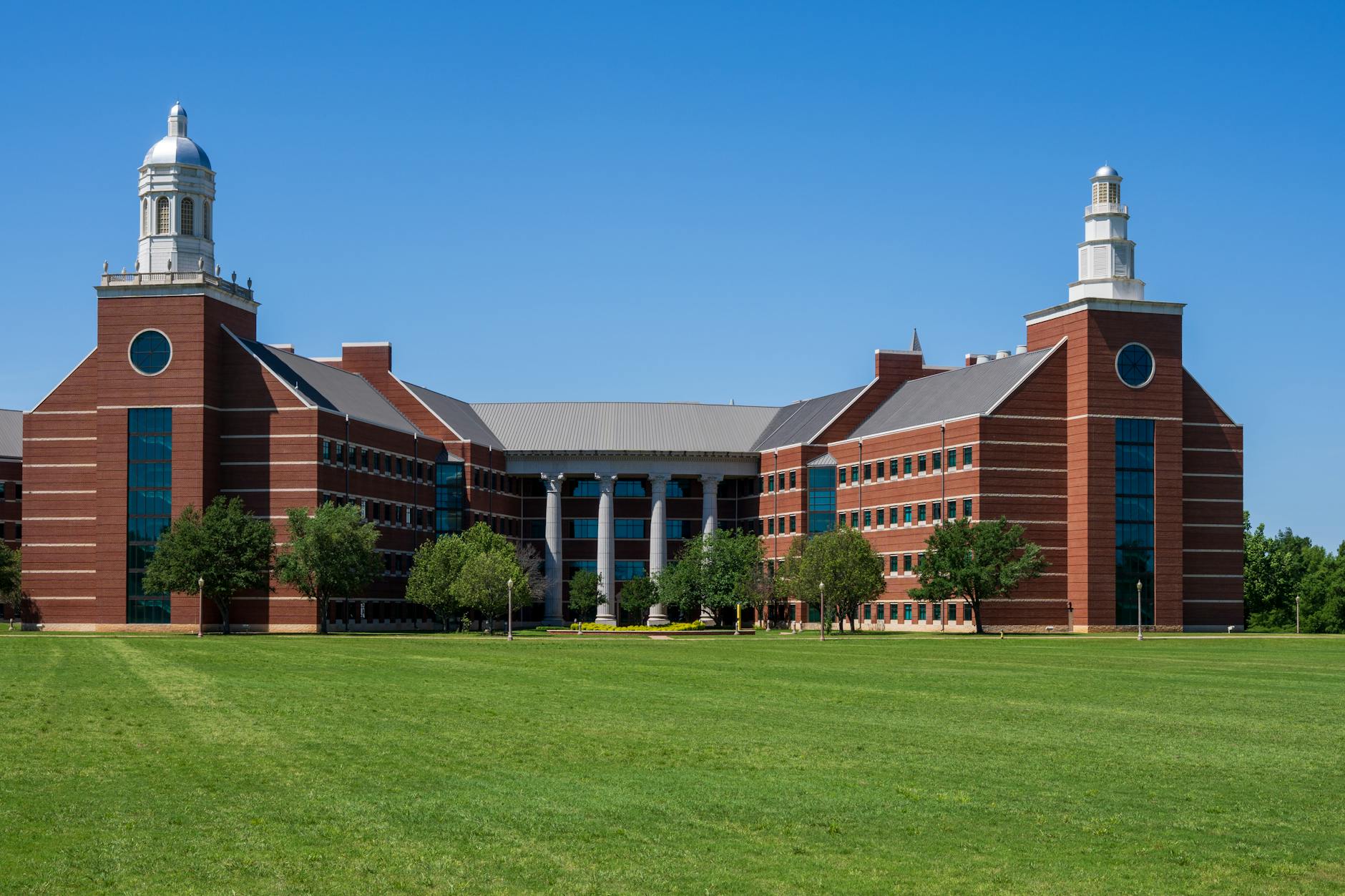
When Does Columbia Southern Start in 2026-2027?
The Columbia Southern academic calendar 2026 2027 starts with a September 30, 2026 term and keeps moving on a two-track pattern that creates about 11 starts a year. That means CSU does not wait for one big fall launch or a single spring reset. It offers a steadier rhythm, which suits online students who need a start date that lines up with work schedules, military orders, or family timing.
The confirmed dates show the shape clearly. September 30 comes first, then November 4, then December 2, then January 20, 2027. Each of those starts has a registration window that closes 2 days earlier, so the academic calendar runs on a tight clock. If you are asking when Columbia Southern starts, the practical answer is not one date but a chain of dates that keeps reopening through the year.
What this means: You do not need to wait months for a new chance, because CSU online start dates arrive about every few weeks across Track A and Track B.
That setup helps students who want momentum. A person finishing an emergency management course, a business major juggling 40-hour workweeks, or a safety professional moving between shifts can line up enrollment without losing a whole semester. The downside is simple: a late application can push you past the nearest start and into the next one, which adds real time to graduation.
Columbia Southern’s schedule feels fast, but it is not loose. The two-track system keeps the calendar full, and the two-day cutoff keeps the admin side sharp. If you want the most useful version of CSU term dates, look at the start date first and the registration deadline right beside it. Those two numbers decide whether you begin on time or sit out a round.
How Do Track A and Track B Stagger?
Columbia Southern uses Track A and Track B to space starts across the year, so students see a near-monthly rhythm instead of a single semester gate. That stagger matters because it turns CSU online start dates into a planning tool. Miss one track and the other often opens soon after, but the gap still costs time if you wait too long.
| Feature | Track A | Track B |
|---|---|---|
| Typical start pattern | About every 8-10 weeks | Offset between Track A starts |
| 2026-27 example | Sep 30, 2026 | Nov 4, 2026 |
| Next example | Dec 2, 2026 | Jan 20, 2027 |
| Registration cutoff | 2 days before start | 2 days before start |
| Why it matters | More entry points | Less waiting between starts |
The catch: The stagger gives you options, but it also makes the calendar feel closer to a train schedule than a normal college semester.
That is good for students who need flexibility, and a little annoying for people who like a single annual deadline. If you track CSU term dates closely, the two-track setup keeps your next move visible without forcing a long pause between starts.
What Are the Columbia Southern Start Dates for 2026-2027?
The confirmed Columbia Southern 2026-27 calendar gives students a clean set of starts to plan around: September 30, 2026, November 4, 2026, December 2, 2026, and January 20, 2027. Each one closes registration 2 days earlier, so the deadline lands on September 28, November 2, November 30, and January 18. That is the part many people miss. The start date looks like the main event, but the cutoff decides whether you make the train.
- Sep 30, 2026 start; register by Sep 28.
- Nov 4, 2026 start; register by Nov 2.
- Dec 2, 2026 start; register by Nov 30.
- Jan 20, 2027 start; register by Jan 18.
- About 11 starts per year across two staggered tracks.
- Each term opens on a 2-day registration window before class access.
Bottom line: If you want the easiest planning path, circle the deadline first and the start date second.
A lot of students focus only on the term date and forget the admin work that sits before it. That is a mistake, because the Columbia Southern academic calendar 2026 2027 rewards people who act early and punishes people who treat registration like a last-minute errand.
The official pattern also helps students compare CSU online start dates with work pay cycles, certification deadlines, and employer tuition rules. A November 4 start can fit a fall promotion review. A January 20 start can line up with a new-year reset. The date matters because the window around it is short.
The Complete Resource for Columbia Southern Start Dates
UPI Study has a full resource page built specifically for columbia southern start dates — covering which courses count, how credits transfer to US and Canadian colleges, and how to get started at $250 per course with no deadlines.
Explore CSU Credit Courses →Why Does Columbia Southern Use a Two-Day Cutoff?
Columbia Southern closes registration 2 days before each start because the school has to finish advising, billing, and course setup before classes open. That sounds ordinary, but the effect is huge. A student who wants the September 30, 2026 start needs everything done by September 28, not sometime that week. The deadline is not a suggestion; it is the gate.
Reality check: Waiting until the last day can push you past payment processing, delay course access, and leave you staring at a start date you cannot use.
That matters most for online students who work on tight schedules. If a form sits in review on November 2, you can miss the November 4 term even if your plan looked fine on paper. Advising also runs on that 2-day buffer, so a student who wants help choosing classes needs room for one more step. The cutoff gives CSU time to line up records, but it gives students less room for error.
The downside shows up fast if you procrastinate. A missed deadline can mean waiting until December 2 or January 20, which adds weeks of delay before you even open your next class. That is why CSU term dates matter in pairs: the start date and the close date work together, and the second one often decides the first one.
For students who juggle shifts, travel, or family care, this rule feels strict. It is strict. Still, it also keeps the process predictable, and predictability beats vague promises every time. If you know the cutoff is 2 days out, you can build your own calendar around it instead of hoping for leniency that does not appear.
Which Transfer Credits Count Toward Columbia Southern?
Columbia Southern accepts up to 90 semester hours toward a bachelor’s degree, so transfer credit can shave a real chunk off the path. That matters before you pick your start date, because 30 extra hours can change how fast you move through CSU’s online programs.
- CSU accepts up to 90 semester hours toward a bachelor’s degree.
- ACE-recommended credit counts at CSU, which helps adult learners with prior coursework.
- CSU is listed by NCCRS as a considering institution.
- Arriving with transfer hours in hand can reduce the number of CSU classes you still need.
- Self-paced ACE/NCCRS-recommended courses can help you build credits before enrollment.
- CSU transfer-credit options can fit around a 2-day registration cutoff.
- Business Essentials and Principles of Management are two common course choices for business-minded students.
Worth knowing: Transfer hours do not just save money; they can also make your first term lighter and your graduation date less crowded.
That is especially useful for students who want to start strong instead of spending their first term catching up. A few approved courses before enrollment can turn a packed degree plan into a cleaner one, and that makes the September 30 or January 20 start feel more manageable.
Should You Plan Around Columbia Southern Start Dates?
Yes, because the Columbia Southern calendar rewards early planners and punishes late movers. If you know a September 30, 2026 start fits your life, you need to work backward from September 28, not forward from the first day of class. The same logic applies to November 4, December 2, and January 20, 2027. A 2-day cutoff sounds small, but in practice it controls the whole ramp-up.
The smartest move is to treat CSU online start dates like fixed checkpoints. Pick the term you want, line up documents, and stack transfer credit before you submit anything. That works especially well for students who already have college coursework, military training, or ACE-reviewed learning on their record. Columbia Southern’s staggered tracks make the calendar friendly, but only if you use the spacing instead of fighting it.
If you want a stronger first term, start with credit hours you can bring in now rather than waiting until after enrollment. That gives you more room inside the 90-semester-hour transfer limit and can cut the number of courses left on your degree plan.
For anyone comparing the Columbia Southern academic calendar 2026 2027 to other online schools, the lesson is plain: the dates are frequent, the cutoff is short, and the people who plan 2 steps ahead usually feel less pressure once classes begin.
Explore self-paced, ACE/NCCRS-recommended courses for Columbia Southern if you want to arrive with transfer hours in hand and start on firmer ground.
Frequently Asked Questions about Columbia Southern Start Dates
You miss that start date, and you wait for the next monthly term because Columbia Southern closes registration 2 days before each start. For the Sep 30, 2026 term, that means the cutoff lands on Sep 28; for Nov 4, it lands on Nov 2.
The most common wrong assumption is that Columbia Southern runs one big semester calendar, but the school uses two staggered tracks that create about 11 starts a year. That setup keeps the monthly pace moving, and it lets you pick the next opening instead of waiting 15-16 weeks.
Columbia Southern starts Sep 30, 2026, then Nov 4, 2026, Dec 2, 2026, and Jan 20, 2027. The matching registration deadlines are Sep 28, Nov 2, Nov 30, and Jan 18, so you need to plan 2 days ahead.
Most students wait until the last week, but the better move is to line up documents 1-2 weeks early and register before the 2-day cutoff. That matters if you're using transfer credit, since CSU accepts up to 90 semester hours toward a bachelor's.
Check the next start date, then count back 2 days for registration and 1-2 weeks for your paperwork. If you want the Sep 30, 2026 term, you need to be done by Sep 28, and the same pattern repeats on Nov 4, Dec 2, and Jan 20.
There are about 11 Columbia Southern online start dates each year, spread across two tracks that stagger the openings. That gives you more than one entry point in a 30-day span, which helps if you miss a date or want to start faster.
This matters if you want to start soon and pick from monthly openings; it doesn't matter as much if you're locked into one fixed date months away. The two-track system creates staggered starts, so you don't have to wait through a 16-week block.
What surprises most students is that Columbia Southern keeps the pace tight with a 2-day registration cutoff and monthly starts, not long open enrollment windows. That means a Sep 30 term closes on Sep 28, and the Jan 20, 2027 term closes on Jan 18.
ACE-recommended credit fits into your plan because CSU accepts transfer credit and allows up to 90 semester hours toward a bachelor's degree. If you arrive with transfer hours in hand, you can shrink the number of courses you still need.
Yes, and that's smart if you want to show up with transfer hours ready before the next term starts. UPI Study offers self-paced ACE/NCCRS-recommended courses, so you can work ahead before the Sep 30, 2026, Nov 4, 2026, Dec 2, 2026, or Jan 20, 2027 start.
The confirmed starts you asked for are: Sep 30, 2026, register by Sep 28; Nov 4, 2026, register by Nov 2; Dec 2, 2026, register by Nov 30; Jan 20, 2027, register by Jan 18. CSU uses the same 2-day cutoff for each term.
Explore UPI Study if you want self-paced courses that can help you arrive at CSU with transfer hours already done. UPI Study's ACE/NCCRS-recommended courses fit the Columbia Southern start-date rhythm, and that's useful when terms open almost every month.
Final Thoughts on Columbia Southern Start Dates
Columbia Southern’s 2026-27 schedule gives students a rare mix of order and speed. You get about 11 starts a year, not one or two. You also get a hard 2-day registration cutoff, which means the calendar rewards people who plan early and ignore wishful thinking. The confirmed dates make that clear. September 30, 2026 starts the cycle, then November 4, December 2, and January 20, 2027 keep it moving. If you think in semesters, CSU may feel unusual. If you think in deadlines, it starts to make sense fast. The bigger question is not just when Columbia Southern starts. It is what you want ready before that start arrives. Transfer credit, paperwork, and course choice all affect how smooth the first term feels. A student who walks in with 30 or 60 approved hours has a very different first year from one who starts from zero. That is why the best plan begins before the term opens. Pick the start date that fits your schedule, count back 2 days, and build the rest of your timeline around that fixed point. Then you stop treating the calendar like a surprise and start using it like a tool.
What it looks like, in order
Ready to Earn College Credit?
ACE & NCCRS approved · Self-paced · Transfer to colleges · $250/course or $99/month