
CLEP English Composition asks you to write under pressure, read quickly, and fix your own mistakes on the fly. The CLEP College Composition exam mixes selected-response questions with two essays, so you need both grammar control and clear thinking. The good news: this is not a mystery test. It checks the same stuff teachers care about in first-year writing — thesis, support, organization, sentence control, and whether you answer the prompt without wandering off. The bad news: the clock is ruthless, and weak writers often lose points because they spend too long polishing one paragraph while the rest of the essay falls apart. If you want to pass CLEP English, you need a plan that treats the exam like a skill test, not a memory quiz. That means learning the prompt style, practicing short timed drafts, and getting fast at spotting grammar errors that eat time. It also means knowing where the score comes from, because a decent essay can still miss the mark if it stays vague, off-topic, or unfinished. The safest prep path is simple: study the format, drill timed writing, and review the basics of paragraph structure and sentence repair. Do that well, and the exam stops feeling like a wall.
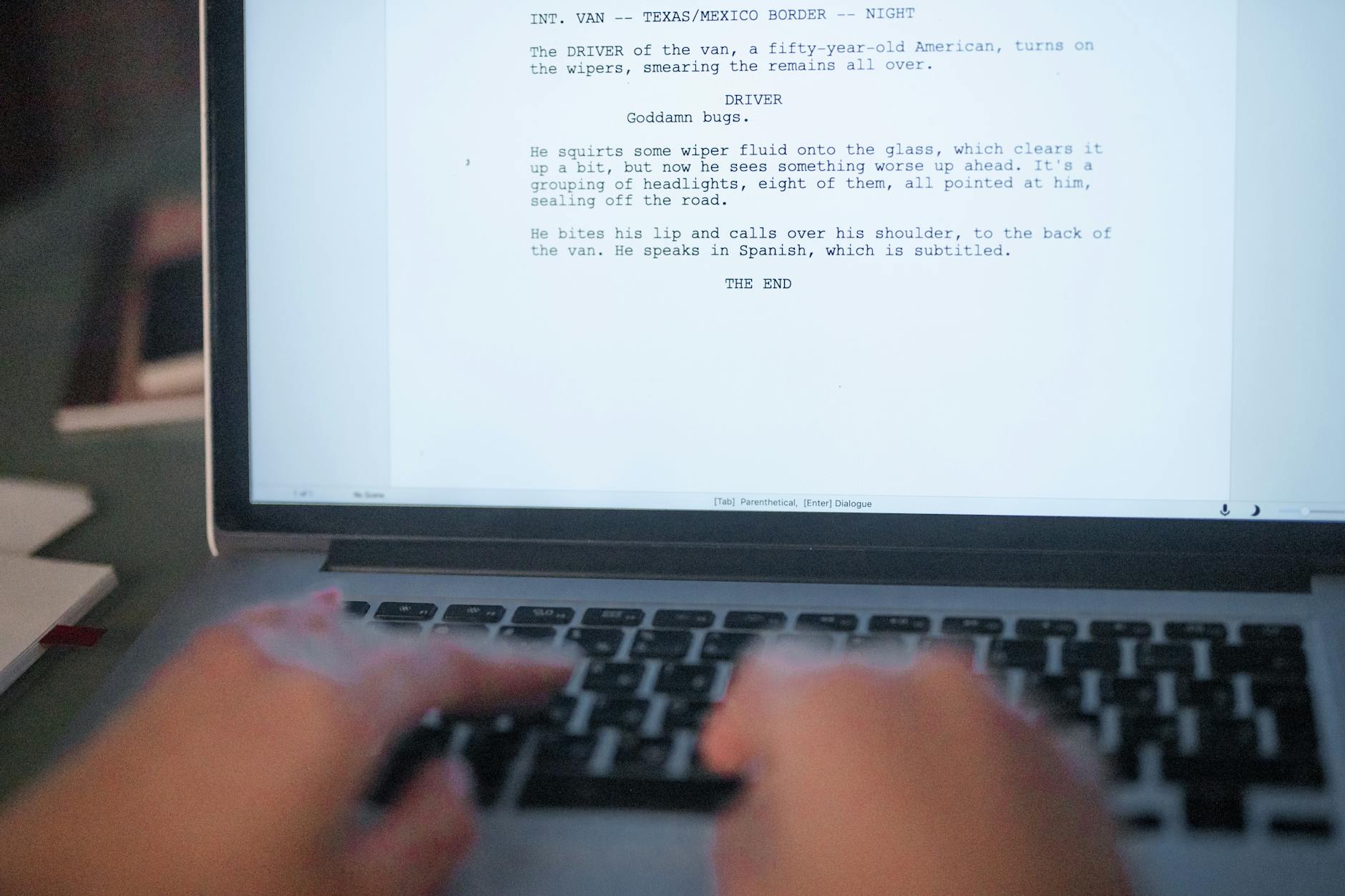
What Does the CLEP English Composition Test?
CLEP English Composition tests writing, revision, grammar, reading, and organization, not just essay skill, and the exam asks you to show all of that in one timed sitting. The College Board version includes selected-response questions plus 2 essays, so you have to think like a writer and an editor at the same time.
The selected-response part usually checks sentence boundaries, paragraph logic, and whether a passage actually says what it claims. That means spotting run-ons, awkward shifts, weak transitions, and sentences that sound fine but break basic rules. A lot of students miss easy points here because they read too fast and trust their ears more than the grammar.
The essay task is where the exam gets personal. You get a prompt, a clock, and a blank page, and you have to build a clear argument or response with an introduction, body support, and a finish that actually lands. The catch: a clean-looking essay that dodges the prompt can score worse than a rougher one that stays on task, because graders care more about control than decoration.
This is not a test of fancy words. A plain sentence that makes sense beats a bloated sentence that trips over itself. That part annoys some students, but I think it makes sense: college writing rewards clarity, not drama.
If you use a CLEP composition study guide, look for drills on thesis statements, paragraph order, and editing marks, not just essay templates. You also need enough reading speed to handle prompts and sample passages without burning 20 extra minutes on the first draft.
How Is the CLEP Essay Section Scored?
The CLEP essay section gets scored on whether you answer the prompt, build support, organize ideas, and keep language under control across 2 essays. Readers do not hand out points for sounding fancy; they reward clear thinking, stable grammar, and a structure that stays intact from first sentence to last.
Most scoring rubrics in writing exams track the same 4 things: focus, development, organization, and mechanics. CLEP follows that same common-sense pattern. If your thesis appears late, your examples stay thin, or your grammar gets messy every other line, the score drops fast even if your ideas have some promise.
Reality check: a decent writer can still lose a lot of points by running out of time, because an unfinished second essay sends a bad signal right away. That is why a 5-paragraph shape often works better than a huge free-form draft; it gives you a map when the clock starts chewing through minutes.
The readers also care about control. Sentence variety helps, but only when you can handle it without breaking grammar. A short, direct paragraph with 2 solid examples usually beats a long one full of filler and vague claims. That opinion may sound blunt, but I learned it the hard way after watching polished-sounding drafts fall apart under scoring.
For practice, use one prompt at a time and score yourself on 3 things: did you answer the question, did you support the point, and did you finish both essays? A Business Communication course can also help here, because concise business-style writing forces you to cut fluff and stay organized.
A lot of students think grammar matters most. It matters, sure, but the prompt still comes first. If you miss the point, clean grammar will not rescue the essay.
The Complete Resource for English Composition
UPI Study has a full resource page built specifically for english composition — covering which courses count, how credits transfer to US and Canadian colleges, and how to get started at $250 per course with no deadlines.
Explore English Composition 1 →How Much Time Pressure Does CLEP Composition Create?
CLEP composition feels rushed because you have to think, plan, and type in one stretch, and the clock punishes hesitation. In a 90-minute section, every extra 5 minutes you spend staring at the prompt steals time from the second essay.
- Spend the first 3-5 minutes reading the prompt twice and underlining the task words. That small move saves you from writing a pretty paragraph that answers the wrong question.
- Budget about 20-25 minutes for each essay draft if you want room to review. If you go past 30 minutes on the first one, the second essay usually turns thin.
- Move on when you have a clear thesis and 2 support points. A perfect outline wastes more time than a good rough one.
- Leave the last 5-8 minutes for fixing obvious errors like missing subjects, run-ons, and weak conclusions. That short cleanup often raises the score more than one extra example.
- Do not stop to rewrite every awkward sentence. If the idea makes sense, keep going; the exam rewards finished writing more than pretty drafting.
- If you freeze on a prompt for more than 2 minutes, start with the easiest claim you can defend. The worst timing mistake is waiting for the “best” opening line.
- Practice with a timer, not just notes. A student who writes one untimed essay and one timed essay gets a rude surprise on test day.
How Should You Study for CLEP English Composition?
A smart prep plan for CLEP English Composition starts with diagnosis, then moves to grammar, then timed writing. If you study 6-8 hours a week for 2-3 weeks, you can build real speed; if you have 4-6 weeks, you can spread the work out and fix weaker spots without panic.
- Take one timed diagnostic essay and one short grammar check on day 1. You need a real baseline before you waste time on stuff you already know.
- Review sentence repair, paragraph order, and thesis writing for 30-45 minutes a day. Focus on the patterns that show up in college writing, not random grammar trivia.
- Write 2 timed essays each week, with 25 minutes per draft and 5 minutes for cleanup. Keep score on prompt focus, support, and control, not just word count.
- Use a clep composition study guide to drill the parts you miss most, then retest those same skills after 48 hours. Fast review beats rereading a chapter for 2 hours.
- If your draft falls apart after 250-350 words, practice shorter essays first. You can build length later; you cannot fix a shaky structure in the last 10 minutes.
- Mix in a second writing lens, like Advanced Technical Writing, if your biggest problem is vague wording. Technical writing habits often sharpen clarity fast.
Worth knowing: a short prep window works if you already write clean 5-paragraph essays, but a 4-week runway gives weaker writers more room to fix sentence-level mistakes. I would rather see someone do 8 focused practice sets than skim 3 long chapters and hope for the best.
The biggest trap is passive studying. Reading about writing feels productive, but timed practice shows the truth. If you cannot produce 2 solid essays in one sitting, the test will expose that fast.
Should You Choose CLEP or English Class?
CLEP College Composition gives you credit through one exam, while an English class spreads the same subject across a term and usually gives you more room for feedback. That tradeoff matters because one path saves time and the other lowers risk. Students who hate high-stakes tests often prefer the class route, especially if they want repeated practice instead of one shot.
| Factor | CLEP College Composition Exam | NCCRS & ACE-Recommended English Composition Course |
|---|---|---|
| Cost | Exam fee plus test center fee; often under a full class | One-time payment; $250 or $99/month access options |
| Time | 1 sitting; 90 minutes plus essay time | Work at your pace; often 4-8 weeks of steady study |
| Risk | Single-sitting pass/fail pressure | Lower-risk path; multiple mastery checks |
| Credit style | Exam-based credit | Transcriptable credit at cooperating schools |
| Where to take it | College Board | UPI Study |
| Best fit | Fast, confident writers | Students who want review, feedback, and no one-shot gamble |
| Schedule | Fixed exam day | Several courses at a time, not one per term |
The course route suits students who want more control over timing and a steadier pace. The exam route suits people who already write well and want to move fast. Both can work; CLEP just asks you to be sharp on one day, and that is where it gets risky.
Frequently Asked Questions about English Composition
The essay section surprises most students, because it can swing your result even if your multiple-choice work feels solid. The CLEP College Composition exam lasts 95 minutes for 50 multiple-choice questions, and the essay part asks you to write two timed essays, so speed matters from the start.
Start by taking one timed diagnostic and one full practice essay on day 1, then mark every place where you lose points on grammar, focus, or support. A good clep composition study guide should match the exam’s 95-minute pace and cover thesis, evidence, and sentence control.
Most students reread grammar rules and hope that helps, but practice under the real clock works better. You need 50 multiple-choice questions in 95 minutes, plus two essays, so you should drill short timed sets, then write one full essay with a 30-minute limit.
The most common wrong assumption is that strong reading skills alone will carry you. The exam also checks organization, sentence style, and how clearly you build an argument, so a student who can spot errors but can't write a focused essay can still miss the score they need.
Yes, you can pass CLEP English Composition with self-study if you write timed essays, fix recurring grammar errors, and learn the test format. That said, if your writing falls apart under pressure, a full course can help more because it gives deadlines, feedback, and structure.
CLEP usually costs far less than a 3-credit college writing class, which can run into hundreds or even thousands of dollars depending on the school. Self-paced accredited courses also let you work through several at a time instead of one per term, and they usually use one-time payment plus lifetime access.
If you spend too long on the multiple-choice section, your essays get rushed, and that can crush your score. The CLEP College Composition exam gives you 95 minutes for 50 questions, so you need to move fast, keep answers short, and save enough energy to write two clear essays.
This applies to students who already write decent essays, can study alone, and want credit fast; it doesn't fit you if you need lots of live feedback or freeze under timed writing. The clep vs english class choice often comes down to speed and support, not just price.
You should plan each essay in 3 to 5 minutes, write a clear thesis, and spend the rest of the time building 2 to 3 strong points with specific support. The essay graders look for focus, development, and control, not fancy words or long quotes.
Use a clep composition study guide, take 2 or 3 full timed practice tests, and write at least 4 practice essays before test day. That mix works faster than endless reading because the exam tests both multiple choice and timed writing, and both parts run on a strict clock.
CLEP is riskier if your writing score swings a lot under time pressure, because one weak essay can drag down the whole result. A course spreads the work across 8 to 16 weeks, while CLEP asks you to prove the same skill in one 95-minute sitting.
You can explore an accredited online course for CLEP English Composition if you want flexible, self-paced study with lifetime access and a one-time payment. That setup lets you finish on your schedule, and you can move through more than one course at a time instead of waiting for a 15-week term.
Final Thoughts on English Composition
CLEP English Composition rewards calm writing more than clever writing. If you can answer the prompt, keep your structure tight, and finish both essays with time left to fix obvious mistakes, you have a real shot at passing. The exam gets hardest when students treat it like a normal writing assignment. It is not. You have 90 minutes, 2 essays, and no chance to hand in a revised draft later. That setup helps fast, confident writers, but it punishes people who need more time to think. If you choose the exam, study with the clock in front of you and write more than you read. If you choose the course, take the slower path and use the extra room to build skill without a one-day gamble. Both paths can lead to credit, but they suit different kinds of students. Start with the route that matches how you actually work under pressure, then make your next move today.
The way this actually clicks
Skip step 3 and the whole thing is wasted.
Ready to Earn College Credit?
ACE & NCCRS approved · Self-paced · Transfer to colleges · $250/course or $99/month