
Stock repurchases happen when a company uses cash to buy back its own shares. That cuts the share count, can lift earnings per share, and gives cash back to investors without starting a new dividend plan. Companies usually do this when they think their stock looks cheap, they have extra cash, or they want to offset shares from pay packages. The move sounds simple, but the reasons behind it are not. A board might approve a $1 billion program in one quarter, then the company may buy shares in small chunks over 6 to 18 months. Sometimes it retires the shares right away. Sometimes it holds them as treasury stock. Both choices change the numbers on the balance sheet and the share count in a different way. Investors care because repurchases can help per-share results, but they can also hide weak growth if a company uses buybacks instead of fixing the business. That is why the process and benefits of stock repurchases matter. You want to know what the company is buying, why it does it, and what it gives up to do it. A smart buyback can support shareholder value. A sloppy one can burn cash at the wrong time.
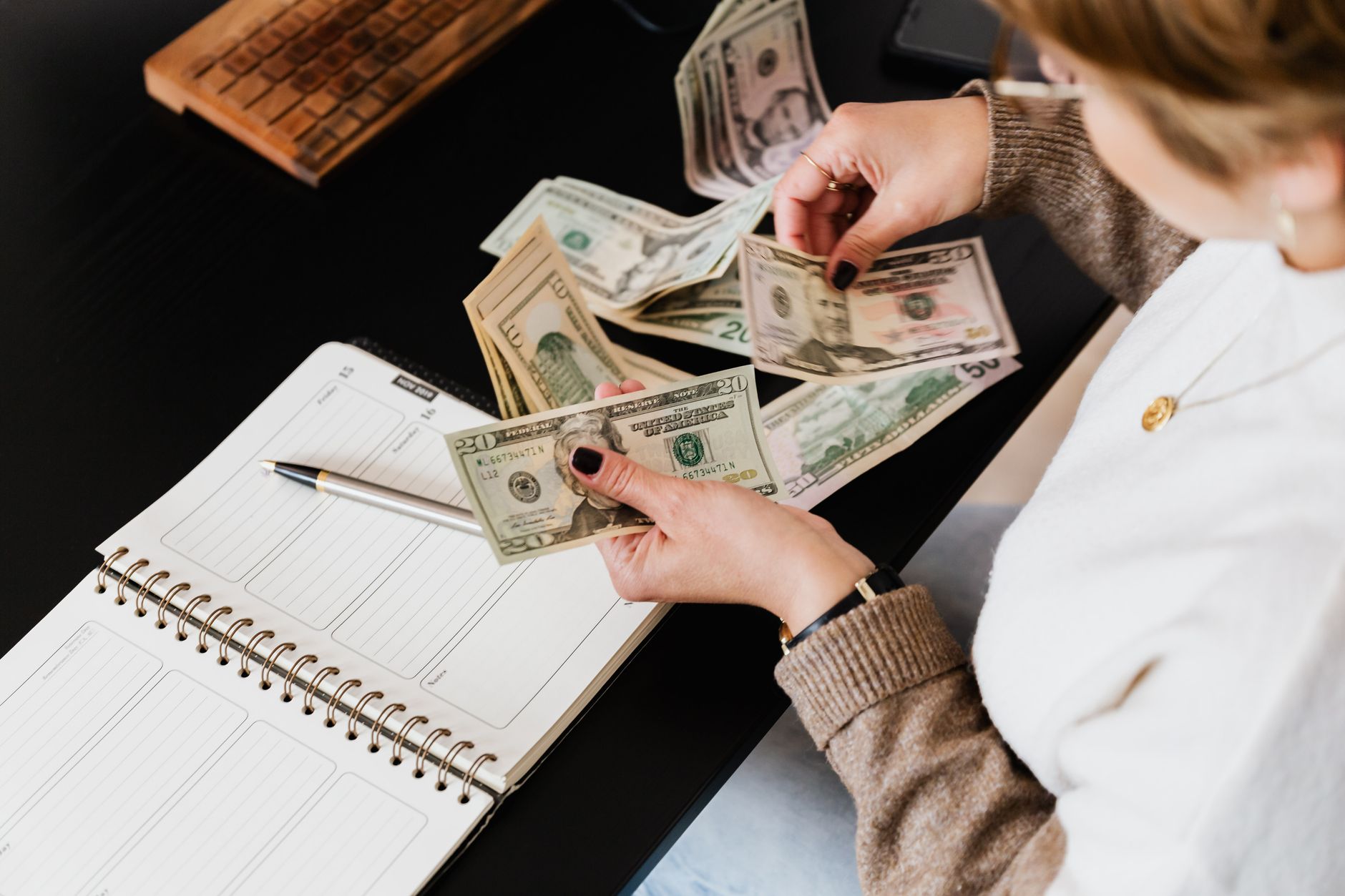
What Are Stock Repurchases And Why Do Companies Do Them?
Stock repurchases are when a company buys back its own shares with cash instead of leaving that money on the balance sheet. If a firm spends $200 million to repurchase stock, the share count drops, and each remaining share claims a larger slice of future profits.
That is the whole point. Companies use repurchases to return money to owners, send a signal that management thinks the stock is cheap, and fine-tune capital structure without launching a new dividend. A dividend says, “We will keep paying.” A buyback says, “We want flexibility.” That difference matters a lot in 2024 and 2025, especially for firms with uneven cash flow.
The catch: A buyback does not create new profit; it only changes how profit gets divided across fewer shares. If net income stays at $100 million and shares fall from 50 million to 40 million, EPS rises even though the business itself did not grow.
That is why investors should read repurchases as a capital-allocation choice, not magic. A company with $5 billion in cash and no better use for it might buy shares. A company with a weak pipeline or a shaky balance sheet might do the same thing for the wrong reasons. I think that second case usually deserves a hard side-eye, because cash can disappear fast when sales slow or rates rise.
The process and benefits of stock repurchases also link to valuation. If management believes the stock trades below intrinsic value, it may buy back shares the same way an investor buys a discounted asset. The risk sits right next to the upside, though, because managers can be wrong about value by 20% or more and still spend real money.
How Do Stock Repurchases Actually Work?
The process starts with approval, then the company chooses a buyback method, buys shares, and records what happened on the books. A board might authorize $300 million over 12 months, but the company can spread the purchases across weeks, months, or a single fast transaction.
- The board of directors approves a repurchase plan and sets a dollar cap, often $50 million, $500 million, or more. That approval gives management the green light, but it does not force an instant purchase.
- The company picks the method. An open-market buyback lets it buy shares over time, while a tender offer asks shareholders to sell at a set price, and an accelerated repurchase often pulls shares in quickly from a bank or broker.
- In an open-market program, the company buys shares at market prices over days or months. That method gives flexibility, but it can also stretch the program across 3 to 18 months.
- In a tender offer, the company names a price and a deadline, often with a 20% premium or another clear spread over the current price. Shareholders then decide whether to sell into the offer.
- After the purchase, the company either retires the shares or holds them as treasury stock. Retired shares leave circulation for good, while treasury shares stay on the books and can come back later for pay plans or other uses.
- The balance sheet changes right away. Cash falls, shareholders’ equity usually falls too, and the share count drops, which can change per-share figures on the next report.
Reality check: A company can buy 1 million shares and still barely move the price if it trades 20 million shares a day. Volume matters, and so does timing.
Why Do Repurchases Improve Earnings Per Share?
Repurchases can raise earnings per share because the company divides the same profit across fewer shares. If net income stays at $80 million and shares outstanding fall from 40 million to 32 million, EPS rises from $2.00 to $2.50 without any jump in total profit.
That math matters because Wall Street, lenders, and boardrooms watch EPS closely. A 10% cut in share count can make per-share numbers look stronger fast, especially when earnings growth stays flat for 2 or 3 quarters. Executives like that result because it can support stock-based pay, analyst forecasts, and market sentiment all at once.
What this means: Higher EPS can help the stock, but it does not prove the business got healthier. A company can post better per-share numbers while revenue barely moves, and that gap should make investors pause.
The real test sits below the headline. If a company uses $1 billion to repurchase stock instead of opening new stores, buying equipment, or funding research, the EPS bump might come at the cost of slower long-term growth. That tradeoff is the whole fight in corporate finance, and I think people get too dazzled by the per-share headline.
This is where a financial management course helps. You learn to separate accounting optics from real value creation, which is also why Principles of Finance and Financial Management matter in the same conversation. A cleaner EPS line does not excuse weak operating results, and investors who forget that often overpay.
Learn Financial Management Online for College Credit
This is one topic inside the full Financial Management course on UPI Study — a self-paced, online class that earns real college credit. Credits are ACE and NCCRS evaluated and transfer to partner colleges across the US and Canada. Courses start at $250 with no deadlines and lifetime access.
Browse Financial Management →Which Benefits Do Shareholders Actually Get?
A $250 million repurchase can return cash without locking the company into a new quarterly promise. That flexibility helps when earnings swing over 4 quarters or cash piles up after a sale.
- Shareholders get cash back without a permanent dividend schedule. That matters when management wants room to pause, slow down, or speed up spending.
- Repurchases can be more tax-efficient than dividends in some markets because investors often control when they realize gains. Tax rules vary by country and investor type.
- Buybacks can support per-share figures like EPS and free cash flow per share. A 5% reduction in shares can make those metrics look better fast.
- They can signal confidence. If a board approves a $1 billion program, management is saying the stock looks attractive at current prices.
- Repurchases can offset dilution from stock compensation. If a firm issues 2 million new shares to employees, a buyback can help keep the total share count from rising.
- They can give long-term owners a larger claim on future profits. Fewer shares mean each remaining share owns a bigger slice of the company.
Bottom line: A repurchase works best when the company buys back stock for a clear reason, not just because cash sits idle and investors expect a headline.
When Do Stock Repurchases Make Strategic Sense?
Stock repurchases make the most sense when a company has stable free cash flow, limited high-return projects, a strong balance sheet, and a share price management thinks sits below intrinsic value. A firm that earns steady cash over 8 quarters and has no better use for $400 million can justify a buyback far more easily than a stressed company chasing a market mood swing. The best programs look boring on purpose. They fit financial management, not bragging rights.
- Stable cash flow makes funding easier.
- Undervalued stock can give better payoff than idle cash.
- Low debt leaves room for mistakes.
- Weak earnings cycles make buybacks risky.
- Heavy borrowing turns a buyback into a liability.
A repurchase looks weak when a company carries high debt, faces a 2-year downturn, or still needs to invest in plants, software, or staff. In those cases, cash should usually stay in the business. A smart board thinks about return on capital first, not stock price headlines.
What Tradeoffs And Risks Should Investors Watch?
Buybacks can go wrong when companies pay too much, buy at the top, or borrow to fund the program. If a firm spends $800 million on repurchases in 2021 and then needs cash in 2023, that decision can look foolish fast. Timing matters more than most executives admit.
The biggest risk comes from what the company gives up. Cash used for buybacks cannot fund a new factory, a software rollout, or a cushion for a 15% sales drop. That tradeoff gets sharper when rates rise or margins shrink. Debt-funded repurchases add another layer of risk because interest costs can crowd out future moves.
Investors should ask whether the program looks disciplined or cosmetic. Disciplined programs usually match buybacks to excess cash, debt limits, and valuation. Cosmetic programs chase EPS optics, protect executive stock awards, or try to hide flat growth. That last one happens more than people like to admit, and it leaves a smell.
A good repurchase program also leaves room for a bad year. If the company can still pay bills, keep investment spending steady, and handle a downturn after buying back shares, the plan looks stronger. If it cannot, the buyback was probably too large or too early.
Frequently Asked Questions about Stock Repurchases
Stock repurchases happen when a company buys back its own shares, then retires them or keeps them as treasury stock. That cuts the share count and can lift earnings per share, while sending cash back to shareholders.
Most students think a buyback always helps stock price, but what actually works is looking at cash flow, share count, and price paid per share. A company that buys back 5% of shares at a high price can help EPS less than a smaller, cheaper repurchase.
This applies to you if you study finance, hold stocks, or work on corporate planning; it doesn't matter as much if you only follow dividends and ignore share count changes. If you take a financial management course, this topic shows up in capital allocation and payout policy.
A $100 million repurchase usually starts with board approval, then the company buys shares in the open market or through a tender offer. It can retire the shares or hold them as treasury stock, which keeps them off the active share count until the company reissues them.
The most common wrong assumption is that a buyback always means the company has extra money sitting around. Some firms repurchase shares while also carrying debt, so you need to look at cash reserves, borrowing costs, and whether management wants to offset stock-based pay.
If you get this wrong, you'll misread EPS, overrate management's signal, and miss real risk from using cash on buybacks instead of growth or debt reduction. That's a bad move in financial management because a repurchase can look smart on paper while weakening the balance sheet.
What surprises most students is that buybacks can raise EPS without making the company richer, because the math changes when you reduce the share count from 1 billion shares to 950 million. The cash still leaves the business, so the real test is whether the shares were cheap enough to buy.
Start by checking whether the online course lists ACE NCCRS credit and transferable credit before you enroll. If the course counts for college credit, you can study online and still use the class for finance, accounting, or business programs.
Stock repurchases make sense when a company has steady cash flow, shares trade below fair value, and it already funds the business, debt, and dividends. They also work well when management wants to return cash without locking into a permanent dividend, which matters in volatile years.
Stock repurchases return cash more flexibly than dividends, because a company can buy back shares in one quarter and skip the next without cutting a stated payout. Dividends give you a steady cash stream, while buybacks can boost per-share numbers and support owners who want price gains instead of cash now.
Final Thoughts on Stock Repurchases
Stock repurchases are not a magic trick. They are a capital choice. A company uses cash to buy shares when it thinks that move beats leaving the money idle, paying it out some other way, or spending it on projects with weaker returns. The best buybacks do 3 things at once. They return cash, support per-share results, and fit a business with enough strength to spare the money. The weak ones do the opposite. They drain cash, flatter EPS for a few quarters, and leave the company thinner when sales slow or debt gets heavier. That is why investors should look past the headline number. A $1 billion authorization sounds big, but the real question is whether the company bought shares at a fair price, from a strong cash position, and for a reason that makes sense over 2 or 3 years, not just 1 earnings call. If you read buybacks with that lens, you stop treating them like stock-market noise and start seeing them as a test of judgment. Watch the cash, the debt, the valuation, and the share count. Then judge the program on what it gives up as much as what it adds.
How UPI Study credits actually work
Ready to Earn College Credit?
ACE & NCCRS approved · Self-paced · Transfer to colleges · $250/course or $99/month