
Information technology has changed industries and markets by making information faster to find, cheaper to share, and easier to act on. That shift changes how firms set prices, how buyers compare offers, how workers get things done, and how companies compete across borders. A store, bank, factory, or media company now runs on data as much as on people and machines. The biggest change is not the screen or the app. It is the drop in search, communication, and coordination costs. In 1995, a buyer might call three suppliers and wait days for quotes. Today, the same buyer can compare 30 vendors in minutes, track inventory in real time, and place an order before lunch. That speed pushes markets toward lower prices and tighter margins. Students often miss one thing: IT does not just help old firms work faster. It also changes who can enter a market, who survives, and which business models make sense. A small seller can reach a national customer base through a platform. A manufacturer can use sensors and cloud software to cut waste. A bank can price risk with far more data than a paper file ever allowed. That is why the question of how information technology changed industries and markets matters in economics, business, and everyday life. IT acts like an economic force reshaping industries and markets by changing transaction costs, productivity, supply chains, and competition itself.
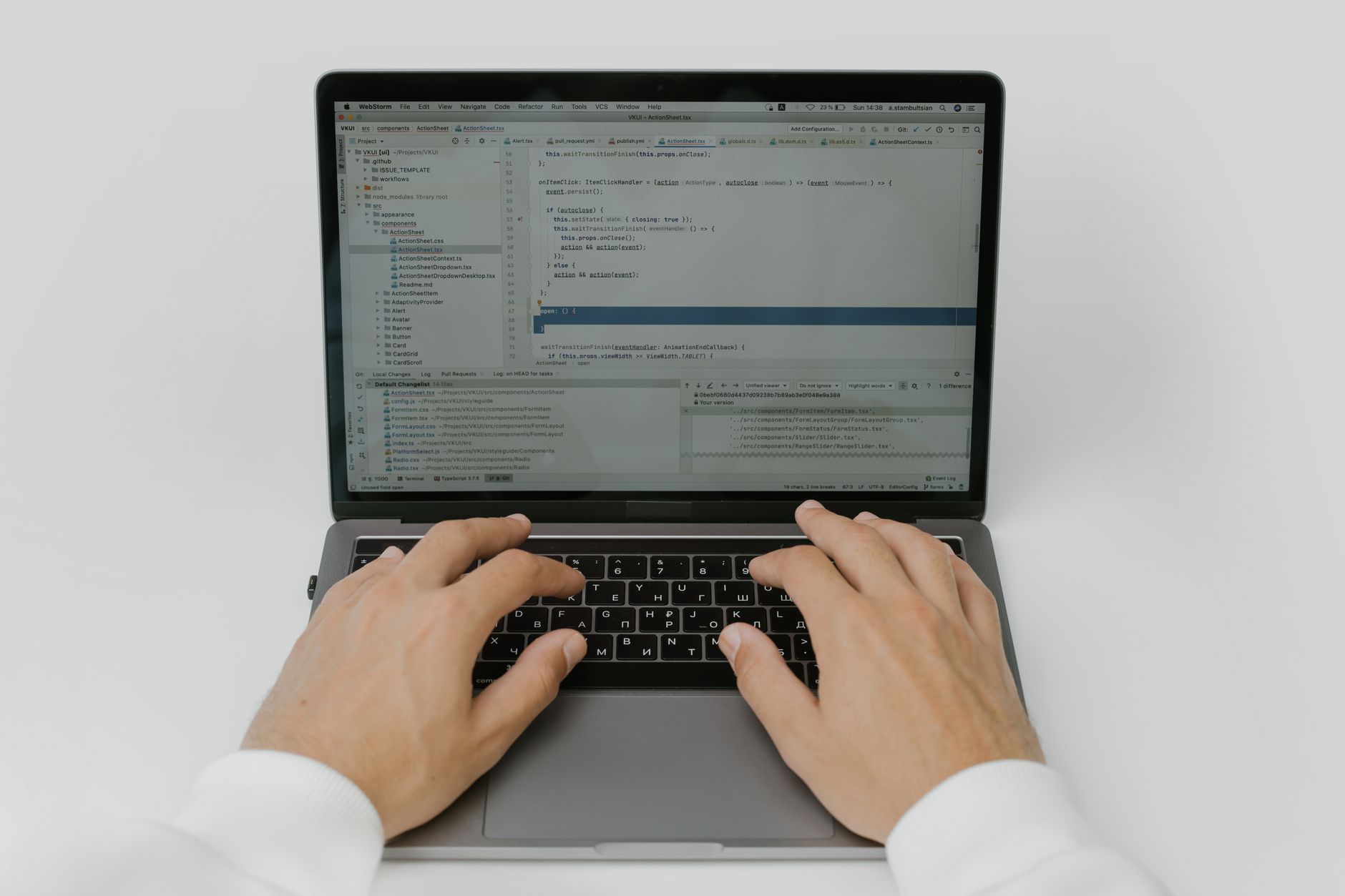
How Has Information Technology Changed Markets?
The most common mistake is thinking IT only means faster gadgets or better office software; it changes market structure by lowering search, negotiation, and monitoring costs, which shifts who can sell, who can buy, and how prices get set in 2026 markets.
A buyer used to spend 2 days gathering quotes from 5 suppliers. Now the same buyer can check 50 offers online in 10 minutes, compare shipping, ratings, and warranties, and spot a bad deal before money moves. That matters because markets work better when information moves fast. A farmer selling wheat, a freelancer selling code, and a retailer buying freight space all face less friction than they did in 2005.
Reality check: The market does not become magical; it becomes more visible, more competitive, and less forgiving. That is why small errors in pricing or timing can wipe out a margin of 3% or 4% in a week.
IT also changes who gets in. In 1999, a new publisher needed warehouses, distributors, and shelf space. Today, a digital seller can use Amazon, Shopify, Etsy, or a direct site and start with a laptop and a payment account. That cuts entry barriers, but it also crowds the field. More sellers chase the same customer, so weak brands lose fast.
The smartest take is this: technology is not just a support tool; it is part of market design. When information flows better, prices move faster toward supply and demand, and the firms that read data well usually win. The downside is brutal volatility. A product with a 4.8-star rating can outrun a rival in a day, while a bad review or a slow response can sink demand just as quickly.
Why Does IT Lower Transaction Costs?
IT lowers transaction costs by making search, communication, contracting, payment, and enforcement cheaper at each step, so firms can trade with more people in more places without adding a huge staff or a stack of paperwork.
Search costs fall first. A retailer no longer needs 8 phone calls and 3 faxed bids to find a supplier. Google, LinkedIn, Alibaba, and ERP systems let teams compare options in minutes, not days. Communication gets cheaper too. Email, Slack, Zoom, and shared documents cut delays that used to eat 1 or 2 business days on every exchange. That sounds small until a supply chain runs 200 orders a week.
What this means: A deal that once took 6 signatures, 2 meetings, and a mailed contract can now close in one afternoon.
Contracting and payment also get easier. Digital signatures, online invoices, card networks, ACH transfers, and payment platforms reduce the time between agreement and cash. Enforcement gets tighter when platforms log timestamps, delivery scans, ratings, and dispute records. A courier app can trace a package across 1,000 miles and prove where it sat at 4:17 p.m.
This is why Fundamentals of Information Technology matters for business students. The logic is simple, but the effects spread far. Lower costs let firms reach larger markets, test more suppliers, and replace clumsy manual steps with data-backed workflows. The downside shows up too: cheap digital exchange can flood inboxes, create spam, and make price wars feel endless.
How Does IT Improve Pricing and Competition?
Better information changes price discovery because buyers and sellers can see real offers, not guesses, and that pushes prices closer to demand in hours instead of weeks. In markets with online listings, dynamic pricing, and comparison tools, a hotel room, airline seat, or used phone can reprice multiple times in a single day. That speeds competition, but it also makes markets louder and more crowded, which is why firms with weak data teams often lose before they notice the shift. The 2020s reward fast response, not sleepy habits. Bottom line: Firms with transparent pricing usually force rivals to react within 24 hours, not 24 days.
- Transparent pricing exposes weak offers fast, so firms cannot hide behind slow quotes.
- Competitors respond in minutes on platforms that update prices 10 or 20 times a day.
- Lower switching costs make it easy for buyers to leave after 1 bad experience.
- Global competition widens the field, so a seller in Toronto may face rivals in Seoul and Berlin.
- Efficient markets can still feel crowded because low search costs bring in more sellers at once.
This is also where Current Trends in Computer Science and IT helps students see the real pattern. Price is no longer a fixed label; it acts like a live signal. That helps buyers, but it can squeeze profit margins to 2% or less in some retail categories, which is why sharp pricing software has become a survival tool.
Learn Introduction To Computing Online for College Credit
This is one topic inside the full Introduction To Computing course on UPI Study — a self-paced, online class that earns real college credit. Credits are ACE and NCCRS evaluated and transfer to partner colleges across the US and Canada. Courses start at $250 with no deadlines and lifetime access.
Browse Introduction To Computing →Which Industries Changed Most Through IT?
Some industries changed faster because they already depended on information, timing, or coordination. Retail, finance, media, manufacturing, logistics, and services all saw major shifts after 2000, and the winners usually adopted data systems first.
- Retail moved from shelf-only sales to online stores, marketplaces, and same-day delivery. A brand can now sell across 50 states without 50 physical shops.
- Finance adopted algorithmic trading, mobile banking, and instant fraud checks. The big shift came from software that processes millions of data points in seconds.
- Media shifted from print and broadcast schedules to streaming and on-demand feeds. Netflix, YouTube, and Spotify turned distribution into a 24/7 digital service.
- Manufacturing gained automation, sensors, and computer-controlled machines. A factory can track defects down to a single line or shift.
- Logistics improved through GPS, barcode scans, and warehouse software. FedEx and UPS built systems that show package status in near real time.
- Services like education, consulting, and health support now use platforms, video calls, and cloud records. That cuts travel time and expands reach.
Worth knowing: The same IT tools that help a startup ship 200 orders also help a giant firm manage 2 million orders, which is why scale matters so much.
How Has IT Raised Productivity and Automation?
IT raises productivity by letting one worker do more with software, data systems, robotics, and AI than older workflows allowed, and that shows up in output per hour, fewer errors, and faster decisions in firms from 1990s factories to 2025 offices.
A clerk who once typed invoices by hand can now process them with accounting software in minutes. A manager who used to wait for a monthly report can check dashboards every morning at 8 a.m. A warehouse can use barcode scans, robots, and route software to move more goods with fewer mistakes. The result is not just speed. It is control. Firms see bottlenecks sooner and fix them before they spread.
The hard part is the tradeoff. Productivity gains can cut some routine jobs, especially in data entry, basic bookkeeping, and simple customer support. At the same time, IT creates demand for analysts, cybersecurity staff, cloud workers, and people who can run systems instead of just filing papers. That shift can be rough. A worker with 15 years of old skills may feel pushed aside while a new hire with SQL or Python gets hired faster.
This is why Introduction to Computing sits close to the center of modern business training. A student who understands databases, networks, and software logic sees why one system saves 20 hours a week while another creates chaos. The catch: Automation rarely removes all human work; it usually strips out the repetitive 80% and leaves the messy 20% for people to handle.
The opinion I hold is blunt: firms that ignore digital skills do not stay “traditional,” they just become slower and more expensive than rivals. That is a bad place to stand when customers can switch with 2 clicks.
How Has IT Reshaped Supply Chains Globally?
IT reshaped supply chains by giving firms real-time data, cloud systems, and digital platforms that track parts, inventory, and shipments across borders, so they can source in Vietnam, assemble in Mexico, and sell in Germany with less waste.
Before this shift, a delay in one port could stall an entire production line for 7 days or more. Now companies use cloud dashboards, RFID tags, GPS tracking, and shared planning software to spot problems earlier and reroute inventory. That helped make just-in-time systems possible, where firms keep less stock and tie up less cash. Toyota built much of the early model, and later industries copied the logic. The gain is leaner operations. The risk is obvious too: a hurricane, cyberattack, or chip shortage can hit a tightly linked network hard.
Global competition got sharper because IT made outsourcing easier. A company can compare labor, shipping, and tax costs across 10 countries and move work where it fits best. That does not erase geography. It changes what geography means. Ports, broadband, and data centers now matter almost as much as highways once did.
Students who want the business side of this can pair the topic with Introduction to Computing and see how software tools support sourcing, planning, and delivery. A firm that uses clean data can serve customers in 3 continents with one control room, while a firm stuck on spreadsheets usually pays for it in delays and waste.
Frequently Asked Questions about Information Technology
This applies to you if you want to understand pricing, productivity, supply chains, or market power across 2024-era businesses; it doesn't fit a narrow story about one company or one job. IT changes how buyers compare prices in seconds, how firms run 24/7 systems, and how competitors enter markets from another country.
You miss why firms cut costs, why prices fall in some markets, and why small companies can suddenly sell to customers in 50+ countries. Then you misread automation, online platforms, and data tools as just tech trends instead of forces that reshape profits, wages, and competition.
What surprises most students is that IT changes market structure, not just office work. A cloud system, a search engine, or an app store can let one firm serve millions of users, collect data every day, and set rules for pricing, access, and speed.
Start by connecting one business process to one IT tool, like inventory, payments, or customer service. An introduction to computing course usually shows how data flows, code, and networks cut delays, and that gives you a clean way to see how markets change.
The most common wrong assumption is that technology only makes things faster. IT also changes who can compete, how fast prices move, and how much data a company can collect from each sale, which shifts power inside a market.
A single online order can replace 3 or 4 manual steps, which can cut time from hours to minutes and reduce labor costs by a large margin. That matters because lower search, payment, and communication costs let firms price more aggressively and reach more buyers.
IT changes pricing by making prices easier to compare, update, and personalize across websites, apps, and point-of-sale systems. The caveat is that dynamic pricing also gives firms more control, so the same data tools that lower prices can also raise them for some buyers.
Most students memorize terms like automation and globalization, but what actually works is tracing one product from supplier to customer and spotting where data saves time, cuts errors, or removes middlemen. That method makes supply chains, platform markets, and pricing changes much easier to see.
Yes, you can earn college credit through an online course like an introduction to computing course, and many programs offer ACE NCCRS credit that schools use for transfer review. The exact transfer outcome depends on the receiving school, but the credit record gives you a real academic transcript trail.
IT boosts productivity by linking buying, warehousing, shipping, and forecasting in one system, so a company can spot delays and move stock faster. A barcode scan, GPS update, or demand forecast can save minutes on each unit, and those minutes add up across thousands of orders.
It has turned many local markets into global ones, because a company can study data, sell online, and reach customers across borders in hours instead of weeks. That shifts competition from location-based rivalry to speed, scale, and data quality, which changes the structure of whole industries.
Final Thoughts on Information Technology
Information technology changed markets by making information cheaper, faster, and easier to use. That sounds simple, but the effect runs deep. Prices move faster. Firms compete harder. Supply chains stretch farther. Productivity rises, then shifts the job mix. Markets also get less forgiving, because slow firms lose ground when buyers can compare 20 options in 2 minutes. The most common student mistake is treating IT like a support tool instead of a market force. That mistake misses the whole story. A barcode scanner, a cloud dashboard, or a pricing algorithm does not just save time. It changes who has power in a market and how that power shows up in wages, margins, and customer choice. That is why economists care about software, not just accountants. If you remember one thing, remember this: IT does not only make old work faster. It changes the rules of exchange. It lets small firms reach bigger markets, pushes large firms to automate, and forces everyone to pay closer attention to data. In a market shaped by IT, speed matters, but clarity matters more. A good next step is to connect this topic with a real industry you know, then trace how search, pricing, delivery, and automation changed there over the last 10 or 20 years.
How UPI Study credits actually work
Ready to Earn College Credit?
ACE & NCCRS approved · Self-paced · Transfer to colleges · $250/course or $99/month