
Probation and parole are two forms of community-based corrections, and criminology studies them because they let the system supervise people without keeping them locked up. Probation usually means a judge lets someone serve a sentence in the community instead of jail or prison. Parole usually means a person leaves prison early under strict rules set by a parole board or similar authority. Both tools matter because they sit between punishment and reintegration. A person on probation may report to an officer for 6 months, 1 year, or longer. A person on parole may still owe years on a sentence and must follow curfews, treatment rules, and travel limits. That makes both sanctions more than “getting off easy.” They carry real control. Criminology looks at them as part of the larger criminal justice system: police investigate, courts sentence, correctional agencies supervise, and officers monitor behavior in the community. The idea is simple, but the policy is not. These sanctions try to reduce harm, protect the public, and keep people tied to work, school, and family. They also raise hard questions about fairness, revocation, and whether community supervision works better for lower-risk offenders than prison does.
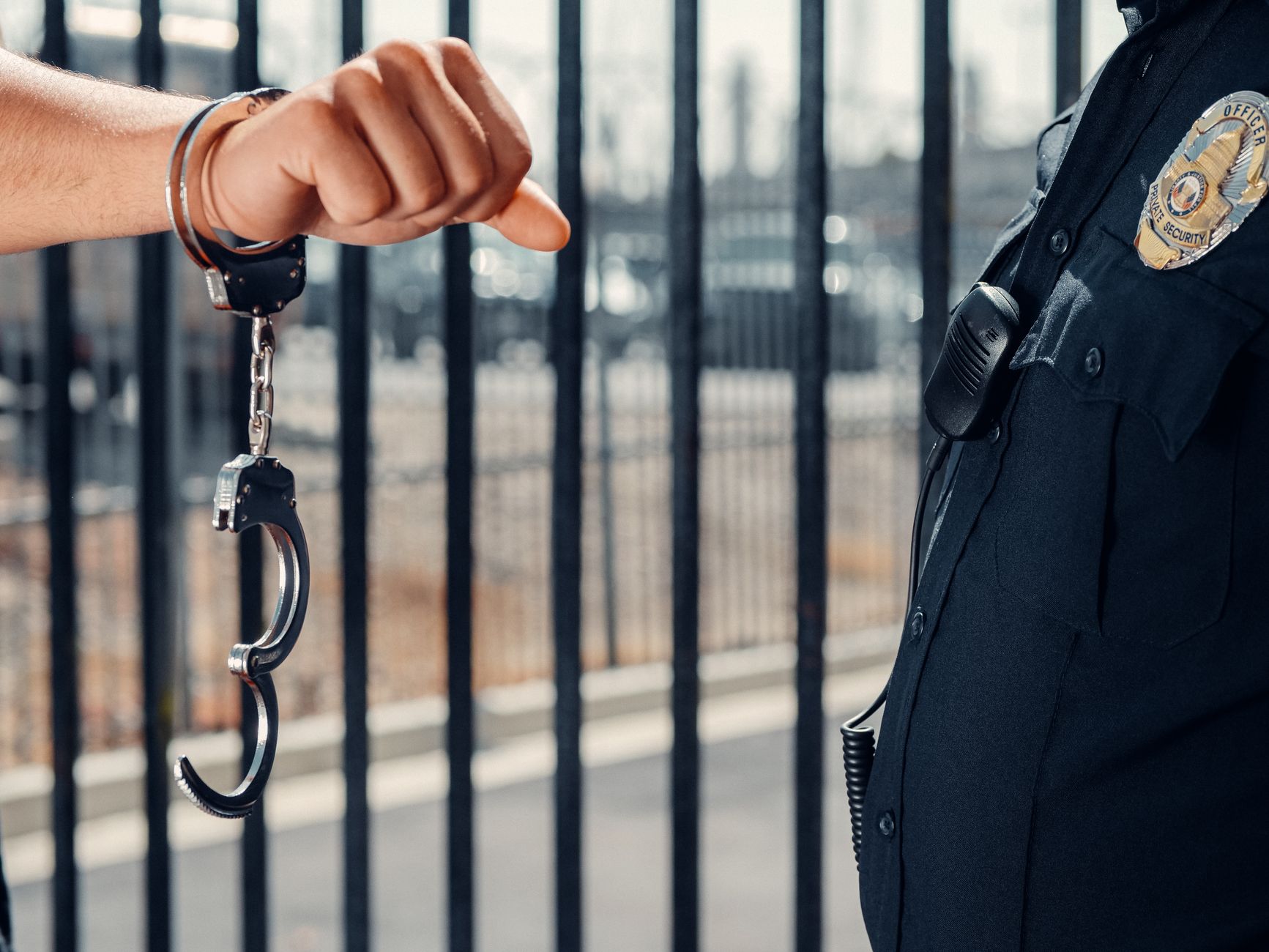
What Are Probation and Parole in Criminology?
Probation and parole are two community-based corrections used in criminology to control offenders outside prison walls. Probation means a court gives a sentence in the community, usually with supervision for 6 months, 12 months, or several years. Parole means a person leaves prison early, but only after serving part of a sentence and agreeing to conditions set by a parole board.
The catch: Probation starts at sentencing, while parole starts after confinement, and that difference changes everything about who controls the case and what happens after a violation. A judge can order probation after a misdemeanor or a lower-level felony, and a parole agency can release someone who has already served 2, 5, or 10 years in custody.
Criminology studies both because they answer a basic problem in punishment: how do you hold people accountable without using prison for every case? Community supervision lets the system track behavior, order treatment, and keep pressure on the person, while still allowing work, school, and family contact. That tradeoff matters in real courts, not just in textbooks.
Probation and parole also show how modern corrections uses graded control instead of a simple yes-or-no choice between freedom and prison. A person on supervision may check in weekly, monthly, or by phone, and a violation can send the case back to court or back to custody. I think that mix of freedom and control makes these sanctions messy, but it also makes them very human.
How Do Probation and Parole Actually Work?
Probation and parole work through conditions, monitoring, and consequences, and the details matter because one missed appointment can trigger a warning, a hearing, or jail time. A person may need to report every week, stay employed or enrolled in school, avoid new arrests, submit to drug testing, follow a travel ban, and complete treatment. In many systems, a missed check-in or a positive test can count as a violation right away.
Reality check: Some probation terms run 6 months to 5 years, and many courts treat repeated missed visits as a revocation trigger long before the sentence ends. A judge, probation officer, or parole board can respond with sanctions like extra reporting, community service, curfews, electronic monitoring, or a return to court.
- Weekly or monthly reporting is common, especially during the first 90 days.
- Drug testing often happens at random, with zero tolerance in some cases.
- Travel usually needs written approval, even for an overnight trip.
- Treatment can include 12-step programs, counseling, or anger management classes.
- Missed appointments can lead to a warrant, a sanction hearing, or custody.
The structure feels strict because it is strict. Community supervision only works if the person knows the rules and the officer can enforce them. That is why a lot of students get probation and parole confused with “free time.” They are not free time at all. They are controlled release, and the control sits in the fine print.
For a study guide, Introduction to Criminology pairs well with a close look at supervision rules because the topic turns abstract fast unless you pin it to actual reporting, testing, and sanction steps.
Learn Introduction To Criminology Online for College Credit
This is one topic inside the full Introduction To Criminology course on UPI Study — a self-paced, online class that earns real college credit. Credits are ACE and NCCRS evaluated and transfer to partner colleges across the US and Canada. Courses start at $250 with no deadlines and lifetime access.
See Introduction To Criminology →Why Did Probation and Parole Develop?
Probation grew out of 19th-century reform work, especially the efforts of John Augustus in Boston in the 1840s, when he helped courts spare people from needless jail time. His approach pushed the idea that some offenders could change without a cell door, and that idea spread through the United States by the late 1800s. Parole grew later, alongside indeterminate sentencing and prison systems that needed a way to release people before the full maximum term.
History matters: By the early 20th century, states had built probation systems and parole boards because prisons filled up, costs climbed, and reformers argued that supervision in the community beat long confinement for many cases. That shift matched a bigger move in criminology away from pure punishment and toward rehabilitation, discretion, and case-by-case judgment.
The history also has a blunt side. Reform sounded noble, but overcrowded prisons and uneven sentencing drove a lot of the change. When states faced 1,000-bed facilities packed past capacity, parole offered relief. When courts wanted a middle path for first-time offenders, probation gave them one.
I like this history because it shows that correctional policy never grows from one clean idea. It grows from pressure, politics, and overcrowded buildings. If you want the course angle, Introduction to Criminology gives you the background, while Introduction to Sociology helps explain why reform movements caught on in the first place.
Which Differences Separate Probation and Parole?
Probation and parole both use supervision, but they differ on timing, authority, and what happens after a violation. Probation starts before prison, and parole starts after prison, so the stage of the sentence changes the whole setup.
- Probation replaces or suspends incarceration at sentencing; parole follows time already served in prison.
- A judge usually grants probation, while a parole board or correctional authority grants parole.
- Probation often lasts 6 months to 5 years, but parole can last until the sentence expires.
- Probation violations return the person to court; parole violations can send the person back to prison.
- Probation may focus on school, work, restitution, or treatment; parole often adds reentry rules and custody-style oversight.
- Parole usually involves more supervision because the person still has a prison sentence hanging over the case.
- Probation can be ordered for lesser offenses, while parole usually comes after a felony conviction and confinement.
What this means: The two sanctions look similar on paper, but one sits at sentencing and the other sits after incarceration, and that 1-step difference changes who has power over the person. Students miss that all the time.
A sharp way to remember it: probation is a court sentence in the community, and parole is conditional release from prison. If you can say that in one breath, you already know more than a lot of people who work around the system.
Why Use Probation and Parole Instead of Prison?
Probation and parole let the justice system punish people without filling every case with a prison bed, and that matters because incarceration costs far more than community supervision. In the United States, prison populations have crossed 1 million in some years, and overcrowding has pushed states to use probation and parole as pressure valves. These sanctions also keep people working, paying rent, and caring for children instead of cutting them off from daily life.
Costly alternative: Prison strips away routine fast, and that can wreck employment, housing, and family contact in 30 days or less. Probation and parole try to hold the line on accountability while leaving room for treatment, restitution, and supervised normal life.
The debate is not soft versus hard. It is about risk, control, and what works for lower-risk offenders. Research often finds that community supervision can support rehabilitation when officers match the level of control to the person’s risk, but heavy surveillance can also create technical violations that send people back to court for missed appointments, not new crimes.
That tension is why criminology keeps studying these sanctions. They can protect the public, but they can also punish small missteps too fast. I think that tradeoff is the ugly center of the whole topic. The best systems use probation and parole for people who can live in the community with structure, not for everyone who simply avoids prison. For a class paper or Introduction to Psychology course connection, the real question is not whether supervision exists, but whether it reduces harm more cleanly than another year behind bars does.
Frequently Asked Questions about Probation And Parole
If you mix them up, you'll miss how a court sentence and a prison release work, and that can wreck your exam answer in an introduction to criminology course. Probation happens instead of jail, while parole starts after part of a prison term.
Most students memorize both words, but what actually works is linking each one to a stage in the system. Probation keeps you in the community under court rules after conviction, while parole releases you from prison early under supervision, often with reporting, drug tests, and curfews.
This applies to people convicted of crimes who stay in the community or leave prison under supervision, and it doesn't apply to someone who gets no sentence or a fully served jail term with no supervision. Probation usually follows sentencing, and parole usually follows time inside prison.
Start by drawing a simple timeline with arrest, conviction, sentence, prison, probation, and parole. That one page helps you see that probation comes after court sentencing and parole comes after part of a prison sentence, which is easier to remember than a long definition.
Probation and parole have roots going back to the 1800s, with modern probation growing in the United States and parole spreading through prison reform in the late 19th and early 20th centuries. That history matters because both systems grew from a belief that some people can be supervised in the community.
The most common wrong assumption is that they mean the same thing, but they don't. Probation is a sentence a judge gives instead of incarceration, while parole is conditional release after prison, and both can come with a 12-month review period or longer supervision in some systems.
Yes, probation and parole are community-based corrections because they supervise people outside prison while still keeping legal control over them. The caveat is that parole usually comes after incarceration, so it sits closer to prison release than probation does.
What surprises most students is that supervision can be strict even without prison bars. You can face weekly check-ins, curfews, travel limits, and required programs, and a violation can send you back to court or prison fast.
Probation and parole show how the criminal justice system uses punishment, control, and reintegration at the same time, which is why they're central in an introduction to criminology. You also see how social goals, prison crowding, and cost shape policy choices.
Yes, an online course on probation and parole can count as college credit at schools that accept ACE NCCRS credit or other transferable credit records. That matters if you study online and want one course to support both your degree plan and criminology knowledge.
Courts use probation and parole to reduce prison crowding, cut public costs, and keep lower-risk people under supervision in the community. This gives the system a middle path between full incarceration and no control at all, which is why these tools show up in most criminal justice programs.
Final Thoughts on Probation And Parole
Probation and parole sit at the center of modern criminal justice because they show how the system handles punishment without using prison for every case. Probation starts with a sentence in the community. Parole starts after prison release. That single difference changes who controls the case, what rules apply, and what happens if the person slips. Students should remember three things. First, both sanctions count as supervision, not freedom with no strings. Second, both grew from reform ideas and prison pressure in the 19th and 20th centuries. Third, both carry a real tradeoff: they can help people stay employed, stay housed, and stay connected to family, but they can also pull people back into court for technical violations. That tradeoff is why criminology keeps paying attention. The subject sits between law, behavior, and policy, and it asks a hard question with no neat answer: how much control does a person need before supervision stops helping and starts churning? If you understand that tension, you understand the topic well enough for class, exams, and real-world thinking. Use that frame when you study your next chapter: start with the sentence, ask who controls it, then ask what happens when the rules break.
How UPI Study credits actually work
Ready to Earn College Credit?
ACE & NCCRS approved · Self-paced · Transfer to colleges · $250/course or $99/month