
The positivist school in criminology says crime has causes you can study, not just sins you punish. It looks at biology, psychology, and social environment, treating crime like a problem with evidence behind it. That idea pushed criminology away from pure moral blame and toward observation, testing, and comparison. That shift started in the late 19th century, especially with Cesare Lombroso’s 1876 work, and it still shapes how people talk about risk factors, offender assessment, and prevention. Many students mistakenly think positivism means "tougher punishment." It does not. Positivist thinkers wanted to explain why crime happens, not just to hand out harsher sentences. This matters because the school changed the whole frame of the debate. Classical criminology leans on free will and choice. Positivism asks what pushes, shapes, or constrains choice in the first place. A 19-year-old who grows up with abuse, unstable housing, and untreated depression does not look like a blank slate in this view. Neither does a fraud offender with a pattern of impulsivity and low self-control. The school also changed research. Instead of only asking what law was broken, criminologists began asking who offended, under what conditions, and with what patterns across 100 cases or 1,000. That move gave criminology a more scientific style, but it also brought a downside: some early claims leaned too hard on biology and later fueled bad ideas about race and class. So the school matters, but not because every old claim held up.
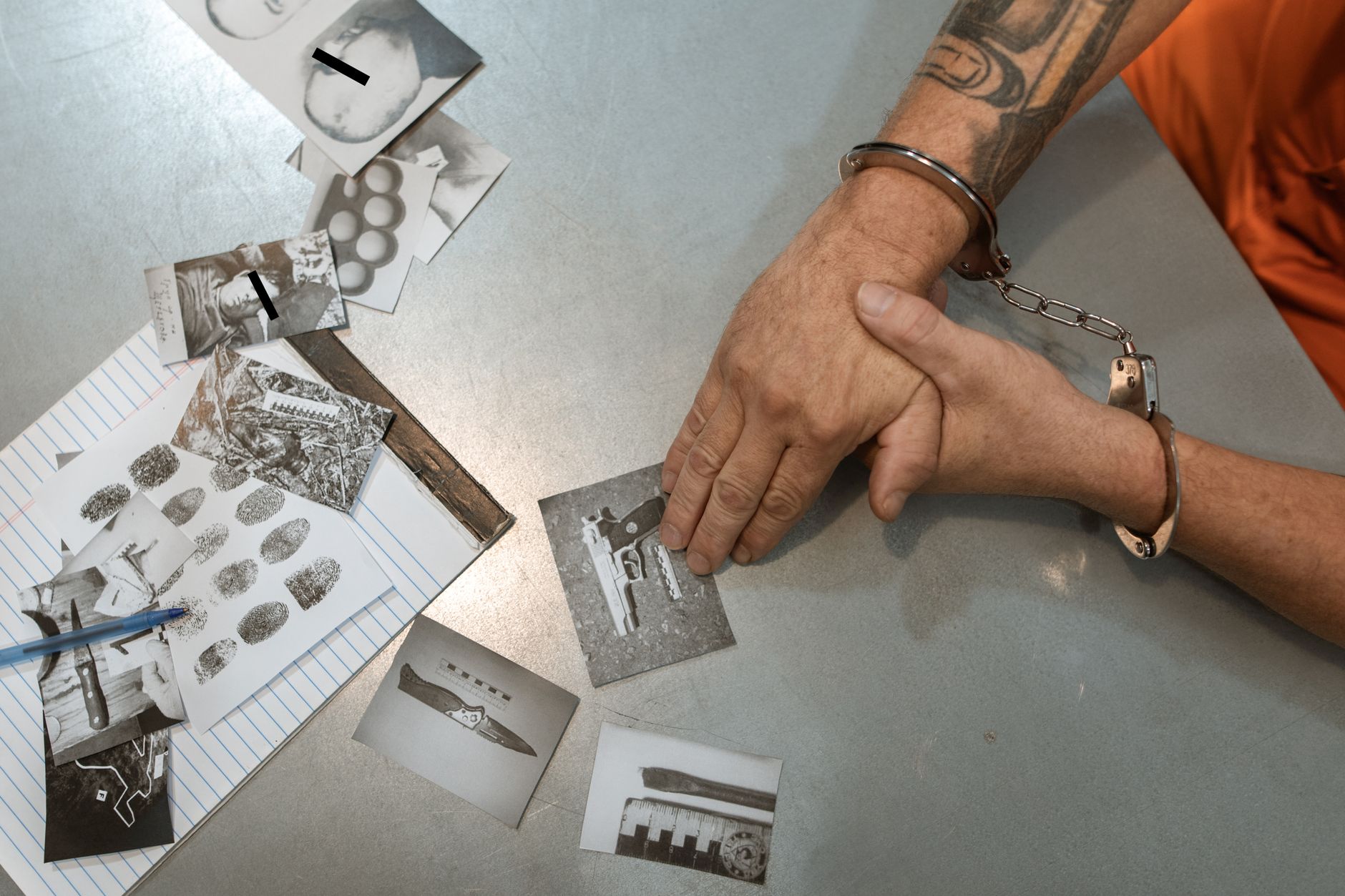
Which Positivist Principles Actually Define It?
Positivism rests on 5 core ideas: crime has causes, those causes can be measured, and researchers should test claims with facts instead of moral guesswork. That approach grew in the 19th century and stands in sharp contrast to classical criminology’s focus on free choice.
- Determinism means behavior has causes. Positivists argue that biology, psychology, and environment shape crime in ways you can study.
- The scientific method matters. Think observation, comparison, and testing, not speculation. Lombroso’s 1876 work used that style, even when some conclusions missed the mark.
- Measurement matters too. Positivists look at arrests, recidivism, IQ tests, family history, and neighborhood data instead of vague labels.
- Classification helps researchers group offenders by patterns. Ferri and later scholars used that logic to sort cases by risk and background.
- Criminal behavior has causes, not just motives. That idea pushes criminology toward explanation, which is why this school shaped modern research methods.
- Classical criminology says people choose crime after weighing pleasure and pain. Positivism says choice exists, but it gets shaped by forces like trauma or addiction.
Introduction to Criminology courses often put this contrast front and center because it shows how the whole field changed after 1876.
Who Were The Major Positivist Thinkers?
Cesare Lombroso gets the most attention because his 1876 book, L’Uomo Delinquente, made the bold claim that some offenders showed physical traits linked to criminality. He argued from skull shapes, facial features, and body measurements, and that part of his work now looks badly flawed. Still, he helped launch criminology as a field that tried to study offenders with data instead of sermons.
Enrico Ferri, writing in the late 1800s, pushed the school in a more social direction. He did not stop at biology. He argued that social conditions like poverty, crowding, and weak institutions also shape crime. This matters because Ferri widened the lens and made positivism less mechanical than Lombroso’s version. Raffaele Garofalo, another major figure, tried to define "natural crime" and connect criminal behavior to moral and social fitness. His ideas influenced early legal and policy talk, but his language often reflected the harsh social thinking of his era.
Later thinkers pulled positivism further into psychology and sociology. In the 20th century, researchers studied intelligence, personality, learning, strain, and social disorganization. That mix made the school more useful and less crude. A lot of Lombroso’s biological claims did not survive modern science. The bigger lesson did survive: if crime has patterns, then researchers can study those patterns with evidence from 50 cases or 5,000. That is the part worth keeping.
Introduction to Criminology classes usually place Lombroso, Ferri, and Garofalo in a timeline because their differences matter as much as their shared name. Ferri looks surprisingly modern. Lombroso looks dated and messy. Garofalo sits somewhere in between, with one foot in law and one in moral theory.
The catch: Lombroso’s work got famous fast, but fame does not equal truth, and that mistake still shows up in weak summaries of criminology.
How Did Positivism Change Crime Study?
Positivism changed criminology by turning it into a field that collects evidence, counts patterns, and tests causes. Before that shift, a lot of crime talk stayed trapped in moral language. After it, researchers started using statistics, case studies, and comparisons across groups and time periods, especially from the late 19th century into the 20th.
That shift matters in practice. Criminal justice agencies now use risk assessment, offender profiling, and recidivism research to sort people by likelihood of reoffending or needing support. You can see the positivist fingerprint in rehabilitation programs, mental health screening, and prevention plans that target known risk factors like substance use, school dropout, and early violence exposure. The field also moved from studying only offenses to studying offenders, which sounds small but changed everything.
What this means: A modern analyst does not stop at "a robbery happened"; they ask what social pressures, psychological patterns, or biological vulnerabilities sat behind the act. That question drives better research than blame alone, even if it can get misused when agencies treat numbers like destiny.
The downside sits right there. Positivist tools can help, but they can also over-label people or make bias look scientific. A model built on bad data from 1 city can punish the wrong group. That is why serious criminologists treat statistics as tools, not oracles.
Introduction to Criminology students usually meet this topic when they first see how theory connects to policy, police work, and correctional planning.
Learn Introduction To Criminology Online for College Credit
This is one topic inside the full Introduction To Criminology course on UPI Study — a self-paced, online class that earns real college credit. Credits are ACE and NCCRS evaluated and transfer to partner colleges across the US and Canada. Courses start at $250 with no deadlines and lifetime access.
Explore on UPI Study →Why Does The Positivist School Still Matter?
The positivist school still matters in an Introduction to Criminology course because modern crime control uses its habits every day: measure, compare, test, revise. That mindset shapes psychology, neuroscience, social policy, and prevention programs across at least 3 levels of analysis, from the person to the neighborhood.
- Psychology studies impulsivity, trauma, and antisocial patterns with tests and interviews.
- Neuroscience looks at brain development, self-control, and injury, especially in teens and young adults.
- Social policy targets school failure, unemployment, and housing instability with data from cities and states.
- Evidence-based prevention uses trials, not hunches, and checks results over 12 months or longer.
Reality check: Positivism has limits. Early thinkers overstated biology, and some later users slipped into bias, racism, and crude determinism. That is a real stain. Still, the school keeps its place because it asks a better question than "Who deserves blame?" It asks "What caused this, and what can change?"
How Should Students Study The Positivist School?
If you are learning criminology online, spend 20 minutes comparing positivist and classical assumptions, then test yourself with 3 examples. That is faster than rereading notes, and it sticks better for exams and college credit work.
- Memorize the 4 names: Lombroso, Ferri, Garofalo, and the later psychological critics.
- Write one sentence on free will for classical criminology and one on cause for positivism.
- Use one crime example and explain it through biology, psychology, and social environment in 3 separate steps.
- Link the school to an Introduction to Criminology course, then compare it with an Introduction to Psychology course for the mental health side.
- Look for the words "determinism," "measurement," and "classification" in your notes; those 3 terms carry most of the theory.
- If your class uses transferable credit, ace nccrs credit, or an online course format, a clean 5-point summary helps you study faster.
Worth knowing: A tight theory summary beats a messy chapter reread, especially when you need to study online and move through 70+ lessons without losing the thread.
How Does UPI Study Fit This Topic?
A 70-course catalog changes the math for students who want criminology study to count toward a degree. UPI Study offers 90+ college-level courses, all ACE and NCCRS approved, which matters because those two bodies help colleges evaluate non-traditional credit across the US and Canada.
The price structure is simple: $250 per course or $99 per month for unlimited access, and every class runs fully self-paced with no deadlines. That setup works well for students who want to study online around work, family, or a packed semester. It also gives a clear path for people who want college credit without sitting in a fixed classroom schedule.
UPI Study fits especially well for learners who want an Introduction to Criminology class that lines up with broader college plans. The platform also helps when you want ace nccrs credit and transferable credit in the same package, because the courses already carry that approval structure. UPI Study credits transfer to partner US and Canadian colleges, which gives the course list real academic weight instead of empty marketing gloss.
I like that UPI Study keeps the setup plain. No drama. No deadline pileup. Just course work, approval, and a credit path that students can understand without a maze of fine print. That kind of clarity beats flashy promises every time.
What Should You Remember About The Positivist School?
The positivist school changed criminology by replacing pure blame with study, and that shift still shapes how schools, courts, and researchers think about crime. Its 19th-century roots matter because they explain why the field now cares about causes, patterns, and evidence instead of only legal guilt.
The clean takeaway is simple. Lombroso, Ferri, and Garofalo opened the door to modern criminology, but later research corrected many of their harshest claims. Biology matters in some cases. Psychology matters in many. Social conditions matter almost everywhere. The strongest modern work does not pick one cause and ignore the rest.
That is why students should treat positivism as a turning point, not a finished answer. It taught criminology to ask sharper questions, but it also warned later scholars not to confuse correlation with destiny. Crime study works best when it stays humble, uses data carefully, and keeps human judgment in the room.
If you remember one thing, remember this: positivism did not make crime more punishable; it made crime more explainable. Study that difference, and the rest of criminology starts to make a lot more sense.
Pick one modern crime case today and test it against biology, psychology, and social environment. That small habit will show you why the school still matters.
Frequently Asked Questions about Positivist School
The positivist school in criminology says crime comes from causes you can observe, like biology, psychology, and social surroundings, not free will alone. Cesare Lombroso pushed this view in the 1870s, and later thinkers like Enrico Ferri and Raffaele Garofalo added social and legal ideas.
Start with Cesare Lombroso, then read Ferri and Garofalo, because those 3 names anchor the classic 19th-century version of the theory. In an introduction to criminology course, you’ll usually compare positivism with classical criminology, which puts more weight on choice and punishment.
About 150 years old, since Lombroso’s main work appeared in the 1870s and Ferri’s ideas spread through the 1880s and 1890s. That long run matters because modern crime research still uses biological tests, psychology studies, and neighborhood data.
The most common wrong assumption is that positivism means criminals are born that way and nothing else matters. The real view is broader: biology can matter, but so can poverty, family life, brain injury, education, and peer groups.
If you mix it up with classical criminology, you’ll miss the core contrast and lose easy points on questions about free will, punishment, and causes of crime. You may also misread modern policy, since positivist thinking shaped probation, treatment, and risk assessment.
Most students memorize Lombroso’s name and stop there, but what actually works is linking 3 things: the cause of crime, the method of study, and the policy response. You should connect observation, measurement, and prevention in every answer.
This applies to anyone studying crime theory, from an introduction to criminology class to a graduate seminar, and it doesn't only apply to people who plan to work in courts or prisons. It also connects to people looking at college credit, online course options, and transferable credit in criminal justice study.
What surprises most students is that positivism pushed criminology toward science by using observation, statistics, and case study methods instead of moral blame alone. That shift helped build modern research on recidivism, mental health, and environmental risk factors.
Yes, the positivist school in criminology is still used today because modern criminology still studies measurable causes like genetics, brain injury, trauma, and neighborhood violence. You see its influence in actuarial risk tools, rehabilitation programs, and crime mapping.
The positivist school examines the key principles of criminology and asks you to study crime through evidence, not just blame or choice. That means you look at causes, collect facts, and test patterns across age, sex, class, and place.
You should look for 3 topics: Lombroso’s theory of the “born criminal,” Ferri’s social causes, and Garofalo’s idea of natural crime. A solid introduction to criminology course also explains how these ideas shaped probation, treatment, and prevention.
Yes, you can study online and earn ace nccrs credit for criminology theory through some approved programs that offer college credit and transferable credit. UPI Study courses use ACE and NCCRS approval, and cooperating universities accept that credit.
The positivist school mattered because it moved crime policy from pure punishment toward diagnosis, treatment, and prevention based on evidence from the 19th and 20th centuries. That shift still shapes juvenile justice, mental health courts, and risk screening today.
Final Thoughts on Positivist School
The positivist school still earns attention because it changed the big question in criminology. Instead of asking only whether a person chose crime, it asked what shaped that choice in the first place. That move opened the door to research on trauma, social strain, addiction, impulsivity, neighborhood effects, and brain development. Some of the early ideas aged poorly. Lombroso’s physical typing does not stand up well, and any version of positivism that turns people into data points can go off the rails fast. That criticism matters. A theory that explains too much with biology alone can blind you to poverty, discrimination, and plain old bad policy. Still, the school left a serious mark. It taught criminology to look for patterns, test claims, and stay close to evidence. That legacy shows up in modern risk tools, treatment programs, prevention work, and research that tries to stop harm before it spreads. If you are studying this for class, focus on the contrast with classical criminology, the names Lombroso, Ferri, and Garofalo, and the idea that crime has causes you can study. That trio will carry you through most exam questions. Next, pick one theory, one case, and one real-world policy, then explain how positivism would read all three.
How UPI Study credits actually work
Ready to Earn College Credit?
ACE & NCCRS approved · Self-paced · Transfer to colleges · $250/course or $99/month