
The U.S. criminal justice process begins when police investigate a possible crime and can end years later with probation, prison, or parole. Along the way, police, prosecutors, judges, juries, and correctional staff each make different calls, and those calls shape whether a case gets dismissed, pleaded out, or tried in court. Many people picture one giant system with one boss. That is not how it works. The process breaks into separate stages: investigation, arrest, charging, pretrial hearings, trial, sentencing, and corrections. Each stage has its own rules, deadlines, and legal standards. Police need probable cause for an arrest. Prosecutors decide what charges to file. Judges rule on motions and sentence after conviction. Juries decide guilt in many felony cases, while probation and parole officers watch what happens after the courtroom part ends. That split matters. A case can fall apart because a search violated the Fourth Amendment, because a witness changes a story, or because a plea deal saves both sides months of trial time. The process also affects real people in different ways: a defendant, a victim, a family, and a neighborhood can all feel the result. If you want the simple map, think 7 stages, 5 main decision makers, and one long chain of legal choices.
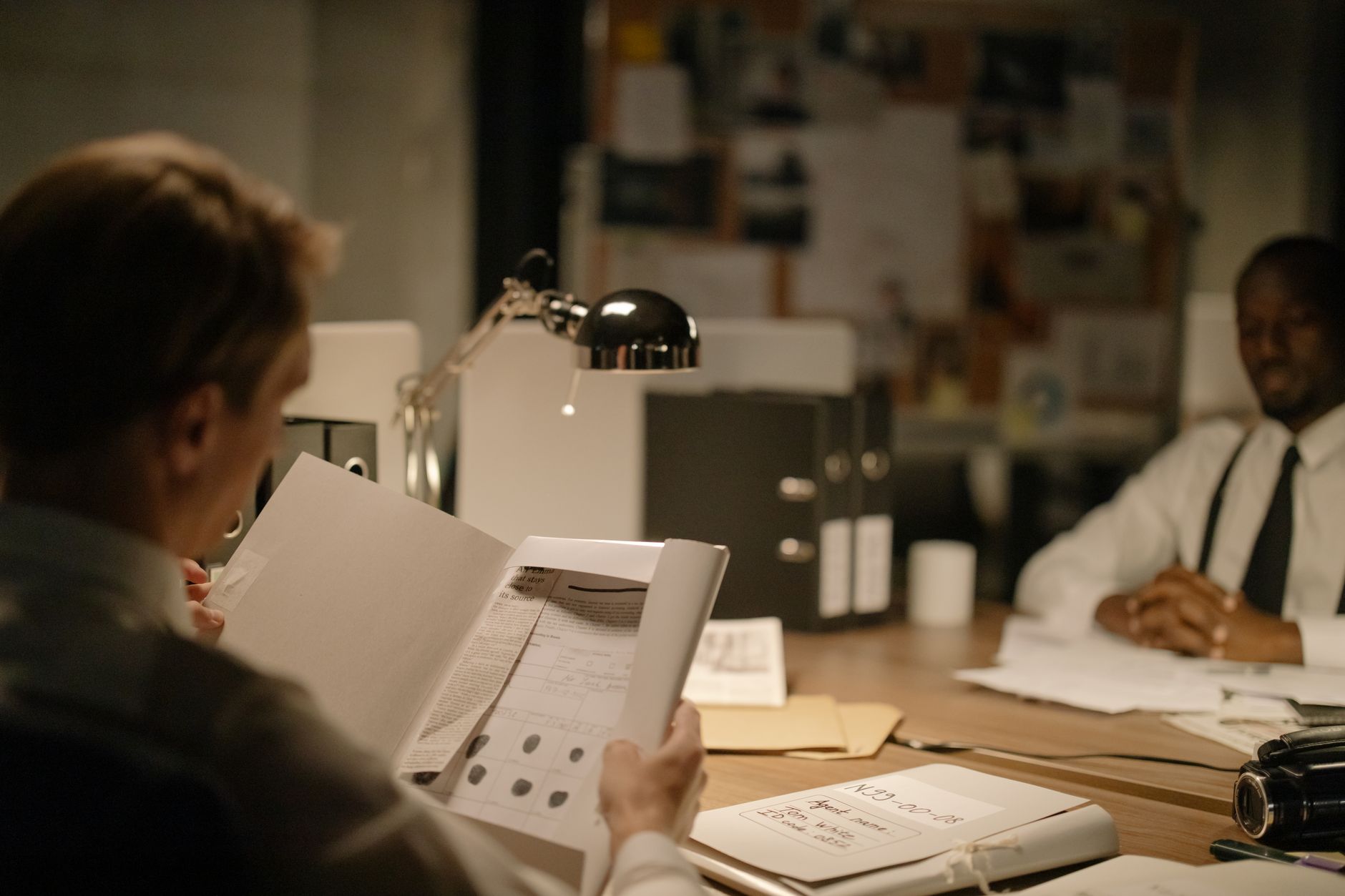
What Is the U.S. Criminal Justice Process?
The U.S. criminal justice process is the 7-stage path a case can follow after a suspected crime: investigation, arrest, charging, pretrial, trial, sentencing, and corrections. Police start the process, prosecutors decide what to file, judges rule on legal issues, juries decide guilt in many cases, and correctional officials manage what happens after conviction.
Think of it like a relay with 5 or 6 runners, not a single sprint. A burglary report in a city like Chicago or Phoenix might start with a 911 call, then detectives collect video, fingerprints, or phone records. If officers build probable cause, they can arrest a suspect, and that arrest can lead to booking, bail, and a first court appearance in 24 to 48 hours. If the prosecutor sees weak evidence, the case can end before trial. If the evidence holds, the case can move to a plea deal or a jury trial.
Reality check: The process looks linear on paper, but real cases bounce around. A judge can suppress evidence, a prosecutor can change a charge, and a defense lawyer can push for dismissal before anyone ever picks a jury. That messiness is not a flaw in the design; it is the design. A system that handles more than 10 million arrests a year in the United States has to sort cases fast, and that pressure shapes every choice.
A school course like an Introduction to Criminology class can help you name each stage without getting lost in legal jargon. The hard part is not memorizing the labels. The hard part is seeing how one decision at step 2 can change step 6.
Which Agencies Shape the U.S. Criminal Justice Process?
Police start most cases, but they do not control the whole show. Prosecutors, judges, defense lawyers, juries, and correctional agencies each hold a different piece of power, and a case can change hands 3 or 4 times before it reaches sentencing.
| Agency | When it enters | Main job | Influence |
|---|---|---|---|
| Police | First report | Investigate, arrest, book | Probable cause, evidence |
| Prosecutors | After arrest | File charges, bargain | Charge level, plea deal |
| Defense attorneys | Arrest or arraignment | Protect rights, challenge proof | Suppression motions, plea terms |
| Judges | Pretrial through sentencing | Rule on law, hear motions | Bail, evidence, sentence length |
| Juries | Trial | Decide guilt or innocence | Verdict, sometimes 12 people |
| Probation/parole officers | After conviction | Monitor release conditions | Violations, reporting, court alerts |
| Jails/prisons | After arrest or sentence | Hold people, carry out custody | Safety, movement, daily control |
Worth knowing: A judge can shut down weak evidence before trial, and that one ruling can matter more than a loud closing argument. If you want a second course angle, Introduction to Sociology helps explain why agencies with the same legal mission still act so differently.
The table looks tidy, but real cases rarely stay tidy for long. One prosecutor may offer a plea after 2 hearings; another may push for a felony trial that lasts 5 days.
How Does the U.S. Criminal Justice Process Begin?
The first stage starts with a report, a call, or an officer seeing a possible crime. From there, police build facts, and probable cause decides whether the case stays investigative or turns into an arrest.
- A victim, witness, or officer reports a suspected crime, often through 911, a campus report, or a patrol stop.
- Police collect evidence such as video, statements, fingerprints, or phone data, and they usually need a warrant when the Fourth Amendment applies.
- If facts add up to probable cause, officers can make an arrest and take the person to booking, where fingerprints, photos, and charges enter the record.
- The arrested person usually sees a judge within 24 to 48 hours for a first appearance, and the court can set bail, release conditions, or detention.
- Prosecutors may review the police file before formal charging, and they can file a misdemeanor, a felony, or no charge at all.
What this means: The earliest choices carry real weight because they set the charge level and the pressure for a plea. A $0 release, a $500 bond, or a detention order can change a case fast.
Police and prosecutors often work close together here, but they do not do the same job. Police gather facts; prosecutors decide whether those facts support a case that a judge and jury can actually hear.
Learn Introduction To Criminology Online for College Credit
This is one topic inside the full Introduction To Criminology course on UPI Study — a self-paced, online class that earns real college credit. Credits are ACE and NCCRS evaluated and transfer to partner colleges across the US and Canada. Courses start at $250 with no deadlines and lifetime access.
See Introduction To Criminology →What Happens After Charges Are Filed?
Charging turns a police report into a court case, and the prosecutor now owns the file. In many states, the prosecutor files charges by complaint or information, while a grand jury handles serious federal felonies under the Fifth Amendment.
The next stop is arraignment, where the judge reads the charge and the defendant enters a plea of guilty, not guilty, or no contest in some courts. Bail can come up again here, and a judge may set conditions like travel limits, GPS monitoring, or a no-contact order. That choice can matter more than people expect, because pretrial release can shape whether someone keeps a job or misses 3 weeks of work.
Bottom line: Most criminal cases end before trial, and plea bargaining drives that outcome. In many state courts, more than 90% of felony convictions come from guilty pleas, not jury verdicts, which says a lot about how much power prosecutors hold.
Defense counsel checks the evidence, pushes back on weak stops, and may file motions to suppress an illegal search or dismiss a bad count. Judges rule on those motions, but they do not pick sides. A case can die here if the evidence falls apart, or it can move forward if both sides see trial as too risky.
A course like Business Law can help students spot how procedure and proof work together, even outside criminal court. That mix feels dry until you see how one missing warrant can erase months of work.
How Do Trial, Sentencing, and Corrections Work?
A student in an Introduction to Criminology course at Arizona State University Online can trace a 7-stage case from arrest to parole and see why the courtroom only covers part of the story. That example hits home fast: one case can move from a police stop to a 12-person jury, then to probation or a 5-year prison term, then to a parole board months or years later. Trial decides guilt, sentencing decides the punishment, and corrections decides what daily control looks like after the judge finishes speaking.
One case, 7 stages: Trial can end in acquittal, conviction, or a hung jury, and a hung jury can send the case back for another round.
- Juries decide guilt in many felony trials, usually with 12 people in state court.
- Judges sentence after conviction, using laws that set months, years, or fines.
- Sentencing goals include punishment, deterrence, public safety, and rehabilitation.
- Probation keeps a person in the community under court rules and officer checks.
- Parole releases someone early from prison under supervision, often after a board review.
Prisons handle long custody terms, while jails usually hold people before trial or for shorter sentences, often under 1 year. That difference trips people up. A jail sentence can feel short on paper and brutal in practice, while a prison term can stretch through appeals, classes, work programs, and release hearings.
Real-world angle: A 2023 classroom case study at a California community college might compare a misdemeanor plea, a 2-year probation term, and a 10-year prison sentence to show how one charge can branch into very different endings.
Corrections does not sit outside the process. It keeps the process going.
Why Does the U.S. Criminal Justice Process Matter?
The process matters because it protects rights while it gives the state power to punish, and those two goals often pull against each other. Due process, the right to counsel, the right to remain silent, and the right to a fair trial all limit what police and prosecutors can do, especially when a case hinges on one search, one witness, or one 30-second video clip.
That matters for more than defendants. Victims want answers, communities want safety, and taxpayers pay for courts, jails, and prisons that run every day of the year. The United States spends billions of dollars on corrections, and even a small change in pretrial release or sentencing policy can shift that bill by millions. A 1-year sentence, a 5-year probation term, or a dismissal can change a family’s money, time, and stress in ways that never show up in a legal chart.
Students in criminology, criminal justice, and related online courses use this map to read cases with a sharper eye. A class on criminal justice can make a headline about arrest, plea, or parole feel less random and more concrete, and that helps with college credit, transferable credit, and later study online without turning the topic into a career ad.
The system still has rough edges. Speed can beat fairness, local politics can shape charging, and two counties can treat the same conduct very differently. If you understand the stages, you can spot where power sits and where a rights claim might actually matter.
Frequently Asked Questions about Criminal Justice Process
Most students expect one agency to run everything, but police, prosecutors, judges, juries, and corrections staff all control different stages. The process usually starts with an investigation, then arrest, charging, trial, sentencing, and supervision or jail, with each stage making separate legal choices.
The U.S. criminal justice process is the chain of steps the state uses to investigate crime, file charges, decide guilt, and carry out punishment. Police gather evidence, prosecutors choose charges, courts handle trial and sentencing, and corrections agencies manage jail, prison, probation, or parole.
No, it starts before court in the field, at a crime scene, traffic stop, or 911 call. Police collect facts first, then a prosecutor decides whether evidence supports charges, and only then does a judge or jury get involved.
This applies to anyone accused of breaking a state or federal criminal law, from a minor theft case in a local court to a federal drug case. It doesn't cover civil disputes like a lease fight or a custody case, which use different rules and courts.
The first step is an investigation, which can begin with a witness report, surveillance video, forensic evidence, or a police observation. Officers may interview people, collect DNA or fingerprints, and ask a judge for a warrant before an arrest.
Most students memorize the order of arrest, trial, and sentencing, but the real work happens in legal decisions at each stage. Prosecutors can drop charges, defense lawyers can file motions, and judges can suppress evidence before a jury ever hears the case.
A standard introduction to criminology course often carries 3 college credit hours, and many schools offer it as an online course too. If the course comes with ACE or NCCRS credit, it can count as transferable credit at cooperating colleges.
If you miss the charging stage, you can confuse police power with prosecutor power and lose track of who decides the case. Police arrest, but prosecutors file the actual complaint or indictment, and that difference matters in court records and plea deals.
Trial comes after charging and pretrial motions, and it decides guilt when the defendant doesn't plead guilty. In federal court, a judge or jury hears evidence, the prosecution must prove the case beyond a reasonable doubt, and the defense can challenge every claim.
Sentencing happens after a guilty plea or conviction, and corrections start right after the judge gives the punishment. A person may get jail, prison, probation, fines, or supervised release, and probation officers or prison staff then monitor the sentence.
Yes, you can study online and still earn college credit if the course uses ACE NCCRS credit or another approved review system. That matters for students who want flexible scheduling, since many online courses let you start on your own timeline and finish in weeks or months.
Final Thoughts on Criminal Justice Process
The U.S. criminal justice process looks complicated because it really is split across 7 stages and multiple agencies. That split protects against too much power in one set of hands, but it also creates slowdowns, plea pressure, and uneven results from one county to the next. You do not need a law degree to read the system well. If you can track probable cause, charging, arraignment, trial, sentencing, and corrections, you can follow most criminal cases from start to finish. You can also see where a judge has real power, where a prosecutor has real influence, and where a defense lawyer can change the path of the case with one motion or one objection. That kind of reading skill helps in class, on exams, and in real life. It helps you make sense of a news story instead of just reacting to the headline. It also gives you a better grip on fairness, because a system this large never works the same way in every courtroom. If you want to study this topic further, start with the stages, then test yourself on who makes each decision and when they make it.
How UPI Study credits actually work
Ready to Earn College Credit?
ACE & NCCRS approved · Self-paced · Transfer to colleges · $250/course or $99/month