
HTML forms are parts of a webpage that collect user input and send it somewhere, usually a server. A login box, a search bar, a checkout page, and a contact form all share the same basic idea: you type something, the browser gathers it, and the page sends it with HTML tags like form, input, label, and button. If you are taking an introduction to HTML and CSS course, forms matter fast. They are not side extras. They sit at the center of interactive pages. A static page shows text and images. A form asks for a name, an email, a password, or a search term, then passes that data to code on the server. That is why understanding HTML forms and submission helps you read real websites, not just toy examples. A form also teaches a simple web rule: the browser handles the front end, while the server handles the response. You do not need to know backend code to understand the flow. You only need to see how the tags fit together and why attributes like action and method change what happens after a click. Once you grasp that, forms stop looking like random markup and start looking like a system.
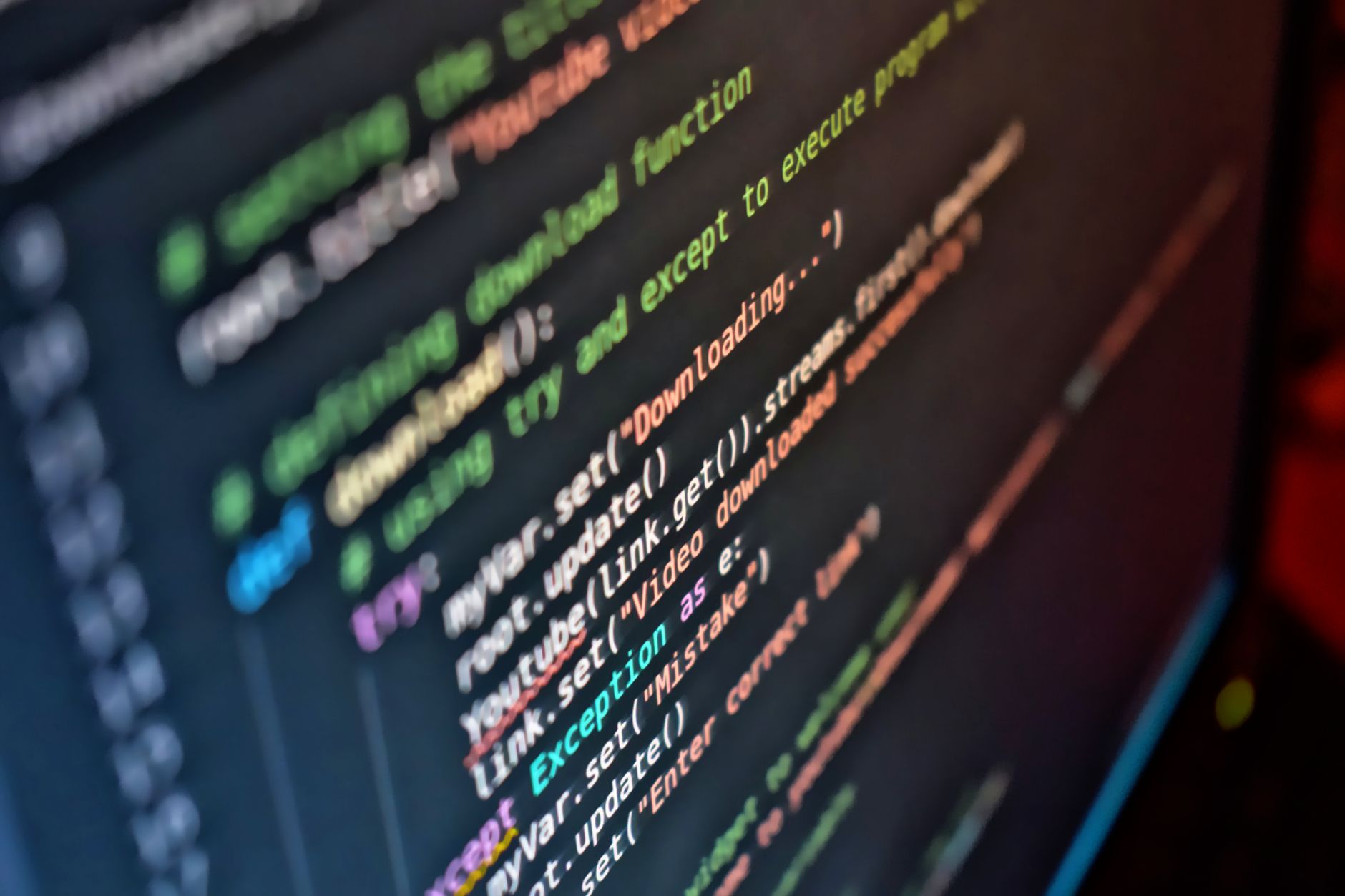
What Are HTML Forms In Web Pages?
HTML forms are parts of a webpage that collect typed or chosen data and send it for processing, and they sit behind login screens, search boxes, contact pages, and checkout forms on sites like Amazon and Gmail.
A form can ask for 1 field or 20 fields, but the job stays the same: gather user input in a structured way. In an introduction to HTML and CSS setting, that matters because forms turn a page from something you read into something you use. A profile page may show a person’s name and email, while a form lets that person edit both in one pass.
The catch: A form is not just a box on the page; it is a data handoff, and that handoff powers the most common actions on the web, from a 2-field newsletter signup to a 5-step checkout.
I like forms because they expose the real shape of the web. A pretty layout means little if a 12-word input name breaks the submission. That sounds harsh, but it is true. A contact form with 3 inputs can fail in 1 bad attribute, while a plain-looking form with clear labels works every time.
You also see forms in places people forget about. A site search box, a password reset screen, and a shipping address page all depend on the same form pattern. Once you spot that pattern, you start reading webpages like a builder, not a tourist. That shift helps in every first course, from HTML basics to an introduction to HTML and CSS course with your first live project.
Which Form Elements Collect User Input?
A form usually uses 8 core elements, and each one plays a different part in collecting and sending data. The names look small, but together they run the whole 1-page submission flow.
- form wraps the whole set of fields and tells the browser where the data belongs.
- input captures short values like names, emails, passwords, and search terms in a single line.
- label names each field, which helps users click the right spot and helps screen readers announce the field clearly.
- textarea collects longer text, such as a 5-sentence message or a shipping note with 200 characters.
- select gives users a menu of choices, while option holds each choice, like 1 country or 12 month names.
- button sends the form, and clear text like “Submit” or “Search” beats vague words like “Go.”
- fieldset groups related controls, which matters when a form has 2 sections such as billing and shipping.
Worth knowing: Labels do more than sit beside fields; they cut confusion, and on a crowded form with 6 inputs, that makes a real difference.
A weak form often hides its meaning in placeholder text, and that is sloppy design. Good forms use labels first, then placeholders as hints. I think that order matters more than people admit, because users remember labels and ignore faded example text.
You will see these elements in every Introduction to HTML and CSS lesson that builds a contact page or login screen, and the same pattern shows up in a first Computer Concepts and Applications module about web basics.
How Do Action And Method Send Data?
The form submission flow starts when a user fills out fields, clicks a button, and the browser sends the data to the server address in the action attribute, using the method attribute to choose GET or POST.
Here is the clean version. The browser reads the form, collects each field with a name attribute, and packages the values into a request. If the method is GET, the browser adds the data to the URL, so you might see something like ?q=html in a search request. If the method is POST, the browser sends the data in the request body instead, which keeps it out of the visible URL bar.
Reality check: GET works well for search and filter forms, but POST fits login and checkout forms better because it hides data from the URL and handles larger submissions.
That choice matters more than beginners think. A search form with 1 word belongs in GET. A form with a password field or a 10-field order form belongs in POST. I would not treat that as a tiny detail. It changes how the browser shares the data, how a page reload behaves, and how bookmarks or history entries work.
The action attribute points to the place that receives the form, such as /search or /login, and the server code there reads the values and responds with a new page, a redirect, or an error message. That server step sits outside HTML, but HTML starts the whole chain. A form without action and method still exists, yet it leaves the browser guessing, and guessing feels cheap in web design. If you want a strong mental model, think of the form as a labeled envelope and the server as the address written on it, not magic at all, just a 2-part handoff.
Learn Introduction To Html Css Online for College Credit
This is one topic inside the full Introduction To Html Css course on UPI Study — a self-paced, online class that earns real college credit. Credits are ACE and NCCRS evaluated and transfer to partner colleges across the US and Canada. Courses start at $250 with no deadlines and lifetime access.
Browse Intro HTML CSS →Which Input Attributes Change Form Behavior?
Input attributes control what the user sees, what the browser checks, and what actually gets sent. In a 3-minute form quiz, these details decide whether the page feels smooth or broken.
- type changes the kind of input, such as text, email, password, checkbox, or radio.
- name gives the field its submission label, and the server uses it to read the value.
- value sets the default or current data, which matters for prefilled forms and checked choices.
- placeholder shows a faint hint, but it should not replace a real label.
- required blocks submission until the field has data, and the browser shows a warning before sending.
- checked marks a checkbox or radio choice as selected when the page loads.
- disabled stops editing and also keeps the field out of submission.
- minlength and maxlength set text limits, like 8 to 20 characters for a password.
- autocomplete helps the browser fill fields faster with saved info such as name, email, or street address.
Bottom line: The browser cannot submit what it never names, so the name attribute matters as much as the visible text.
I think maxlength gets ignored too often. A 500-character box with no limit invites sloppy input, while a clear 40-character limit gives users a real target. You can also see these attributes in a basic Introduction to HTML and CSS lesson and again in a front-end lab that compares email fields with text fields.
How Do Labels, Buttons, And Validation Work?
Labels, buttons, and browser validation make a form easier to use, and they also make it easier to submit on a keyboard or phone. A good label tells you what a field means, a good button tells you what will happen next, and built-in validation catches mistakes before the browser sends anything. That matters in a 2026 web class just as much as it matters on a live checkout page, because a 1-word button like “Go” leaves people guessing while “Create account” or “Send message” gives a clear result. I think weak button text causes more friction than most designers admit.
What this means: Clear labels and exact button text reduce mistakes, and browser warnings for required fields keep users from sending blank forms.
- Use one label for each input, even on short 2-field forms.
- Put the submit button at the end, not in the middle.
- Choose button text that names the action, like “Pay now” or “Sign in.”
- Add required to fields that cannot stay empty.
- Keep validation messages short, like “Email is required” or “Password needs 8 characters.”
The browser can catch a missing email, a 7-character password, or an empty required field before the request leaves the page, and that saves time for both the user and the server. Labels also help screen readers, which makes forms easier to use for people who do not rely on a mouse. A form that looks simple but reads poorly feels broken fast, and that is a design failure, not a small typo.
How Does A Beginner Study Forms For Real Projects?
A beginner should study forms by building 3 small pages: a contact form, a login form, and a search form, because those cover the main patterns without drowning in theory.
The best practice comes from repetition, not memorizing 20 tags at once. Start with a 2-field contact form using label and input, then add textarea for a message, then wire a button to submit. After that, build a login form with email and password, then compare GET search with POST submission. That 3-part path teaches the structure faster than a giant worksheet does.
Worth knowing: The boring parts matter here: names, labels, and method values decide whether the form works in a browser or just looks nice on a slide.
I also like using tiny project goals. One page can collect a first name and last name. Another can collect a country from 5 options. A third can let a user write 150 characters in a note field. Those small limits help you see how form rules change behavior, and they keep the code readable.
A student who understands forms can move into JavaScript later with less pain, because the browser already makes sense. That is why a course like Introduction to HTML and CSS often sits beside Introduction to JavaScript in a web path. The first teaches structure, the second adds motion, and forms sit right between them.
Frequently Asked Questions about HTML Forms
HTML forms are sections of a web page that collect user input and send it somewhere for processing. They are used for sign-up pages, search boxes, login screens, surveys, and checkout forms. A form groups interactive elements such as text fields, checkboxes, radio buttons, dropdowns, and buttons so a user can enter information and submit it.
An HTML form works by presenting input controls to the user, storing the values they type or select, and then sending those values to a server when the form is submitted. The browser packages the form data and sends it according to the form’s action and method attributes. The server receives the data and processes it.
The action attribute tells the browser where to send the form data after submission. It usually contains a URL or server endpoint. If action is omitted, the browser submits the data to the current page URL. In a real website, action points to the script or service that handles the submitted information.
The method attribute defines how the browser sends form data to the server. The two main values are GET and POST. GET appends the data to the URL, which is useful for searches and simple requests. POST sends the data in the request body, which is better for larger or sensitive submissions.
The input element creates many types of form controls, including text boxes, passwords, email fields, checkboxes, radio buttons, and file upload fields. The type attribute determines what kind of input the user can enter. Each input usually has a name attribute so its value can be included in the submitted form data.
The label element identifies a form control and improves usability and accessibility. A label makes it clear what information belongs in each input field. When properly linked with the input’s id using the for attribute, clicking the label focuses the field. Screen readers also use labels to describe form controls.
The button element lets the user trigger actions in a form, most commonly submission. A button with type="submit" sends the form data to the server. A button with type="button" does not submit the form and is often used for JavaScript actions. Buttons can also reset form fields when type="reset" is used.
When a form is submitted, the browser collects the values from the form controls, formats them into data, and sends them to the URL in the action attribute using the method specified. The browser may navigate to a new page or refresh the current one, depending on the server response and page setup.
GET and POST are the most common form submission methods. GET places form data in the URL query string, so it is visible and limited in length. POST sends data in the request body, which keeps it out of the URL and is better for form submissions that change data or include larger content.
The name attribute is important because it gives each form control a key in the submitted data. Without a name, the control’s value is usually not sent to the server. For example, name="email" lets the server receive the user’s email address under that field name. It is essential for processing form input correctly.
HTML forms are a core part of an introduction to HTML and CSS course because they teach how webpages collect input and interact with servers. Students learn key tags like form, input, label, and button, along with action and method. This knowledge supports understanding of user interaction, accessibility, and real-world web development.
Understanding HTML forms is useful in online coursework because forms are a basic skill in web development and frequently appear in introductory HTML and CSS classes. Students who study online for transferable credit or ACE NCCRS credit need practical knowledge of how forms collect and submit data, since this is a standard topic in foundational web design.
Final Thoughts on HTML Forms
HTML forms look simple, but they carry a lot of work. A form tag wraps the fields. Input tags collect data. Labels tell people what each field means. The action and method attributes decide where the data goes and how the browser sends it. That is the whole machine, and it runs almost every day on login pages, search bars, and checkout screens. The smartest way to remember forms is to see them as a chain, not a pile of tags. A user types. The browser gathers. The server receives. If one link fails, the whole page feels off. A missing label slows people down. A vague button confuses them. A bad method choice can expose data in the URL or send it the wrong way. Those are not tiny issues. They shape trust. If you are building your first web pages, start with a contact form, then a login form, then a search form. Three projects teach more than a hundred random lines of code. That rhythm gives you a clean view of how browsers handle input and why developers care so much about details that look small on paper. Form code is basic, but the thinking behind it is not. Once you understand the flow, you can read real pages with a sharper eye and build ones that people can actually use.
How UPI Study credits actually work
Ready to Earn College Credit?
ACE & NCCRS approved · Self-paced · Transfer to colleges · $250/course or $99/month