
JavaScript is the language that makes web pages react to what you do. You click a button, type in a box, scroll a page, or open a menu, and JavaScript can make something happen right away. That is the simple answer to is javascript and how does it work. HTML gives a page its structure. CSS gives it style. JavaScript gives it behavior. Those three parts work together on almost every modern site, from a 2-page portfolio to a 200-item online store. If you want understanding javascript, start with that split. It saves a lot of confusion later. Students often think JavaScript only means flashy effects. That misses the real job. It handles form checks, live search, pop-up windows, image sliders, and content that changes after the page loads. It also powers a huge share of front-end development, so the same language shows up in simple school projects and big apps used by millions of people. This is significant in an introduction to javascript course because the course is not just about memorizing code. It teaches you how the browser reads a page, how scripts change the page, and how small pieces of logic shape user experience. Once that clicks, the rest of web coding starts to make more sense. It also gives you a clean base for later topics like APIs, events, and DOM work, which show up in many 8- to 12-week coding classes.
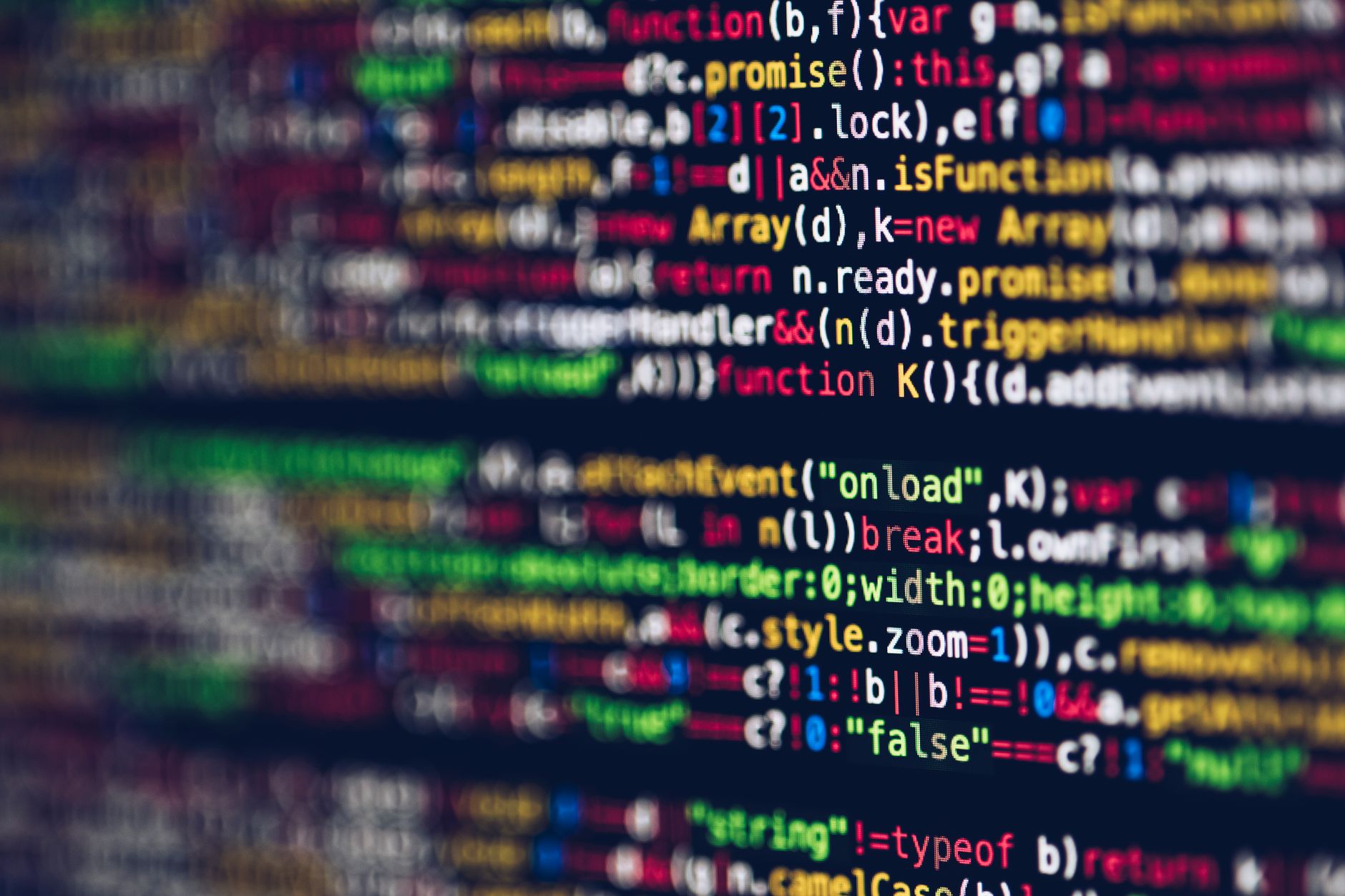
What Is JavaScript in Web Development?
JavaScript is the programming language that adds behavior to a web page, which means it handles clicks, typing, scrolling, and live updates in real time. A page without it can still show text and images, but it will act like a poster, not a tool.
The catch: JavaScript only shines when the page already has HTML for structure and CSS for style, because it does not replace those 2 layers. It sits on top of them and reacts to what the user does, which is why a login form, a shopping cart, or a 3-step quiz feels alive instead of frozen.
That interactive part matters in front-end development. Front-end work covers what users see in the browser, and JavaScript handles the changing part of that experience. A menu can slide open in 150 milliseconds, a button can switch a light mode theme, and a page can update numbers without a full reload. Those are small actions, but they make a site feel modern.
A lot of beginners think JavaScript only means animation. That view is too narrow. A plain color change is cute; form validation on a 12-field sign-up page is real work. JavaScript can stop a bad email address, show a message under a field, or calculate a total before checkout. That is why it shows up in almost every serious web project.
If you are looking at Introduction to JavaScript, the point is not to memorize every trick on day 1. The goal is to understand the logic behind the page. Once you get that, the browser stops feeling mysterious and starts feeling predictable.
How Does JavaScript Run in a Browser?
JavaScript runs inside the browser itself, using a built-in JavaScript engine like V8 in Chrome, SpiderMonkey in Firefox, or JavaScriptCore in Safari. You do not need a separate desktop app for basic web scripts, and that is why a simple 20-line file can change a whole page.
What this means: The browser loads HTML first, applies CSS, and then reads JavaScript from a file or a script tag. After that, the script can listen for events like a click, a key press, or a page load and respond in under 1 second if the code stays light.
The DOM, or Document Object Model, is the browser’s live version of the page. Think of it as the page’s working copy. JavaScript can read the DOM, change text, hide a section, add a class, or swap an image after the page has already loaded. That is the whole trick.
Here is the part students miss: JavaScript does not rewrite the whole site every time. It targets pieces. A script can update 1 message in a form, 3 cards in a product grid, or 50 rows in a table without making the user wait for a full refresh. That makes it fast and useful.
The downside is plain too. Bad JavaScript can slow a page down, break buttons, or create weird bugs that only show up on mobile. A page that looks fine in Chrome on a laptop can still fail on a phone if the code ignores timing, load order, or browser support.
If you want a cleaner path into an intro JavaScript course, focus on the browser cycle: load, listen, react, update. That 4-step loop explains most everyday web interactions.
A second useful piece is timing. If JavaScript runs before the HTML exists, it may try to grab an element that the browser has not built yet. That is why developers place scripts at the bottom of the page or use tools like defer. Small detail, big payoff.
How Is JavaScript Different From HTML and CSS?
JavaScript, HTML, and CSS work as a team, but they do different jobs. HTML builds the page, CSS styles it, and JavaScript makes it act. If you mix those roles up, even a small website gets messy fast.
| Technology | Main job | Example | Where it runs |
|---|---|---|---|
| HTML | Structure | <h1>, <form>, <section> | Browser |
| CSS | Presentation | Colors, 16px text, 2-column layout | Browser |
| JavaScript | Behavior | Button click, live count, menu toggle | Browser engine |
| HTML + CSS | Static page | Read-only content, no interaction | Page load |
| JavaScript + DOM | Dynamic page | Change text, hide popup, fetch data | After load |
Worth knowing: HTML and CSS can make a page look complete in 5 minutes, but they cannot react to a user on their own. JavaScript fills that gap, which is why a simple search box can show 10 live suggestions before the user hits Enter.
If you are comparing Introduction to HTML and CSS with JavaScript, think of it this way: HTML sets the bones, CSS handles the clothes, and JavaScript handles the motion. That split sounds basic, but it keeps projects clean and makes debugging far less painful. A page that treats all 3 as the same thing usually turns into a mess by week 4.
Learn Introduction To Javascript Online for College Credit
This is one topic inside the full Introduction To Javascript course on UPI Study — a self-paced, online class that earns real college credit. Credits are ACE and NCCRS evaluated and transfer to partner colleges across the US and Canada. Courses start at $250 with no deadlines and lifetime access.
Explore JavaScript Course →What Do People Use JavaScript For?
JavaScript shows up in almost every interactive website, from a 3-field contact form to a dashboard with 20 live widgets. People use it because they want the page to react right away instead of waiting for a full reload.
- Form validation checks email addresses, password length, and empty fields before submission. That saves users from basic mistakes and cuts down on pointless server errors.
- Menus and modals open and close with one click. A 2024 news site, a school portal, and a store checkout all use that pattern.
- Image sliders let users move through 5, 10, or 20 pictures without changing pages. That matters on product pages and portfolio sites.
- Live search suggestions appear while you type, often after just 2 or 3 letters. That feels faster than waiting for a full search page.
- Interactive dashboards update charts, totals, and filters on the same screen. A finance page or a class tracker can show new numbers without a refresh.
- Animations make elements fade, slide, or bounce in a controlled way. Used well, they guide attention; used badly, they look cheap and noisy.
- Fetching data from servers lets a page pull fresh weather, scores, or posts after load. That is how many apps stay current without making you start over.
Bottom line: JavaScript handles the useful stuff users notice first, like speed, feedback, and movement, not just decoration.
If you want to see that pattern in a course setting, this JavaScript course lines up those ideas with practice instead of just theory.
Why Does JavaScript Matter in This Course?
JavaScript matters in an introduction to javascript course because it teaches you how a page goes from flat content to active software, and that is the real leap from beginner web coding to usable front-end work. A course that covers 6 to 10 core topics without this language leaves a big hole in your skill set.
Reality check: Students usually understand HTML and CSS first, but JavaScript is where logic enters the picture. That means you start thinking in steps, conditions, and events instead of just colors and headings. A button click becomes a rule. A form error becomes a branch. A menu state becomes a tiny decision tree.
That shift matters for study online, too. In a self-paced setup, you can replay a lesson 2 times, pause on a code demo, and practice one concept for 30 minutes before moving on. That works well for people who want college credit without a fixed classroom schedule. It also helps if you need transferable credit, since the course content can fit into a broader academic path.
A credit-bearing course with ace nccrs credit gives the work more weight than a random tutorial. That difference matters when you want official college credit instead of just watching videos and hoping they count. The course also builds a base for later topics like APIs, events, and frameworks, which show up in many 12-week web tracks.
If you are choosing between a hobby lesson and a course that connects to transferable credit, pick the one that makes you write, test, and fix real code. That is where the learning sticks.
How UPI Study Fits
A 1-course starter path can be a smart move when you want a clean test of the material before you stack more classes. UPI Study offers 90+ college-level courses, all ACE and NCCRS approved, so the credit side is built into the setup from the start.
UPI Study keeps the pricing simple: $250 per course or $99 per month for unlimited access. That matters if you plan to take 1 course now and 2 more later, because the math changes fast when you compare a single class to a month of heavy study. The platform is fully self-paced, with no deadlines, which helps if you need to fit study around work, travel, or another class load.
The JavaScript course lives here: Introduction to JavaScript. UPI Study uses ACE and NCCRS approval, and that gives the course a clear place in a credit-bearing plan at partner US and Canadian colleges. You also get a path that fits students who want to study online without the pressure of weekly due dates.
UPI Study works best for a student who wants one course that can stand on its own and still fit a larger transfer plan. That mix is rare. Most online tutorials teach skills only; this setup ties the skill to credit, and that is a different kind of value. UPI Study also keeps the experience simple enough that you can start with JavaScript, then move into HTML, CSS, or other college-level subjects without changing platforms.
Frequently Asked Questions about JavaScript
JavaScript is the code that makes a web page react when you click, type, scroll, or submit a form, and it runs in the browser with engines like V8 in Chrome and SpiderMonkey in Firefox. It reads HTML and CSS, then changes the page without reloading it.
Start by learning variables, numbers, strings, if statements, and functions, because those 5 pieces show you how JavaScript thinks. You can study online in an introduction to javascript course, then practice by changing text, showing messages, and checking user input.
This applies to you if you want front-end development, web apps, or college credit from an introduction to javascript course; it doesn't apply first if you're only editing static HTML pages. JavaScript matters because browsers use it to handle clicks, menus, form checks, and live updates.
What surprises most students is that JavaScript can change the page after it loads, so a button can hide text, open a menu, or update a cart in real time. HTML gives structure, CSS gives style, and JavaScript adds behavior in the browser.
The most common wrong assumption is that JavaScript and HTML do the same job, but they don't. HTML builds the page, CSS styles it, and JavaScript controls actions like clicks, timers, and simple games in front-end development.
If you mix them up, you'll write code that looks right but doesn't work, and that slows down everything from class labs to college credit assignments. JavaScript handles logic, so a form can block bad email input or show a message when a field is empty.
Most students read about JavaScript for 3 or 4 hours and stop there, but what actually works is writing small scripts every day and testing them in the browser. That gives you real understanding javascript skills much faster than passive reading.
About 20 to 30 minutes a day for 2 weeks can get you through the basics if you write code, not just watch videos. That pace fits an online course and helps you earn transferable credit or ace nccrs credit in a structured class.
JavaScript helps in an introduction to javascript course because it teaches you how web pages react to user actions, which is the bridge between static pages and real apps. You learn how the browser runs code, checks input, and changes content without reloading.
JavaScript can support college credit in web development or programming courses, and schools often treat an introduction to javascript course as part of a front-end track. If you study online and finish the work, you build skills used in browser-based apps and class projects.
Final Thoughts on JavaScript
How UPI Study credits actually work
Ready to Earn College Credit?
ACE & NCCRS approved · Self-paced · Transfer to colleges · $250/course or $99/month