
Culture in sociology means the shared beliefs, values, norms, symbols, language, and material objects that shape how people live in a group. It is not just personal taste or one person’s habits. It is a social system people learn, use, and pass on. That matters in everyday life. The way a family eats dinner, greets guests, or talks about school can feel normal because culture teaches those patterns early. A student in a sociology 101 introduction to sociology course learns to spot those patterns and ask who made them, who follows them, and who gets left out. Culture also explains why two people can live in the same city and still act very differently. A hospital worker, a high school student, and a new parent may all follow different rules, use different words, and value different things, even inside the same society. Sociology looks at those shared rules, not just private opinions. Students often mix up culture and society. That mistake causes trouble on exams and in class discussion. Society means the people and the organized group they form. Culture means the shared way of life that group builds. Once you separate those two, a lot of sociology starts making sense fast.
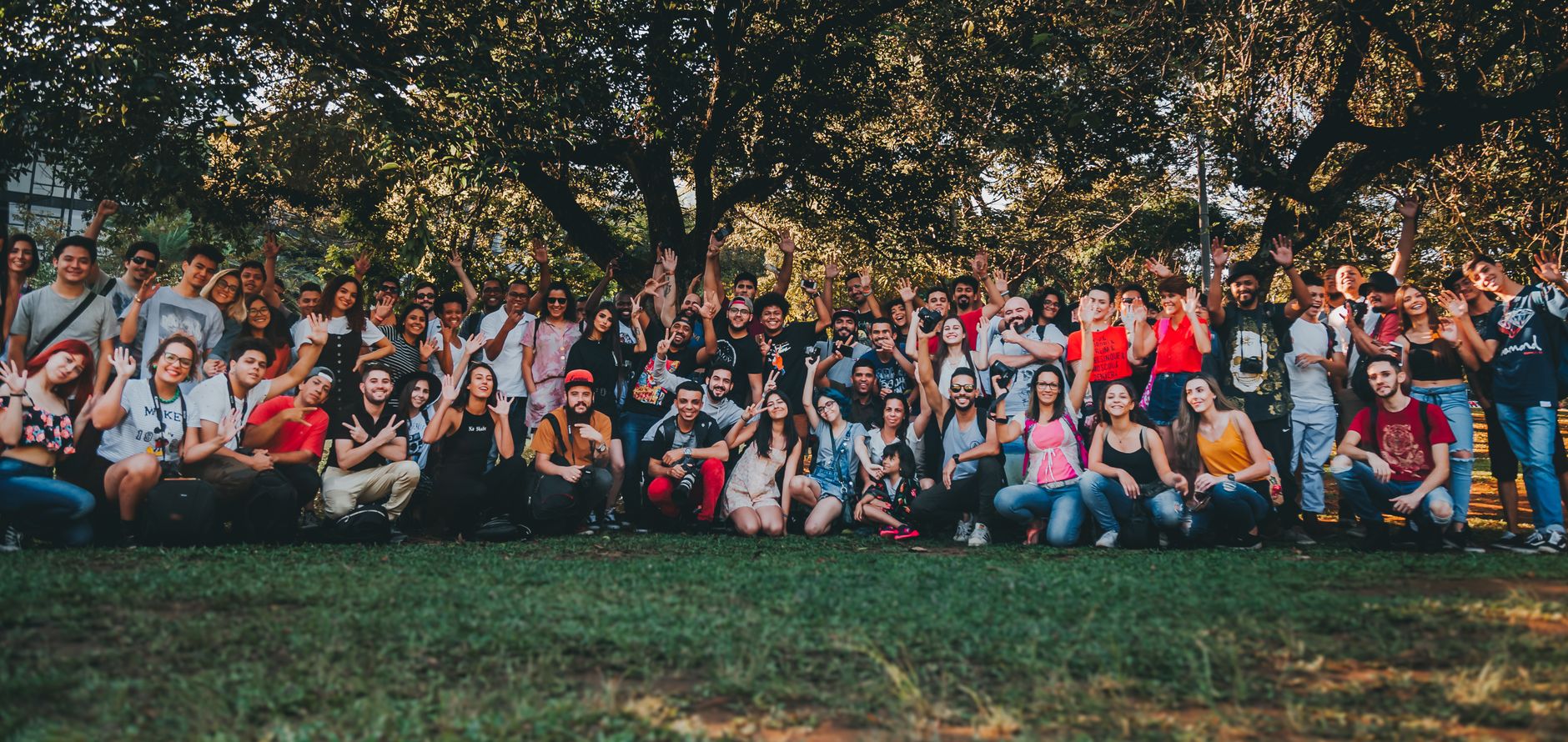
What Is Culture in Sociology?
Culture in sociology is the shared system of beliefs, values, norms, symbols, language, and material objects that shapes life in a group of people. Sociologists study it as something learned and shared across a society, not as one person’s mood, taste, or personality.
Think about a 2024 college campus. A student who raises a hand before speaking, says “please” and “thank you,” and uses a laptop in class follows cultural patterns, not random habits. Those patterns come from a group, not from biology. That is why sociology asks how culture works in a 3-credit course, in a family, or in a workplace.
Beliefs are ideas people accept as true, like trusting science, religion, or hard work. Values are ideas about what matters, like honesty, family loyalty, or independence. Norms are the rules people follow, such as waiting in line or wearing formal clothes to a 9 a.m. job interview.
Symbols matter too. A wedding ring, a graduation cap, or the color white at a funeral can carry meaning that people in one group understand right away. Language does the same job, but with words, accents, slang, and gestures. Even material objects count. A smartphone, a church building, or a fast-food cup can tell you what a group values.
That mix makes culture powerful. It teaches people how to act before they even think about it. A student in a sociology 101 introduction to sociology course often sees this first in everyday life, then in readings from Introduction to Sociology. The catch: Culture is not one neat thing. It is a bundle of shared habits, and some parts change faster than others.
One mistake students make is treating culture like a list of holidays or foods. That is too small. Food and holidays matter, but sociology also cares about rules, meanings, and the objects people use every day. In 2025, that includes everything from emojis to lab coats.
How Does Culture Shape Behavior?
Culture shapes behavior by telling people what counts as normal, rude, smart, safe, or strange in a group. A person does not wake up and invent those rules from scratch; they learn them through repeated contact with family, school, peers, media, and institutions.
A simple example helps. In many U.S. schools, students line up before class, raise a hand before speaking, and avoid talking over the teacher. Those 3 rules feel natural after a few years, but they come from culture. A different country, or even a different workplace, may use a different set of expectations.
People internalize culture, which means they absorb it so deeply that it starts to feel automatic. That is why a person may feel awkward eating with the wrong hand, speaking too loudly in a library, or wearing gym clothes to a formal event. Culture turns outside rules into inside habits. Reality check: People follow culture most of the time without thinking, and that is exactly why it works.
Culture also gives society order. A shared handshake, a 2-second pause before interrupting, or a rule about removing shoes indoors helps people coordinate without constant conflict. But culture also limits freedom. If a group praises one kind of family, one body type, or one way to speak, people outside that pattern can get judged fast.
That tension matters in sociology because culture does not just guide behavior; it pushes behavior into lanes. A nurse, a retail worker, and a law student may all live under the same national culture, yet each role carries different expectations about dress, speech, and time. A strong sociology 101 introduction to sociology course makes students spot those patterns in Advanced Social Psychology and in ordinary life.
Not every behavior comes from culture alone. Biology, money, and law also matter. Still, culture gives people the script they use first, especially in public settings.
Which Parts Make Up Culture?
Culture has 6 main parts in most sociology 101 classes, and each one shows up in daily life. Once you can name them, culture stops looking vague and starts looking measurable.
- Beliefs are ideas people accept as true. A group may believe education leads to a better future, or that elders deserve respect.
- Values are shared ideas about what matters most. In one family, success may mean money; in another, it may mean 4 years of service or caregiving.
- Norms are rules for behavior. Waiting your turn in a queue or texting back within 24 hours can count as a norm depending on the group.
- Symbols stand for bigger meanings. A national flag, a wedding band, or a black ribbon can signal identity, loss, or unity without any speech.
- Language lets people share meaning through words, slang, tone, and gesture. Even one word like “sir” or “ma’am” can signal respect in one place and stiffness in another.
- Material culture means physical things people make and use, such as smartphones, houses, school uniforms, or a $20 textbook in a campus store.
- All 6 parts work together. A student in a sociology 101 introduction to sociology course can spot them in one scene, like a courtroom, a wedding, or a football game.
Learn Introduction To Sociology Online for College Credit
This is one topic inside the full Introduction To Sociology course on UPI Study — a self-paced, online class that earns real college credit. Credits are ACE and NCCRS evaluated and transfer to partner colleges across the US and Canada. Courses start at $250 with no deadlines and lifetime access.
See Intro Sociology Course →How Is Culture Learned and Passed On?
People do not inherit culture the way they inherit eye color. They learn it step by step through socialization, which starts in early childhood and keeps going through school, work, media, and adult life.
- First, family teaches basic habits like food rules, greetings, and what counts as respectful speech. A child may learn these before age 5, long before a sociology class ever starts.
- Second, school adds formal rules, like deadlines, attendance, and turn-taking. A 90-minute class or a 10-point quiz can teach that some settings reward punctuality and quiet focus.
- Third, peers and media shape style, slang, and status. A trend on TikTok or a group chat can spread a new phrase in 24 hours.
- Fourth, religion, sports, and community groups reinforce shared meanings through rituals, rewards, and repetition. That reinforcement makes certain behaviors feel normal, even when they differ from home life.
- Fifth, people pass culture to the next generation through imitation and enculturation. Children copy adults, then repeat the pattern when they become parents, mentors, or teachers.
- Sixth, institutions lock it in. A workplace handbook, a 3-credit college course, or a public ceremony can turn a private habit into a public standard.
Worth knowing: Culture lasts because people practice it daily, not because it appears once and freezes in place. A small habit repeated 100 times can shape a whole life.
Why Is Culture Different From Society?
Society is the organized group of people who live together, while culture is the shared way of life that group creates and uses. That split sounds small, but it matters a lot in sociology, especially in a 2025 classroom where students mix the terms on exams.
A country like Canada or the United States counts as a society because it has people, institutions, and rules that connect them. The greeting “hello,” a 9-to-5 work day, or a school mascot counts as culture because those are shared meanings and habits inside the group. One is the social body. The other is the social script.
Students often confuse the two because they show up together. You cannot separate people from the meanings they use all day. Still, sociology makes the split clear. A hospital has nurses, doctors, and patients. That is society in action. The white coat, the charting system, and the 12-hour shift schedule belong to culture.
The two depend on each other. Society gives culture a home, and culture gives society order. Without people, no culture exists. Without culture, people cannot coordinate, trust, or teach newcomers what to do.
This is where a lot of essays go wrong. A student writes about “American society” and only describes food, music, or holidays. That misses half the point. Sociology wants both pieces: the group and the shared meanings inside it. In a 3-credit class, that distinction can decide whether a short answer earns 2 points or 5.
How Does Sociology 101 Use Culture?
In a sociology 101 introduction to sociology course, culture shows up in case studies, class debates, and exam questions because it gives students a way to explain behavior without guessing about personality. A 3-credit course often uses short scenarios, like a classroom rule, a family ritual, or a workplace dress code, and asks students to name the beliefs, norms, or symbols at work. That skill matters for college credit and transferable credit work because instructors want students to show analysis, not just memorized terms.
- Identify beliefs, values, norms, symbols, language, and material culture in a scene.
- Explain how socialization teaches culture before age 18.
- Compare two groups, such as a church group and a sports team.
- Show how one norm can support order and limit freedom.
A strong answer sounds specific, not fluffy. If a professor gives a 10-point quiz about a school hallway, the student should name the rule, the symbol, and the social pressure behind it. That kind of answer works in Introduction to Sociology and in later classes too. Bottom line: Students earn better grades when they tie culture to real behavior, not abstract slogans. A paper that uses one sharp example beats three vague paragraphs every time.
Many students also use culture to connect sociology with other fields. A future teacher may study classroom norms. A future nurse may study patient communication. A future manager may study workplace language. A future social worker may study family expectations. Sociology 101 rewards that cross-over thinking, especially when a response names a rule, a symbol, and a consequence in the same 3-sentence answer.
Frequently Asked Questions about Sociology Culture
Most students memorize a list, but what actually works is tying beliefs, values, norms, symbols, language, and objects to real behavior. In sociology, culture is the shared way people live, learn, and act in a group of 2 or more people.
This applies to every group with shared meaning, from a 20-person club to a country of 300 million people, but it doesn't describe one person's private habits. Culture is shared, learned, and passed on, so your own taste in music or clothes doesn't equal culture by itself.
You mix up the rules with the group, and that makes test answers wrong. Society means the people and their organization; culture means the shared beliefs, norms, language, and symbols that guide those people, so one can exist without the other.
The surprise is that culture shapes daily behavior in tiny ways, not just big things like holidays or religion. In sociology 101 introduction to sociology, you learn that a handshake, a 10 p.m. curfew, or table manners can all count as cultural rules.
The most common wrong assumption is that culture means art, food, or music only. In sociology, culture also includes language, values, norms, and material objects like clothing, tools, and phones, and those parts tell people how to act.
Start by naming 3 parts of culture in one example: a school, a family, or a workplace. In a sociology 101 introduction to sociology course, that helps you show how people learn rules, share them, and pass them on across generations.
Some online course options for sociology 101 cost about $300 to $1,500, and ACE NCCRS credit can help you earn transferable credit at cooperating schools. If you study online, check whether the course lists college credit on the provider's site before you enroll.
Culture shapes behavior by setting the rules people learn, share, and repeat every day. It tells you what counts as polite, rude, normal, or strange in a group, and those rules can change across cities, countries, and generations.
Think of society as the people and culture as the shared ideas that hold them together. A nation with 50 million people is a society, while its language, laws, holidays, and dress codes are parts of culture.
You learn culture from parents, teachers, friends, media, and school, so it gets passed on through daily contact, not biology. A child can learn 2 languages, 3 food rules, and a set of manners before age 10.
You can use a sociology 101 online course that offers ace nccrs credit to earn transferable credit toward a degree. That works best when the course includes graded work, a clear syllabus, and a transcript from the provider.
Final Thoughts on Sociology Culture
Culture in sociology is the shared meaning system that teaches people how to act, speak, judge, and belong. It lives in beliefs, values, norms, symbols, language, and material objects, and it shows up in ordinary places like classrooms, hospitals, homes, and workplaces. Students usually get tripped up when they treat culture like trivia. It is not trivia. A 2-second pause, a hand gesture, a dress rule, or a school slogan can all carry social meaning, and those meanings shape behavior more than most people notice. That is why sociology keeps coming back to culture again and again. The cleanest way to study it is to ask three questions: Who shares this pattern? How do they learn it? What happens when someone breaks it? Those questions work in essays, exams, and class talk because they force real analysis. Society gives people the group. Culture gives them the script. Once you see both pieces, sociology gets sharper, faster, and a lot more useful. Keep watching the small rules, because the small rules usually tell the biggest story.
How UPI Study credits actually work
Ready to Earn College Credit?
ACE & NCCRS approved · Self-paced · Transfer to colleges · $250/course or $99/month