
A central bank executes monetary policy by changing short-term rates, bank reserves, and lending conditions so credit gets cheaper or tighter across the economy. Those moves then affect mortgages, car loans, business borrowing, stock prices, and spending. In macroeconomics, this matters because one rate decision can reach millions of people fast. If the policy rate rises, banks usually raise loan rates within days or weeks. If it falls, borrowing often gets easier, which can lift spending and hiring. That's why students keep coming back to how a central bank executes monetary policy: the whole system runs through price signals, not speeches. A college student studying macroeconomics should see this as more than theory. A 25-basis-point rate move can change bond yields, mortgage payments, and business plans before the next inflation report even lands. Central banks also watch labor data, because a weak job market can need easier money while hot inflation can need tighter money. The Federal Reserve, the European Central Bank, and the Bank of England all use similar tools, even if their targets and legal rules differ. The hard part sits in the timing. Policy changes rarely hit the real economy in a single day. Some effects show up in 1 to 3 months, while others take 12 to 18 months. That lag makes central banking a strange mix of math, judgment, and patience, and it explains why every move comes with risk.
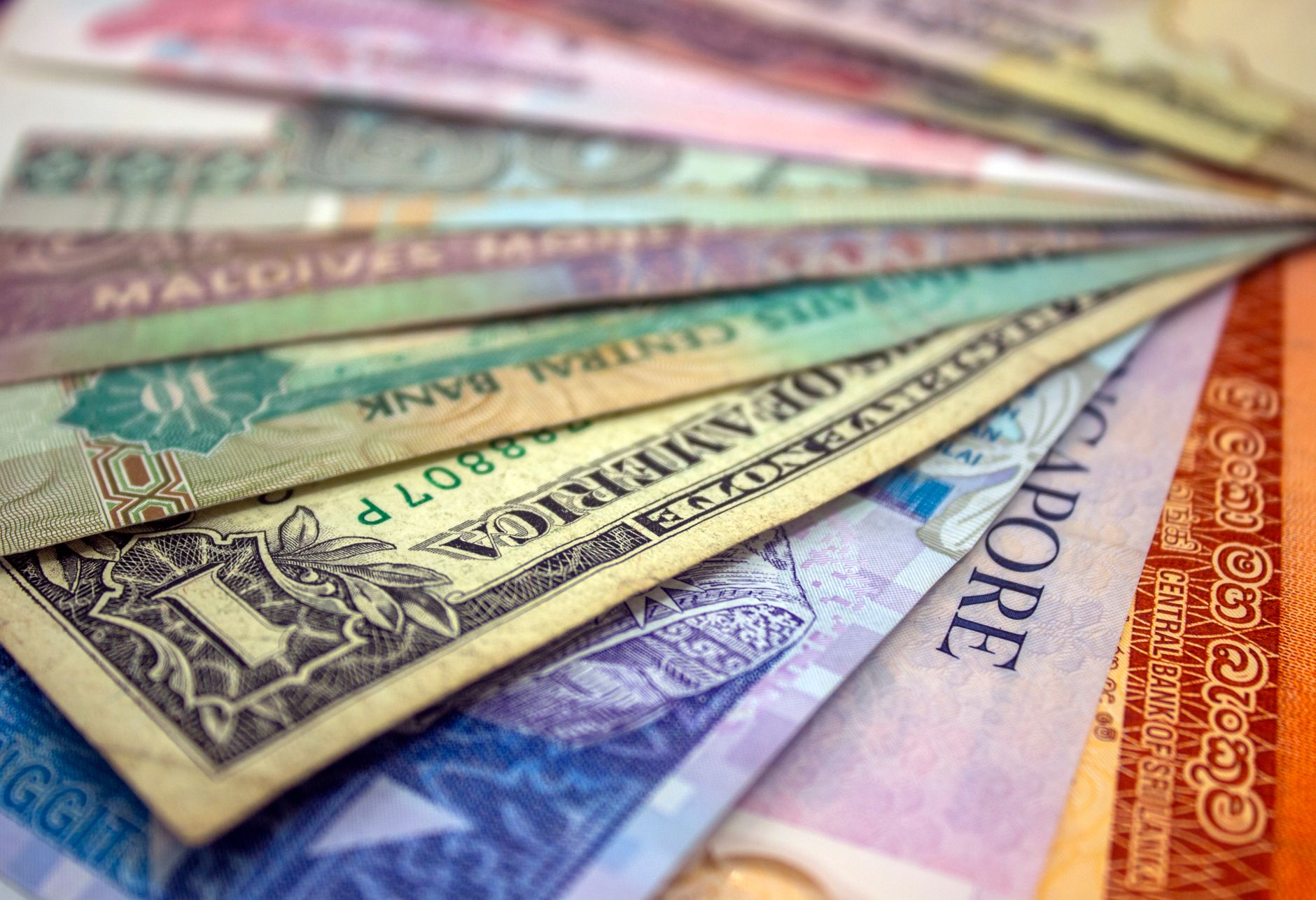
How Does A Central Bank Change Interest Rates?
A central bank changes interest rates by steering the overnight rate that banks charge each other, and that rate quickly shapes mortgages, credit cards, and business loans. In a macroeconomics course, this is the main transmission channel, because one policy move can affect millions of borrowing decisions in 30 to 90 days.
The catch: A 0.25% rate cut does not hand out cheap money by magic; it changes the price of credit, and banks then adjust loan offers, deposit rates, and bond pricing. A small move matters because markets trade on expectations, not only on the rate itself.
If the policy rate rises from 4.50% to 4.75%, banks often raise variable loan rates, which can slow car purchases, home buying, and equipment orders. That can hit consumer spending first, then business investment, then asset prices like stocks and real estate. This channel feels plain only after you watch a 30-year mortgage quote move by half a point.
Lower rates work the other way. Cheaper credit can push firms to borrow for new hires, new machines, and new stores, while households may spend more on homes, autos, and education. The effect is not instant, though. Central banks usually wait 6 to 18 months to see the full change in inflation and employment, which is why timing always creates stress.
A student in a macroeconomics course should picture interest rates as the loudest lever in the room. The central bank does not order people to spend; it changes the cost of waiting. That is a blunt tool, and blunt tools can bruise as well as heal.
Which Tools Does A Central Bank Use?
A central bank usually works through four main tools, and each one hits a different part of the credit system. The policy rate often moves by 25 basis points, but reserve rules and lending facilities can matter just as much when markets get tense.
- Open market operations mean the central bank buys or sells government securities. Buying adds reserves and pushes short-term rates down; selling drains reserves and pushes them up.
- Reserve requirements tell banks how much cash they must hold against deposits. A higher reserve ratio can squeeze lending fast, though many modern systems barely touch this tool.
- The discount rate, or standing lending facility, sets the rate banks pay when they borrow directly from the central bank. Banks use it when overnight funding gets tight, such as during a market shock.
- Interest on reserves pays banks for holding money at the central bank. A higher rate can keep banks from lending too aggressively, because it gives them a safe parking spot.
- Forward guidance shapes expectations with words, not cash. A clear 2024 or 2025 statement can move bond yields before any trade in government securities happens.
- Quantitative easing or tightening changes the size of the balance sheet. It tends to matter most when policy rates sit near 0% and short-term rates lose some punch.
Reality check: No tool works best in every case. In a panic, the lending facility can calm banks in a single day; in a hot inflation phase, open market sales often work better because they drain reserves directly.
If you want a clean study path, pair this topic with Macroeconomics and Principles of Finance so you see both the theory and the market side.
A central bank also watches how fast banks pass changes to customers. That pass-through can take 1 week in money markets and 3 months in consumer loans, which is why the same tool can feel sharp in one place and slow in another.
Why Do Central Banks Fight Inflation?
Central banks fight inflation by making borrowing more expensive and demand less frantic, which slows price growth when inflation runs above target. The Federal Reserve uses a 2% inflation goal, and the ECB also treats 2% as its medium-term target, because stable prices help households and firms plan.
What this means: If inflation jumps from 2% to 6% or 8%, a central bank usually raises rates to cool spending before higher prices start feeding on themselves. That can soften wage pressure, lower retail demand, and slow credit growth, but it also risks weaker output and slower hiring.
This tradeoff sits at the heart of macroeconomics. If a central bank moves too slowly, people expect 6% inflation to stay, and they start setting wages and prices around that number. If it moves too hard, unemployment can rise and a mild slowdown can turn ugly. This is the part students miss: credibility matters almost as much as the rate itself.
Expectations can do half the work. When firms believe the central bank will protect the 2% target, they keep price hikes smaller and wage demands calmer. When they doubt it, even a 0.50% rate increase may not cool things much, because people keep spending like inflation will stay high.
That is why central bankers talk so much about their goals. Words can move markets before the next CPI report, and a clear plan can save them from needing a bigger rate hike later. Still, no central bank can fix a supply shock from oil, wheat, or shipping in one quarter.
Learn Macroeconomics Online for College Credit
This is one topic inside the full Macroeconomics course on UPI Study — a self-paced, online class that earns real college credit. Credits are ACE and NCCRS evaluated and transfer to partner colleges across the US and Canada. Courses start at $250 with no deadlines and lifetime access.
Browse Macroeconomics Course →How Does Monetary Policy Support Employment?
Monetary policy supports employment by making credit easier during weak periods, which can raise spending and help firms hire more workers. When unemployment climbs above 5% or 6%, central banks often cut rates to keep layoffs from spreading through the economy.
Lower rates can help a store owner finance inventory, a factory buy equipment, or a family refinance a mortgage and free up cash for other spending. That extra demand gives businesses a reason to add shifts or open new roles. This is expansionary policy in plain language: cheaper money, more activity, better odds of hiring.
Worth knowing: A central bank cannot directly create jobs the way a government payroll program can. It can only make the conditions friendlier for hiring, and that is a big limitation during deep recessions or supply shocks.
The lag matters here too. A rate cut in March 2025 may not show up in payroll numbers until summer or fall, because firms wait to see if demand really improves. If energy prices jump or supply chains break, lower rates may help less than people hope. That is a pain point, not a footnote.
Students in macroeconomics should treat employment policy as indirect but powerful. The central bank lowers the cost of waiting, and that can make managers say yes to a hire they had delayed for 2 quarters. It is not a clean fix, but it often beats doing nothing.
What Happens After A Central Bank Acts?
A central bank move starts with a statement, but markets react in seconds and the real economy reacts much later. Bond traders, lenders, and currency desks all try to guess what the move means for the next 3 to 12 months.
- The central bank announces a rate move or policy signal, often after a scheduled meeting like the Fed’s 8-times-a-year calendar. Traders read the wording fast and look for hints about future moves.
- Bond yields and money-market rates often change first. A 0.25% hike can push short-term yields up the same day, even before any bank changes a customer loan offer.
- Banks adjust lending rates, deposit rates, and credit standards over the next 1 to 4 weeks. That shift can make mortgages, business lines, and car loans more expensive or cheaper.
- Consumers and firms change plans next. A weak housing market may cool within 2 to 6 months, while business investment can move slower if companies wait for clearer demand.
- Exchange rates and stock prices may swing as investors compare the policy move with rates in Europe, Japan, or Canada. A stronger currency can cut import prices, which can help lower inflation.
Bottom line: The policy move lands in layers, not all at once. The first layer hits markets, the second hits credit, and the last layer shows up in inflation and jobs months later.
That lag is why central banks watch forecasts as much as they watch current data. A market can move on a 2-line statement before a single new unemployment report arrives.
Which Monetary Policy Signals Should Students Watch?
Students should watch the same signals central bankers watch: policy statements, inflation targets, reserve changes, and committee votes. A 2% inflation target means one thing in a meeting room and another thing in a bond market, so the wording matters as much as the rate number. In a macroeconomics course, these signals show whether policy is tightening, easing, or just waiting for more data. That matters because markets often move on the first sentence of the statement, not the last chart in the report.
- Policy rate: a 25-basis-point hike usually signals tightening.
- Inflation data: CPI above 3% often pressures central banks to stay firm.
- Committee votes: a 6-3 split can hint at disagreement inside the bank.
- Reserve changes: higher reserve demand can point to tighter credit conditions.
- Bond yields: a 2-year yield jump often shows markets expect more hikes.
If you study Macroeconomics, pair the policy statement with the CPI release and the unemployment rate. That trio tells a cleaner story than any single headline.
A single rate move can look small, but the signals around it tell the real story. Watch the vote count, the inflation target, and the language about future moves, because those details often move markets before the next 0.25% change ever happens.
Frequently Asked Questions about Monetary Policy
You start by watching the overnight interest rate and then use open market operations, reserve requirements, and the discount rate to push borrowing costs up or down. That’s how a central bank executes monetary policy in most countries with a modern banking system.
Most students think a central bank just prints money, but what actually works is changing bank reserves and short-term rates. Buying government securities adds reserves, selling them drains reserves, and both moves can affect loans, jobs, and prices.
Open market operations change interest rates by making banks hold more or less cash, and that’s the main day-to-day tool central banks use. If the central bank buys bonds, reserves rise; if it sells bonds, reserves fall, and lending usually shifts within days.
A 0.25% move can change the cost of billions in borrowing, because central bank policy starts at the short end of the market. Even a small change in the policy rate can affect mortgages, business loans, and credit card rates over weeks or months.
What surprises most students is that reserve requirements can be a blunt tool, not a daily control knob. A bank with a 10% reserve rule must hold $10 for every $100 in deposits, so changing that rule can reshape lending fast.
The most common wrong assumption is that the discount rate drives all lending rates on its own. It actually acts more like a backup borrowing rate for banks, and central banks use it less often than open market operations in places like the US and Canada.
This applies to you if you’re studying macroeconomics, taking a macroeconomics course, or trying to earn college credit through an online course with ace nccrs credit or transferable credit. It doesn’t fit a detailed banking job manual, because it focuses on the policy side, not internal bank operations.
If you mix up the tools, you’ll miss how a central bank controls inflation and employment, and that can cost you points on policy questions and exam essays. A wrong answer often confuses buying bonds with changing the reserve requirement, which are not the same thing.
Central banks fight inflation by raising rates, selling assets, or tightening reserve conditions so borrowing slows and spending cools. They have to move carefully, because a fast squeeze can cut hiring and growth in the next 3 to 12 months.
Central banks support employment by lowering rates and buying assets so loans get cheaper and businesses can hire more easily. This works best when inflation sits below target and firms need credit to expand payrolls or restock.
Expectations matter because markets react before the policy change fully hits the real economy. If a central bank signals a higher rate path, bond yields and bank lending costs can move the same day, even before the next meeting.
A central bank uses emergency lending, asset purchases, and sharp rate cuts during a crisis to keep credit moving and stop panic from spreading. In 2008 and 2020, central banks used fast liquidity support because frozen markets can break payrolls and trade.
You should study it because inflation, unemployment, and recessions all connect to the same policy tools. If you understand open market operations, reserve requirements, and the discount rate, you can read headlines about rates with much more confidence.
Final Thoughts on Monetary Policy
A central bank runs monetary policy by changing the price of credit and the flow of reserves, then waiting for those changes to work through banks, markets, and households. The tools look technical, but the goal stays plain: keep inflation from running wild, keep jobs from collapsing, and keep the economy from swinging too hard in either direction. The rate decision matters most because it reaches everywhere. A 0.25% change can move mortgages, business loans, bond yields, and currency prices, while reserve rules and lending facilities give the bank backup tools when markets get jumpy. That mix gives central bankers a lot of power, but not perfect control. Students often think policy works like a switch. It does not. It works more like a long chain with delays, broken links, and people reacting before the data catches up. That's why the best macroeconomics analysis always pays attention to expectations, committee language, and the gap between the target rate and the real economy. If you keep studying this topic, focus on the sequence: decision, market reaction, bank reaction, spending reaction, then inflation and jobs. That order will help you read headlines with a sharper eye and explain policy moves without getting lost in jargon.
How UPI Study credits actually work
Ready to Earn College Credit?
ACE & NCCRS approved · Self-paced · Transfer to colleges · $250/course or $99/month