
International trade in macroeconomics means countries buy and sell goods and services across borders, and those flows change GDP, prices, jobs, exchange rates, and growth. A phone made in Vietnam, wheat shipped from Canada, and a software service sold from India all count. In a macroeconomics course, trade matters because it changes the whole economy, not just one buyer or one firm. The common student mistake is treating trade like a tiny market story with no big-picture effects. That misses the point. Imports can lower consumer prices in 2024, exports can lift factory output, and a trade deficit can move the dollar and shape employment in shipping, autos, and tech. Governments watch trade data because it feeds into national income accounts, inflation pressure, and policy choices. Trade also links to specialization. A country that makes cars well may still import oil, electronics, or food, and that mix can raise total output. The hard part comes next: not every worker gains the same way, and not every region feels the same shock. That split between national gain and local pain sits right inside macroeconomics. A student who gets that distinction usually stops making the classic “trade is only about buying and selling” error.
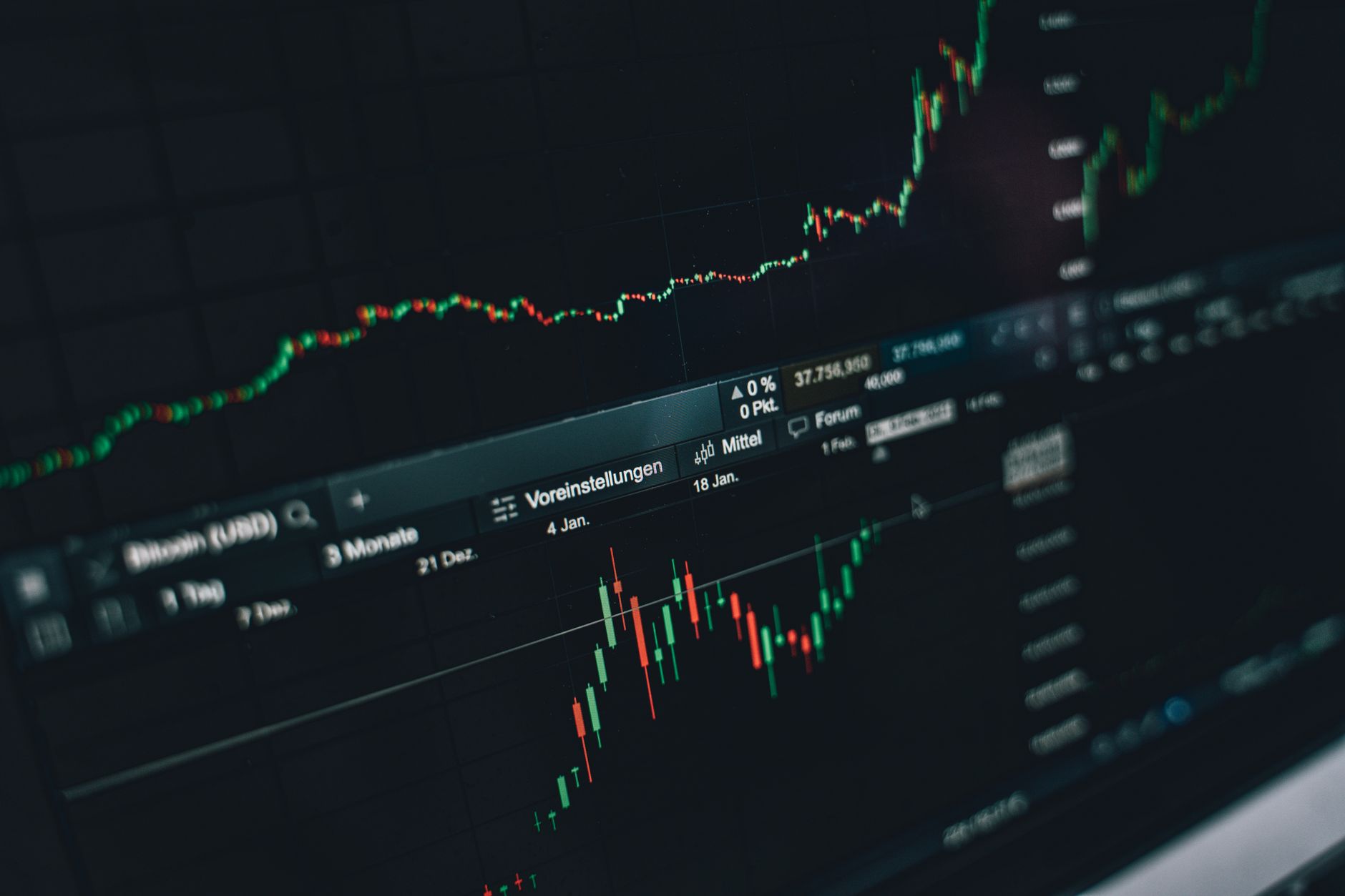
What Is International Trade in Macroeconomics?
International trade in macroeconomics means countries exchange goods and services across borders, and those flows shape national output, prices, jobs, exchange rates, and growth. A $500 laptop sold in the United States, a shipment of Brazilian coffee, or a streaming service sold from Ireland all count as trade in the macro picture.
The common mistake is calling trade a microeconomics topic only. That gets the scale wrong. Microeconomics looks at a firm or buyer. Macroeconomics looks at the whole economy, so trade data feeds into GDP, inflation, and employment. In 2023, the United States tracked imports, exports, and the trade balance every month because those numbers helped explain growth and policy moves.
The catch: Trade does not just move products; it moves income, demand, and currency demand too. When exports rise by 5% or imports jump during a strong holiday season, the effects spread through factories, ports, trucking, and even the price of fuel.
A country can import more than it exports and still have a strong economy. Japan, Germany, and the United States all show that trade patterns and growth do not move in a simple one-line way. That is why macroeconomics studies trade as part of the full circular flow, not as a side topic.
The real point is scale. One firm can win or lose from a tariff, but a whole country can see changes in consumer prices, wages, and national income at the same time. That is the macro lens, and it is messier than the classroom version people expect.
Why Does International Trade Matter?
International trade matters because it lets countries reach bigger markets, cut costs through specialization, widen consumer choice, and push productivity higher, which can lift GDP and living standards. A firm selling to 30 million customers instead of 3 million can spread fixed costs over more sales, and that often lowers unit cost.
What this means: A country that sells more abroad can grow faster when domestic demand slows, and that matters in years like 2009, 2020, and 2024 when local spending can swing hard. Export growth can support factory jobs, while cheaper imports can hold down inflation pressure on food, clothes, and electronics.
The bigger market story is not abstract. South Korea built export strength in semiconductors and ships, while Canada sells a lot of energy and minerals to large foreign buyers. Those flows help firms invest in better equipment, hire more workers, and raise output per hour. Higher productivity often shows up later as better wages, though not evenly across every sector.
Consumers also gain from variety. A city shopper can buy coffee from Colombia, phones assembled in Asia, and medicines made in Europe, often at lower prices than a closed market would allow. That wider choice matters for real living standards, not just textbook charts.
One downside sits right next to the gain: cheaper imports can squeeze firms that face direct competition. Still, the macro case for trade stays strong because national income can rise even when some local industries feel pressure, and that split is exactly why governments study trade policy so closely. Macroeconomics course material often puts this trade-off front and center.
How Does Comparative Advantage Shape Trade?
Comparative advantage explains trade by showing that countries should specialize in goods they give up the least to produce, even if one country makes everything more efficiently. David Ricardo’s 1817 idea still drives modern trade policy, and it sounds odd until you work through a simple example.
Take two countries, A and B. Country A can make 10 cars or 5 tons of wheat in a day. Country B can make 4 cars or 4 tons of wheat in a day. A has the absolute advantage in cars, but B gives up only 1 car per ton of wheat, while A gives up 2 cars per ton. B has the lower opportunity cost in wheat, so B should specialize more in wheat.
Reality check: Specialization does not mean a country makes only one thing. It means it puts more resources into the goods where its trade-off looks best, then swaps with trading partners.
That logic can raise total world output. If A focuses on cars and B focuses on wheat, the two countries can trade and both end up with more of both goods than they would have alone. The gain comes from using labor, land, and capital in the places where they do the most work.
People often miss the deeper point: comparative advantage does not care who is “best” at everything. It cares about relative sacrifice. That is why even a rich country and a poor country can both win from trade, and why a macroeconomics course keeps returning to this idea when it explains exports, imports, and growth. international business courses often use the same logic for firms, but macroeconomics takes it up to the country level.
Learn Macroeconomics Online for College Credit
This is one topic inside the full Macroeconomics course on UPI Study — a self-paced, online class that earns real college credit. Credits are ACE and NCCRS evaluated and transfer to partner colleges across the US and Canada. Courses start at $250 with no deadlines and lifetime access.
Explore Macroeconomics Course →Which Costs and Risks Come With Trade?
Trade can raise national welfare and still hurt specific workers and towns. In the United States, import competition hit some manufacturing regions hard after 2001, and the adjustment never felt smooth.
- Jobs can disappear in import-competing industries, especially where a plant closes fast and workers need 6 months or more to retrain.
- Wage pressure can hit sectors that face low-cost foreign rivals, and the pain often lands on workers with fewer options, not on the whole economy.
- Foreign shocks spread quickly. A 2020 port delay or a 2022 energy shock can raise costs in one country even if the goods come from far away.
- Regions do not share gains equally. A port city can boom while an inland factory town loses payroll jobs and local tax income.
- Adjustment costs matter. A worker may need 12 weeks, 6 months, or longer to move into a new job, and that gap can strain a family budget.
- Tariffs can protect a small group, but they often raise prices for millions of buyers, which can cut real income more than people expect.
Bottom line: Trade can lift total output and still leave some people behind unless policy helps with retraining, relocation, and income support.
That trade-off is not a flaw in the model. It is the model. A country can gain from international trade on paper and still face real losses in a steel town, a textile belt, or a farm district. Macroeconomics study online usually treats that tension as normal, not surprising.
How Do Trade Balances Affect Growth and Prices?
A trade balance compares exports and imports, and it matters because it affects GDP, the currency, inflation, and jobs. When exports exceed imports, a country runs a trade surplus; when imports exceed exports, it runs a trade deficit. The United States has run deficits for many years, including 2023, while still growing and adding jobs.
The common mistake says a deficit always means failure. That is too simple. A deficit can show strong domestic demand, heavy investment, or high consumer spending. If a country imports more capital goods, computers, or energy, it may also be building future output. China, Germany, and the United States all show that trade balances and growth do not move in lockstep.
Exchange rates sit in the middle of the story. Strong foreign demand for a country’s exports can support its currency, while a wider deficit can put downward pressure on it. That change then feeds back into prices. A weaker currency can make imported oil, phones, and food more expensive, which can raise inflation in 6 to 12 months.
Trade also affects employment through demand. More exports can mean more factory shifts, more shipping work, and more orders for suppliers. A weaker export sector can do the opposite. That is why central banks and finance ministries watch trade data alongside CPI and GDP, not after them.
The sharpest point here is this: a trade deficit tells you something, but not everything. You need the rest of the macro story—investment, savings, exchange rates, and demand—before you judge it.
Should You Study International Trade In Macroeconomics?
International trade sits near the center of macroeconomics because it connects output, prices, jobs, and policy in one place. A student who can explain trade balances, comparative advantage, and exchange-rate effects can read real economic news with much better judgment, which matters in a macroeconomics course, a college credit plan, or an online course built around exam prep. That skill also helps if you want ace nccrs credit or a transferable credit that fits a degree path.
- Explain comparative advantage with a 2-country example.
- Distinguish exports, imports, deficits, and surpluses.
- Link trade to GDP, inflation, and employment.
- Describe one gain and one cost of open trade.
- Use a trade balance to read a country’s macro health.
A student should leave this topic able to say why trade can raise total output and still create local pain. That answer shows real understanding, not memorized buzzwords. If you can do that, you have the core of the topic.
Study international trade in macroeconomics with the same care you would give any exam topic: get the definitions, then practice the links between trade flows, prices, and jobs.
Frequently Asked Questions about International Trade
International trade in macroeconomics is the exchange of goods and services across countries, and it affects GDP, prices, jobs, and growth in every open economy. You see it in things like oil, phones, wheat, and software moving across borders.
Most students try to memorize trade terms, but what actually works is linking trade to specialization, comparative advantage, and trade balances in one simple chain. If you can explain exports, imports, and why countries trade more than 1 product, you usually get it faster.
What surprises most students is that trade can raise total output even when some workers lose jobs in specific industries. A country can grow faster through specialization, while some sectors shrink because resources move toward cheaper, higher-output production.
If you get it wrong, you'll mix up trade deficits with failure and miss how a country can import more in one year and still grow. You may also misread tariffs, inflation, and unemployment, which can distort your view of policy in a macroeconomics course.
Yes, international trade in macroeconomics mainly means imports and exports, but it also includes how those flows affect prices, jobs, exchange rates, and national income. The caveat is that services trade matters too, not just ships, containers, and factory goods.
Start with trade basics, then read one short unit on comparative advantage and one on the trade balance, which gives you a clean frame in about 30 minutes. If you're taking an online course, look for lessons that also mention GDP and inflation.
The common wrong assumption is that free trade helps everyone in the same way, which isn't true in real markets. Some groups gain from lower prices and bigger sales, while others face job losses, wage pressure, or slower demand in protected sectors.
This applies to anyone studying macroeconomics, policy, business, or economics, and it doesn't stop at borders because trade shapes prices and employment in the US, Canada, China, and the EU. It also matters if you want college credit or transferable credit in a macroeconomics course.
Comparative advantage explains trade by showing that countries gain when each one makes the goods or services it produces at the lowest opportunity cost. That idea can be true even if one country makes everything better in raw output, because relative cost still matters.
Trade balances matter because a surplus or deficit changes demand for domestic output, foreign currency, and often the exchange rate, which can push prices up or down. A deficit can coexist with strong growth, and a surplus can still come with weak domestic demand.
Yes, an online course in macroeconomics can give ace nccrs credit when it comes from an approved provider and the school accepts nontraditional credit. That matters if you want college credit from study online work without sitting in a full 15-week classroom class.
Final Thoughts on International Trade
How UPI Study credits actually work
Ready to Earn College Credit?
ACE & NCCRS approved · Self-paced · Transfer to colleges · $250/course or $99/month