
A balance sheet in managerial accounting shows what a company owns, owes, and keeps for owners on one specific date. That date matters. Managers use it to judge cash pressure, debt load, and whether the business can handle a new purchase, a loan, or a slow sales month. For a student in an accounting associate degree, this statement is not just a class chart. It is the part of the financial story that tells you whether the company can pay bills in 30 days, carry 5 years of debt, or fund another truck, machine, or software system. A balance sheet does that with 3 parts: assets, liabilities, and equity. Managers read it differently from outside investors. Investors may care about return. Lenders may care about repayment. Managers care about control. They want to know if the company can keep operating, cover short-term needs, and avoid taking on more risk than the numbers can support. That makes the balance sheet a working tool, not just a report for class. If you are taking a managerial accounting course, this topic shows up everywhere because it connects to planning, borrowing, and day-to-day decisions. The format looks simple. The judgment behind it is where the real work starts.
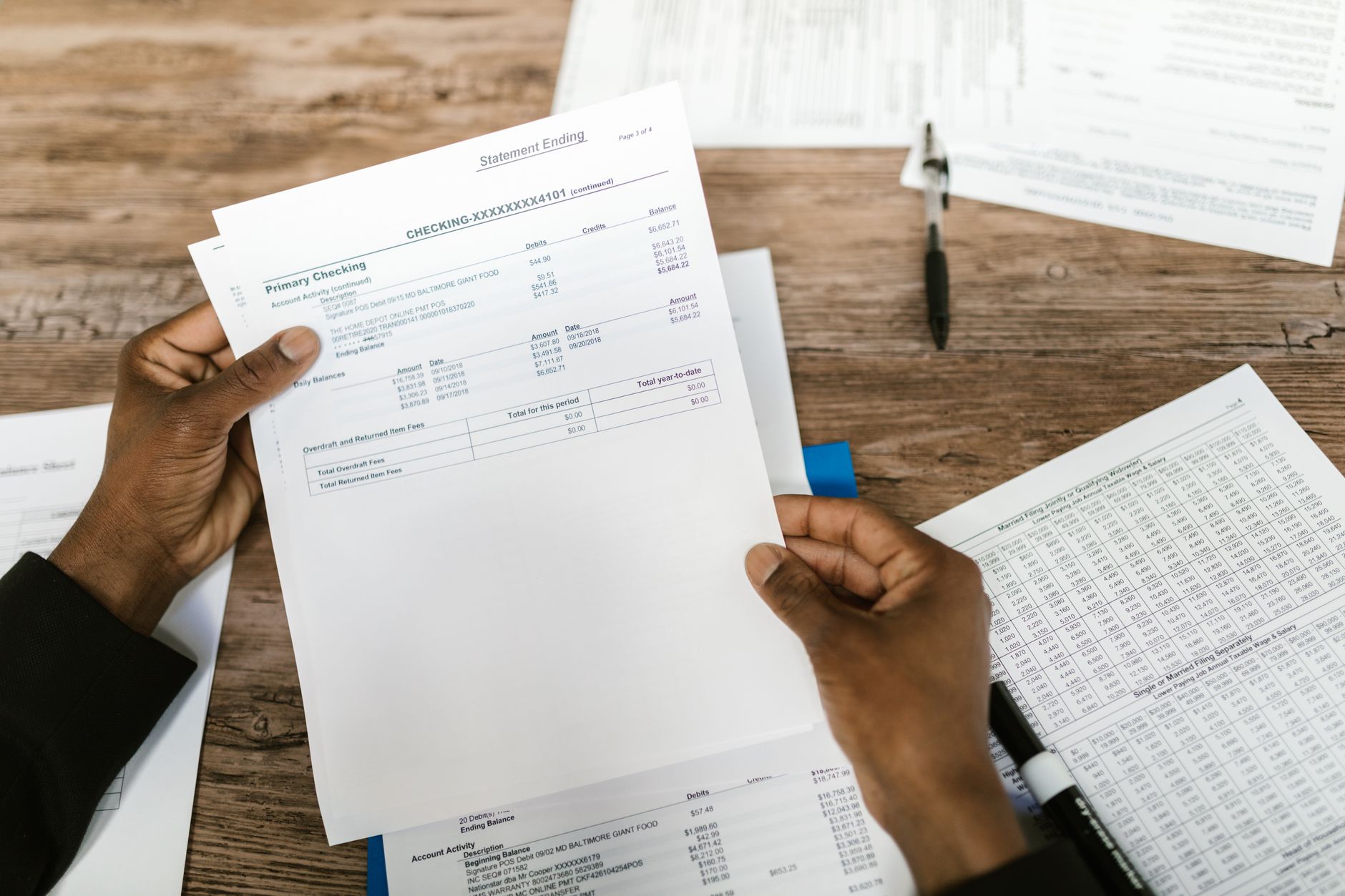
What Does a Balance Sheet Show?
A balance sheet shows a company’s assets, liabilities, and equity on one specific date, like March 31 or December 31, and that snapshot tells managers what the business controls and owes right then. The accounting equation sits behind it: Assets = Liabilities + Equity.
That simple equation matters because it forces the numbers to match. If a firm reports $500,000 in assets and $320,000 in liabilities, equity must equal $180,000. A manager reads that as a funding picture, not a victory lap. The statement does not show profit for a month or sales for a quarter; it shows financial position at a point in time.
Investors may look for growth and lenders may look for repayment strength, but managers look for action. Can the company cover payroll on Friday? Can it take on a $75,000 equipment lease? Can it survive a 15% drop in collections? Those questions come straight from the balance sheet, and I think that makes it one of the sharpest tools in managerial accounting.
The catch: A balance sheet can look healthy and still hide trouble if the cash sits in slow-moving inventory or old receivables from 60 days ago.
The three parts work together. Assets show resources, liabilities show claims against those resources, and equity shows what remains for owners after debts. If one side grows too fast, managers start asking hard questions about risk, timing, and control.
For a future bookkeeper, analyst, or office manager, this is not theory. It is the first report you read when someone asks whether the business can afford to move forward.
How Do Managers Read Assets on a Balance Sheet?
Managers read assets to see what the company can use today and what it must protect for the long run. Current assets, like cash, accounts receivable, and inventory, usually turn into cash within 12 months, while long-term assets, like equipment or buildings, stay on the books for years.
That split tells a real story. If a retail company has $90,000 in cash but $400,000 tied up in inventory, the manager may worry about sales speed and storage costs. If a manufacturing firm owns a $2 million production line, the manager may focus on maintenance, downtime, and whether the machine still supports output at the needed level.
Worth knowing: Asset mix matters as much as asset size, because $300,000 in cash gives more flexibility than $300,000 in aging stock that may move slowly.
A manager also watches efficiency. Too many receivables can mean customers pay late. Too much inventory can mean money sits on shelves instead of funding wages or ads. Too little equipment can choke growth, but too much equipment can drag return on investment and create repair bills. That tension shows up fast in managerial accounting, and it does not stay hidden for long.
A balance sheet can also hint at growth limits. If current assets look weak and long-term assets already run high, the company may struggle to open a second location or launch a new service line without more cash or financing. That is why managers study the asset side before they green-light expansion.
A clean asset section does not prove smart management, but a messy one almost always warns you to look closer. I like that honesty.
Why Do Liabilities And Equity Matter?
Liabilities matter because they show what the company must pay, and equity matters because it shows what owners still own after those debts. Together, they reveal leverage, solvency, and how much financing pressure sits under the business.
Short-term liabilities like accounts payable, wages payable, and current debt can hit within 30 to 90 days, so managers watch them closely. Long-term debt, like a 5-year loan or a 10-year note, changes the game because it adds fixed payments and interest. If debt grows faster than assets or sales, the business can end up boxed in.
Reality check: Heavy debt can help a company grow fast, but it can also turn a small sales dip into a cash squeeze.
Equity gives managers a different clue. Strong equity usually means the owners funded more of the business, which can lower risk and improve borrowing power. Weak equity can mean the company leans too hard on creditors. That is not always bad, but it does raise the stakes. Managers use this when they decide whether to borrow $200,000 for expansion or slow down and cut costs first.
A debt-to-heavy structure can make sense in stable industries with steady cash flow. It can look reckless in a business with seasonal sales, thin margins, or long collection cycles. I would rather see a manager ask, “Can we handle this payment for 24 months?” than chase growth with no cushion.
On the balance sheet, liabilities and equity show who really carries the risk. That picture shapes everything from refinancing to hiring to buying new equipment.
Learn Managerial Accounting Online for College Credit
This is one topic inside the full Managerial Accounting course on UPI Study — a self-paced, online class that earns real college credit. Credits are ACE and NCCRS evaluated and transfer to partner colleges across the US and Canada. Courses start at $250 with no deadlines and lifetime access.
Explore on UPI Study →Which Balance Sheet Ratios Do Managers Use?
A good balance sheet ratio can show trouble before the cash problem hits the bank account. Managers often use 4 numbers—current ratio, quick ratio, debt-to-equity, and working capital—to judge liquidity and debt pressure in under 10 minutes.
- Current ratio compares current assets to current liabilities. A 2.0 ratio usually means the business has $2 in short-term assets for every $1 due soon, which helps managers judge bill-paying strength.
- Quick ratio removes inventory and looks at the fastest assets first. A weak result can warn a manager that the company depends too much on selling stock before it can pay a 30-day bill.
- Debt-to-equity shows how much debt backs each dollar of owner money. A high ratio can make borrowing harder and can signal a tighter risk profile, especially in a business with uneven monthly sales.
- Working capital equals current assets minus current liabilities. Positive working capital gives managers room to buy supplies, cover payroll, or wait 45 days for customer payment.
- Current ratio with inventory can look strong on paper even when cash runs thin, so managers should not treat it as a magic score.
- Debt-to-equity near 0 usually means low leverage, while a higher number can point to more risk and more pressure on future cash flow.
Bottom line: Ratios do not make decisions for you, but they do tell you where to look first, and that saves time when the next loan or purchase comes up.
How Is A Balance Sheet Used In Decisions?
Managers use the balance sheet to make choices about spending, borrowing, and survival, not just to satisfy a report date like June 30 or December 31. If a company wants to buy a $40,000 delivery van, approve a vendor line of credit, or hold off on hiring, the balance sheet shows whether the numbers can support that move. In managerial accounting, this statement helps leaders compare plans against real resources instead of guessing.
- Approve a purchase only if cash and current assets can support the 30- or 60-day hit.
- Delay borrowing if debt already sits high and equity looks thin.
- Push collections faster when receivables keep aging past 45 days.
- Cut inventory orders if shelves stay full for 90 days.
What this means: A manager can see a cash squeeze before it turns into a missed payment, and that is worth more than a pretty profit number.
The balance sheet also helps managers talk to banks, owners, and department heads with the same facts. That cuts down on opinion fights. I think that makes it one of the most practical reports in the whole set of financial statements.
Why Learn Balance Sheets In Managerial Accounting?
Students learn the balance sheet in managerial accounting because it shows how real business decisions connect to real numbers, and that matters in a 3-credit course or a full accounting program. Once you understand assets, liabilities, and equity, you can read the rest of the financial story faster and with less guessing.
That skill helps on exams and in class discussions. A professor may ask you to compare a current ratio of 1.2 with one of 2.4, explain why debt-to-equity jumped after a loan, or decide whether working capital looks strong enough for a new project. Those questions show up in a managerial accounting course, and they also show up in online course work where you may study at night, on weekends, or between shifts.
For students chasing college credit, this topic also matters because accounting classes often feed into business degrees and transfer plans. A balance sheet is not just one page in a textbook; it is a repeat-use skill that helps in budgeting, cost control, and financial analysis. If you want transferable credit, mastering this statement gives you a stronger base than memorizing isolated terms.
The downside is simple: if you skip the balance sheet, the rest of managerial accounting feels slippery fast. Ratios stop making sense. Debt looks random. Assets blur together. That is a rough place to be when your grade or your transfer path depends on clear understanding.
If you can explain a balance sheet to someone else using a real company’s numbers, you are already ahead of most classmates. That is the standard to aim for.
Frequently Asked Questions about Balance Sheet
A balance sheet in managerial accounting shows your assets, liabilities, and equity at one specific date, like March 31 or December 31. It gives you a snapshot of what you own, what you owe, and what belongs to owners.
Start with the three parts: assets at the top, liabilities next, and equity last. Then compare current assets and current liabilities, because that 12-month view tells you a lot about cash pressure.
Most students memorize the formula and stop there, but what works is linking each line to a business decision. If cash, inventory, and accounts payable move a lot, you can spot stress fast.
The most common wrong assumption is that a balance sheet shows profit. It doesn't. It shows financial position on one date, while the income statement covers performance over a period like 1 month or 1 year.
What surprises most students is that equity is not just cash sitting around. Equity reflects the owner's claim after liabilities, and it changes when a company earns profit, takes losses, or pays dividends.
If you get it wrong, you can make bad decisions about borrowing, buying equipment, or paying suppliers. A wrong current ratio or debt level can make a company look safer or riskier than it really is.
This applies to you if you're in a managerial accounting course, studying for college credit, or taking an online course with ACE NCCRS credit. It doesn't apply to people who only want tax filing basics, because the balance sheet focuses on internal decision use.
A balance sheet in managerial accounting helps you judge liquidity, leverage, and overall financial strength at a point in time. Managers use it to see whether short-term assets cover short-term debts and how much debt supports the business.
A manager uses assets to see what the business controls and how fast those assets can turn into cash. Cash and accounts receivable matter more for short-term decisions than land or equipment.
Liabilities matter because they show what the business owes, such as accounts payable, wages payable, and loans. If current liabilities rise faster than current assets, cash pressure usually shows up fast.
Equity helps you see how much of the company belongs to owners after debts get paid. If equity grows over time, managers often read that as stronger long-term support for the business.
In a managerial accounting course, the balance sheet helps you connect accounting numbers to planning and control. You use it with the income statement and cash flow statement to judge performance across 3 core reports.
Yes, you can study online and earn transferable credit when the course carries ACE NCCRS credit. That matters if you want college credit for a managerial accounting class without sitting in a campus classroom.
Final Thoughts on Balance Sheet
A balance sheet gives you the fastest read on a business’s financial position, and that matters because managers rarely get the luxury of perfect timing. They have to act with the numbers in front of them. Assets show what the business controls. Liabilities show what it owes. Equity shows what is left for owners. That 3-part view helps you answer practical questions fast. Can the company pay bills in 30 days? Can it take on more debt without choking cash flow? Can it support growth without starving operations? Those are the questions that separate a tidy report from a useful one. I also think the balance sheet teaches discipline, because it forces you to face what the business owns and owes instead of hiding behind sales talk. If you are studying managerial accounting, do not treat this statement like a memorization drill. Read it like a manager would. Look for cash, current liabilities, debt levels, and asset mix. Then ask what those numbers say about risk, flexibility, and room to grow. That habit pays off in class, on exams, and in real jobs. Start with one company, one date, and one balance sheet, then work through the numbers until the pattern makes sense.
How UPI Study credits actually work
Ready to Earn College Credit?
ACE & NCCRS approved · Self-paced · Transfer to colleges · $250/course or $99/month