
Foreign exchange rates show how much one currency costs in another. If 1 US dollar buys 1.35 Canadian dollars today, that rate sets the value for trade, travel, investing, and cross-border shopping right now, not next week. Rates move because buyers and sellers trade currencies in live markets, and the price shifts all day. The most common student mistake is treating an exchange rate like a fixed sticker price. That is wrong. A rate is a moving market price, and it changes because demand for each currency changes. A rate can move 1% in a day, or even more during big news events, central bank meetings, or market panic. That matters because a small change can hit a real budget. A student paying tuition abroad, a company importing parts, or an investor buying overseas stocks all face the same issue: the currency price changes the final cost. A weaker home currency makes foreign goods more expensive. A stronger home currency does the opposite. You do not need to love finance to understand this. You just need to know that exchange rates compare two currencies, and the market decides that price every second the market is open. Once you see that, the rest starts to make sense fast.
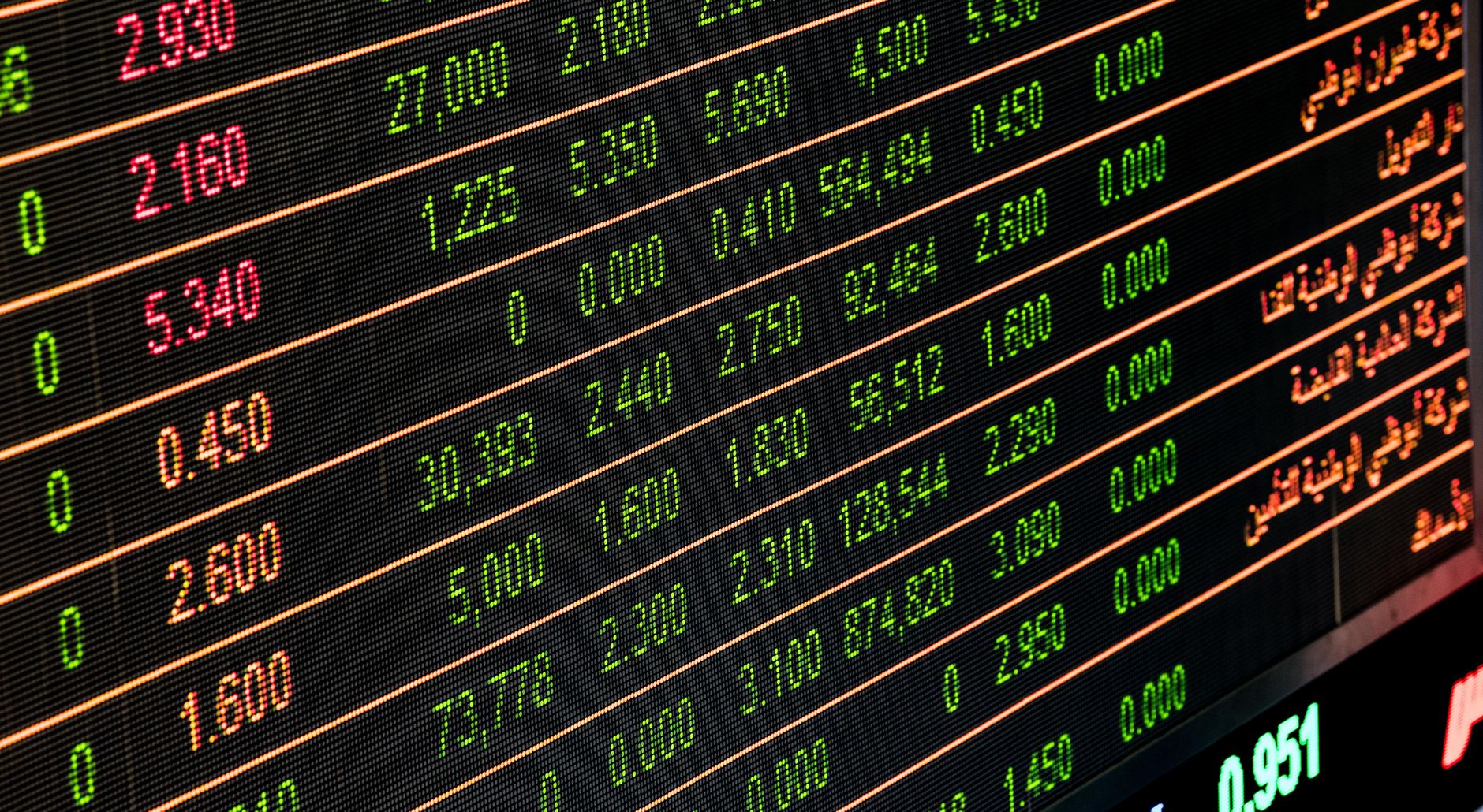
What Are Foreign Exchange Rates?
Foreign exchange rates are the prices you pay to swap one currency for another, like 1 US dollar for 0.92 euro or 1 British pound for 1.27 dollars. That number changes because banks, traders, companies, and governments buy and sell currencies in a live market that runs 24 hours a day, 5 days a week.
The common student mistake sounds simple but causes real confusion: they think exchange rates sit still like a posted tuition fee or a fixed airport charge. They do not. A rate can move from 1.10 to 1.12 in a single day, and that tiny shift changes the value of every $10,000 transfer by $200. Markets set the price, not a clerk at a counter.
A currency rises when more people want it than sell it. A currency falls when more people sell it than buy it. That is the whole idea, and it sits at the center of a principle of finance course because price always reacts to supply and demand, even when the product is money itself.
Think of exchange rates as a live scoreboard for value. If you hold euros, yen, or pesos, the number tells you what those holdings can buy in another country right now. That makes foreign exchange rates a real money issue, not a textbook trick, and the wrong rate can burn cash fast on travel, trade, or investing.
How Do Currency Pairs And Quotes Work?
A currency pair shows the price of one currency against another, and the order matters because the first currency gets measured against the second. EUR/USD at 1.08 means 1 euro buys 1.08 US dollars, while USD/JPY at 155 means 1 US dollar buys 155 yen. That is a math statement, not a slogan, and students who read it backward make expensive mistakes.
What this means: The base currency comes first, the quote currency comes second, and the quote tells you how much of the second currency equals 1 unit of the first. A direct quote gives the home currency price of 1 foreign unit, while an indirect quote flips that view. Same market, different lens.
- EUR/USD 1.08 means 1 euro = 1.08 dollars.
- USD/JPY 155 means 1 dollar = 155 yen.
- Base currency sits on the left in both quotes.
- Quote currency sits on the right and gives the value.
- Know which side you buy or sell, or you will misread the cost.
A quote only helps if you know the direction of the trade. If a company pays suppliers in euros and earns revenue in dollars, the pair shows its real exposure, not just a number on a screen. That is why Principles of Finance treats currency quotes as part of pricing and risk, not as trivia.
This part gets messy fast when people mix up “1 euro costs 1.08 dollars” with “1 dollar costs 1.08 euros.” Those are not the same thing, and one wrong flip can wreck a budget.
Why Are Bid And Ask Prices Different?
The bid price is what a buyer will pay for a currency, and the ask price is what a seller wants for it; the spread is the gap between them, often measured in tiny units called pips. On a quote like 1.0842/1.0845, the bid sits at 1.0842 and the ask sits at 1.0845, so the spread equals 0.0003.
That gap looks tiny, but it matters. If you exchange $20,000 and the spread costs you 0.3%, you lose $60 before any other fee shows up. Market makers keep that spread because they take risk every time they stand ready to buy and sell, and they do not work for free. The spread is the price of instant access.
For students, the trap is thinking the posted rate equals the real cost. It does not. You can see one mid-market rate online, then pay a worse ask price at a bank, card network, or exchange desk. That difference changes the true cost of a trip, an import order, or a foreign stock purchase.
I like this rule because it cuts through the noise: if you do not know the spread, you do not know the real price. A 0.2% spread on a $500 payment sounds harmless, but a 2% spread on repeated transfers can drain serious money over a semester or a year.
Learn Principles Of Finance Online for College Credit
This is one topic inside the full Principles Of Finance course on UPI Study — a self-paced, online class that earns real college credit. Credits are ACE and NCCRS evaluated and transfer to partner colleges across the US and Canada. Courses start at $250 with no deadlines and lifetime access.
See Principles Of Finance →Which Forces Make Exchange Rates Change?
Exchange rates move because global demand for currencies changes all the time. A 0.25% rate move by a central bank, a 6% inflation gap, or a war headline can push money flows fast and change the price in minutes.
- Interest rates matter because higher rates often pull in money from investors chasing better returns.
- Inflation changes buying power; a country with 8% inflation often sees its currency weaken against lower-inflation peers.
- Trade flows move currency demand when a country exports $500 billion and imports $700 billion.
- Political risk scares investors. Elections, sanctions, and conflict can hit a currency within hours.
- Central bank policy shapes expectations through rate cuts, rate hikes, and bond buying programs.
- Market expectations move prices before the news lands, which is why traders react to 8:30 a.m. data releases.
Reality check: Exchange rates do not move in a neat straight line; they jump, stall, and reverse because traders change bets every second.
A weaker currency often follows lower rates, higher inflation, or ugly political headlines. A stronger currency usually follows tighter policy, calmer markets, or strong export demand. That pattern shows up in the price long before most people notice it.
How Do Exchange Rates Affect Trade And Investing?
Exchange rates change who wins and who loses in trade, investing, and cross-border spending. If a US importer owes €100,000 and the euro rises from 1.05 to 1.10 dollars, the bill jumps from $105,000 to $110,000, and that extra $5,000 comes straight out of profit.
Exporters feel the flip side. A weaker home currency can help a seller abroad because foreign buyers see lower prices in their own money. A Canadian company that sells software in the US may like a lower Canadian dollar, while a Japanese buyer paying for imported fuel may hate a weaker yen. Same rate, opposite pain.
Worth knowing: A 3% currency swing can matter more than a 3% change in the product price, which is why smart buyers watch both.
Investors face the same problem with foreign stocks, bonds, and funds. If a stock in Europe rises 4% but the euro falls 5% against the dollar, the investor can still lose money in home-currency terms. That is exchange-rate risk, and it can quietly eat returns even when the asset itself looks good.
Students comparing study-abroad costs hit this too. A program that looks cheap at 1.20 dollars per euro can turn pricey if the rate moves to 1.32 before tuition payment day. That is not theory. That is a real bill.
Principles of Finance and Macroeconomics both treat this as core money math, because value and risk travel together whenever currencies cross borders.
How Can You Use Exchange Rates In Real Money Decisions?
Use exchange rates as a decision tool, not as background noise. If you plan a purchase, transfer, or investment across borders, compare the spot rate, the spread, and any card or bank fee before you commit.
A 1.5% fee on a $2,000 transfer costs $30, and a 2% worse exchange rate costs another $40. Those numbers stack up fast, which is why people who ignore the rate often pay more than they expected. I think that mistake is lazy and expensive.
You can also use exchange rates to compare prices across countries. A laptop that costs €1,000 does not equal $1,000 unless the rate says so. At 1.08 dollars per euro, that machine costs $1,080 before tax and shipping. At 1.15, it costs $1,150. Same laptop. Different bill.
Foreign exchange rates also shape timing. A business might delay a payment for 30 days if it expects its home currency to strengthen, while an investor may hedge a position before a central bank meeting. That choice can protect value or backfire hard if the market moves the other way.
The plain truth: if you ignore exchange rates, you guess at value. If you read them carefully, you see the real price.
Frequently Asked Questions about Foreign Exchange Rates
Most students memorize a rate like 1 USD = 1.25 CAD and stop there; what works is treating foreign exchange rates as the price of one currency in another, because that price changes with supply, demand, interest rates, and trade flows.
What surprises most students is that one tiny quote can hide two prices: the bid and the ask. The bid is what a buyer gets, and the ask is what a seller pays, so the spread is the broker’s cut.
If 1 euro costs 1.10 dollars today, you need $1.10 to buy €1, and a move to 1.20 means the euro appreciated by about 9.1% against the dollar. That matters in trade, travel, and investing because the same item can cost more or less just from the rate change.
Start by checking the currency pair, like USD/EUR or GBP/JPY, because the first currency tells you the base and the second tells you the quote. Then look at the bid and ask, since those two prices can change your real cost by 0.1% to 2% or more.
Foreign exchange rates are not only about travel money; they shape international trade, stock investing, and the cost of imported goods. A U.S. company buying parts from Japan can lose profit fast if the yen jumps 5% before payment.
This applies to you if you study finance, run cross-border business, or take a principle of finance course with college credit, online course, ace nccrs credit, or transferable credit attached to it. It doesn't apply if you only use one currency and never compare prices, pay suppliers, or invest outside your country.
If you get exchange rates wrong, you can overpay by 3% to 10%, miss your profit target, or think an investment grew when the currency move ate the gain. A 5% currency drop can wipe out a small stock return fast.
The most common wrong assumption is that a higher number always means your money got stronger, but direction depends on the currency pair. If USD/EUR moves from 0.90 to 0.95, the dollar got weaker against the euro, not stronger.
Foreign exchange rates change every day, and major pairs like EUR/USD can move hundreds of pips in a week during big news or rate changes. Central bank moves, inflation, trade data, and political risk all push prices around.
Exchange rates change the real value of a deal, so a €10,000 purchase can cost far more in dollars if the euro rises 4% before you pay. In investing, that same move can help or hurt you even if the asset price itself barely changes.
Final Thoughts on Foreign Exchange Rates
Foreign exchange rates tell you what money is worth in another money, and that value changes all day because markets keep trading. Once you know how currency pairs, bid and ask prices, and appreciation and depreciation work, the whole topic stops looking mysterious. The real mistake is treating exchange rates like a side detail. They hit trade margins, overseas investing returns, tuition payments, travel budgets, and even the price tag on a laptop or rent in another country. A 2% move may look tiny on paper, but on a $10,000 payment it can sting hard. Pay attention to the direction of the quote. Watch the spread. Check which currency gets stronger and which gets weaker. Those three habits save money faster than memorizing a pile of definitions. If you want to make better calls with cross-border money, start by reading the rate like a price, not a rumor. That one shift changes how you judge cost, risk, and timing every time a currency crosses a border.
How UPI Study credits actually work
Ready to Earn College Credit?
ACE & NCCRS approved · Self-paced · Transfer to colleges · $250/course or $99/month