
Learning to code gives you a skill that helps with problem-solving, automation, and career options in 2026. Coding teaches you how digital tools work, which matters whether you work in business, science, design, or software. Many students think coding only matters if they want to build an app or become a programmer. That view is too narrow. Code powers websites, phone apps, spreadsheets, robots, data tools, and even some medical and finance systems. If you understand the rules behind those tools, you stop feeling lost when software changes. The real value of coding goes beyond just writing programs. It teaches you how to break a messy task into small steps, spot patterns, and test ideas without guessing. That habit helps in class, at work, and in daily life. It also makes C++ worth learning early because C++ forces you to pay attention to structure, memory, and logic instead of hiding everything behind easy shortcuts. If you have ever asked, "should I learn to code," the honest answer is yes for most students, not because everyone must become a developer, but because code literacy now sits close to basic digital literacy. People who understand software usually make better choices, ask sharper questions, and waste less time fighting tools they do not understand.
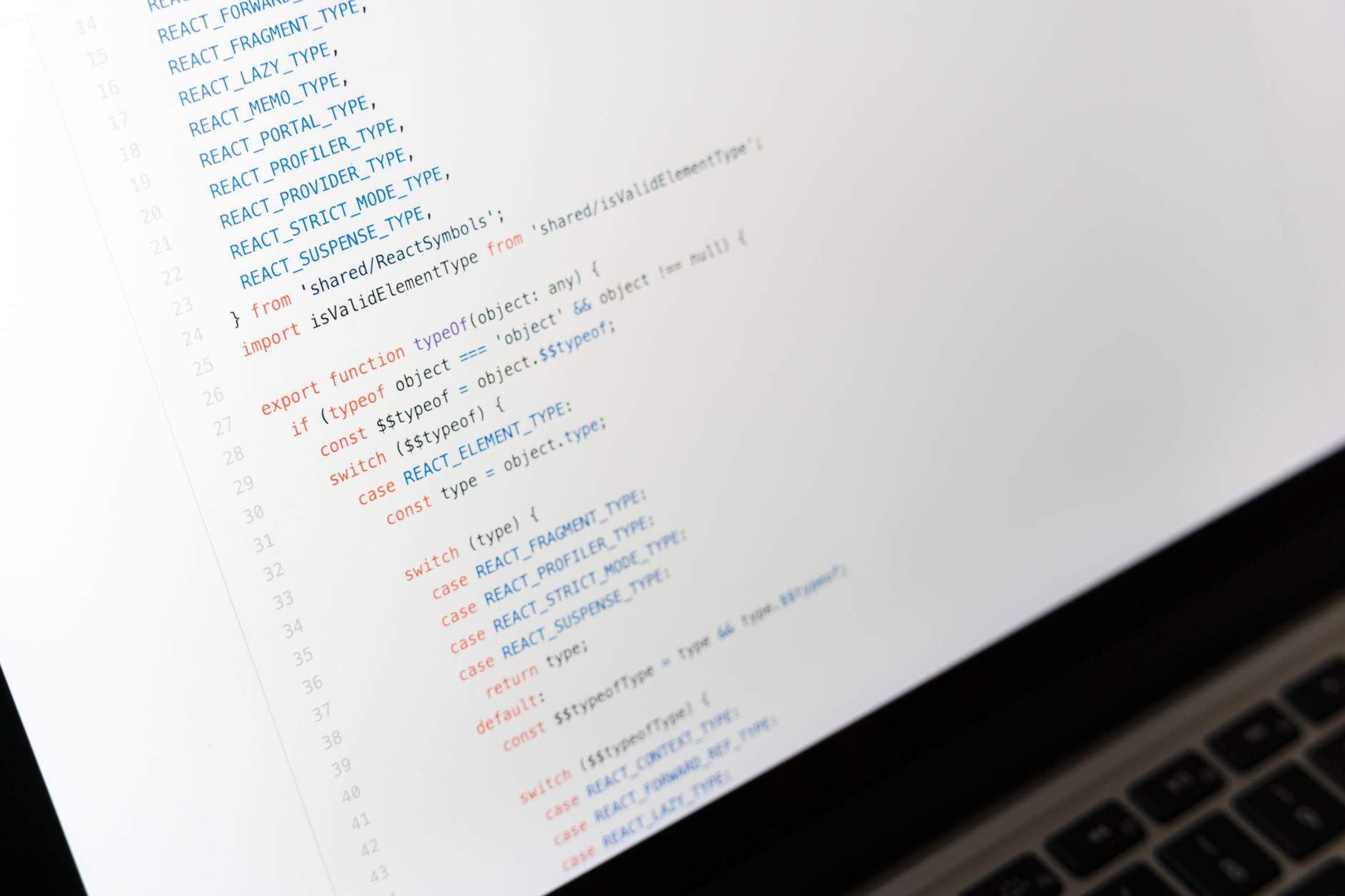
Why Should I Learn To Code?
Coding matters because software runs everyday life now, from 2-minute bank transfers to 24/7 shopping sites and data tools used in classrooms, labs, and offices. If you can read and write code, you stop treating technology like magic and start seeing how it works.
The most common student mistake is thinking coding only belongs to prodigies who want to build apps for Silicon Valley. That idea misses the point badly. A student in biology, a retail worker who wants faster reports, and a business major who wants clean data all get value from code. The skill reaches far beyond one job title, and that is why the question "why learn to code 305 the purpose and relevance of programming" has a real answer: code gives you control over digital tools instead of blind dependence on them.
The catch: You do not need to be a math genius to start. Most first-year coding classes teach 1 concept at a time, and many beginners only need simple loops, variables, and functions before they can build useful things.
That said, coding still asks for patience. Your first program may fail 5 times before it works, and that can frustrate people who want instant results. I think that struggle helps you more than easy success does, because it trains you to stay calm when something breaks.
C++ fits this story well because it shows you what software does under the hood. In a programming in cpp course, you learn how statements connect, how data moves, and why small mistakes can change the whole result. That makes C++ a strong starting point for computer science and software development, not a random old language people keep around out of habit.
If you want a skill that keeps paying off across 3 or 4 different fields, coding is one of the smartest places to start.
How Does Coding Improve Problem-Solving?
Coding improves problem-solving because it forces you to break a big mess into smaller parts, and that habit works in school, work, and daily life. A bug in a 20-line script teaches the same thinking pattern as a bad group project or a confusing budget: find the parts, test each one, then fix the weak spot.
Programmers use decomposition, pattern recognition, and debugging every day. Decomposition means splitting a problem into pieces. Pattern recognition means noticing that a new error looks like one you saw before in Python, C++, or SQL. Debugging means checking each step instead of guessing. That process is not flashy, but it is powerful, and I like it because it rewards careful thinking over fake confidence.
Reality check: Most students do not fail because they lack talent. They fail because they try to memorize syntax before they understand the logic, and that usually leads to 3 common mistakes: skipping practice, rushing output, and not testing small pieces.
A code task also teaches you to ask better questions. If a function gives the wrong answer, you check the input, the condition, and the output in that order. That same habit helps with spreadsheets, lab work, and planning a move across 2 cities. You stop saying "something is wrong" and start saying "this line, this step, this assumption." That shift sounds small, but it changes how you think.
C++ makes this training sharper than some beginner tools because it shows structure plainly. You see the logic, and you feel the cost of a mistake. That can be annoying, but it builds a tougher brain.
The skill is not memorizing 100 commands. The skill is thinking in steps, and that pays off long after your first program runs.
Which Everyday Tasks Can Coding Automate?
Coding saves time on dull work, and even 15 minutes a day adds up fast over a 12-week term. You do not need a giant app to feel the benefit. Small scripts can clean files, rename folders, and cut repeated clicks down to almost nothing.
- Spreadsheets become less painful when a script sorts 500 rows, removes blanks, or formats dates the same way every time.
- A simple Python or C++ tool can turn 30 messy text files into one clean folder in under 2 minutes.
- You can automate repetitive reports, like weekly sales summaries or class data exports, instead of rebuilding them by hand.
- File handling gets easier when code renames 100 images, moves PDFs, or groups downloads by type.
- A small script can check for duplicate entries, which helps when you work with survey data, logs, or contact lists.
- Workflow shortcuts matter too; one command can start a report, open 3 programs, or prepare a folder for a new project.
- These tasks feel tiny, but they save hours across a semester, and that is the part people underestimate.
Learn Programming In C Plus Online for College Credit
This is one topic inside the full Programming In C Plus course on UPI Study — a self-paced, online class that earns real college credit. Credits are ACE and NCCRS evaluated and transfer to partner colleges across the US and Canada. Courses start at $250 with no deadlines and lifetime access.
See Programming In C Plus →Why Does Coding Still Matter For Careers?
Coding still matters for careers because software touches almost every field now, and employers notice people who can work with data, tools, and systems without panicking. In 2024 and 2025, jobs in software, analytics, engineering, product, research, and operations all kept asking for some coding knowledge, even when the title did not say "programmer." That pattern is not going away soon.
You do not need to aim for a pure software job to benefit. A product manager who understands APIs, a lab assistant who can script data cleanup, or a marketing analyst who can read code output all works faster. That kind of literacy saves teams time and cuts dumb mistakes. I think that gives coding a rare kind of value: it helps both specialists and people who just work around tech all day.
What this means: Even 1 language can raise your ceiling. A student who learns C++ gains a stronger feel for how programs run, which helps in computer science classes, software development interviews, and technical talks with engineers.
C++ also carries weight because it shows you can handle structure, precision, and lower-level ideas like memory and control flow. That matters in fields like systems work, game development, embedded devices, and parts of finance or research where speed and exact behavior matter. A person who has taken programming in cpp usually speaks more clearly about how software behaves, and that credibility helps in rooms where technical decisions get made.
The job market rewards people who can do more than one thing. Coding gives you that edge without asking you to change your whole major.
How Does Learning C++ Build A Foundation?
C++ builds a strong foundation because it makes you face the real parts of programming early: variables, memory, control flow, functions, and structure. That sounds harder than starting with a drag-and-drop tool, and it is. But that extra effort pays off. A first serious language like C++ teaches you how a program thinks, not just how to copy code that looks right. In a 2026 classroom or self-paced track, that matters a lot because students need skills that hold up when they move from simple exercises to larger projects.
Worth knowing: C++ is not the easiest first language, and that is part of its value. It forces you to notice details that beginner-friendly tools sometimes hide.
- It teaches memory and data flow, which helps in computer science courses.
- It builds habits for clean structure in a programming in cpp course.
- It prepares you for software development work that needs precision.
- It helps you read code faster in C, C++, Java, and similar languages.
- It supports deeper study in algorithms, systems, and game code.
A good Programming in C++ course can turn that foundation into something practical, not just theoretical. You write loops, handle input, and fix bugs in a way that sticks. That kind of training gives you a sturdier base than a course that only teaches surface tricks.
The downside is obvious: C++ can feel strict, and beginners sometimes get stuck on small syntax errors for 20 minutes. Still, that friction teaches discipline, and discipline matters when code stops being simple.
Should I Learn To Code Online For Credit?
Studying online for credit makes sense if you want flexibility, a clear pace, and a course that fits around work or school in 2026. Online study helps when you need evenings, weekends, or self-paced modules instead of fixed class times. Many students pick this route because it lets them build skill and keep moving on degree plans at the same time.
College credit matters if you want the course to count toward a degree, not just sit on a resume. Transferable credit can help when a school accepts the course as part of general study, electives, or a technical pathway. ACE credit and NCCRS credit matter here because they give universities a standard way to review non-traditional courses. That structure matters more than hype.
Bottom line: A programming in cpp course works best online when it gives you clear lessons, measurable outcomes, and credit that fits a bigger academic plan.
Check the course length, the grading style, and whether the class uses assignments, quizzes, or exams. A 6-week course feels very different from a 16-week one, and a self-paced course gives a different rhythm than a live class. If you want both skill and credit, the right online setup can do both without wasting a semester.
The best choice is the one that builds real programming skill and gives you academic value in the same 1 course.
Frequently Asked Questions about C Plus Plus Coding
The most common wrong assumption is that coding only matters for software jobs, but it helps you solve problems, automate repeat tasks, and think in steps in any field. A 2024 GitHub survey showed 90 million developers on the platform, which tells you coding skills affect a huge part of modern work.
Start with one language, one small project, and 20 to 30 minutes a day. If you want a strong base for computer science, try programming in cpp because C++ teaches variables, loops, functions, arrays, and memory ideas that show up in later classes.
What surprises most students is that coding teaches thinking, not just typing commands. You break one big problem into smaller parts, test each part, and fix errors one at a time, which is the same logic used in math, engineering, and software work.
This applies to students, career changers, and anyone who wants stronger problem-solving skills, but it doesn't fit someone who only wants a tool for one short task and never plans to build or maintain anything. If you care about long-term computer skills, coding belongs on your list.
If you skip coding basics, you'll hit confusion fast when classes ask you to read code, fix bugs, or write simple programs from scratch. That gap gets worse in a programming in cpp course, because C++ asks you to understand syntax, logic, and structure at the same time.
A beginner-level online course can cost $0 to a few hundred dollars, and that small price often leads to skills that affect internships, college projects, and entry-level jobs. Employers use coding in finance, healthcare, data work, and design, not just in app building.
C++ gives you a solid base for college credit because it teaches core ideas that transfer to other programming classes, like loops, conditionals, classes, and pointers. Some online course options also offer ACE NCCRS credit, so you can study online and still build a transcript-ready record.
Most students watch videos for 10 hours and write almost no code, but what actually works is building small programs every day and fixing your own mistakes. A 30-minute practice session with 5 to 10 lines of code beats passive watching almost every time.
Yes, because coding trains you to spot patterns, follow rules, and test ideas with real results. You learn faster when you write a small program, break it, and fix it, since the computer gives you instant feedback instead of vague guesses.
Coding lets you automate boring tasks like renaming files, sorting data, or repeating calculations across 100 or 1,000 items. That saves time, cuts mistakes, and gives you a skill you can use in school projects, office work, and research.
The purpose and relevance of programming is simple: you tell a computer exactly what to do, and it does the same task the same way every time. That matters in apps, websites, robots, data analysis, and even simple scripts that save hours each week.
Yes, you can study online and still get real value if the class gives you hands-on labs, graded projects, and clear outcomes like an online course with ACE NCCRS credit. A good online course should make you write code, not just watch lectures, and C++ gives you a strong first step.
Final Thoughts on C Plus Plus Coding
Coding matters because it changes how you think before it changes your job title. It helps you break problems into pieces, spot patterns, and stop treating software like a black box. That alone makes it worth serious attention. Add automation, and the payoff gets even clearer. A 5-minute script can save hours over a semester, and a solid coding habit can make classwork, office tasks, and technical talks feel less chaotic. C++ deserves respect in that mix. It does not hand you easy wins, and that is part of the point. It teaches structure, memory, and careful reasoning in a way that sticks. If you want a foundation that supports computer science, software development, and deeper technical study, C++ gives you that base without fluff. The common mistake is waiting for some perfect moment, perfect major, or perfect personality type before starting. You do not need any of those. You need one language, one project, and enough patience to work through the first few errors. That is how coding starts to feel less like a mystery and more like a usable skill. If you are still asking yourself whether to start, pick one beginner path, set a 2-week goal, and write your first small program this week.
How UPI Study credits actually work
Ready to Earn College Credit?
ACE & NCCRS approved · Self-paced · Transfer to colleges · $250/course or $99/month