
Penn State computer science students usually spend the first two years building one chain: CMPSC 121, CMPSC 122, CMPSC 221, CMPSC 311, plus Calc 1, Calc 2, and CS 250. That is the real spine of the major. Miss one piece, and the schedule starts to wobble fast. The Penn State CS prerequisites do not all hit at once, which is why the first four semesters matter so much. Students often front-load programming and math in year 1, then use year 2 to move from syntax into object-oriented code and systems work. That sounds tidy on paper. In practice, the pace can feel heavy because several of the classes feed directly into later ones, and CMPSC 311 usually comes after students have already shown they can write code without hand-holding. The other wrinkle is IST. Some students keep IST courses in play while they test whether they want CMPSC or a broader tech path. That can help, but it can also eat schedule space if the student does not plan the order carefully. Penn State CS major requirements reward early planning, not wishful thinking. The students who stay on track usually map out 4 semesters at once, then protect the math and programming sequence like it matters. Because it does.
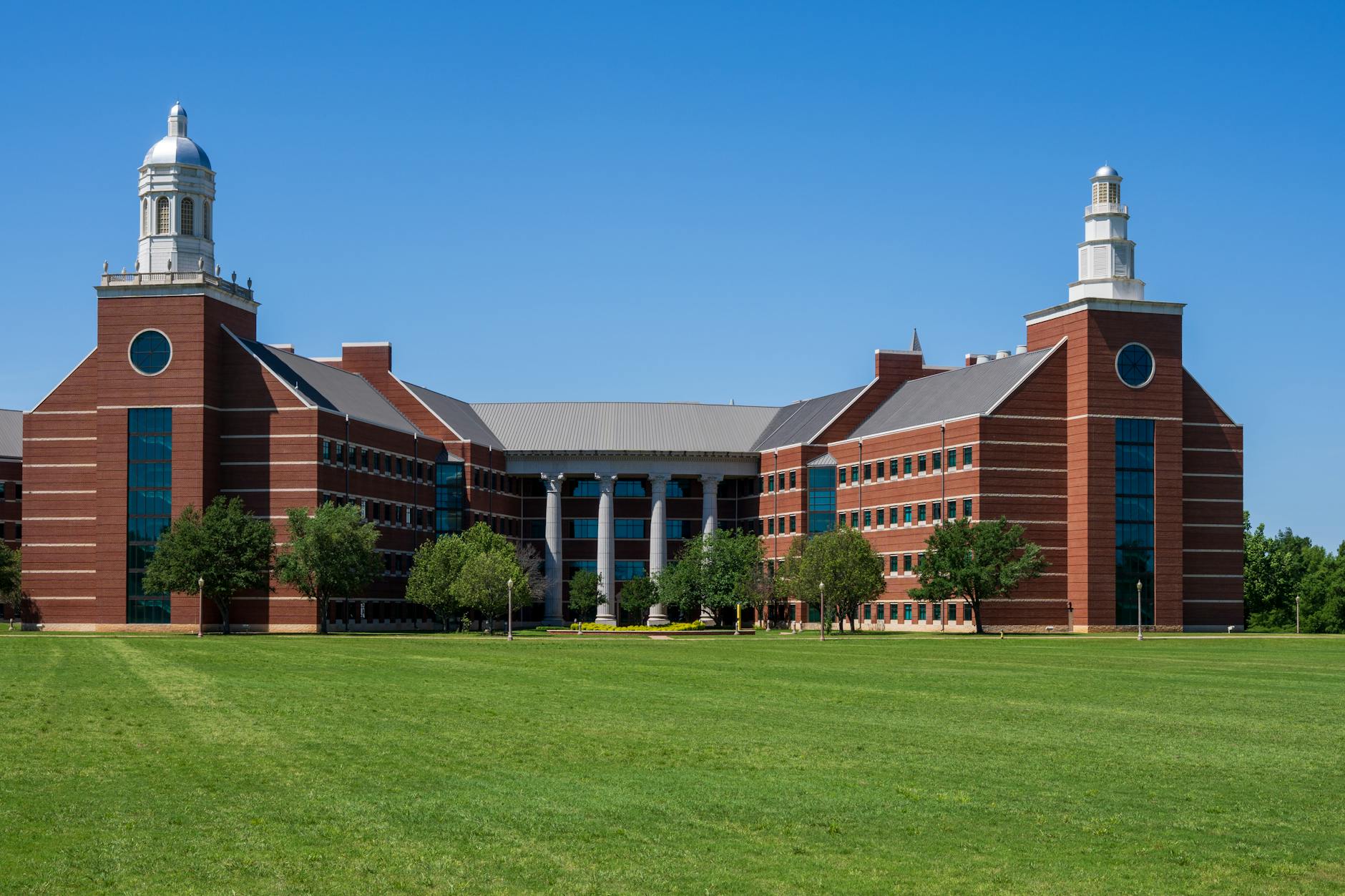
What do Penn State CS first years take?
The usual Penn State computer science first year starts with CMPSC 121 and a first calculus course. Students who wait on either one usually feel the squeeze by semester 3, because later CMPSC classes expect both coding comfort and math momentum.
- Semester 1 usually starts with CMPSC 121, Calc 1, and a general education course or two. That gives students their first real test of time management in a 15-week term.
- Semester 2 often adds CMPSC 122 and Calc 2 if the student passed the first math course cleanly. At many campuses, this is where the schedule starts to look like Penn State CS major requirements instead of random classes.
- Semester 3 often brings CS 250 Discrete Math and CMPSC 221 Object-Oriented Java, with another support course beside them. The catch: If Calc 2 slips, CS 250 and later programming classes can get pushed back a full semester.
- Semester 4 usually points toward CMPSC 311 Systems Programming once the earlier coding classes are done. That class leans on the habits built in CMPSC 121 and CMPSC 122, not just the Java work from 221.
- Some students layer IST classes into year 2, especially if they want a second path open. Reality check: That only works if the student protects the CMPSC chain first, because the major sequence leaves little room for random detours.
- The big picture: the first 4 semesters build from code basics to object-oriented design, then to systems-level thinking. Students who keep all 3 tracks moving—programming, math, and scheduling—usually avoid the ugly surprise of a missing prereq.
CMPSC 121 to 311, Step by Step
CMPSC 121 Intro to Programming is where Penn State CS students learn the basic habits that everything else expects. You write small programs, fix syntax errors, and start thinking in steps instead of guesses. The class does not just teach code; it teaches patience. Students who have never coded before can still do fine, but they usually need more than the 5 or 6 hours outside class that an easy gen ed might ask for.
CMPSC 122 Intermediate Programming raises the bar fast. It assumes you already know how to write simple programs, and it pushes you toward stronger problem solving, cleaner functions, and more careful debugging. What this means: A student who coasted through 121 can hit a wall here, because 122 expects proof that you can build something without a line-by-line recipe. That jump is real, and honestly, it filters people.
CMPSC 221 Object-Oriented Java changes the style of work again. Now you deal with classes, objects, inheritance, and bigger program design in Java, which means the code gets longer and the mistakes get stranger. A lot of students say 221 feels harder than 121 because the class asks them to hold more ideas in their head at once. That opinion makes sense. CMPSC 311 Systems Programming turns the dial again by moving into lower-level thinking, and that shift can surprise students who liked Java because it felt neat and organized. By the time they reach 311, they need the habits from the earlier 2 CMPSC classes, not just decent test scores.
Which math courses does Penn State CS require?
Penn State CS students usually stack 3 math pieces early: Calc 1, Calc 2, and CS 250 Discrete Math. That is a 2-semester math run for calculus plus a separate proof-heavy class that often feels unlike the math most students saw in high school.
- Calc 1 usually comes first because it sets the base for later STEM work. If a student starts in fall, this often lands in semester 1 or semester 2.
- Calc 2 follows Calc 1 and can become a bottleneck if the first course takes a retake. One missed term can shove the rest of the Penn State CS prerequisites back by 4 to 8 months.
- CS 250 Discrete Math sits in a different lane. It asks for logic, sets, proofs, and clean reasoning, which feels less like algebra and more like structured argument.
- Bottom line: Many students find CS 250 more surprising than Calc 2, because proof work demands precision instead of routine steps.
- Calc 2 matters because later technical classes lean on the same discipline: multi-step work, error checking, and staying calm under pressure. That sounds basic, but students who skip practice usually pay for it.
- Some students use a Discrete Mathematics course to keep momentum while they sort out campus scheduling. That can help with timing, but it does not make the logic work feel light.
- The math sequence affects the rest of the major more than people expect. If Calc 1 or 2 falls behind, the CMPSC chain often loses a semester before students even notice the drift.
The Complete Resource for Penn State CS
UPI Study has a full resource page built specifically for penn state cs — covering which courses count, how credits transfer to US and Canadian colleges, and how to get started at $250 per course with no deadlines.
Browse Penn State Credits →Where IST Courses Fit In
IST sits next to CMPSC, but it does not copy it. That difference matters for students who want to keep both doors open during the first 2 years. CMPSC leans hard into programming depth and math. IST leans more toward systems, people, process, and applied tech work. The overlap can help, but only if the student watches the sequence and does not burn credits on classes that do not move either path forward.
| Column 1 | Column 2 | Column 3 |
|---|---|---|
| Focus | CMPSC | IST |
| Core early classes | 121, 122, 221 | intro IST, systems, data |
| Math load | Calc 1, Calc 2, CS 250 | lighter math mix |
| Programming depth | high | moderate |
| Flexibility | tight sequence | more room |
| Dual-path risk | prereq bottlenecks | credit overlap limits |
The table makes the tradeoff plain. CMPSC gives you a narrower road and a tougher early load, while IST gives more room to pivot if you are still deciding after 2 semesters. Penn State pathway planning matters here because one wrong class choice can block a later CMPSC prereq or leave an IST student short on useful major credits.
When must Penn State CS prereqs be done?
Penn State usually cares about prereqs before registration, not after the fact. If a CMPSC class lists CMPSC 121, CMPSC 122, or a math course as a prerequisite, the system wants the earlier class done or in progress in the right term. That means students cannot treat prereqs like loose suggestions. They act like gates.
If a student misses the planned order in semester 1 or 2, the delay can spread into semester 3 and semester 4 fast. A missing Calc 1 grade can block Calc 2. A missing CMPSC 122 can block CMPSC 221. A missing chain piece can also mean a wait of 1 full semester for the next offering, which hurts more at a school where the sequence builds on itself.
Worth knowing: Course timing matters as much as course choice here. A student who finishes a prereq too late in the term may still miss the next class if the department opens seats before final grades post. That is the ugly little timing gap nobody likes to talk about.
Penn State CS major requirements reward students who plan 2 terms ahead and keep backup options ready. If a class fills or a grade misses the mark, the student may need to move another requirement, like a gen ed or an IST class, to avoid wasting a semester. That is not dramatic. It is just how a 4-year plan gets protected.
How hard are Penn State CS first years?
The first two years of Penn State computer science feel manageable only if students respect the workload. CMPSC 121 may start friendly, but CMPSC 122, CMPSC 221, and CS 250 can stack up fast when each one asks for regular practice. A student who studies 8 to 12 hours a week outside class usually has a much better shot than someone who treats programming like a once-a-week task.
The hardest part is not one giant exam. It is the steady drip of assignments, labs, and debugging. One bug can eat 2 hours. Then another bug eats 3 more. Students who like clear rules and step-by-step problem solving often adapt faster, while students who want instant answers can feel stuck for weeks. That is not a flaw in the student; it is the shape of the major.
Some students move quickly through the sequence because they already coded in high school or came in with strong math habits. Others need one rough semester before the material clicks. That gap is normal, and it explains why the Penn State computer science first year can feel easy for 3 weeks and then suddenly dense by midterm season. The sequence rewards discipline more than raw speed.
Frequently Asked Questions about Penn State CS
This applies to you if you’re a CMPSC major or pre-major following the BS in Computer Science path at Penn State, and it doesn’t apply if you’re in IST, CE, or another major with a different degree map. You’ll usually see CMPSC 121, CMPSC 122, CMPSC 221, CMPSC 311, Calc 1, Calc 2, and CMPSC 250 in the first 2 years.
You can block yourself from the next course and lose a full semester on the chain. CMPSC 122 usually follows CMPSC 121, CMPSC 221 usually follows CMPSC 122, and CMPSC 311 usually comes after CMPSC 221, so one missed prerequisite can stall 2 or 3 later classes.
Most students try to stack CMPSC 121 Penn State with Calc 1 in year 1, then add CMPSC 122, Calc 2, and CMPSC 250 in year 2. What actually works is keeping the load balanced, because programming plus calculus plus discrete math can hit hard in the same term.
The common wrong assumption is that any coding class counts the same way as CMPSC 121, but the CMPSC sequence has a specific order. You need the exact Penn State CS major requirements, and CMPSC 121, CMPSC 122, CMPSC 221, and CMPSC 311 all build on each other.
Penn State CS prerequisites fit as a ladder: CMPSC 121, then CMPSC 122, then CMPSC 221, then CMPSC 311, with Calc 1, Calc 2, and CMPSC 250 mixed in. The hard part is timing, because some sections fill fast and some classes only run once a year.
They’re hard, and the 4-course core often feels like 2 heavy STEM classes plus 1 logic class plus 1 coding class all at once. CMPSC 121 and CMPSC 122 can feel like a jump if you haven’t coded before, and CMPSC 250 often surprises students with proof-style thinking.
Start by mapping both degree plans side by side and marking the shared courses first. If you’re dual-pathing, IST vs CMPSC Penn State usually means you compare CMPSC 121, CMPSC 122, CMPSC 221, CMPSC 311, IST intro work, and the math slots before you register.
The thing that surprises most students is that CMPSC 311 can feel less like coding and more like systems thinking, memory, and low-level detail. CMPSC 121 and CMPSC 122 teach you programming basics, but 311 asks you to think about how the computer works under the code.
Yes, some IST courses can fit as backup work or a parallel path, but they don’t replace the CMPSC core. You can use IST classes to keep moving while you finish CMPSC 121, CMPSC 122, CMPSC 221, or CMPSC 250, but the CS sequence still has to be done.
You need each prerequisite done before you take the next course, not after the semester starts. That means CMPSC 121 has to come before CMPSC 122, CMPSC 122 before CMPSC 221, and CMPSC 221 before CMPSC 311, or you’ll get blocked at registration.
You take Calc 1, Calc 2, and CMPSC 250 Discrete Math in the first 2 years. Those 3 math-heavy classes matter because CMPSC 250 supports algorithms and logic, while calculus supports the core engineering side of the major.
CMPSC 121 starts programming, CMPSC 122 builds on it, CMPSC 221 moves you into object-oriented Java, and CMPSC 311 shifts into systems programming. You usually don’t take them all at once, because each one expects the last one to be done first.
A typical plan puts CMPSC 121 and Calc 1 in year 1, then CMPSC 122, Calc 2, and CMPSC 250 in year 2, with CMPSC 221 and maybe CMPSC 311 after that. The exact term order changes by campus and class availability, but the prerequisite chain stays the same.
Final Thoughts on Penn State CS
Penn State CS students do best when they treat the first 2 years like a chain, not a buffet. CMPSC 121 starts the coding work, CMPSC 122 raises the pressure, CMPSC 221 shifts the style, and CMPSC 311 asks for real systems thinking. Add Calc 1, Calc 2, and CS 250, and you get a schedule that rewards planning more than guesswork. IST gives students a second lane, and that can help if they want more flexibility while they decide where they fit. Still, the CMPSC path stays tighter, and that is the part many students underestimate. A class that looks small on paper can block a whole semester later. That happens more often than people admit. The smartest move is simple. Map the first 4 semesters now, check which prereqs each class feeds, and leave yourself one backup slot for math or programming if a term gets rough. If you do that, the Penn State CS major requirements stop feeling like a maze and start looking like a plan.
How UPI Study credits actually work
Ready to Earn College Credit?
ACE & NCCRS approved · Self-paced · Transfer to colleges · $250/course or $99/month