
Cheap self-paced credit only stays cheap if you treat textbooks like part of the bill, not an afterthought. A $90 exam or a $99 course can turn into a $250 headache fast when you buy three new books at retail. The smart move is simple: source the book first, match the official outline, and only pay for what the exam or course actually uses. That matters because textbook prices can outrun the credit plan itself. If you stack new editions for every subject, the book total can double the cost of a credit-by-exam strategy. I have seen students spend more on one shelf of books than on the actual credit path. That is rough. A better plan uses used textbooks online study habits, library access, and free textbooks college credit options so the book line stays tiny. The good news: you do not need every shiny new edition. Most subjects have older editions, open books, or library copies that cover the same core ideas. Cheap college textbooks are not some rare trick. They come from being picky, early, and a little stubborn about paying retail.
Why Textbook Costs Blow Up
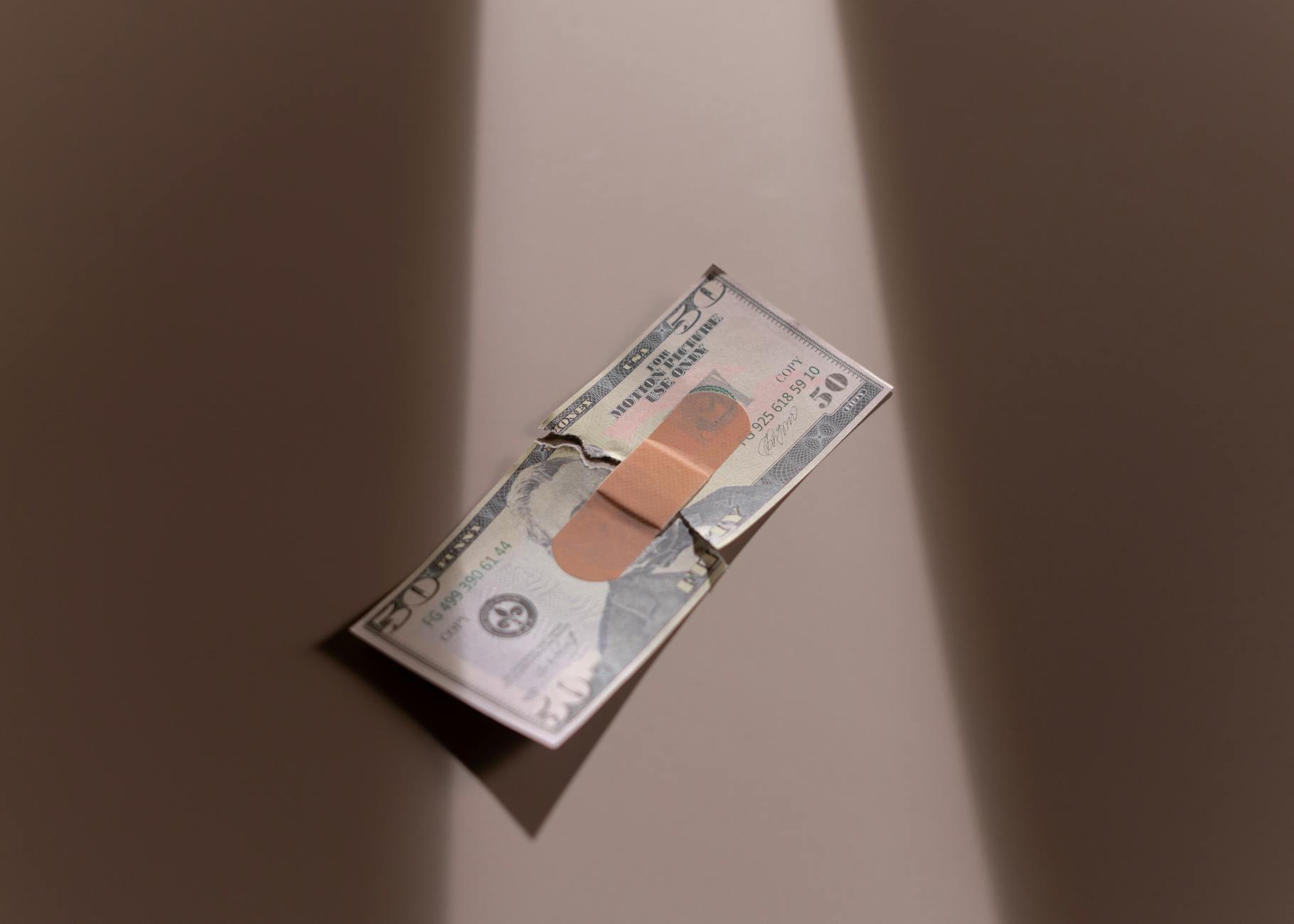
Textbook costs blow up because the book stack can grow faster than the credit plan. A student might pay $90 to $250 for an exam or course, then spend another $120 to $300 on three new books. That turns a cheap route into a pricey one fast.
The catch: The exam fee looks small, but the book bill can swallow the savings if you buy every required title at full price. I think that is the sneaky part of this whole system: the cheap option stops being cheap when you shop like you are buying for a full 15-week class instead of one test.
This hits hardest in self-paced college credit because you control the timing. You can pause after 2 weeks, work from an outline, and use one book for multiple subjects when the content overlaps. That gives you room to keep costs low, but only if you skip retail habits. A new edition can cost 2x or 3x a used copy, and the latest cover rarely buys you better test scores.
A smart student treats books like a tool, not a trophy. If the exam tests 6 chapters, you do not need a glossy latest printing with 24 chapters of extra fluff. You need the tested material, a few practice questions, and enough focus to pass once.
The Complete Resource for Cheap Textbooks
UPI Study has a full resource page built specifically for cheap textbooks — covering which courses count, how credits transfer to US and Canadian colleges, and how to get started at $250 per course with no deadlines.
Browse Study Resources →Match The Outline, Not The Edition
The official content outline matters more than the cover year. Credit-by-exam tests usually check specific ideas, terms, and skills, not the publisher’s latest revision. If the outline names 8 topics, buy for those 8 topics, not the extra 12 chapters a new book added in 2023.
That is where students waste money. They see a 10th edition and assume it must beat the 9th edition by a mile. Sometimes the change is tiny: a new case study, a few fresh examples, maybe one chapter reorder. The test still asks the same old thing.
Reality check: A newer edition only helps when the syllabus or official outline shows major changes, and that does not happen every term. I think people overbuy because they want certainty, but certainty has a price tag, and it can be silly.
Use the outline like a shopping list. If the exam covers algebraic functions, ethics frameworks, or macro basics, find the chapters that match those headings and stop there. Some students even use a $15 older edition plus a free practice guide and do fine because the tested concepts stay steady across 2 or 3 editions.
A useful trick: compare chapter titles, not marketing blurbs. Publishers love to say a book is “updated” or “expanded,” but the outline tells you what the exam will actually touch. When those two lists match, you can buy the cheaper copy with confidence.
If you want a fast way to keep the search tight, use cheap college textbooks resources as a starting point, then cross-check the outline before you pay. That beats guessing, and guessing costs real money.
How UPI Study Fits
90+ college-level courses, $250 per course, and $99/month unlimited can change how you think about book costs. If a course already bundles the readings and the study path, you do not need to build a separate textbook stack for that subject. That matters for people who want a clean budget and hate surprise charges.
UPI Study offers ACE and NCCRS approved courses, and that approval matters because US and Canadian colleges use those bodies to review non-traditional credit. The setup is fully self-paced, with no deadlines, so you can move as fast or as slow as your week allows. I like that model for students who want one clear payment instead of a trail of small purchases that never quite stop.
UPI Study resources also help students compare materials before they spend on outside books. That is a practical move, not a flashy one. If you are choosing between buying 2 new textbooks and using a course that already includes the needed material, the math gets pretty easy.
For subjects like International Business, the fit can be especially neat because the course path already lines up with the learning you need for credit. UPI Study credits transfer to partner US and Canadian colleges, and that makes the whole setup feel less like a scavenger hunt and more like a straight path.
Frequently Asked Questions about Cheap Textbooks
Most students buy the recommended book first, but smart students start by checking cheaper sources because new textbooks can easily cost more than the credit-by-exam fee itself, especially when you need 3 to 5 books. That’s how you keep self paced college credit affordable instead of turning one exam into a full-price shopping trip.
The biggest wrong guess is that the newest edition always matters. It usually doesn't for self paced college credit, because exams test the official content outline, not the publisher’s latest cover, and older editions often cover about 95% of the same material for far less.
A single course-based ACE provider often starts around $89 and includes lifetime access with all required materials, so you may pay once and skip separate book costs for that subject. Compare that with buying 2 or 3 new books, which can push your total way up fast.
Start with the official exam content outline, then match the book to that outline before you buy anything. That keeps you focused on the concepts the test actually covers, and it stops you from paying extra for a shiny new edition with only small changes.
You can turn a low-cost plan into an expensive one fast. If you skip open resources, you may pay for 2 new books at full price, while OpenStax textbooks and OER Commons often give you college-level material for $0.
First, check Amazon Used, AbeBooks, BookFinder, and ThriftBooks for used copies. Then try your public library’s inter-library loan, plus academic libraries at some state schools that allow community members to use collections in person or through local programs.
You should use them if your course or exam covers standard subjects like math, biology, psychology, or writing, because OpenStax and OER Commons have strong college-level options in those areas. They don't help much if your subject has a very narrow, test-specific book with few free copies.
The biggest surprise is that the cheapest path often comes from mixing sources, not from one magic site. You might use a free OpenStax book for one subject, a library copy for another, and a used older edition for a third, which can cut costs by a lot.
Compare the chapter list, learning goals, and topic order to the official exam outline, not the publisher’s newest revision. If the core topics match, an older edition often works well and can cost a fraction of the latest one.
Yes. If you pick a one-time-payment course-based ACE provider, you usually get all required course materials inside the plan, and many start around $89 with lifetime access. That means you don't have to buy separate textbooks for that subject at all.
Check the edition number, ISBN, and table of contents before you pay. A 5th edition and a 7th edition can look close on the cover, but one small mismatch can leave you with chapters you never need and missing the ones you do.
They help by cutting the cost of the prep phase, which matters because the book bill can double your total cost if you buy new titles for every test. Used copies, libraries, and OpenStax textbooks keep that prep cost low.
You save money by avoiding 3 mistakes: buying the newest edition without checking the outline, skipping free textbooks college credit options like OpenStax, and paying before you search the library for older editions. Those three choices usually cost more than the exam prep itself.
Final Thoughts on Cheap Textbooks
How UPI Study credits actually work
Ready to Earn College Credit?
ACE & NCCRS approved · Self-paced · Transfer to colleges · $250/course or $99/month