
Ribosomes are the cell machines that make proteins. They read mRNA, match the right tRNA, and join amino acids into a growing chain called a polypeptide. That is the whole trick, and cells cannot skip it for long because proteins run jobs like building tissue, speeding reactions, and sending signals. A ribosome has 2 parts: a small subunit that reads the message and a large subunit that joins amino acids. In bacteria, ribosomes sit in the cytoplasm. In human cells, they float in the cytosol or sit on the rough endoplasmic reticulum. Same job, same basic plan, different cell setup. This is the heart of ribosomes and protein synthesis. DNA stores the instructions, mRNA carries a copied version, and ribosomes turn that code into a real protein the cell can use. If you miss that chain, genetics turns into a pile of buzzwords instead of something useful. The process also has rules. Ribosomes read mRNA in sets of 3 bases called codons, and each codon points to one amino acid or a stop signal. That simple 3-base code lets cells build thousands of different proteins from the same 20 common amino acids. Sharp system. No drama. Just chemistry that works.
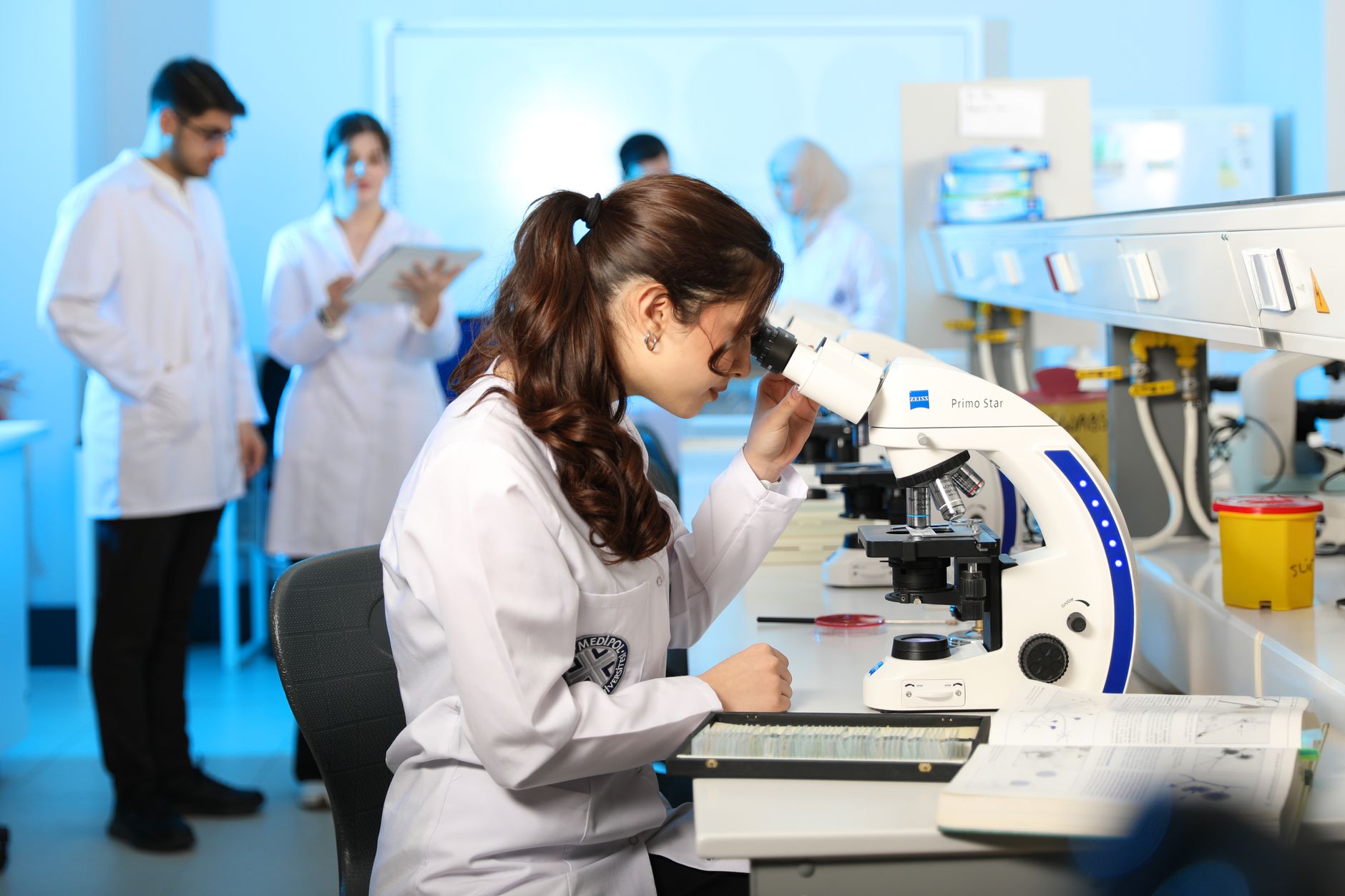
What Are Ribosomes In Cells?
Ribosomes are the cell’s protein-making machinery, and every living cell uses them, from bacteria with 70S ribosomes to human cells with 80S ribosomes. They sit in the cytoplasm, float free in the cytosol, or attach to the rough endoplasmic reticulum in eukaryotes.
The catch: Ribosomes look tiny, but they do a job that decides whether a cell survives a 24-hour stretch or falls apart. Each ribosome has 2 subunits, a small one and a large one, built from ribosomal RNA (rRNA) and proteins.
That structure matters because the small subunit reads the mRNA message while the large subunit helps join amino acids. In bacteria like Escherichia coli, the 70S ribosome uses 50S and 30S subunits. In human cells, the 80S ribosome uses 60S and 40S subunits. Different sizes. Same basic layout.
Ribosomes and protein synthesis go hand in hand because no ribosome means no protein output. A cell can copy DNA and make mRNA all day, but without ribosomes, those instructions go nowhere. That is why biologists treat ribosomes like the working heart of the cell, not some side detail in a chapter diagram.
The rRNA inside the ribosome does more than hold the structure together. It also helps speed the chemical reaction that forms the peptide bond, which is a big reason ribosomes matter so much in biology. A protein factory that can also act like an enzyme is not cute. It is efficient.
How Do Ribosomes Read mRNA?
Ribosomes read mRNA by starting at a start codon, usually AUG, then moving 3 bases at a time so the code stays in the right frame. That first AUG often tells the ribosome to place methionine, the starter amino acid, before translation runs through the rest of the message.
What this means: The ribosome does not read one base at a time. It reads codons, and 1 mistake in the reading frame can wreck the whole protein, which is why a shift of just 1 nucleotide can be brutal.
During initiation, the small subunit binds the mRNA and checks for the right start site. In bacteria, a Shine-Dalgarno sequence helps line things up. In eukaryotes, the ribosome usually scans from the 5' end until it finds AUG. That difference sounds small, but it tells you how much cell type matters.
Transfer RNA, or tRNA, brings the amino acids. Each tRNA carries an anticodon that pairs with a matching mRNA codon, so the ribosome can decode the message with high accuracy. If the codon says UUU, the tRNA with AAA pairing logic brings phenylalanine. That match is the whole point.
A lot of students try to memorize translation like a vocabulary list. Bad move. The smarter way is to see the pattern: mRNA gives the order, tRNA matches the code, and the ribosome holds the two together long enough to make the right protein. That is clean molecular logic, not magic.
In an Introduction to Biology I class, this step often lands hard because it links DNA code to a physical product inside the cell. The idea feels abstract until you see that one codon can change one amino acid and alter a protein’s shape.
Learn Biology 1 Online for College Credit
This is one topic inside the full Biology 1 course on UPI Study — a self-paced, online class that earns real college credit. Credits are ACE and NCCRS evaluated and transfer to partner colleges across the US and Canada. Courses start at $250 with no deadlines and lifetime access.
Browse Biology 1 Course →How Do Ribosomes Build A Polypeptide?
Ribosomes build a polypeptide by moving through 3 stages: elongation, translocation, and termination. The chain grows from the amino end toward the carboxyl end, and the ribosome itself stays the workbench, not the finished protein.
- The first charged tRNA enters the ribosome after initiation and pairs with the start codon, usually AUG. That puts methionine in place and starts the chain.
- A second tRNA arrives at the next codon, often within a few seconds in a busy cell, and the ribosome checks the anticodon match before it accepts the amino acid.
- The large subunit catalyzes a peptide bond between the two amino acids, which transfers the growing chain to the new tRNA. This step drives protein assembly without turning the ribosome into the protein.
- The ribosome shifts forward by 1 codon, or 3 bases, in translocation. That move clears the old tRNA out and opens the next spot for another amino acid.
- The cycle repeats dozens to hundreds of times, depending on protein size, until a stop codon like UAA, UAG, or UGA appears. Then release factors end translation and let the finished polypeptide go.
Reality check: A short bacterial protein can finish fast, but a long human protein may take far longer because the ribosome has to add every amino acid one by one. No shortcuts. No guessing.
The ribosome does not spend itself in the process. It catalyzes the reaction, then moves on and starts again. That is why cells can make huge numbers of proteins from the same ribosome pool, which is a pretty clever design.
What Is The Difference Between Free And Bound Ribosomes?
Free ribosomes float in the cytosol and usually make proteins that stay inside the cell, while bound ribosomes attach to the rough ER and make proteins that leave the cell, sit in membranes, or travel into organelles. Same ribosome job. Different address label.
In a human cell, a free ribosome might build an enzyme for glycolysis, and a bound ribosome might make insulin, a membrane receptor, or a lysosomal protein. That split matters because proteins do not all belong in the same place. A protein made for the cytoplasm in a 10-micrometer cell should not end up in a secretory vesicle by accident.
Bottom line: Location decides destination, and the signal peptide on the growing protein helps send the ribosome to the rough ER in about 1 cell’s worth of setup time. If the protein has no signal, the ribosome stays free in the cytosol.
People often treat free and bound ribosomes like two different machines. They are not. They are the same ribosome type doing the same translation chemistry, just in different parts of the cell. That detail matters more than the textbook art makes it look.
The rough ER gives the cell a staging area for proteins that need folding, shipping, or membrane insertion. If you want a protein to leave the cell, you do not hand it to a free ribosome and hope for the best. Cells are not that sloppy.
Why Do Ribosomes Matter In Genetic Information Flow?
DNA stores the instructions, mRNA carries a copied message, and ribosomes turn that message into a protein. That 3-step flow is the central dogma of biology, and it only works because ribosomes read codons in groups of 3 bases and turn them into amino acid order. A student in an Intro to Biology I course at Southern New Hampshire University, studying online for transferable credit or ACE/NCCRS credit, sees that link fast once translation clicks in a lab unit or quiz.
- DNA does not make traits by itself; proteins do the work inside cells.
- Ribosomes read mRNA from the 5' end toward the 3' end in the usual eukaryotic setup.
- One codon change can swap 1 amino acid and change protein shape.
- Stop codons end translation after 20 standard amino acids have been used in the code.
- Ribosomes connect gene sequence to enzyme action, transport, and cell signaling.
Worth knowing: This is why genetics labs feel less like memorizing letters and more like reading a machine diagram. If you know what a codon does, you can trace a trait back to a protein change in seconds.
A lot of students miss that protein synthesis is not a side topic. It is the bridge between a gene and a real cell job, and ribosomes sit right on that bridge. That is the part worth respecting, because biology gets messy fast if you treat genes like dead text.
Frequently Asked Questions about Ribosomes
What surprises most students is that ribosomes are tiny RNA-protein machines, not little organ parts, and they make proteins by reading mRNA three bases at a time. They match each codon to an amino acid and link those amino acids into a growing chain during translation.
Ribosomes read mRNA by moving 5' to 3' and checking each three-base codon in order. The small subunit grabs the mRNA first, then the large subunit adds amino acids one by one through tRNA.
Ribosomes are about 20-30 nanometers wide, so you need an electron microscope to see them clearly. That tiny size lets them fit in the cytoplasm and on the rough ER, where they build proteins fast.
If you mix this up, you miss the whole flow of genetic information: DNA gets copied into mRNA, and ribosomes turn that message into a polypeptide. Then you can't explain why a gene matters or how a cell makes a working protein.
Start with the parts: look at the small subunit, the large subunit, mRNA, tRNA, and amino acids. Then trace one codon at a time, because ribosomes and protein synthesis make sense fastest when you follow the sequence from start codon to stop codon.
This topic helps any intro to biology i course student who needs protein synthesis, but it doesn't require advanced chemistry first. You only need basic DNA, RNA, and amino acid terms to follow how ribosomes build proteins in cells.
Most students memorize the word 'translation' and stop there, but what actually works is drawing the ribosome with mRNA, tRNA, and the amino acid chain. That gives you the 3-step flow: read, match, link.
The most common wrong assumption is that ribosomes are only in animal cells, but every living cell uses them, including bacteria, plants, and fungi. Another miss is thinking ribosomes make DNA instead of proteins.
Yes, you can study online and earn college credit in biology if the course offers ace nccrs credit or transferable credit through the school. An online course on ribosomes still covers the same translation steps, so you learn the material in a format that fits your schedule.
Ribosomes sit at the end of the DNA-to-RNA-to-protein chain, and they turn a 3-base mRNA code into a polypeptide during translation. That final step matters because the amino acid order decides how the protein folds and works.
Final Thoughts on Ribosomes
Ribosomes sit at the center of protein synthesis because they turn coded nucleic acid instructions into real molecules the cell can use. DNA stores the message. mRNA carries it. Ribosomes read it 3 bases at a time, match tRNA, and build a polypeptide with the right amino acid order. That is not a side detail in biology. That is the machinery. Keep the structure in mind. A ribosome has a small subunit that reads and a large subunit that bonds amino acids, and those two parts work in both bacteria and human cells. The exact size changes, like 70S in bacteria and 80S in eukaryotes, but the job stays the same. Free ribosomes and bound ribosomes do different jobs because location changes the protein’s final stop. That one fact explains a lot of cell behavior, from enzymes in the cytosol to secreted hormones and membrane proteins. If you can trace one protein from gene to mRNA to ribosome to polypeptide, you already have the backbone of molecular biology. Keep that chain straight, and the rest of the chapter stops looking like random vocabulary.
How UPI Study credits actually work
Ready to Earn College Credit?
ACE & NCCRS approved · Self-paced · Transfer to colleges · $250/course or $99/month