
Photosynthesis in biology is the process plants, algae, and some bacteria use to turn light energy into chemical energy. They take in carbon dioxide and water, then build glucose and release oxygen. That sounds simple, but the chemistry sits at the center of cell biology, plant science, and every food web on Earth. You meet this topic early in intro to biology i because it explains where most living things get their food energy. The sun starts the process, but cells do the work. Chloroplasts catch light, split water, move electrons, and store energy in ATP and NADPH before the cell uses that energy to make sugar. If you miss that chain, the whole chapter feels fuzzy. This is also the part students often memorize badly. They repeat the word “photosynthesis” without knowing the split between the light-dependent reactions and the Calvin cycle. One side makes energy carriers. The other side uses them to build carbon compounds. That split matters because it shows how life turns sunlight into matter your body can use. By the time you finish this guide, you should know what gets used, what gets made, and why oxygen production changed Earth so much.
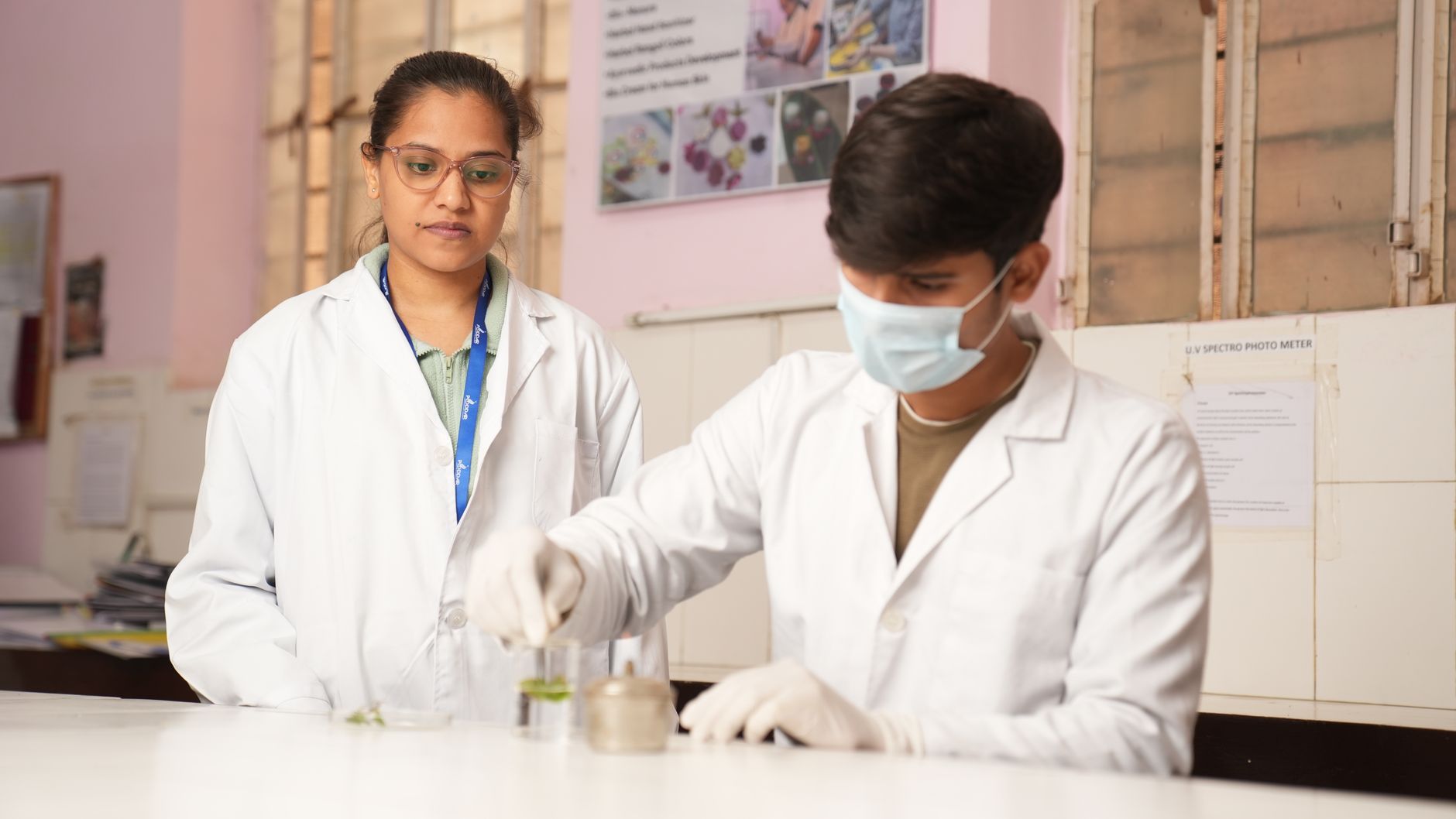
What Is Photosynthesis in Biology?
Photosynthesis is the biological process that lets plants, algae, and some bacteria make glucose from carbon dioxide and water using light energy. In a 6-word version, it means “light in, sugar out,” but the real chemistry takes place in chloroplasts and runs through two linked stages.
That idea sits right at the center of intro to biology i and the using light energy to make organic molecules chapter 8 cell unit because it explains where biomass comes from. A corn plant, a pine tree, or a green alga does not pull sugar out of thin air. It builds it from 6 molecules of carbon dioxide and 6 molecules of water, and it releases 6 molecules of oxygen as a byproduct.
This process matters because it turns solar energy into stored chemical energy that cells can later break down. A leaf does not make “sunshine sugar.” It makes glucose, a 6-carbon molecule that can feed respiration, starch storage, cellulose building, and growth. That is the whole trick.
Students sometimes treat photosynthesis like a memorization topic, and that makes it feel colder than it should. I think that misses the point. This is the chemistry that lets green organisms become the first step in most food chains, from a 2024 houseplant on a windowsill to a forest that covers thousands of hectares. Without it, animals would have no steady source of food energy and most ecosystems would collapse fast.
Where Does Photosynthesis Get Its Energy?
Photosynthesis gets its energy from sunlight, and chlorophyll in chloroplasts absorbs that light best in the red and blue parts of the spectrum. In most plant cells, chlorophyll a and chlorophyll b sit in the thylakoid membranes and catch photons that drive electron movement.
The catch: Light energy does not turn into sugar directly; it first becomes chemical energy in ATP and NADPH, which the cell then spends in the Calvin cycle. That step matters more than most students think, because it explains why the sun powers the process without becoming part of glucose itself. The carbon atoms in sugar come from CO2, not from sunlight, and that fact shows up in every biology exam from intro to biology i to Introduction to Biology I.
The energy story has a clean sequence. Sunlight hits pigment molecules, pigments excite electrons, and the cell uses that excited state to move energy through an electron transport chain. The final result is not a glowing leaf; it is stored chemical potential that can run later reactions. That is why a plant can capture light in a 10-millisecond burst and use the products much later to build a 6-carbon sugar.
A lot of students picture the sun “becoming” glucose, and that picture breaks the whole topic. The sun only supplies energy. Carbon dioxide supplies carbon. Water supplies electrons and hydrogen. Chlorophyll does the catching, but the chloroplast does the bookkeeping.
Learn Biology 1 Online for College Credit
This is one topic inside the full Biology 1 course on UPI Study — a self-paced, online class that earns real college credit. Credits are ACE and NCCRS evaluated and transfer to partner colleges across the US and Canada. Courses start at $250 with no deadlines and lifetime access.
See Biology 1 Course →Which Steps Happen In The Light Reactions?
The light reactions happen in the thylakoid membranes of chloroplasts, and they need light directly. They do the first job: capture energy, split water, release oxygen, and make ATP and NADPH for the next stage.
- Chlorophyll absorbs a photon in photosystem II and excites an electron. That electron starts moving through the membrane almost at once.
- Water splits to replace the lost electron, and this step releases O2, H+ ions, and more electrons. The oxygen you breathe comes from this water-splitting step, not from CO2.
- The excited electrons travel down an electron transport chain and help pump protons across the thylakoid membrane. This builds a gradient fast, often within milliseconds.
- ATP synthase uses that proton gradient to make ATP. The enzyme works like a tiny turbine, and cells can make dozens of ATP molecules in short bursts when light is strong.
- Photosystem I re-energizes the electrons with another photon, then the cell uses them to reduce NADP+ to NADPH. That gives the cell 2 energy carriers for the Calvin cycle.
- Reality check: The light-dependent reactions stop without light, so a dark leaf can still have chloroplasts but cannot keep making fresh ATP and NADPH.
Introduction to Biology I usually places this sequence in the same unit as chloroplast structure, and that makes sense because location and order matter here. If you mix up thylakoids and stroma, you lose the whole map.
The hard part is not the words. It is the flow. Light hits pigment, water splits, electrons move, ATP builds, NADPH forms. That is the line you want in your head.
How Does The Calvin Cycle Build Glucose?
The Calvin cycle builds sugars in the stroma of the chloroplast, and it uses CO2, ATP, and NADPH to do it. Unlike the light reactions, it does not need light directly, but it depends on the products of those reactions to keep running.
The first major step is carbon fixation. An enzyme called RuBisCO attaches CO2 to RuBP, a 5-carbon molecule, and that unstable 6-carbon intermediate splits into two 3-carbon molecules. That is the moment carbon enters the cycle in a form the cell can work with.
Worth knowing: The cycle does not make glucose in one neat turn; it usually takes 3 turns to net 1 molecule of G3P, and 2 G3P molecules can combine to form glucose. That detail shows up in intro to biology i exams because students often think one CO2 makes one sugar. It does not.
The cycle then uses ATP and NADPH to reduce those 3-carbon compounds and regenerate RuBP. That regeneration step matters because the cell must keep the cycle open if it wants to fix more carbon. A plant that gets plenty of light can keep cycling fast, but a plant under drought or heat stress can slow down because enzyme activity drops.
I like this stage because it feels like real chemistry, not a slogan. The chloroplast takes 3 CO2 molecules, 9 ATP, and 6 NADPH to keep the cycle moving toward sugar production, and that kind of accounting is exactly what biology students need to track.
Why Does Photosynthesis Matter For Life?
Photosynthesis matters because it feeds almost every food web, supplies the oxygen aerobic life needs, and helps keep atmospheric carbon in check. Roughly 21% of Earth’s air is oxygen today, and photosynthesis drove that change over geologic time by releasing oxygen as plants, algae, and cyanobacteria captured light and fixed carbon. That single process links a leaf to a whale, a grass blade to a human breakfast, and a rainforest to global carbon cycles.
- Green plants form the first energy source in most ecosystems.
- Oxygen from photosynthesis supports aerobic respiration in animals, fungi, and many microbes.
- Carbon fixation stores atmospheric CO2 in biomass and soils.
- Crop yield, forest growth, and ocean productivity all depend on photosynthetic rate.
Bottom line: Without photosynthesis, Earth loses its main way of turning sunlight into usable food energy, and that would hit ecosystems fast.
Students usually remember oxygen first, but food energy matters just as much. A plant does not just stay alive on sunlight; it turns that energy into biomass that herbivores eat, and carnivores then depend on that chain. That is why a tiny algae bloom in a lake or a forest canopy across 1,000 acres can shape the life that follows.
Frequently Asked Questions about Photosynthesis
Start by watching a plant leaf take in sunlight, carbon dioxide, and water, because photosynthesis uses light energy to make glucose and oxygen in chloroplasts. The light-dependent reactions split water and release O2, then the Calvin cycle builds sugar from CO2.
Most students memorize the words, but what actually works is tracing the inputs and outputs in order: light, water, and carbon dioxide go in; glucose and oxygen come out. That simple flow helps you keep the light-dependent reactions separate from the Calvin cycle.
Photosynthesis has 2 main stages, and that split matters because the light-dependent reactions make ATP and NADPH while the Calvin cycle uses them to build sugar. If you know those 2 jobs, the whole process makes more sense fast.
What surprises most students is that oxygen comes from water, not from carbon dioxide. During the light-dependent reactions, water splits in chloroplasts, and that split gives off O2 while the plant keeps the energy it needs to make glucose.
This applies to anyone in intro to biology i, intro to biology i course, or using light energy to make organic molecules chapter 8 cell, and it doesn't require a special science background. You just need the basic idea that light energy starts the process and sugar ends it.
If you mix them up, you'll lose track of where ATP, NADPH, and glucose come from, and that can wreck test answers on college credit biology work. The light-dependent reactions capture light in the thylakoid membranes, while the Calvin cycle runs in the stroma.
Photosynthesis in biology is the process where plants, algae, and some bacteria use light energy to turn carbon dioxide and water into glucose and oxygen. The light-dependent reactions first make ATP and NADPH, then the Calvin cycle uses them to build organic molecules.
The most common wrong assumption is that photosynthesis just makes food from sunlight in one step. It actually happens in 2 linked parts, and the plant first stores light energy in ATP and NADPH before it builds glucose in the Calvin cycle.
In an online course, you can study photosynthesis with diagrams, short videos, and quizzes, and that fits well with ace nccrs credit biology work. You still need to know the 2-stage setup, because colleges often test the light reactions and Calvin cycle as separate ideas.
You should remember that carbon dioxide supplies the carbon atoms for sugar, and water supplies electrons and hydrogen during the light-dependent reactions. That 2-input setup lets the plant build glucose, which stores chemical energy for growth and repair.
Photosynthesis matters because it feeds almost every food chain and keeps oxygen in the air, and that support starts with chloroplasts capturing light in green plants, algae, and cyanobacteria. Without it, life would lose its main source of new organic molecules and breathable O2.
Final Thoughts on Photosynthesis
Photosynthesis earns its place near the start of biology because it explains where food energy comes from and how living systems keep building matter from simple ingredients. The sun supplies energy, chlorophyll captures it, the light reactions store it in ATP and NADPH, and the Calvin cycle uses that stored energy to fix carbon into sugar. That chain gives you the whole picture. The details matter here. Oxygen comes from water splitting in the light reactions. Carbon dioxide supplies the carbon for glucose. Thylakoids handle the first half, and the stroma handles the second half. Those facts sound small, but they shape how you read the chapter, answer exam questions, and connect plant cells to the rest of life. Photosynthesis also gives you a bigger idea that reaches past one unit. Every time you eat bread, fruit, rice, or salad, you tap energy that once moved through a chloroplast. That is a strange and useful fact. It makes biology feel less like a list of terms and more like one long chain of energy moving through living things. Keep the sequence straight, and the topic stops feeling random. Review the two stages, learn the 6-carbon and 3-carbon steps, and use that map the next time your class asks how a leaf turns light into life.
The way this actually clicks
Skip step 3 and the whole thing is wasted.
Ready to Earn College Credit?
ACE & NCCRS approved · Self-paced · Transfer to colleges · $250/course or $99/month