
Water in biology is the molecule that makes life possible because it acts as the main solvent, holds cells together, and keeps reactions moving at usable rates. A human body is about 60% water, and many cells are even higher than that, so biology starts with water for a plain reason: without it, cells cannot run their chemistry. Water does three jobs at once. It dissolves ions like sodium and potassium, moves nutrients and wastes, and gives proteins, DNA, and membranes the right surroundings to work. That matters because enzymes only work well in water, not in dry air or random goo. A cell does not treat water as background; it lives inside it. Water also helps keep conditions steady. Its high specific heat slows big temperature swings, and that matters in blood, oceans, lakes, and inside plant tissue. To understand homeostasis, water sits near the center of the story. It shapes how cells keep their shape, how blood carries materials, and how ecosystems stay habitable across day and night. A student who understands water gets a real head start in intro to biology i, because almost every later topic leans on this molecule.
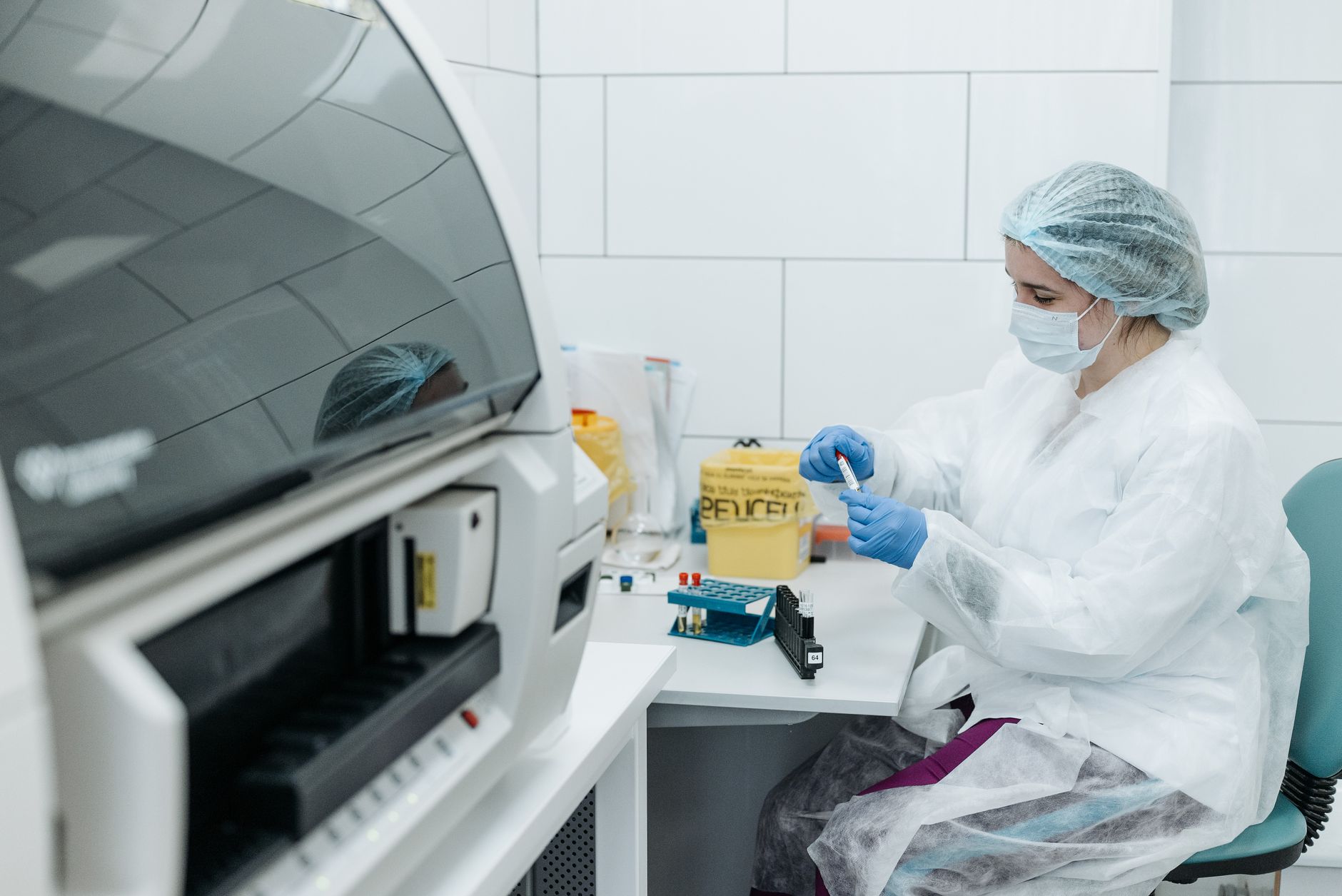
Why Is Water Essential in Biology?
Water is essential in biology because cells, tissues, and ecosystems all depend on it as the main solvent and working space for life. In many organisms, water makes up 70% or more of cell mass, and even the human body averages about 60% water, so biology starts with a liquid environment, not a dry one.
That matters because molecules need a place to move, collide, and react. Nutrients enter cells in water, wastes leave cells in water, and enzymes do their work in water. A molecule like glucose does not help a cell much if it cannot move to the right spot, and water gives it that path. The same idea explains blood plasma, cytoplasm, and the fluid around tissues.
Reality check: Water is not just a background setting; it is the stage, the transport system, and the reaction medium all at once. That is a cleaner idea than the usual classroom slogan, and I think it makes biology easier to trust. If you study Introduction to Biology I, this is the first thing that pays off.
Water also helps cells keep homeostasis by spreading heat, salts, and dissolved gases in a controlled way. In a cell, a few extra ions can change protein shape fast, so water helps buffer those shifts. In a lake or a blood vessel, the same liquid properties keep living systems from jerking between extremes in 1 hour or 1 day.
A dry surface can host chemistry for a while, but life needs more than a few lucky reactions. Water gives biology a steady 3-part support system: movement, mixing, and control. That is why biologists treat water as the first molecule to understand, not a side note.
What this means: If you can explain why cells need water, you can explain why membranes, enzymes, and transport all matter in the same chapter.
What Makes Water Polarity So Important?
Water’s polarity comes from its bent H2O shape and the uneven pull on its electrons, which gives oxygen a partial negative charge and each hydrogen a partial positive charge. That small charge split changes almost everything about life, because a 2-atom hydrogen side and a 1-atom oxygen side do not share electrons equally.
The result is simple but powerful: water dissolves ions and many polar molecules. Sodium chloride falls apart in water because the positive and negative ends of water molecules surround Na+ and Cl- ions in hydration shells. Those shells act like tiny coats, and they keep ions separated long enough for cells to use them. That is how nerves, muscles, and kidney function stay on track.
Polarity also explains why glucose, amino acids, and many other biomolecules mix well with water, while oils do not. A polar molecule can line up with water molecules; a nonpolar one usually cannot. I like this part of biology because it feels almost rude in its clarity. Chemistry tells you what will mix and what will not, and water is the judge.
The catch: Polarity helps life, but it also limits it, because many nonpolar molecules form membranes and stay out of water on purpose. That split gives cells structure. If you want a tighter course path, Introduction to Biology I pairs well with the same chemical ideas you see in Chemistry I.
At body temperature, around 37°C, these interactions happen fast enough for metabolism but not so fast that cells fall apart. That balance is not magic. It comes from polarity, charge attraction, and the way water wraps around ions and polar surfaces.
Worth knowing: Hydration shells do real work in 0.000000001 seconds or less at the molecular scale, which sounds tiny because it is, and cells depend on that speed.
Learn Biology 1 Online for College Credit
This is one topic inside the full Biology 1 course on UPI Study — a self-paced, online class that earns real college credit. Credits are ACE and NCCRS evaluated and transfer to partner colleges across the US and Canada. Courses start at $250 with no deadlines and lifetime access.
Browse Biology 1 Course →How Do Hydrogen Bonds Shape Water?
Hydrogen bonds give water its strange strength, because each water molecule can attract nearby water molecules through weak electrical attraction. One bond feels small, but a sample of 1 mL of water contains trillions upon trillions of these interactions, and that huge count creates cohesion, adhesion, surface tension, and capillary action.
Cohesion means water molecules stick to each other. Adhesion means they stick to other surfaces, like glass or plant xylem walls. Surface tension comes from cohesion at the surface, where molecules pull inward and make the top layer behave like a tight skin. That is why a small insect can stand on water, and why a paperclip can sometimes rest on top if you place it carefully. Biology loves this kind of weirdness.
Capillary action uses both cohesion and adhesion to move water upward in thin tubes. In plants, that helps water rise through xylem vessels that can be less than 0.1 mm wide. Roots pull water in, stems move it up, and leaves lose it through transpiration. The whole system depends on hydrogen bonds holding the water column together.
Bottom line: Water moves through plants because its molecules stick to each other and to vessel walls, not because plants pump every drop like a machine. That detail makes plant biology less fuzzy and more exact.
These same bonds also help cells and tissues stay stable. Water clings to proteins, membranes, and charged surfaces, which affects shape and function. If you study Introduction to Biology I, this is one of those ideas that shows up again and again, and I think it deserves more respect than it usually gets.
The downside is that hydrogen bonds break and reform all the time, so water stays fluid instead of turning into a rigid block. That constant motion gives life flexibility, which beats a frozen system every time.
Why Does Water Resist Temperature Change?
Water resists temperature change because it has a high specific heat and a high heat of vaporization, so it can absorb or release a lot of energy before its temperature shifts much. That makes it a natural buffer for homeostasis in bodies, ponds, and coastal climates.
Specific heat means how much energy a substance needs to change temperature by 1°C. Water needs more energy than many common liquids, so blood, cytoplasm, and ocean water warm up and cool down slowly. A 1°C rise in a human body can matter a lot, and water helps prevent that kind of jump from happening too fast. This is why fever, cooling, and sweating all connect back to water chemistry.
Heat of vaporization matters too. Water takes a lot of energy to turn from liquid to vapor, so evaporation carries heat away. Sweat works because water leaves skin and takes heat with it. Plants use the same idea through transpiration, and lakes use it to avoid sharp daily swings.
What this means: Water protects living things from temperature shock, and that protection runs on 2 linked traits: specific heat and evaporation. This is one of the cleanest examples of biology making sense once you know the chemistry.
Oceans also slow climate change over short time spans. Water near the coast warms and cools slower than land, so a city next to the sea often has milder weather than a place far inland. Aquatic animals benefit too, because a pond that changes 10°C in one afternoon can stress or kill organisms fast.
The downside shows up in heat waves and freezing spells. Water buffers change, but it cannot erase extreme weather, which is why homeostasis stays a constant fight, not a perfect shield. A strong biology course makes that tradeoff obvious.
How Do Water Properties Support Cells?
Water supports cells by linking chemistry to movement, shape, and temperature control in one system. Inside a typical cell, water fills the cytoplasm, surrounds proteins, and lets ions and small molecules move fast enough for metabolism, often in fractions of a second. That is why a cell can make ATP, move wastes, and adjust salt levels without falling apart. Worth knowing: The cell does not need water for one job; it needs water for almost every job.
- Enzymes need water around them to keep the right 3D shape and reaction rate.
- Diffusion moves small molecules across short distances, often in milliseconds to seconds.
- Osmosis shifts water across membranes and helps cells control swelling and shrinkage.
- Turgor pressure in plants depends on water pushing against cell walls, sometimes near 0.5 to 1.5 MPa.
- Membranes stay organized because water drives polar and nonpolar parts into the right places.
That list sounds technical, but the idea stays simple: water gives cells a place where parts can meet without chaos. A red blood cell, a root hair cell, and a neuron all use water, but they use it in different ways. I like that because it shows biology as a set of shared rules with different outcomes.
If you are taking an online course, Introduction to Biology I gives you the base ideas, and the same concepts show up again in Introduction to Biology II when you study transport and cell function. Water also connects cleanly with Environmental Science, since ecosystems depend on the same heat and flow rules.
One annoyance: students often memorize terms like osmosis and diffusion without seeing the water behind them. That habit makes the topic feel harder than it is. Water is the reason those terms matter in the first place.
Frequently Asked Questions about Water in Biology
Most students memorize water’s name and move on, but what actually works is linking its structure to life: water is H2O, a polar molecule that makes up about 60% of the human body and supports every cell reaction.
If you get this wrong, you'll miss why cells keep working or fail; water helps control temperature, moves dissolved ions, and gives enzymes the right medium for reactions at about 37°C in humans. Without it, homeostasis breaks fast.
What surprises most students is that water acts sticky and slippery at the same time. Its hydrogen bonds create cohesion, which helps water bead up, and adhesion, which lets it climb thin tubes like xylem in plants.
This applies to anyone studying intro to biology i or an intro to biology i course, whether you're after college credit or just a clearer base for science. It doesn't apply only to pre-med students; nurses, lab techs, and transfer students all need it too.
About 60% of the adult human body is water, and that number helps explain why dehydration hits fast. A 2% drop in body water can already hurt focus, circulation, and temperature control.
Start by drawing water as one oxygen with two hydrogens, then mark the oxygen as slightly negative and the hydrogens as slightly positive. That 104.5° shape explains polarity, hydrogen bonding, and why water mixes well with salts and sugars.
The most common wrong assumption is that water is just a background liquid. It's not. Water bends, sticks, and resists heat because of hydrogen bonding, and those 3 properties shape cells, blood, and oceans.
Water in biology means much more than drinking; it means the molecule that dissolves ions, moves nutrients, and keeps proteins folded in the right shape. A cell without water can't run enzyme reactions, and pH balance starts to drift.
Water's high specific heat means it takes a lot of energy to warm it by 1°C, so it buffers temperature swings in bodies and lakes. That keeps a human at 37°C and helps fish survive daily changes.
Cohesion lets water molecules stick to each other, and adhesion lets them stick to other surfaces like plant cell walls. Those forces help water move up stems in xylem and keep droplets from breaking apart too fast.
Yes, and an online course that covers water well can also help you earn ace nccrs credit and transferable credit at cooperating schools. In biology, water supports hydrolysis, transport, and enzyme activity, so you learn one molecule that affects many systems.
Water helps ecosystems stay stable by holding heat, carrying nutrients, and creating habitats in rivers, lakes, and oceans. Ice floats because it expands when it freezes, so it insulates water below and protects fish in winter.
Final Thoughts on Water in Biology
Water sits at the center of biology because it does four hard jobs at once: it dissolves, moves, sticks, and buffers. That mix makes it good for cells, but it also makes it good for whole ecosystems, which is why the same molecule shows up in blood, leaves, lakes, and oceans. Few topics in biology connect so many levels of life without breaking the chain. Polarity gives water its charge behavior. Hydrogen bonds give it cohesion, adhesion, and surface tension. High specific heat and high heat of vaporization give it temperature control. Put those together, and you get a molecule that keeps enzymes active, keeps membranes organized, and keeps living things from swinging between extremes too fast. The real payoff is homeostasis. Cells need a stable internal world, but they also need movement and change, and water gives both. That is a rare trick. It lets life stay flexible without turning to mush. If you are studying this for class, keep three questions in mind: why does water dissolve this molecule, why does it stick here, and how does it help control heat here? Those questions will carry you through most of intro biology and a lot of chemistry too. Next time you see a cell diagram, trace the water first, then the rest of the picture will make more sense.
How UPI Study credits actually work
Ready to Earn College Credit?
ACE & NCCRS approved · Self-paced · Transfer to colleges · $250/course or $99/month