
Angiosperms are flowering plants that make seeds inside fruits, and that one trait separates them from gymnosperms right away. If you can spot a flower, an ovary, and a fruit, you already have the main idea. These plants fill gardens, farms, forests, and roadside weeds. Apples, beans, roses, grasses, and oak trees all sit in the angiosperm group, and that range is why plant biology classes keep coming back to them. In a typical intro lab, students meet angiosperms early because they show up in seed diagrams, flower parts, and classification questions. The fruit part trips people up most. A fruit does not mean “sweet food.” It means the mature ovary that surrounds the seeds after fertilization. That rule matters in biology because it tells you where the seed develops and how the plant protects it. Gymnosperms sit on the other side of that line. They make naked seeds, often in cones, not inside fruits. Once you know that, a lot of plant ID questions get much easier. Angiosperms also win on sheer variety: they make up the largest and most diverse plant group on Earth, with more than 300,000 known species. That number is huge for a reason. Flowers, pollinators, fruits, and fast life cycles give them a big advantage in many habitats.
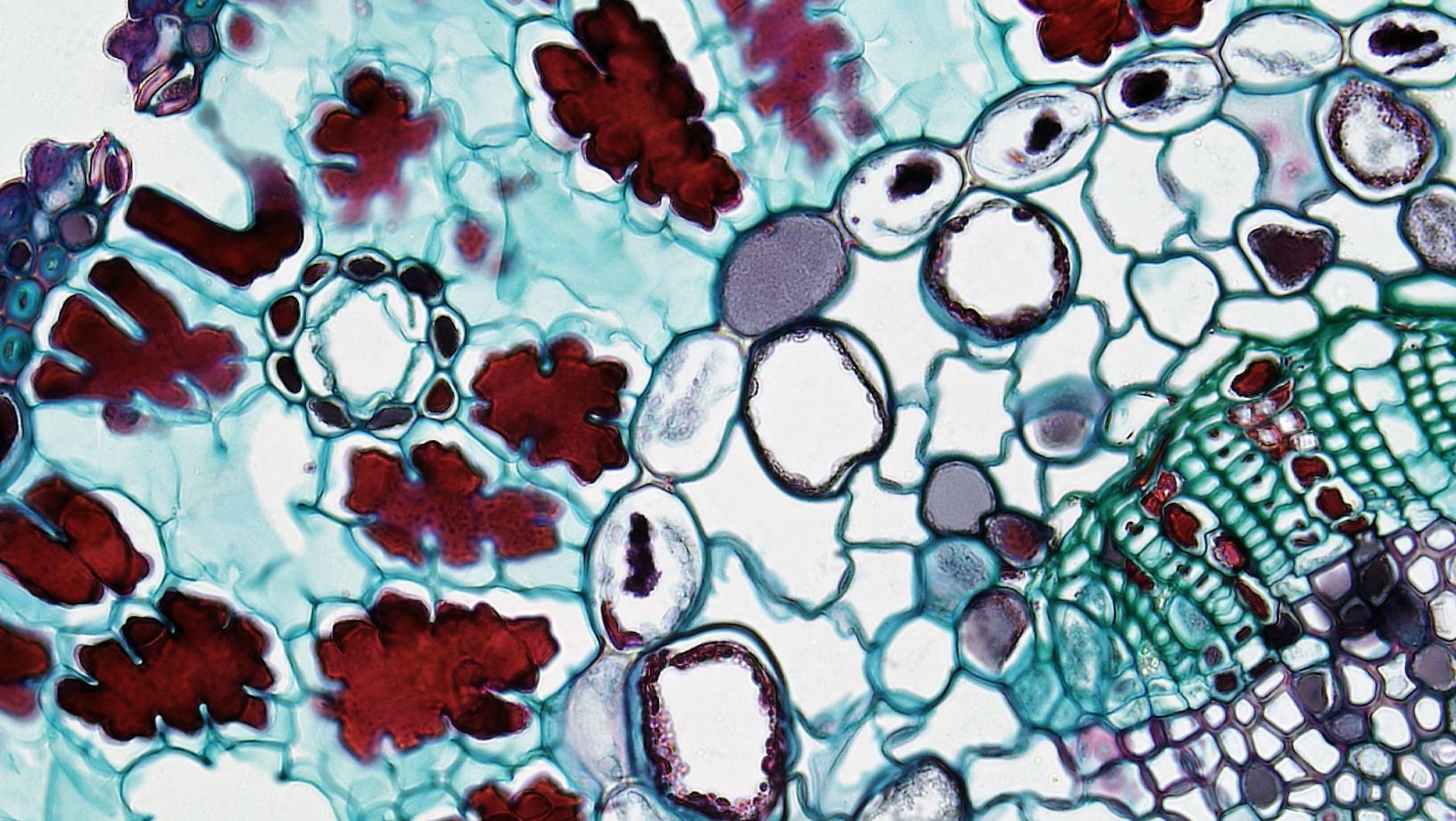
What Are Angiosperms in Biology?
Angiosperms are flowering plants, and their seeds develop inside a fruit that comes from the ovary of the flower. That is the first fact to lock in for Biology 1 and Biology 2, because it separates them from seed plants with exposed seeds.
A flower is the plant’s reproductive structure. It holds the parts that make pollen and ovules, and after fertilization the ovary changes into fruit. An apple, a tomato, and a pea pod all fit that pattern, even though they look nothing alike. That detail feels small, but it saves students from mixing up plant groups on exams.
The catch: Fruit does not mean dessert. In biology, fruit means a mature ovary, and that definition works across 2 very different plants like a cherry and a dry bean.
Students usually meet angiosperms early in an Introduction to Biology II unit because the group includes grasses, lilies, sunflowers, and most food crops. The name comes from Greek roots that point to a “container” for the seed, and that image helps: the seed sits inside a protective shell, not out in the open.
That one structure explains a lot about angiosperm success. Seeds get protection. Fruits help with spread by animals, wind, or water. Flowers help the plant mate without needing a second plant right next to it every time. If you remember only 3 things, remember flowers, enclosed seeds, and fruits.
How Do Angiosperms Reproduce Through Flowers?
A flower runs a 4-step reproduction process: pollen forms, pollination moves that pollen, fertilization joins the gametes, and the ovary becomes fruit. In a lab at Miami Dade College or any Introduction to Biology II course, students often trace that chain in a lily or apple blossom because the parts line up so clearly under a microscope. The process looks delicate, but it drives huge crop yields and most wild plant reproduction.
- Pollen forms in the anther, usually on the stamen.
- Pollination moves pollen to the stigma by wind, bees, or other animals.
- A pollen tube grows toward the ovule, which sits inside the ovary.
- Fertilization joins sperm and egg, and the ovary starts to become fruit.
- The ovules become seeds, often within days to weeks after fertilization.
Reality check: A student who can trace pollen from anther to ovule usually gets the whole unit faster than someone who memorizes 20 random labels.
The flower parts matter because each one has a job. Petals often attract pollinators. Sepals protect the bud. The stigma catches pollen, and the style gives the pollen tube a path inward. In many species, bees do the heavy lifting, and in others wind does the job, which is why grasses can produce so much pollen.
One downside shows up fast: if the flower gets damaged before pollination, seed set drops. That makes flowers efficient, but also fragile in a way gymnosperm cones do not always match.
Learn Biology 2 Online for College Credit
This is one topic inside the full Biology 2 course on UPI Study — a self-paced, online class that earns real college credit. Credits are ACE and NCCRS evaluated and transfer to partner colleges across the US and Canada. Courses start at $250 with no deadlines and lifetime access.
See Biology 2 Course →Which Traits Make Angiosperms So Successful?
Angiosperms dominate plant biology because 1 group combines flowers, fruits, enclosed seeds, and fast reproduction in a way that fits many habitats. More than 300,000 species belong here, which is why students see them in nearly every plant chapter.
- Flowers create clear reproductive organs, so plants can separate pollen making from seed making.
- Enclosed seeds get protection inside fruits, which helps survival after fertilization.
- Fruits spread seeds by animals, water, and wind; a bird can move a seed far in one meal.
- Vessel elements in xylem help many angiosperms move water fast, especially in trees and herbs.
- Many species finish a life cycle in 1 season, which helps them adapt quickly to disturbed land.
- Angiosperms grow in deserts, wetlands, forests, and city edges, from cactus to rice.
- The group includes major crops like wheat, corn, apples, and beans, so humans notice them every day.
Worth knowing: The diversity feels almost unfair: one group covers a 1-meter herb, a 30-meter tree, and a grass that survives mowing.
That range gives angiosperms a huge edge in many ecosystems. They do not win because they look fancy. They win because their body plan works in a lot of places, from wet valleys to dry fields.
A downside exists too. Some angiosperms depend on a narrow pollinator set, and that can hurt them if bees or birds decline.
How Are Angiosperms Different From Gymnosperms?
The main difference is simple: angiosperms enclose seeds inside fruits, while gymnosperms leave seeds exposed on cones or similar structures. That matters in intro plant science because professors love asking students to name the seed type, the reproductive structure, and the example plant in 1 short question.
| Thing | Angiosperms | Gymnosperms |
|---|---|---|
| Seeds | Inside fruit | Naked, exposed |
| Reproductive structure | Flower | Cone |
| Pollination | Wind, insects, birds | Mostly wind |
| Fruit | Present | Absent |
| Common examples | Apple, lily, oak, grass | Pine, spruce, cedar |
| Diversity | Over 300,000 species | Far fewer species |
Bottom line: If you see a flower and a fruit, you are almost always looking at an angiosperm.
Gymnosperms still matter, especially conifers, but they follow a simpler reproductive setup. That simpler setup often means cones and wind pollen instead of colorful flowers and animal pollinators.
Why Do Biology Students Need To Recognize Angiosperms?
Biology students need to spot angiosperms fast because they appear in food webs, lab diagrams, and classification questions in almost every intro unit. In a 16-week semester, one quiz can ask about a flower, a fruit, and a seed all in the same item, and that is not a trick question.
Angiosperms also shape daily life in obvious ways. Wheat, rice, corn, apples, beans, and cotton all come from this group, so the topic shows up in agriculture, ecology, and human nutrition. That wide reach makes the subject feel practical, not decorative. I think that matters, because students remember plant biology better when they see it in the grocery store or in a campus lab.
A student studying online for an Introduction to Biology II course still needs to identify angiosperm traits correctly for ACE NCCRS credit, since plant classification questions often show up on exams tied to Introduction to Biology II content. The language may sound formal, but the skill is plain: look at the plant, spot the flower or fruit, and decide if the seed is enclosed.
There is a limit here. Memorizing 50 plant names will not help much if you cannot tell a fruit from a cone. That gap shows up fast in labs and on transfer credit exams. If you can name 3 traits—flowers, enclosed seeds, and fruit—you can answer the core question with confidence.
Frequently Asked Questions about Angiosperms
If you miss angiosperms, you usually lose easy points on plant ID questions, because they’re the flowering plants that make seeds inside fruits, unlike gymnosperms that make “naked” seeds. You’ll see them in roses, grasses, apples, and oak trees.
Most students memorize both names and stop there, but what actually works is comparing their seed setup: angiosperms keep seeds enclosed in fruit, while gymnosperms keep seeds exposed on cones or scales. Flowers are the other big clue.
Start with flowers, then link each flower part to reproduction: stamens make pollen, pistils hold ovules, and pollination moves pollen to the stigma. That pattern shows up fast in an introduction to biology ii course and on lab quizzes.
The thing that surprises most students is that angiosperms make up the biggest plant group on Earth, with about 300,000 known species. They range from tiny duckweeds to tall palm trees, and that size range makes them easy to spot in plant biology.
A 3-credit introduction to biology ii online course often counts as college credit or transferable credit at cooperating schools, and some programs also use ACE NCCRS credit. If your course covers angiosperms, flowers, and pollination, it usually sits right inside plant biology units.
The most common wrong assumption is that all seed plants are the same, but angiosperms and gymnosperms split at the way they protect seeds. In angiosperms, the ovary becomes fruit after fertilization, and that step matters in every basic botany unit.
This applies to anyone in intro biology, botany, or a general education science class, and it doesn’t apply only to plant majors. If your course says introduction to biology ii, you’ll likely meet angiosperms, pollination, and seed structure in the same unit.
Yes, angiosperms are easy to spot on exams if you look for flowers, fruits, and seeds inside an ovary. One caveat: some plants hide their flowers, so you may have to use the fruit or seed arrangement instead.
Angiosperms matter in an introduction to biology ii course because they show how flowers, pollination, and seed formation work in one clear system. You also learn why they outnumber gymnosperms by a huge margin in most plant kingdom charts.
Angiosperms are flowering plants with enclosed seeds, and that single trait separates them from gymnosperms in every basic biology class. Remember flowers, fruits, pollination, and the fact that they make up the most diverse plant group on the planet.
Final Thoughts on Angiosperms
Angiosperms are the flowering plants with seeds sealed inside fruits, and that one idea carries most of the chapter. Once you know that flowers handle reproduction, fruits protect the seeds, and gymnosperms leave seeds exposed, plant ID gets much easier. Do not get lost in tiny exceptions before you lock in the basics. Biology classes usually reward the student who can name the structure, state the function, and give one clean example like apple, lily, pine, or spruce. That skill matters in lab, on exams, and in any course that asks you to sort plant groups fast. The best part of this topic is how often it shows up outside class. You see angiosperms in crops, trees, weeds, and flowers on a sidewalk crack. That makes the concept feel less like a chart and more like real life. If you are studying plant biology now, start with the 3 parts that never change: flower, fruit, seed. Then practice telling angiosperms from gymnosperms with 5 or 6 examples until the pattern sticks.
How UPI Study credits actually work
Ready to Earn College Credit?
ACE & NCCRS approved · Self-paced · Transfer to colleges · $250/course or $99/month