
Neurons and glial cells are the two main cell types in the nervous system, and they do very different jobs. Neurons carry messages. Glial cells help them work, protect them, and keep the brain and spinal cord in good shape. That split sounds simple, but students often miss the real point: glia are not just background helpers. They shape how signals move, how long neurons survive, and how well the nervous system stays balanced. A neuron can fire an electrical signal in a fraction of a second, while a glial cell can influence that signal by wrapping insulation around the axon, cleaning up chemicals, or feeding the neuron energy. In the brain, glia outnumber neurons in some regions, and that fact alone should make people stop calling them “extra.” If you are taking an introduction to biology ii course, this topic sits right near the center of cell structure and cell function. The most common misconception is that neurons do the real work and glia just hold things together. That idea misses how the nervous system actually runs. A neuron cannot think, move, or sense on its own without support from glia. Both cell types matter, but they matter in different ways, and the nervous system fails fast when either one breaks down.
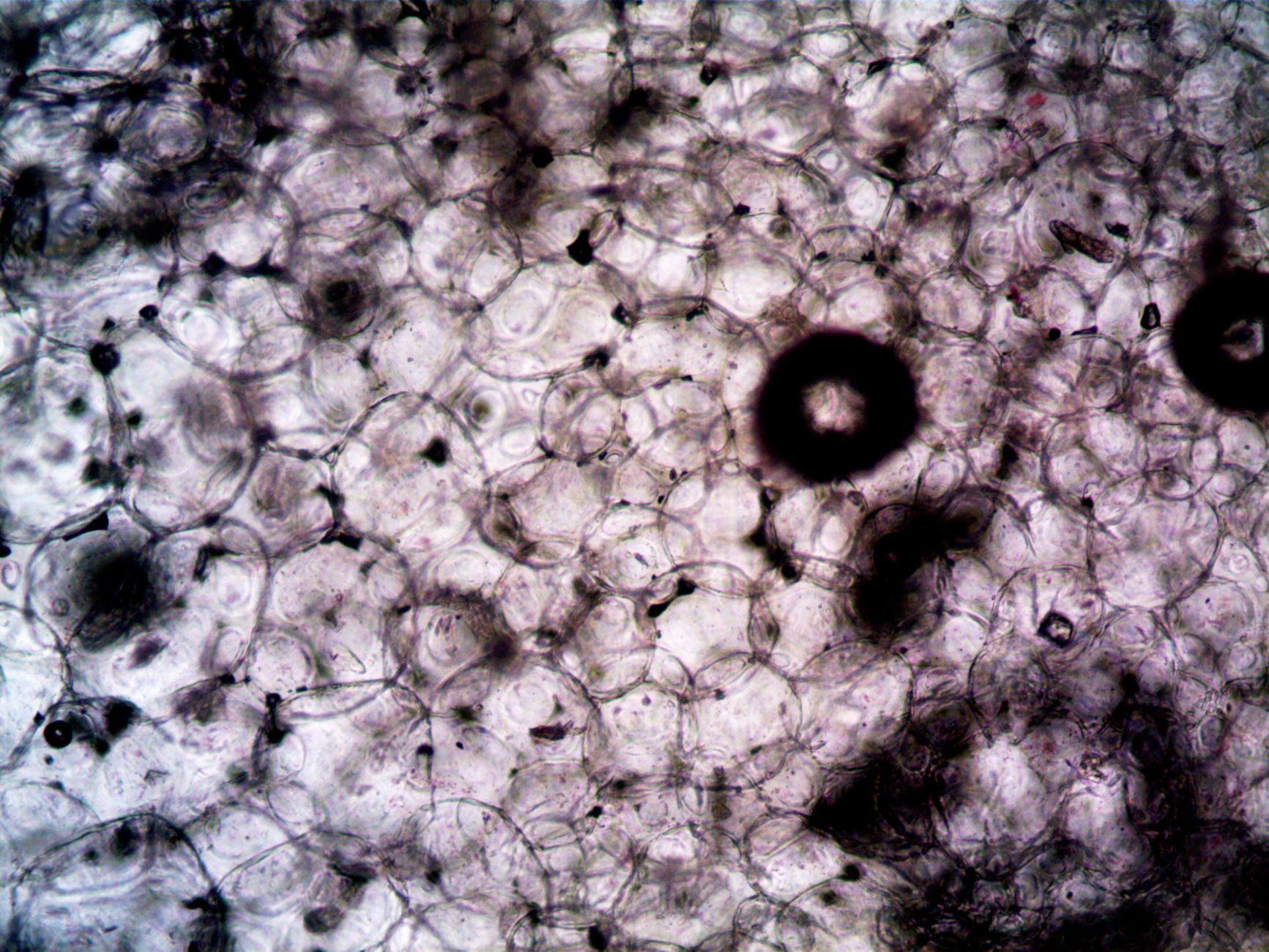
What Are Neurons and Glial Cells?
Neurons and glial cells are the two main cell types in the nervous system, and they share the workload in a 1-2 punch: neurons carry messages, while glia keep the system alive, stable, and responsive. That division matters in every Introduction to Biology II class because it explains how tissue works, not just how cells look under a microscope.
The common mistake is to treat glial cells like spare parts. That idea came from old textbooks, and it still hangs around in bad study notes. Glia do not just “support” neurons in a vague way. They control chemistry, wrap insulation, remove waste, and help repair damage after injury. In some brain regions, glial cells outnumber neurons by about 2 to 1, so calling them extras sounds silly.
Neurons have a shape built for signaling: dendrites, a cell body, and often a long axon that can stretch more than 1 meter in a human body. Glial cells come in several types, like astrocytes, oligodendrocytes, microglia, and Schwann cells. Each one handles a different job, and none of them works as a loose add-on.
The catch: If you only memorize “neurons send signals,” you miss half the story, because glia decide whether those signals stay fast, clean, and useful. That is why the nervous system acts like a team, not a solo performer.
A neuron can fire, but it cannot keep itself healthy for 80 years without help. Glia make the environment around it usable, and that makes the whole system function.
How Do Neurons Send Electrical Signals?
A neuron sends a signal by taking input at its dendrites, combining that input in the cell body, and then sending an action potential down the axon to the terminals. That signal can travel in milliseconds, which is fast enough for reflexes, speech, and movement in a 60-kilogram body. If you are taking Introduction to Biology II, this flow is the part you should picture first.
The cell body acts like a decision point. It adds up incoming signals from many dendrites, and if the total crosses a threshold, the neuron fires. That threshold matters because neurons do not pass along every tiny input. They sort noise from real messages, and that makes the nervous system much more precise than a simple wire.
What this means: One neuron can get input from thousands of other cells, and that makes the axon hillock a real gatekeeper, not just a textbook label.
The axon then carries the action potential away from the cell body. Myelin speeds that trip by insulating the axon, and in myelinated fibers the signal jumps between nodes of Ranvier instead of crawling along the whole membrane. That jump makes conduction much faster, sometimes by more than 100 times compared with an unmyelinated axon. Biology loves shortcuts that still stay controlled.
At the end, the axon terminals meet another cell at a synapse. The neuron does not usually touch the next cell directly. It releases neurotransmitters into a tiny gap, and those chemicals bind to receptors on the next neuron, muscle cell, or gland cell. That handoff feels small, but it decides whether a message keeps going, stops, or changes shape.
A broken myelin layer slows the whole chain, and that is why nerve damage can wreck movement so quickly.
Learn Biology 2 Online for College Credit
This is one topic inside the full Biology 2 course on UPI Study — a self-paced, online class that earns real college credit. Credits are ACE and NCCRS evaluated and transfer to partner colleges across the US and Canada. Courses start at $250 with no deadlines and lifetime access.
See Biology 2 Course →How Are Neurons and Glial Cells Different?
The cleanest way to compare neurons and glial cells is to look at structure, signal use, and job title side by side. Neurons specialize in sending electrical messages; glia specialize in support, insulation, cleanup, and regulation. That split matters in the brain, spinal cord, and peripheral nerves, and it shows up in every Introduction to Biology II course worth its salt.
Reality check: The nervous system does not run on neurons alone, and any explanation that leaves out glia gives you a half-built model.
| Feature | Neurons | Glial Cells |
|---|---|---|
| Structure | Cell body, dendrites, axon | Smaller, varied shapes |
| Main job | Send signals | Support and regulate |
| Electrical activity | Action potentials | No action potentials in most types |
| Communication | Synapses, neurotransmitters | Chemical signals, contact, cleanup |
| Examples | Motor neuron, sensory neuron | Astrocyte, oligodendrocyte, microglia, Schwann cell |
| Where to take it | College biology labs | ACE/NCCRS biology course |
The table hides one big truth: neurons look built for speed, while glia look built for service, defense, and control. That is not a weak role. It is the reason a 2-millimeter synapse can work every second of a 70-year life.
Why Do Glial Cells Matter So Much?
Glial cells matter because they keep neurons alive, efficient, and chemically stable, and the nervous system fails fast without that background work. Astrocytes help feed neurons and regulate ions like potassium, oligodendrocytes make myelin in the central nervous system, microglia act like immune cells, and Schwann cells make myelin in the peripheral nervous system. If you want a clean mental model, think of glia as the maintenance crew that runs 24/7.
Astrocytes do more than fill space. They help control the blood-brain barrier, manage neurotransmitter levels, and keep the fluid around neurons from turning toxic. Oligodendrocytes can wrap one axon segment after another, and a single cell can myelinate parts of many axons at once. That insulation matters because it cuts signal loss and raises speed. The human brain does not waste energy on sloppy wiring.
Microglia act like resident defenders. They respond to injury, remove dead cells, and shape inflammation when tissue gets damaged. Schwann cells do a similar insulation job in peripheral nerves, and they also help guide regrowth after injury. That difference matters because a cut nerve in the hand does not heal the same way as damage in the brain.
Worth knowing: Glia also help clear waste products and hold the chemical environment steady, which sounds boring until you realize that a tiny shift in ions can change how a neuron fires.
A lot of students think “support” means passive. It does not. Glia actively set the stage for signaling, and without that stage, neurons lose speed, accuracy, and survival odds.
What Happens When Neurons Or Glia Fail?
When neurons or glial cells fail, the whole nervous system starts to misfire, because signaling, insulation, cleanup, and repair all depend on both cell types working together. A damaged myelin layer can slow conduction by a huge margin, and inflammation can block normal communication in just days or weeks. That is why disorders like multiple sclerosis, peripheral neuropathy, and some forms of brain injury cause such messy symptoms across movement, learning, and sensation. One broken link can shake the whole chain.
- Slowed signaling: damaged myelin can cut conduction speed by 10x or more.
- Poor repair: injured axons in the CNS regrow far less easily than in the PNS.
- Inflammation: overactive microglia can harm nearby neurons.
- Impaired learning: unstable synapses weaken memory and attention.
- Movement trouble: disrupted motor pathways can affect gait, grip, and balance.
Frequently Asked Questions about Neurons And Glia
This applies to you if you need a basic intro to neurons and glial cells; it doesn't fit you if you're already comfortable with axons, dendrites, and myelin. In an introduction to biology ii course, you'll usually meet both cell types in 1 unit on nervous system structure.
You need to know 2 main types: neurons and glial cells, and neurons carry signals while glia support them. A neuron can fire electrical impulses in milliseconds, while glia help with insulation, cleanup, and chemical balance.
If you mix them up, you'll miss how the nervous system actually works, and that can sink questions on signal flow, myelin, and support cells. Neurons send messages; glia keep those messages moving by protecting cells and keeping ions and nutrients in balance.
What surprises most students is that glial cells outnumber neurons in several parts of the brain, and they do far more than just 'fill space.' Glia can form myelin, defend against damage, and help neurons survive for years.
The most common wrong assumption is that neurons do all the work and glia are just support extras. That's wrong; glial cells help create the environment neurons need for fast signaling, and without them, nerve impulses slow down or fail.
Most students memorize neuron parts like axon and dendrite, but what actually works is linking each part to signal flow and then pairing that with glial jobs. In an online course, that habit helps you earn transferable credit because it sticks past one test.
Neurons send electrical and chemical signals, and glial cells keep those signals stable by supplying support, insulation, and protection. In the central nervous system, astrocytes, oligodendrocytes, and microglia each do a different job, so one cell type can't replace the other.
Start by drawing one neuron and labeling the cell body, axon, dendrites, and myelin, then add 3 glial types next to it. That simple sketch helps you see where ace nccrs credit topics usually ask you to compare structure and function.
No, neurons and glial cells differ a lot in shape and size, and neurons usually have long branches for communication while glia stay smaller and more varied. A neuron may stretch 1 meter or more in a human body, while many glia stay near the cells they support.
Glial cells don't send the same fast electrical impulses that neurons do, but they can send chemical messages and shape how neurons fire. That's why glia matter in pain, memory, and repair, even though neurons handle the main signal line.
Neurons need glial cells because glia feed them, shield them, and help them fire correctly, especially through myelin and chemical cleanup. Without glia, neurons lose support fast, and the nervous system can't keep up with constant signaling.
This topic shows up in intro biology exams, so you can use it in a college credit path through an introduction to biology ii course or an online course. If your course offers ace nccrs credit, the neuron-versus-glia unit often appears in quizzes, lab work, and final exams.
Final Thoughts on Neurons And Glia
Neurons and glial cells do different jobs, but neither one can carry the nervous system alone. Neurons send the messages that let you move, sense, think, and remember. Glia keep those messages fast, clean, insulated, and safe. That split explains why a nervous system can fail in so many ways when one cell type breaks down. The biggest student mistake is treating glia like filler. They are not filler. Astrocytes, oligodendrocytes, microglia, and Schwann cells each shape how neurons survive and how signals move. If myelin fails, speed drops. If cleanup fails, debris piles up. If immune defense goes off track, inflammation spreads. The system gets messy fast. Hold onto the structure too. Dendrites receive input. The cell body decides what matters. The axon sends the action potential. The synapse hands off the message with neurotransmitters. That sequence shows how neurons work like signal units, not random cells with long arms. If you are studying for class, draw the two cell types side by side and label what each one does in 3 words or fewer. That quick sketch sticks better than a page of definitions. Then test yourself on this simple question: which cell sends the message, and which cell keeps the whole network working?
How UPI Study credits actually work
Ready to Earn College Credit?
ACE & NCCRS approved · Self-paced · Transfer to colleges · $250/course or $99/month