
Roots in plants are the usually underground organ system that anchors the plant, pulls in water and minerals, stores food, and connects to xylem and phloem for transport. That sounds simple, but the work roots do decides whether a seedling survives a dry week, a storm, or a low-nutrient soil. Think of roots as the plant’s hidden support team. A corn plant and a carrot do not use roots in the same way, yet both depend on the same basic biology: a root cap protects the tip, new cells form near the meristem, root hairs grab water, and vascular tissue moves materials to stems and leaves. The structure matches the job. This topic fits right in an introduction to biology ii course because it connects anatomy, transport, and survival in one place. If you understand roots, you also understand why plants grow toward light, why watering matters, and why some roots swell into storage organs while others spread out like a net. Roots also matter in college credit biology classes because teachers often test structure and function together, not as separate facts. One more thing: roots do not just sit in soil and wait. They grow, branch, sense moisture, and respond to mineral levels. That makes them one of the most active parts of the plant, even though you rarely see them.
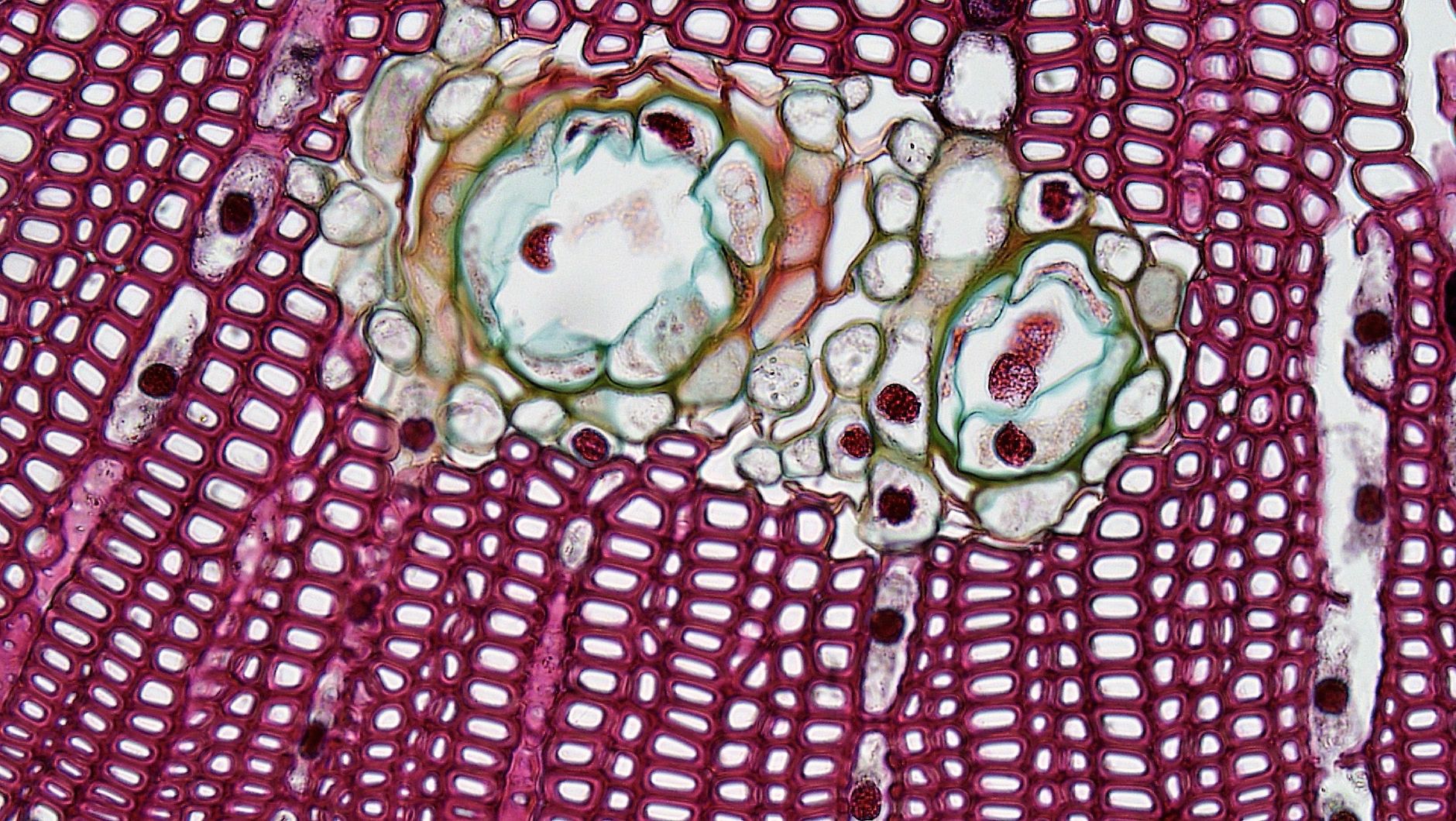
What Are Roots in Plants Made Of?
Roots in plants are built from several parts that work together: a root cap at the tip, a meristem where cells divide, an elongation zone where cells stretch, and tissues such as the epidermis, cortex, endodermis, xylem, and phloem. That layout gives the root a 3-part job at once: protect, absorb, and move.
The root cap acts like a helmet. It shields the tip as the root pushes through soil particles that can be rough, dry, or packed tight. Just behind it, the meristem keeps making new cells, often for the whole life of the plant. The elongation zone then lengthens those cells fast, which is why roots can extend several millimeters per day in active growth.
The outer epidermis often bears root hairs. Those tiny outgrowths may last only days, but they create a huge surface area for water uptake. Inside that, the cortex stores some food and helps move water inward. The endodermis acts like a gatekeeper, and its Casparian strip forces water and dissolved ions to cross cell membranes before they enter the vascular tissue.
That control matters. Xylem carries water and minerals upward, while phloem later sends sugars back down from leaves. The catch: root structure looks plain, but each layer has a job that supports anchorage, storage, and transport.
If you sketch a root for Introduction to Biology II, label the tip, the root hairs, and the xylem and phloem. That one diagram can earn more points than a page of memorized words. The design feels almost unfairly efficient.
Why Do Roots Anchor Plants So Well?
Roots anchor plants by spreading below the soil in many directions, gripping particles, and resisting forces like wind, rain, and gravity. A young seedling with only 1 main root can topple fast, while a mature plant with dozens of lateral roots holds much better because the load spreads across a wider underground base.
This is not just about staying upright. Anchorage helps a plant keep its leaves in the light, keep stems from snapping, and keep fine roots in contact with soil water. In dry ground, root branching matters even more, because a branched system can reach more pockets of moisture than a single straight root. Root architecture gets underrated in most classes, and that is a mistake.
Reality check: A plant that cannot hold itself in place loses time, water, and access to minerals every time the soil shifts. Wind on a 2-meter sunflower or a heavy rain on a young bean can stress the stem, but a strong root network cuts that risk.
Roots also help plants compete. In crowded soil, the plants with better spread and deeper anchorage often get first access to water after a 10-day dry spell. That edge can decide whether growth continues or stops.
For a clean review, compare shallow roots in grasses with deeper taproots in many dicots. If you want a second biology source, this biology course page pairs well with plant structure notes, and the anchorage idea shows up again in field ecology. Roots do the quiet work that keeps the whole plant standing.
Learn Biology 2 Online for College Credit
This is one topic inside the full Biology 2 course on UPI Study — a self-paced, online class that earns real college credit. Credits are ACE and NCCRS evaluated and transfer to partner colleges across the US and Canada. Courses start at $250 with no deadlines and lifetime access.
Browse Biology 2 Course →How Do Roots Absorb Water and Minerals?
Roots absorb water and minerals through root hairs, cell membranes, and a controlled path into the vascular tissue, and the process depends on soil moisture, ion concentration, and living cells. A root hair can live only a short time, but it increases surface area so much that one root system can contact thousands of soil particles at once. Water moves mainly by osmosis, while mineral ions often move by diffusion or active transport, especially when the soil holds less of an ion than the root needs. The endodermis then blocks random flow and forces the plant to filter what enters the xylem, which protects the shoot from bad ion mixes or toxic buildup.
What this means: A wet soil with a steep concentration gradient speeds uptake, while dry soil slows it down hard.
- Root hairs can raise absorption area by several times, which matters in compact soil.
- Water enters when the root’s water potential stays lower than the soil’s.
- Mineral ions like nitrate and potassium often need active transport.
- The endodermis checks entry before xylem moves water upward 10s of centimeters or more.
- Soil moisture below a critical level cuts uptake fast, even if minerals remain present.
If you study this for Introduction to Biology II, focus on the logic, not just the terms. Osmosis moves water because the root contains more solutes than the surrounding soil water. Diffusion helps some ions move when the soil concentration is high. Active transport uses energy when the plant must pull ions in against a gradient, and that is where the root spends real metabolic effort.
A dry, sandy patch after 2 rainless weeks can leave the plant with plenty of minerals in the ground but almost no usable water. That is the nasty part of root biology: nutrients alone do not save the plant if water cannot move first.
Which Roots Store Food and Support Growth?
Some roots act as storage organs, and that storage helps plants survive 1 winter, a dry season, or a damaged stem. These roots hold carbohydrates and minerals, then feed new growth when conditions improve.
- Carrot stores sugar in a thickened taproot, which humans eat as a vegetable.
- Beet also stores food in a swollen root, and its red pigment makes the tissue easy to spot.
- Sweet potato stores starch in a tuberous root, not a stem tuber.
- Many perennials use storage roots to restart growth after frost or drought.
- Storage does not replace absorption; the same root system still takes in water and minerals.
- Some roots store nutrients for months, then release them during spring regrowth.
That storage role matters because a plant cannot photosynthesize well after leaf loss, fire, or 3 weeks of drought. A root reserve gives it a backup plan. This part of plant biology shows how plants plan ahead without a brain.
If you want a second course match, Environmental Science connects storage roots to drought stress and seasonal cycles in a clean way. The plant world keeps receipts. Roots save the energy bill for later.
How Do Roots Transport Materials Through Plants?
Roots move water and dissolved minerals into xylem, and xylem carries that stream upward through stems to leaves, sometimes over 10 meters in tall trees. That upward flow depends on vascular continuity and transpiration pull, which means water loss from leaves helps pull more water from the roots.
This system links root biology to the whole plant. When a leaf opens its stomata and loses water vapor, the pull travels down the xylem column like a chain. The root then replaces that water by taking up more from the soil. It is a continuous loop, not a one-way pipe. If that column breaks during drought or heat, the plant can wilt fast.
Phloem handles the other direction. After photosynthesis in leaves, sugars move through phloem to roots, fruits, seeds, and young stems. That means roots do not just feed the top half of the plant; the leaves also feed the roots. In a 24-hour cycle, the plant shifts resources back and forth depending on growth needs.
Bottom line: Roots and shoots work as one transport system, and neither side survives long without the other. That fact shows up in almost every basic plant physiology test, and it is one of the smartest ideas in intro biology.
If you compare this with Introduction to Biology II notes, watch for the xylem-phloem split. Xylem carries water up. Phloem moves sugars where the plant needs them most. That simple contrast explains a huge slice of plant growth, from seedling expansion to late-season seed fill.
Frequently Asked Questions about Plant Roots
In a typical plant, roots do 4 main jobs: they anchor the plant, absorb water and minerals, store food, and move water upward through xylem. Roots sit under the soil and help the shoot system stay alive during dry days.
This fits you if you're studying plant structure in a biology class, including introduction to biology ii or an introduction to biology ii course, and it does not fit you if you need a plant-breeding lab guide or a forestry field manual. You get the basic root facts and the biology terms that show up on tests.
What surprises most students is that roots do far more than hold a plant in place. A root hair can take in water and dissolved minerals from soil, and the root can also store starch in plants like carrots and sweet potatoes.
No, roots in plants do much more than anchorage, and that's the full answer. They also absorb water and minerals, store food in some species, and move water into the stem through xylem tissue, which helps the whole plant keep growing.
Most students memorize 'roots hold the plant' and stop there, but what actually works is learning the 4 functions together: anchorage, absorption, storage, and transport. If you connect each job to one tissue, like root hairs or xylem, the facts stick better.
If you get root function wrong, you'll miss questions about water uptake, mineral absorption, and how a plant survives drought. A test might ask why wilting starts when roots fail, and the right answer links root damage to weak water transport and poor support.
The most common wrong assumption is that roots only sit underground and do one simple job. In reality, roots also store sugars, absorb nitrate and phosphate ions, and send water upward so leaves can make food during photosynthesis.
Start by drawing a root tip and labeling the root cap, root hairs, and xylem in 1 quick sketch. If you can name those 3 parts, you can explain how roots protect the plant, absorb water, and move it to the stem.
If you study roots in an online course, you can use that unit in an ace nccrs credit or transferable credit setup when the class carries college credit. A course like roots in plants often appears inside introduction to biology ii, so you study online and still cover the same plant biology terms.
Roots help a plant survive by taking in water and minerals from the soil, then sending them to stems and leaves for growth. They also store food in some plants, which helps the plant make it through cold months or dry periods.
Final Thoughts on Plant Roots
Roots look plain, but they run the whole plant. They hold the plant in soil, pull in water and minerals, store fuel for hard times, and feed the xylem and phloem lines that keep leaves, stems, flowers, and fruits alive. That is a lot of work for an organ most people never see. The structure makes the function make sense. A root cap protects the tip. The meristem makes new cells. Root hairs pull in water. The endodermis filters what enters the vascular tissue. Each part supports the next one, and that chain lets the plant keep growing in a world that changes by the hour. Root biology also shows a bigger lesson in intro biology: survival depends on systems, not single parts. A plant with a weak root network can fail in 1 storm, a 2-week dry spell, or a soil patch with poor minerals. A plant with strong roots gets a real head start. If you are studying for class, draw the root tip from memory, label the main tissues, and connect each one to a job. Do that once, then test yourself again the next day. That is the fastest way to make the topic stick.
How UPI Study credits actually work
Ready to Earn College Credit?
ACE & NCCRS approved · Self-paced · Transfer to colleges · $250/course or $99/month