
Preserving biodiversity means keeping the variety of life on Earth intact at 3 levels: genes, species, and ecosystems. Biology cares about this because life systems work like a web, not a pile of separate parts. When one strand breaks, the whole web can wobble. A forest with 50 tree species usually handles drought better than a forest with 5. A crop with more genetic variety has a better shot at surviving disease. A wetland with many plants, insects, and birds filters water, stores carbon, and supports food chains that reach people. That is the real reason this topic matters. Biodiversity supports food security, medicines, pollination, clean water, and climate regulation. Bees, mangroves, coral reefs, and soil microbes do jobs that money alone cannot replace. Loss does not just remove one species from a list. It can weaken pollination in a farm region, reduce fish stocks in a bay, or make a river less able to clean itself after pollution. Biologists study preserving biodiversity because extinction often starts with damage to habitat, then spreads through food webs, and then shows up in human life as higher prices, lower yields, or weaker ecosystems. A 2023 IPBES report warned that 1 million species face extinction risk from human activity. That number sounds abstract until you connect it to crops, medicine, and water. This is why "what is preserving biodiversity" is not a soft question. It sits at the center of ecology, evolution, and conservation biology.
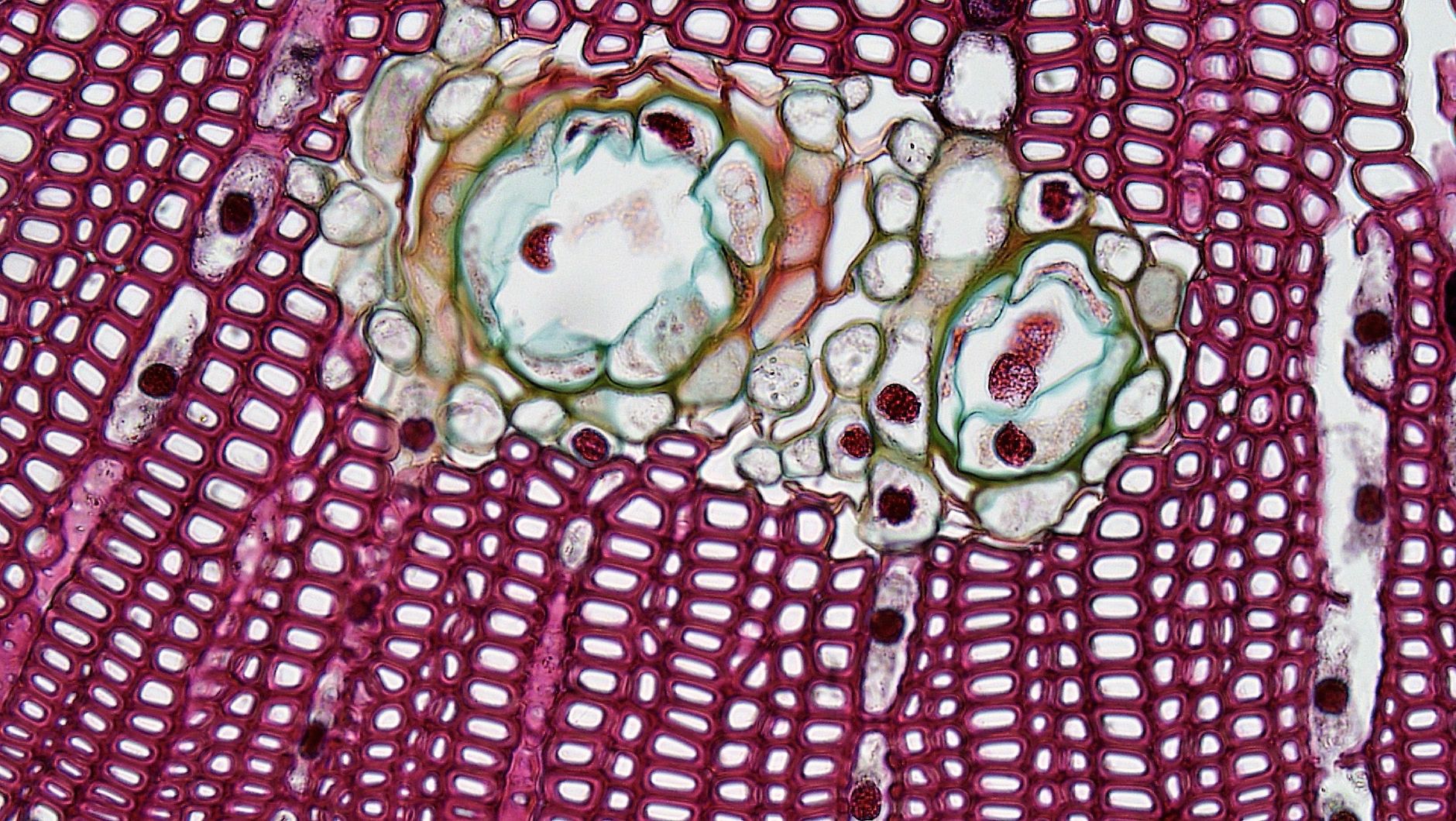
Why Does Preserving Biodiversity Matter?
Preserving biodiversity matters because life on Earth runs on connected systems, and biology shows that diversity keeps those systems working under stress. A 2023 IPBES assessment said about 1 million species face extinction risk, and that scale matters because each species plays a role in food webs, soil, water, or pollination.
Genetic variety helps populations survive shocks. Species variety spreads risk across a habitat. Ecosystem variety, from reefs to grasslands to wetlands, gives nature more than one way to handle drought, fire, disease, and storms. That is not a romantic idea. It is a hard biological fact.
Human well-being sits inside that web. About 75% of global food crops depend at least partly on animal pollination, according to FAO and IPBES estimates, and that includes apples, almonds, cocoa, and coffee. More than 3.5 billion people rely on oceans for at least 20% of their animal protein, so a collapse in marine biodiversity hits dinner tables, not just charts. Medicines matter too: many drugs come from natural compounds, including cancer drugs linked to Pacific yew and sea sponge chemistry.
Hard reality: Biodiversity loss rarely stays local. A swamp drained for housing can raise flood risk, cut bird habitat, and strip nearby farms of natural pest control in one move.
Clean water and climate control also depend on living systems. Wetlands filter sediment and nutrients. Forests store carbon in trunks, roots, and soils. Coral reefs protect coasts from wave energy, and the UN Environment Programme has warned that reefs support hundreds of millions of people through fisheries and coastal defense.
Biology does not treat this as a side issue. It treats preserving biodiversity as a condition for stable ecosystems, not a luxury once everything else gets fixed.
A species can vanish quietly, but the effect often shows up later in lower yields, more disease spread, or weaker recovery after fire or drought.
Which Types Of Biodiversity Need Protection?
Biologists protect 3 levels of biodiversity: genetic diversity, species diversity, and ecosystem diversity. Each one solves a different problem, and losing any one of them makes life less flexible under pressure.
Genetic diversity means differences within a species. In 1970, U.S. corn production nearly collapsed from southern corn leaf blight because most plants shared the same weak cytoplasm. That disaster taught a blunt lesson: if 1 genetic type dominates, 1 disease can do huge damage. More variation gives natural selection something to work with.
Species diversity means a place holds many kinds of organisms. A pond with 30 fish, insect, and amphibian species usually handles change better than a pond with 3. Food webs need multiple links, because one predator, pollinator, or decomposer often supports several other species at once.
What matters most: Genetic diversity helps a species adapt, species diversity keeps food webs from snapping, and ecosystem diversity spreads risk across 2 or 3 habitat types instead of just one.
Ecosystem diversity means the planet keeps a mix of places such as deserts, mangroves, alpine meadows, and tropical forests. That mix matters because a wildfire in one region does not hit every species the same way. A 2022 heat wave in Europe burned forests, dried rivers, and hit wetlands at the same time, but not every habitat failed in the same way.
The point is simple. Biology does not rank these levels as separate trivia facts. It sees them as stacked defenses. Genetic variety protects a species from disease. Species variety keeps interactions alive. Ecosystem variety keeps regional shocks from turning into total collapse.
Learn Biology 2 Online for College Credit
This is one topic inside the full Biology 2 course on UPI Study — a self-paced, online class that earns real college credit. Credits are ACE and NCCRS evaluated and transfer to partner colleges across the US and Canada. Courses start at $250 with no deadlines and lifetime access.
See Biology 2 Course →What Threats Are Reducing Biodiversity Today?
Biologists track 5 big drivers of biodiversity loss because they hit populations through habitat, chemistry, competition, harvest, and climate. The scale is huge: the WWF Living Planet Report 2022 found an average 69% drop in monitored vertebrate populations since 1970, which shows how fast pressure can stack up.
- Habitat loss and fragmentation destroy homes and split populations into small patches. Roads, farms, and cities cut off mating, migration, and seed spread.
- Invasive species outcompete native life because local predators or diseases often do not control them. Zebra mussels, brown tree snakes, and kudzu all changed ecosystems after arrival in new places.
- Pollution harms organisms through toxic buildup, low oxygen, or hormone disruption. Fertilizer runoff can trigger algal blooms, and plastics can block feeding or carry chemicals through food chains.
- Overuse and exploitation remove organisms faster than they can recover. Overfishing, logging, and wildlife trade shrink populations and reduce genetic diversity at the same time.
- Climate change shifts temperature and rainfall patterns faster than many species can adapt. Coral bleaching after marine heat waves, wildfire in dry forests, and earlier spring blooms all show that timing matters.
- Fragmented habitats make small populations more fragile after a single storm, disease outbreak, or fire. A population of 50 animals cannot absorb the same shock as one with 5,000.
How Do Conservation Strategies Preserve Biodiversity?
No single conservation trick saves biodiversity on its own, because threats hit at different scales and time lines. A protected area can shield a rainforest for 20 years, but it will not fix overfishing in a nearby sea or bring back a species that already dropped below 50 breeding adults. Biology works better when conservation mixes protection, use, repair, and backup plans.
- Protected areas guard habitat before it gets broken up by roads, farms, or mining.
- Sustainable use keeps harvest below replacement rates, which matters for fisheries, timber, and wildlife.
- Habitat restoration repairs wetlands, forests, reefs, and grasslands after damage.
- Captive breeding builds backup populations for species with tiny wild numbers, like California condors.
- Reintroduction returns bred or rescued animals to places where habitat and food have recovered.
Practical fix: Restoration works best when the land still holds seeds, soil life, and water flow. If those 3 pieces vanish, recovery gets slow and expensive.
The strongest plans combine tools. A marine reserve can protect a spawning ground, while catch limits keep adults in the water, and coral restoration helps reefs regrow after a 2024 heat event. That layered approach beats wishful thinking.
A blunt limitation sits here too: conservation costs real money and time, and local people still need jobs, food, and housing. When plans ignore that, they fail.
Introduction to Biology II often covers these tools because students need to connect ecology to real decisions, not just memorize terms.
The best conservation strategy usually starts with habitat, then adds management, then uses rescue methods only when the wild population needs help fast.
How Is Preserving Biodiversity Taught In Biology?
An introduction to biology ii course usually teaches preserving biodiversity through population genetics, ecology, evolution, and conservation biology, because those 4 ideas explain why species survive or fail. Students often meet the topic in 15-week semesters, lab units, and case studies that link genes to ecosystems.
Population genetics shows how allele frequencies change across generations. Ecological interactions show how predators, pollinators, parasites, and competitors shape survival. Extinction risk comes from small population size, low genetic variation, and habitat loss, and biology classes often use real examples like cheetah genetics, amphibian disease, or island birds.
Course reality: This topic also shows up in study online settings, college credit discussions, transferable credit, and ace nccrs credit pathways, so students often see it both as biology content and as a credit question.
Conservation biology pulls the pieces together. It asks what happens when a population drops under 100 adults, how corridors help migration, and why a 10% rise in temperature can push a species outside its comfort zone. That mix makes the subject feel alive, not abstract.
this biology course fits that kind of learning because biodiversity is not a side chapter. It sits right next to evolution, ecosystems, and human impact.
A good biology class does not just ask students to name threats. It asks them to explain the mechanism, the scale, and the consequence.
Frequently Asked Questions about Biodiversity
Preserving biodiversity means protecting genetic, species, and ecosystem variety, and biology treats those 3 levels as the base of stable life systems. You lose resilience when one level shrinks, because a forest with 20 tree species handles disease and drought better than a mono-crop stand.
If you get preserving biodiversity wrong, you miss how habitat loss, invasive species, pollution, overuse, and climate change connect to extinction risk and ecosystem collapse. You also lose the logic behind why a wetland, coral reef, or grassland can fail after only 1 or 2 stress hits.
Start with the 3 levels: genetic diversity, species diversity, and ecosystem diversity, then match each one to an example like crop varieties, pollinators, or forests. If you study online in an introduction to biology ii course, that structure also helps you earn college credit or ACE NCCRS credit faster.
The most common wrong assumption is that preserving biodiversity only means saving rare animals, but plants, microbes, and habitats matter just as much. A soil system with many microbes, for instance, can hold nutrients better and recover faster after drought or pollution.
No, preserving biodiversity also means restoring damaged places, using resources at a sustainable rate, and keeping species alive through captive breeding when wild numbers crash. National parks help, but river cleanup, native plant replanting, and seed banks also matter.
What surprises most students is how fast human pressure stacks up: habitat loss, invasive species, pollution, overuse, and climate change often hit the same ecosystem at once. A coral reef can face warming water, runoff, and overfishing in the same season.
Most students memorize threat lists, but what actually works is linking each threat to one conservation tool, like protected areas for habitat loss or restoration for damaged wetlands. That simple pairing helps in biology exams and in an introduction to biology ii online course.
This applies to anyone studying biology, environmental science, or conservation, and it does not depend on one country, one job, or one age group. A high school student, a college learner, and a policy maker all deal with the same 3 biodiversity levels.
Protected areas help by limiting land clearing, hunting, and development in places with high species richness or rare endemics. A reserve can protect nesting sites, migration routes, and breeding grounds at the same time, which gives populations a better shot at recovery.
Yes, sustainable use keeps harvest rates below the point where populations crash, and captive breeding protects species that have fallen too low in the wild. Zoos, botanical gardens, and seed banks all support this work, but they only help when habitat protection also continues.
Final Thoughts on Biodiversity
Preserving biodiversity sounds broad until you break it into the parts biology actually studies. Genes help species adapt. Species keep food webs standing. Ecosystems spread risk across forests, reefs, wetlands, grasslands, and oceans. Once you see those layers, the topic stops feeling like a slogan and starts looking like a working system. The threats line up just as clearly. Habitat loss cuts home ranges. Invasive species tilt competition. Pollution changes chemistry. Overuse drains populations. Climate change shifts the rules faster than many organisms can respond. None of those pressures acts alone for long. They pile up. That is why conservation has to use more than one tool. Protected areas buy time. Restoration repairs damage. Sustainable use slows decline. Captive breeding and reintroduction help species that already sit near the edge. Biology does not promise easy fixes, and that honesty matters. The best part of this topic is that it links science to daily life without pretending that connection is neat or tidy. Food prices, water quality, flood risk, medicines, and even the color of a spring forest all trace back to biodiversity in one way or another. If you want to understand modern biology, this subject belongs near the center, not in the margins. Start with the three levels of diversity, then trace one threat and one conservation tool all the way through to a real ecosystem. That is where the subject starts to make sense.
How UPI Study credits actually work
Ready to Earn College Credit?
ACE & NCCRS approved · Self-paced · Transfer to colleges · $250/course or $99/month