
Biodiversity matters because people live inside living systems, not outside them. The air you breathe, the food on your plate, the water you drink, and many medicines in use today all depend on plants, animals, fungi, and microbes working together across forests, farms, rivers, and oceans. That is the real answer to why is biodiversity important to human life. The biggest mistake students make is thinking biodiversity only means saving rare animals like pandas or tigers. That picture is too small. A healthy patch of soil can hold billions of microbes in one gram, and those tiny organisms help break down waste, feed crops, and keep nutrients moving. Bees, bats, birds, coral reefs, mangroves, and grasses all do work that people rarely notice until something breaks. A field with one crop can look neat, but it often fails harder when drought, pests, or disease hit. A living system with many species handles stress better. That matters for food, clean water, stable weather, and even the next drug scientists may find in a plant or fungus. This is why the importance of biodiversity to human life shows up in daily life, not just in nature documentaries. It also explains why an introduction to biology ii course keeps coming back to ecosystems, genes, and population change: those topics shape real human survival. If you want the short version, biodiversity keeps the systems around us working, and people pay the price fast when those systems weaken.
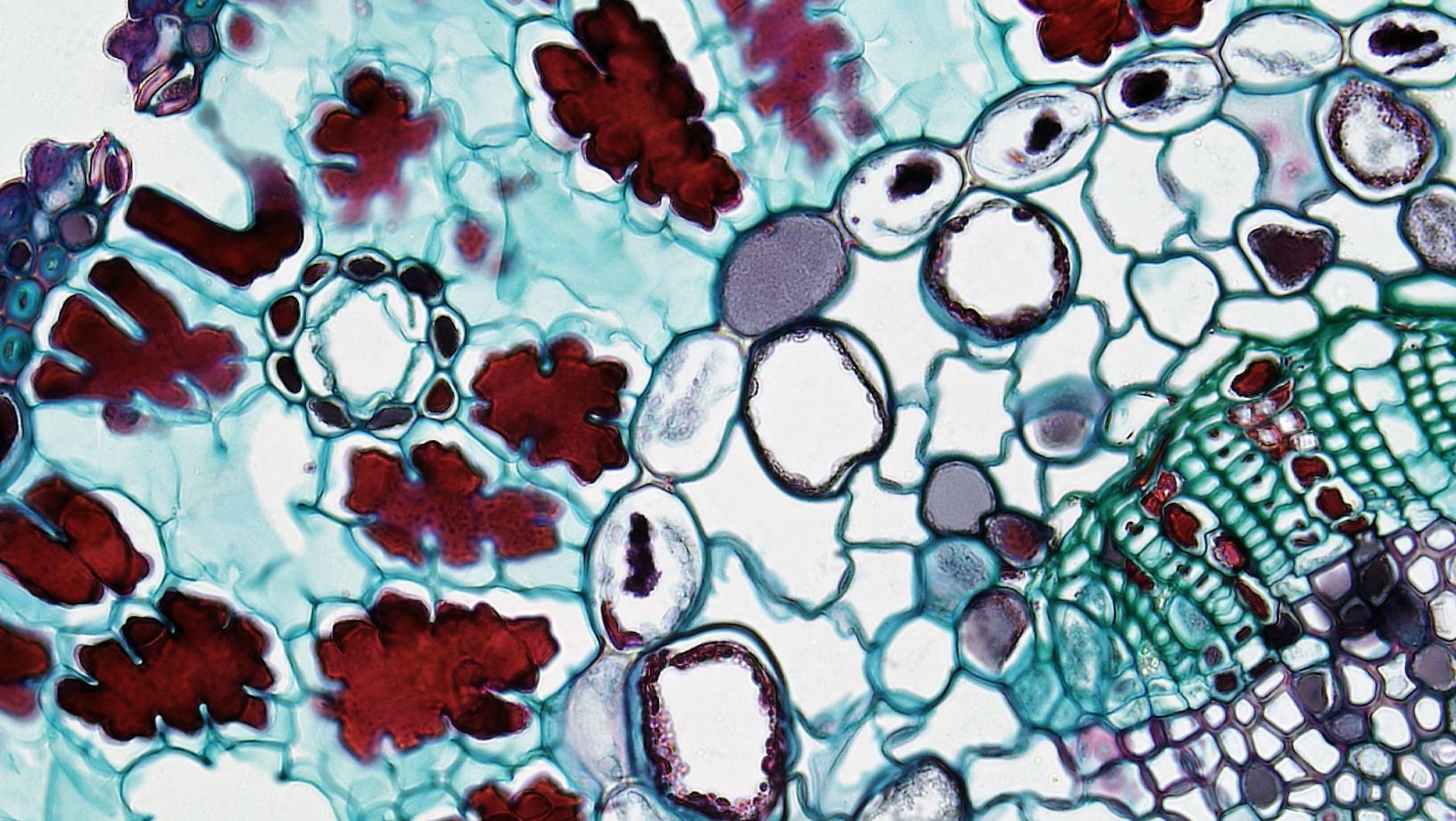
Why Is Biodiversity Important to Human Life?
Biodiversity means the full mix of life on Earth, from genes and species to habitats and ecosystems, and humans depend on that mix for food, water, medicine, and stable weather. A 2024 ecology class should treat biodiversity as a support system, not a decoration.
The catch: Most students think biodiversity only matters when a rare animal gets saved, but the daily work comes from ordinary species like fungi, algae, insects, and grasses. One gram of healthy soil can hold billions of microbes, and those tiny helpers drive decomposition, nutrient cycling, and plant growth.
That is why a rice field, a coral reef, and a city wetland all matter in different ways. A reef can support fisheries for coastal communities, while wetland plants can filter polluted runoff before it reaches drinking water. The point is simple: humans do not survive on one species at a time; we survive through whole systems that involve thousands of interactions.
The idea also matters in an introduction to biology ii course because biology keeps showing the same pattern at every scale. Genes help species adapt, species shape ecosystems, and ecosystems support people. When one part breaks, the damage does not stay local for long. A mosquito outbreak, a crop fungus, or a polluted stream can move from a science lesson to a family budget fast.
I think this is where people get too casual. They see biodiversity as a nice extra, then act shocked when floods, pests, or food shortages hit harder than expected. That reaction ignores how much work living systems do for free every day. A healthy planet does not need applause, but people need it badly.
How Does Biodiversity Provide Food and Medicine?
Biodiversity keeps food supplies steady by giving farmers many crop types, wild relatives, livestock breeds, pollinators, and soil organisms that can handle drought, pests, and changing temperatures. The Food and Agriculture Organization has warned that more than 75% of crop types depend in some way on pollinators, so losing bees, butterflies, bats, and beetles hits human diets fast.
Reality check: A field with 1 crop looks efficient, but it can fail hard when one pest or virus spreads. Diverse farms work better because one bad season does not wipe out everything at once, and wild relatives of wheat, rice, and maize give breeders traits like heat tolerance and disease resistance.
Medicine tells the same story. Aspirin traces back to salicin in willow bark, and cancer drugs such as paclitaxel came from the Pacific yew. Scientists still screen plants, fungi, marine organisms, and microbes for useful compounds, because nature has spent millions of years testing chemistry that people can copy or refine.
Genetic diversity inside a species matters too. A herd with more genetic variation can resist disease better than a herd that all looks the same, and crop varieties with different traits can handle 2 very different weather patterns in the same year. That is not a small detail. It can decide whether a harvest survives.
Worth knowing: Food and medicine both depend on variety, not just volume. Cheap-looking monocultures can hide real risk, and when they fail, the bill lands on families, hospitals, and local markets.
Learn Biology 2 Online for College Credit
This is one topic inside the full Biology 2 course on UPI Study — a self-paced, online class that earns real college credit. Credits are ACE and NCCRS evaluated and transfer to partner colleges across the US and Canada. Courses start at $250 with no deadlines and lifetime access.
Browse Biology 2 Course →Which Ecosystem Services Depend on Biodiversity?
People rely on biodiversity for services that never show up as separate line items on a grocery receipt, a water bill, or a flood map, yet they shape all 3. The Millennium Ecosystem Assessment grouped these services in 2005, and the list below shows how they affect daily life.
- Pollination supports fruit, nut, and seed production, which keeps diets varied and improves nutrition.
- Clean water filtration happens when wetlands, microbes, and roots trap sediment and break down pollutants before water reaches taps.
- Soil formation and fertility depend on fungi, worms, and bacteria that recycle nutrients and build structure for crops.
- Pest control improves when birds, bats, spiders, and parasitic insects keep crop pests from exploding across fields.
- Carbon storage in forests, mangroves, and peatlands slows warming by holding carbon instead of releasing it into the air.
- Oxygen production comes from plants, algae, and ocean plankton, which keep the atmosphere fit for animal life.
- Flood buffering happens when mangroves, marshes, and floodplains absorb water, which lowers damage to homes, roads, and farms.
How Does Biodiversity Protect Water, Soil, and Climate?
Biodiversity protects water, soil, and climate by acting like natural infrastructure that slows damage before it reaches people. Forests, wetlands, grasslands, coral reefs, and rich soil communities all work together to store water, hold carbon, and reduce erosion across entire watersheds.
A forest with many tree species usually handles pests and storms better than a single-species stand, and its roots hold soil in place during heavy rain. Wetlands can store floodwater and filter runoff, which helps keep rivers cleaner and lowers treatment costs for cities. Coral reefs do a similar job along coasts by weakening wave energy before it smashes shorelines. That matters in places hit by hurricanes, cyclones, and sea-level rise.
Bottom line: Healthy ecosystems act like cheap protection that people already own, and once they break, replacement gets expensive fast. Engineers can build levees and treatment plants, but those systems cost millions and still need upkeep. Nature does part of that work for free, as long as the living pieces stay intact.
Soil biota matter here too. Earthworms, fungi, and bacteria help soil hold water and air, which supports roots through dry spells and heavy rain. A 10% loss of topsoil can cut crop yields and weaken water quality, and that kind of damage spreads through farms, towns, and food prices. Climate regulation also depends on living systems that store carbon in trees, peat, grasslands, and ocean habitats. Remove too much biodiversity, and the whole buffer gets thinner.
What Happens When Biodiversity Declines?
Biodiversity loss raises food insecurity, disease risk, economic damage, and exposure to droughts, floods, and crop failure because people lose the natural systems that keep farms, water, and climate steady. The IPBES 2019 report said up to 1 million species face extinction risk, and that is not a distant problem. It shows up in lower harvests, weaker soils, and costlier water treatment right now. Environmental Science
Reality check: The damage rarely starts with one dramatic collapse; it starts with small losses in pollinators, wetlands, or soil life that stack up over 5 or 10 years.
- Fewer pollinators can cut fruit and seed harvests, which raises food prices.
- Weaker soils hold less water, so drought hits crops harder.
- Poorer water quality raises treatment costs and disease risk.
- Less genetic diversity makes medicines and crops less reliable under stress.
- Lower climate resilience makes floods, heat, and storm damage worse.
The catch: People often notice biodiversity loss only after a bad season, but the real cost starts much earlier. A salmon run can collapse, a wetland can dry out, or a crop pest can spread across 2 counties before the public connects the dots.
That delay is dangerous. It lets decision-makers treat living systems like extras instead of infrastructure, and that mindset always gets expensive. If a region loses bees, mangroves, or forest cover, families do not just lose species; they lose income, food options, and protection from the next shock.
Frequently Asked Questions about Biodiversity
Around 75% of global food crop types depend at least partly on animal pollination, and more than 50,000 plant species have documented medicinal uses. That’s why biodiversity matters to your food supply, your health, and your daily survival.
Start with ecosystems that people use every day: forests, wetlands, oceans, and soil all hold species that clean water, build fertile ground, and support food webs. In an introduction to biology ii course, that’s the clearest way to show how living systems keep people alive.
You miss how people lose food, medicine, and clean water when species disappear, and that can lead to lower crop yields, weaker soils, and faster spread of pests. A collapse in one habitat can hit farms, fisheries, and drinking water at the same time.
Yes, biodiversity helps people by storing carbon, filtering water, and keeping soils healthy, but those jobs work best when ecosystems stay intact. A single forest or wetland can do all three, while damaged land loses each service fast.
Most students skim terms like pollination and soil health, but real learning comes from connecting each service to a human need, like food, medicine, or clean water. If you study online for an introduction to biology ii online course, match each species group to one job.
The most common wrong assumption is that biodiversity only matters for plants and animals, not people, but human life depends on those systems every day. If you're taking an introduction to biology ii course for college credit, that link is part of the science, not extra material.
What surprises most students is that tiny organisms in soil can matter as much as big animals because they break down dead matter and release nutrients plants need. Without healthy microbes, crop growth drops and food systems get weaker fast.
This applies to anyone learning biology, farming, public health, or environmental science, and it doesn't stop at one country because ecosystems support people in every region. If you're looking at ACE NCCRS credit or transferable credit, the science topic still centers on how biodiversity supports human life.
Biodiversity gives you the raw material for many medicines, including compounds from plants, fungi, and microbes, and scientists have studied over 50,000 medicinal plant species worldwide. That matters because losing species also means losing future drugs you haven't discovered yet.
You should care because biodiversity keeps food, clean water, soil, and climate systems working, and those services affect your grades, health, and budget. If a polluted river or failing pollinator population cuts supply, the damage reaches farms, grocery prices, and local communities.
Final Thoughts on Biodiversity
Biodiversity matters because life runs on connection. A forest does not just hold trees. A wetland does not just hold water. A pollinator does not just visit flowers. Each one supports food, medicine, soil, water, and climate in ways people feel when things go wrong. The hardest part is that biodiversity loss often looks slow at first. One missing species may seem small. A few drier springs may seem normal. A slight drop in crop yield may seem like bad luck. Then the pattern turns into higher food costs, weaker harvests, dirtier water, and more damage from storms or heat. That is why conservation is not just about saving pretty places. It protects the systems that keep cities running and farms producing. Students who study biology, environmental science, or public health keep running into the same truth: species richness helps human life stay stable under pressure, and fewer living options means more risk for everyone. Pay attention to the living systems around you. The next time a river looks muddy, a bee disappears, or a heat wave dries out a field, ask what changed in the web beneath it.
How UPI Study credits actually work
Ready to Earn College Credit?
ACE & NCCRS approved · Self-paced · Transfer to colleges · $250/course or $99/month