
Workplace privacy in business law means the limited privacy workers keep over their bodies, messages, devices, files, and personal data while they are on the job. Employers can still run the business, protect property, watch for theft, and set rules for conduct, but they cannot ignore every privacy interest. The law tries to draw a line between fair supervision and overreach. That line changes with the setting. A private office, a shared warehouse, a hospital floor, and a government agency do not all treat privacy the same way. A worker in a public agency may have constitutional protections in some situations, while a worker in a private company often relies more on state law, federal statutes, and the company handbook. That difference matters a lot in a business law course, because the legal source controls the result. Students also need to see the practical side. A company may monitor email on a work laptop, review a locker after a theft report, or limit phone use during a 12-hour shift. Those moves can be legal when the employer gives notice and has a real business reason. They can also cross a line when they go too far or target private information with no good reason. The hard part is not spotting privacy. The hard part is seeing how much privacy survives once a person walks through the workplace door.
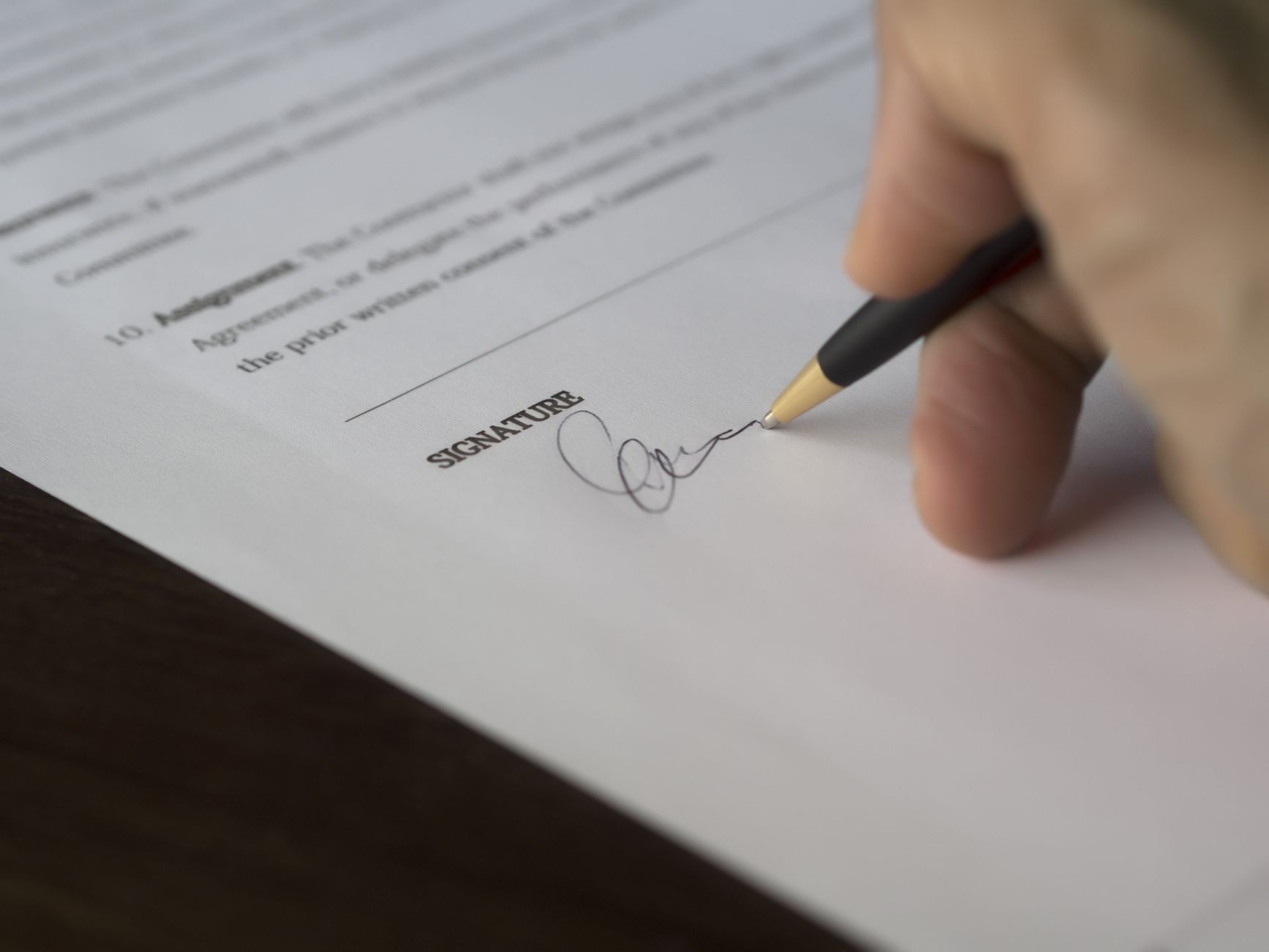
What Does Workplace Privacy Mean In Business Law?
Workplace privacy in business law means a worker’s limited expectation that certain things stay personal at work, including body searches, messages, bags, files, and personal data. That expectation never works like home privacy, and courts usually measure it against the employer’s need to supervise, protect property, and keep operations moving in a 40-hour week.
The catch: Privacy at work depends on context, not wishes. A worker using a company laptop, a shared email account, or a badge-access room usually has less privacy than someone handling a sealed personal phone in a break area.
That is why a manager can often review work email on a company server, but a deep look through a lunch bag or a personal phone raises a much bigger legal question. The law asks whether the worker had notice, whether the space belonged to the employer, and whether the intrusion fit a real business reason like theft control or safety checks. A warehouse, a hospital, and a call center do not get treated the same way.
Business law matters here because it gives both sides rules. Employers get the right to manage staff, use cameras, and protect trade secrets. Employees keep some protection against random snooping, humiliating searches, and data grabs that go past the job. I think students miss this when they treat privacy like an all-or-nothing switch. It is not. It shifts with the device, the location, and the policy.
The weak spot shows up fast in places with shared tools. A single copier room, a common locker bank, or a time clock near the door can cut privacy down a lot, especially when the handbook says the company may inspect items after a theft report or misconduct complaint.
Where Do Workplace Privacy Rights Come From?
Workplace privacy rights come from 4 main places: the Constitution, statutes, common-law privacy claims, and contract-like promises in handbooks or policies. Public employees often look first to the Fourth Amendment and related state constitutional rules, while private-sector workers usually depend more on laws like the Electronic Communications Privacy Act of 1986, state wiretap laws, and tort claims such as intrusion upon seclusion.
Worth knowing: Public jobs and private jobs do not play by the same privacy script. A city clerk, a public-school teacher, and a county nurse may raise constitutional claims that a retail worker cannot use in the same way.
Private workers usually have to lean on statutes and common law because the Constitution mainly limits government action, not a private company’s choices. That is a big deal in a business law course, and it explains why a policy in a 30-page employee handbook can matter almost as much as a statute. If the handbook says the company may inspect desks, emails, or company phones, a worker’s claim gets weaker fast.
State law can add more protection. Some states limit recording, GPS tracking, or access to social media accounts, and some treat medical or genetic data with extra care. Federal law also matters in narrow spots, like the Americans with Disabilities Act, the Family and Medical Leave Act, and laws that protect certain health records. The details change by state, but the pattern stays the same: source matters.
A written policy can create expectations too. If a company promises 24-hour notice before a locker search or says it will not read personal messages on bring-your-own-device systems, that promise can shape the legal fight. I like this part of business law because it feels concrete. Paper rules can change real rights.
When Can Employers Monitor Workplace Privacy?
Employers can often monitor work systems when they give notice, own the device, and have a business reason. The law usually looks harder at personal devices than at company systems, and a posted policy can change the privacy picture in a matter of 1 page.
- Email and internet monitoring often stays lawful on company systems, especially when the handbook says the company may review traffic for security or productivity.
- Video surveillance usually works in common areas like entrances, floors, and parking lots, but cameras in bathrooms or changing rooms cross a bright line in almost every state.
- Keylogging and screen capture can be allowed on employer-owned computers when the company warns workers in writing and uses the data for fraud control or system security.
- GPS tracking on company vehicles often passes legal review when the employer owns the car and tells the employee the device records location every few minutes.
- Review of company phones and tablets usually gets stronger support than review of personal phones, especially after a clear policy and signed consent form.
- Monitoring with no notice can still create problems, because surprise tracking can look sneaky and unfair even when the employer has a real business goal.
Business law study help often makes more sense once students see how notice and ownership change the result.
Reality check: A policy beats a hunch. Courts care a lot more about written notice dated 2024 or 2025 than about a manager saying, “I had a feeling.”
Learn Business Law Online for College Credit
This is one topic inside the full Business Law course on UPI Study — a self-paced, online class that earns real college credit. Credits are ACE and NCCRS evaluated and transfer to partner colleges across the US and Canada. Courses start at $250 with no deadlines and lifetime access.
See Business Law Course →Which Searches And Inspections Are Usually Allowed?
Searches and inspections usually turn on ownership, notice, and how invasive the search feels. A quick look inside a company desk is not the same as a full search of a personal bag, and courts often treat a phone search as far more intrusive than a glance at a locker key.
- If the employer owns the space or item, the worker usually has less privacy there, especially with desks, lockers, company vehicles, and shared storage areas.
- If the handbook gives notice, the employer’s position gets stronger. A warning signed at hire or during the first 30 days often matters more than a surprise search months later.
- If the search stays narrow, courts usually like it more. Checking a locked cabinet after a theft report looks less severe than copying every text message on a phone.
- If the employer has a safety or theft reason, the search stands on firmer ground. A 2-minute bag check at a factory gate often looks more reasonable than a 2-hour sweep of a personal office.
- If the search targets personal property, the employer needs a better reason and a lighter touch. A vehicle search after a missing tool complaint often works better than opening a purse with no warning.
Business law casework gets easier when students ask who owns the item, who warned whom, and what the employer was trying to stop.
Bottom line: A search that starts small and fits the problem usually holds up better than a broad fishing expedition.
Why Do Public Safety Concerns Limit Privacy?
Public safety concerns can cut workplace privacy back because employers must prevent harm, respond fast, and meet rules that apply in regulated jobs. Hospitals, schools, banks, transport companies, and factories often face stricter monitoring because a mistake can hurt people, expose records, or trigger legal trouble in seconds.
A serious risk changes the balance. If an employer suspects harassment, fraud, violence, or drug diversion, it can justify stronger monitoring than a normal productivity check. Courts often ask whether the concern involved a 1-time annoyance or a real threat to people, money, or records. A camera at a pharmacy counter may make sense after theft reports; a hidden recorder in a break room may not.
That same logic shows up in emergency response. If a workplace handles chemicals, bloodborne risks, or heavy machinery, the employer can inspect more closely because one bad call can injure someone in under 5 minutes. This is where privacy fights get messy, because fear can tempt managers to overdo it. Good law still demands fit, not panic.
Business ethics study pairs well with this topic because students can see why a legal right and a fair choice do not always match perfectly.
Regulated industries also face outside rules. The Occupational Safety and Health Administration, HIPAA-covered health settings, and financial compliance systems can all push employers toward tighter checks, and that pressure can beat a worker’s usual privacy claim.
How Should Students Analyze A Workplace Privacy Issue?
A good workplace privacy analysis starts with 6 facts: who owns the space, what got searched or monitored, what the policy said, what notice the worker got, why the employer acted, and how hard the intrusion hit. That method works in a business law course, and it also works on exams, because professors love fact patterns with a 1-page policy, a company phone, and a surprise inspection.
- Start with the setting: public employer, private employer, or regulated industry.
- Name the item: desk, locker, email, phone, bag, car, or camera feed.
- Find the rule: handbook, signed consent, posted notice, or 30-day onboarding policy.
- State the reason: theft, safety, harassment, fraud, or routine management.
- Judge the fit: light touch, broad sweep, or something in between.
Business law online study helps students practice that same method across different fact patterns, which matters when a class awards college credit and the student wants transferable credit that still holds up later. The legal skill is not memorizing one rule. It is spotting which rule controls.
International Business and Human Resources Management also connect here, because privacy policy affects hiring, monitoring, and cross-border work rules.
Frequently Asked Questions about Workplace Privacy
Workplace privacy in business law is your limited right to keep some personal information, property, and communications private at work, but that right sits next to your employer’s power to run the business. Privacy rules often come from contracts, company handbooks, state laws, and a few federal laws like the Electronic Communications Privacy Act of 1986.
What surprises most students is that your privacy at work is usually much weaker than your privacy at home. If your employer owns the computer, the email system, or the office space, they often set the rules for monitoring, searches, and record access.
If you get workplace privacy wrong in business law, you can misread a policy, miss a legal risk, or give a wrong answer on a case study or exam question. Courts often look at 3 things: notice, consent, and whether the employer had a real business reason.
Start by checking 2 things: the employee handbook and any signed policy on phones, email, lockers, or cameras. If the policy gives notice, your privacy claim usually gets much weaker, because employers can limit privacy with clear rules.
In a workplace privacy dispute, the amount can drop to almost zero for employer-owned email, devices, or shared spaces, while personal items like a locked bag may get more protection. Public safety rules, harassment concerns, and theft prevention can justify searches and monitoring.
This applies to most employees, interns, and contractors who work under business policies, but it doesn't give you the same rights you have in your home or on your own phone plan. Union rules, public-sector jobs, and state laws can add extra layers beyond basic business law.
The most common wrong assumption is that 'private' means 'off-limits' at work. A locked desk, a password, or a label on an email doesn't stop employer review if the company policy says it can monitor or inspect that item.
Most students memorize the word 'privacy' and stop there, but what actually works is spotting the policy, the monitoring method, and the employer’s reason in 1 pass. A camera in a lobby, a search of a desk, and a review of work email each raise a different legal issue.
The phrase 'is workplace privacy in business law' usually points to a short definition question, so you should say it means the legal limits on employee privacy at work. Then name 2 sources: employer policy and law, like state privacy rules or federal monitoring rules.
In a business law course, workplace privacy shows up in chapters on employment law, agency, and contracts, and it can help you earn college credit on quizzes, essays, and case briefs. If you study online, you may also see it in ACE NCCRS credit courses that count as transferable credit at cooperating schools.
In an online course, workplace privacy usually comes up in 2 places: employer monitoring of email or devices, and searches tied to theft, safety, or harassment. If your class uses ace nccrs credit content, you can expect exam questions on notice, consent, and business reasons for monitoring.
Final Thoughts on Workplace Privacy
Workplace privacy sounds simple until you put it next to a real policy, a real device, and a real reason for a search. Then the nice clean idea breaks apart fast. An employee does not lose every privacy right at the door, but the worker also does not keep full home-style privacy inside a company system. The law sits in the middle. That middle spot matters because business law judges facts, not moods. Who owns the phone? Did the handbook warn the worker? Did the employer act after a theft, a safety scare, or a routine hunch? Those questions do the heavy lifting in most privacy disputes, and they also show why public workers, private workers, and workers in regulated jobs do not get treated the same way. Students should learn to read these cases like a checklist, not like a morality play. The best answers name the legal source, point to the policy, and explain why the search or monitoring fit the situation or went too far. That habit helps on exams, in internships, and in any job where policy language decides real rights. If you remember just one thing, remember this: workplace privacy exists, but it bends under notice, ownership, safety, and business need. Use that balance as your starting point the next time you see a policy or a fact pattern about employee monitoring.
How UPI Study credits actually work
Ready to Earn College Credit?
ACE & NCCRS approved · Self-paced · Transfer to colleges · $250/course or $99/month