
Artificial intelligence in cybersecurity means using systems that learn from data to spot threats, rank alerts, and help humans act faster. Instead of following only fixed rules, AI can study millions of logs, emails, files, and network signals, then flag patterns that look abnormal. That matters because attackers do not sit still. They change tactics, test defenses, and look for gaps every day. Old-school tools still matter, but rule-based filters miss weird behavior that does not match a known signature. AI helps fill that gap by comparing new activity with past activity and scoring risk in seconds instead of waiting for a manual review. A security team that sees 50,000 alerts in a week does not need more noise. It needs better sorting. That is why artificial intelligence in cybersecurity has moved from a nice extra to a core part of modern security operations. Teams use it to spot phishing, malware, account takeover, and network intrusion patterns faster than a person can read through raw data. The catch is simple: AI can make sharp mistakes, and bad actors can try to fool it. So the real job is not to hand over control. It is to use AI as a fast filter, a pattern finder, and a force multiplier for trained analysts.
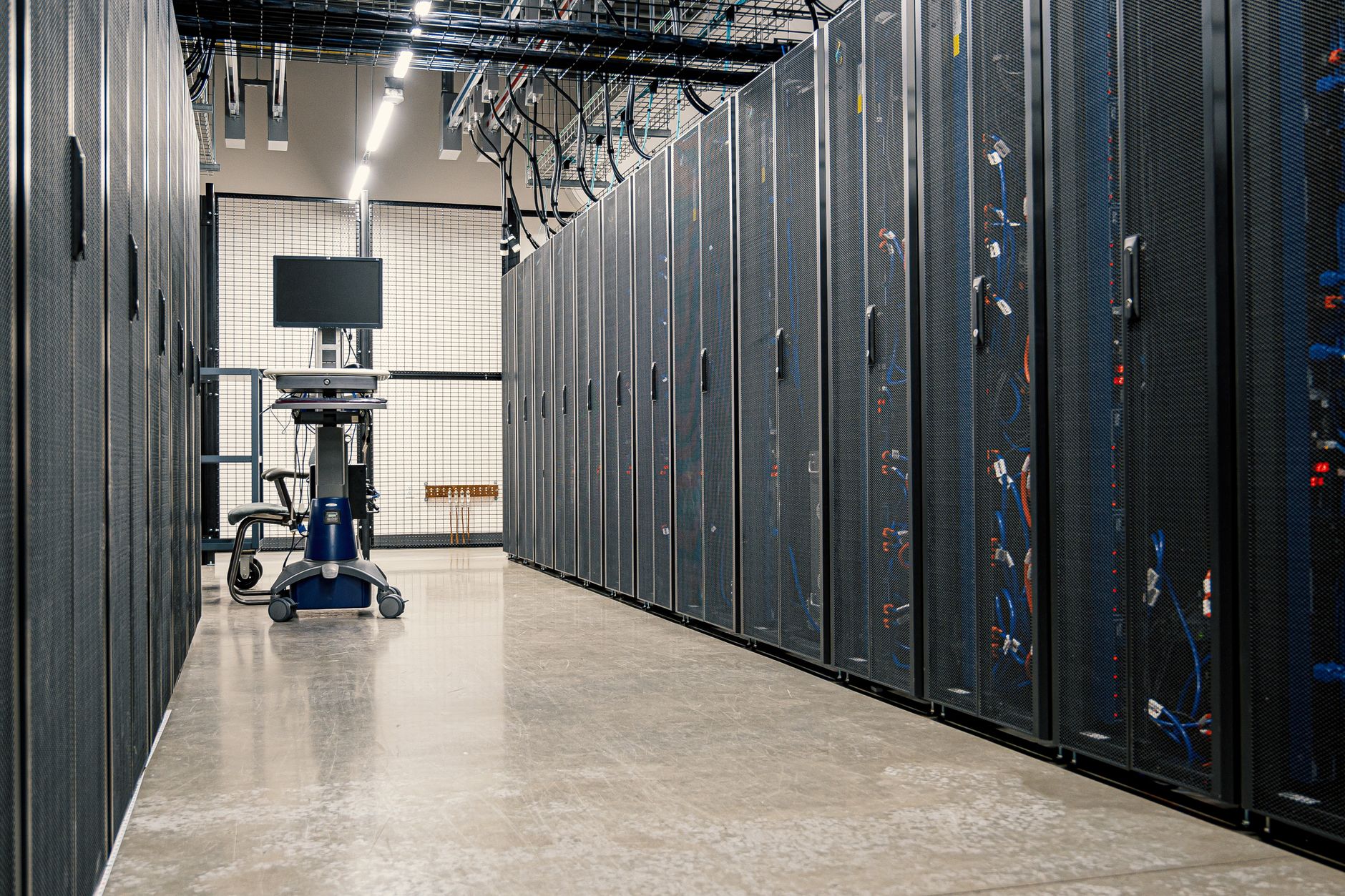
What Is Artificial Intelligence In Cybersecurity?
Artificial intelligence in cybersecurity means software that learns from past data, spots patterns, and helps humans catch threats faster. It looks at logs, emails, endpoints, and network traffic, then scores what seems normal or risky. A rule-based tool might block one known bad IP address on day 1. AI can spot a fresh phishing wave on day 30 even when the sender names and links all look new.
That difference matters because modern security teams deal with volume, not just danger. A company might collect 10,000 to 100,000 events a day from firewalls, laptops, cloud apps, and identity systems. No analyst can read that by hand. AI can sort the pile, group similar alerts, and push the most suspicious items to the top. The catch: The best AI systems do not replace a security team; they cut the junk so people can spend time on real threats.
Traditional tools work like a lock with a list of known keys. AI works more like a sharp junior analyst who has seen thousands of cases and now notices odd timing, strange login paths, or a file that behaves like malware. That sounds great, and it is, but it also has a weak spot: the model only knows what it has learned. If the data is thin or messy, the answers get sloppy fast.
How Does AI Detect Cybersecurity Threats?
AI threat detection follows a clear chain. It starts with raw data, then it learns normal behavior, then it scores new activity. That sounds simple, but the speed matters. A good system can turn millions of events into a short analyst queue in minutes instead of hours.
- First, the system collects logs and telemetry from email, endpoints, cloud apps, and network tools. A large environment may send in 1 million events a day, and AI needs that volume to learn useful patterns.
- Next, the model studies what normal looks like over days or weeks, such as login times, file use, and device behavior. A 14-day baseline often gives the model enough shape to spot sudden change.
- Then it flags anomalies, like a user logging in from two countries in 10 minutes or a laptop making odd outbound requests at 2 a.m. That does not prove an attack, but it pushes the event up the list.
- After that, the tool ranks the risk and groups related alerts so analysts do not chase 30 tiny warnings that all came from the same phishing email. This step saves real time, and the time savings often matters more than raw detection scores.
- Finally, the system surfaces the highest-risk events for human review or auto-response, such as blocking a file, isolating a device, or forcing a password reset. A strong setup can cut response from hours to minutes.
Which AI Use Cases Matter Most In Cybersecurity?
Security teams use AI where the noise gets ugly fast. A single organization can face 5,000 alerts in a week, and most of them do not need a panic button. AI helps sort the pile, spot patterns, and keep analysts from wasting half the day on junk. Reality check: The best use cases do not sound flashy; they save time, cut fatigue, and make the alert queue less chaotic.
- Threat detection finds phishing, malware, and strange login behavior by comparing new events with past activity.
- SIEM alert triage groups related alerts so analysts spend 10 minutes on one real incident instead of 40 minutes on noise.
- Endpoint protection watches laptops and servers for file changes, suspicious processes, and command patterns tied to known attacks.
- Email security flags bad links, spoofed domains, and language patterns common in phishing campaigns, including business email compromise.
- Fraud detection catches odd payment activity, account takeover, and repeated failed logins across 24/7 systems.
- Vulnerability prioritization helps teams sort hundreds of flaws by likely impact, not just by a scary score.
- Automated incident response can quarantine a host, disable a token, or open a case in seconds, which helps during a fast-moving breach.
Those use cases also fit a cybersecurity course or a study online plan because they connect theory to actual alerts, logs, and workflow. A student who sees AI on paper learns the terms; a student who sees it in a live SIEM learns how messy real security work feels.
Learn Introduction To Cybersecurity Online for College Credit
This is one topic inside the full Introduction To Cybersecurity course on UPI Study — a self-paced, online class that earns real college credit. Credits are ACE and NCCRS evaluated and transfer to partner colleges across the US and Canada. Courses start at $250 with no deadlines and lifetime access.
Explore Cybersecurity Course →Why Is AI Important For Security Teams?
AI matters because security teams face too much data and too little time. A modern company can produce millions of log events in a single day, and attackers can move from first access to damage in less than 1 hour if nobody spots them. Human teams do not scale that fast. AI helps by scanning nonstop, sorting alerts, and keeping watch during nights, weekends, and holidays.
Bottom line: Attackers already use automation, so defenders need tools that can keep pace instead of reacting one ticket at a time. That pressure hits harder when a team only has 3 or 4 analysts covering cloud, email, endpoints, and identity at once. One tired person can miss a pattern. A model can miss too, but it can also watch 24/7 without blinking.
The business side matters as well. Every hour spent chasing false alarms costs money, and every slow response can raise damage from a small incident into a full breach. AI does not remove the need for skilled people. It gives them a way to handle more alerts, more devices, and more cloud services without drowning in the queue.
What Risks And Limits Should You Know?
AI can help security teams move faster, but it can also make bad calls. A model trained on 6 months of logs can still raise false positives on a normal software rollout, and it can miss a real attack if the pattern looks too new. That is the ugly tradeoff. Security people love speed, but speed without judgment creates noise, and noise burns trust fast. Adversaries also try to fool models with crafted inputs, odd file changes, or small tweaks that change how the system scores risk. Model drift adds another problem when a business changes tools, users, or traffic patterns and the old model starts acting stale.
- False positives waste analyst time and can bury a real alert under 20 harmless ones.
- False negatives let phishing, malware, or account takeover slip through unnoticed.
- Adversarial attacks try to trick the model with tiny changes in text, code, or traffic.
- Model drift shows up after a 90-day shift in tools, users, or traffic patterns.
- Overreliance on automation can make teams accept a bad score without checking the evidence.
How Should Students Learn AI In Cybersecurity?
Start with the basics of cybersecurity, then add machine learning, then practice with real logs and alerts. That path works better than trying to learn AI first. A student who understands authentication, phishing, malware, and network traffic can make sense of model output much faster than someone who only knows buzzwords. A 12-week term or a 16-week semester gives enough time to build that stack in a steady way.
Worth knowing: Hands-on work matters more than shiny theory, because AI in security lives inside messy data, not neat slides. Study how a SIEM tags events, how an endpoint tool scores risk, and how a model reacts when 500 alerts hit at once. A good online course should include lab data, threat examples, and enough structure to turn abstract ideas into real judgment.
Students also look for college credit, transferable credit, or ace nccrs credit when they want study online options that count toward a larger plan. That matters if you want to stack a cybersecurity course with other classes and keep your path flexible. The best habit is simple: learn the terms, then test them against logs, alerts, and response steps until the patterns start to make sense.
Frequently Asked Questions about Cybersecurity AI
This applies to you if you want to spot threats faster, sort huge security logs, or automate parts of incident response; it doesn't fit if you expect AI to replace every analyst in cybersecurity. AI helps with 24/7 monitoring, but humans still make the final calls.
What surprises most students is that AI often finds small patterns in millions of events, not just big obvious attacks. A security team might sift through 10,000 alerts a day, and AI can rank them by risk so analysts focus on the few that matter.
If you get it wrong, you can miss a real breach or waste hours on false positives. One bad model can flag normal logins, file transfers, or password resets as attacks, and that slows response in cybersecurity when speed matters most.
AI can cut triage time from hours to minutes by scanning 1,000s of alerts, logs, and endpoint events in one pass. That speed matters in a cybersecurity course too, because students see how machine learning supports detection, sorting, and response across modern SOC work.
No, artificial intelligence in cybersecurity is about more than malware detection; it also spots phishing, account takeover, and weird network behavior. The caveat is that AI works best as a layer in a larger defense plan, not as a lone shield.
Most students try to memorize terms like anomaly detection and machine learning, but what actually works is linking each term to a task like alert scoring, spam filtering, or endpoint review. That habit helps you study online and explain how AI supports real security teams.
The most common wrong assumption is that AI always knows what's malicious and what's safe. In real cybersecurity work, models can miss new attack patterns, and they can also flag normal behavior as risky when the data changes fast.
Start by learning one workflow, like phishing detection or log review, and then map where the AI model gets data, how it scores risk, and who reviews the result. That first step helps you earn college credit in an online course with ace nccrs credit or transferable credit options.
AI detects threats by comparing new activity with patterns from past attacks, then flagging unusual login times, file changes, or network bursts. It can review email headers, endpoint events, and traffic in seconds, which helps security teams catch speed-based attacks faster.
AI is becoming important because attackers move fast, security data keeps growing, and human teams can't read every alert by hand. A single company can collect millions of logs per day, and AI helps sort that flood into useful action.
The main risks are false positives, false negatives, and adversarial attacks that trick the model with tiny changes in data. If attackers learn how a system scores behavior, they can hide inside normal-looking traffic or emails.
AI improves defenses by automating ticket routing, blocking known-bad activity, and helping teams respond faster to repeat attacks. It also supports email filtering, endpoint protection, and user behavior analysis, which gives you stronger coverage across 3 layers of cybersecurity.
Final Thoughts on Cybersecurity AI
Artificial intelligence has changed cybersecurity because defenders now face too much data for human-only review. AI helps sort logs, rank alerts, and catch patterns that old rule-based tools miss. It also gives teams a way to respond in minutes instead of hours, which matters when phishing, malware, or account takeover can spread fast. The upside does not erase the weak spots. False positives can waste time. False negatives can hide real danger. Adversarial attacks can bend a model’s view of the world. That is why the smartest security teams treat AI like a sharp assistant, not a boss. Humans still need to judge context, spot weird edge cases, and decide when an alert deserves real action. Students who want to work in cybersecurity should learn how AI fits into SIEM tools, endpoint protection, email defense, and incident response. They should also learn the limits, because a model that sounds confident can still be wrong. That mix of speed and caution defines modern security work. If you understand how AI reads patterns, you already have a better grip on where cybersecurity is headed next.
How UPI Study credits actually work
Ready to Earn College Credit?
ACE & NCCRS approved · Self-paced · Transfer to colleges · $250/course or $99/month