
Pseudocode is a plain-language way to plan an algorithm before you write real code, and it works especially well for JavaScript because you can focus on logic first and syntax later. A student in an introduction to JavaScript course can use it to map out a task in 5 or 10 clean steps instead of staring at a blank editor. That matters because beginners often trip over two problems at once: what the program should do, and how to type it correctly. Pseudocode splits those jobs apart. You write the idea in simple words, then turn that outline into JavaScript with variables, if statements, and loops. I like this method because it keeps your brain from turning every small task into a panic session. If you are self-studying online, you do not need fancy language to start thinking like a programmer. You need clear steps, a simple order, and a way to catch mistakes before they turn into 20 lines of broken code. For students who want college credit or a stronger coding foundation, this habit pays off fast. It makes debugging less random, project work less messy, and early programming lessons much easier to follow.
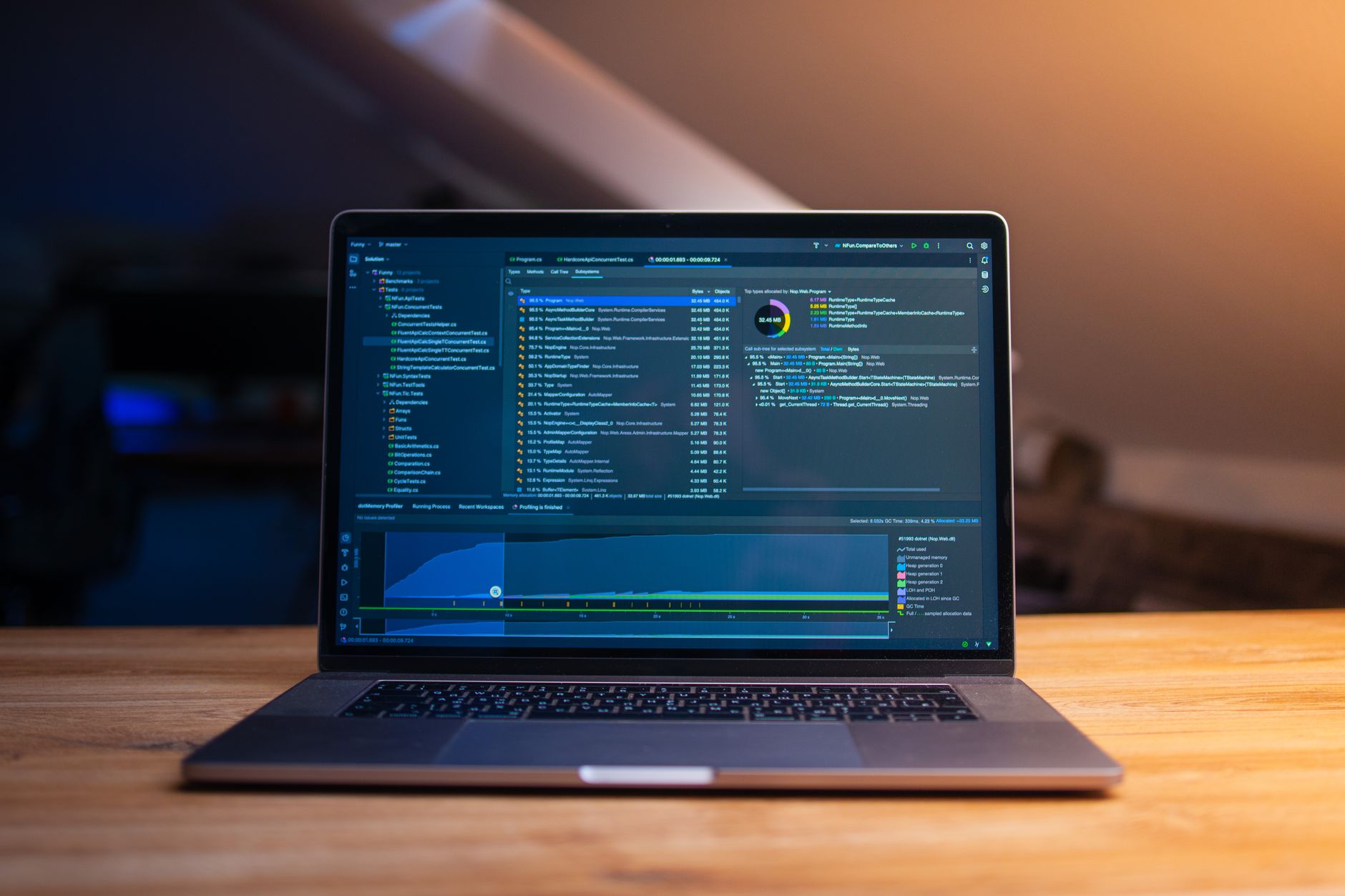
What Is Pseudocode in Programming?
Pseudocode in programming is a plain-text plan for an algorithm, written in simple words instead of JavaScript syntax, Python rules, or any compiler-ready format. A student can draft it in 5 minutes on paper, in Notes, or in a study app before touching a code editor.
Think of it as the sketch before the painting. You can write “set total to 0,” “ask for 3 numbers,” and “show the final answer” without worrying about semicolons, brackets, or whether you used let or const. That freedom matters in an introduction to JavaScript course because syntax can wait while logic gets sorted out.
The catch: Pseudocode is not a real language, so a browser cannot run it, and that is exactly why it helps. It lets you test the shape of your idea first, which saves time when a 30-line assignment starts getting messy.
Students who study online often use pseudocode before they open JavaScript files because it keeps the first pass simple. You can think through a login form, a shopping cart total, or a quiz score in plain English, then turn each step into code later.
I think that habit is underrated. Too many beginners rush into typing and then spend 45 minutes fixing problems that a 3-line plan would have exposed. Pseudocode gives you a calmer start, and calm usually beats clever in week 1.
Why Does Pseudocode Help JavaScript Beginners?
Pseudocode helps JavaScript beginners because it breaks a hard problem into small pieces, and small pieces feel doable when a project has 4 parts instead of 40. That matters in week 1 of coding class, when loops, conditionals, and variables can all blur together.
What this means: You stop guessing and start thinking in order: input, action, result. That simple order helps students spot logic gaps early, like forgetting to handle a blank answer or skipping a step after a button click.
A lot of beginners want to jump straight to code because typing feels productive. I get that. But a messy first draft can hide a bad idea, and JavaScript syntax will not save a weak plan. Pseudocode gives you a low-stress place to ask, “What happens first?” and “What happens if the user types the wrong number?”
That kind of thinking also helps with debugging. If your pseudocode says “check age before showing the form,” and your code shows the form first, you can see the mismatch in 10 seconds. If you skip the plan, you may spend 20 minutes hunting a bug that lives in the logic, not the syntax.
For a student in an introduction to JavaScript course, this is a smart habit. It trains you to separate idea from implementation, which makes the jump to real code less scary and a lot less random.
How Do You Write Pseudocode For JavaScript?
A simple pseudocode method works best when you keep it short, use plain verbs, and move from goal to steps in order. If you can explain a task in 6 lines, you can usually turn it into JavaScript without a lot of drama.
- Start with the goal in one sentence. Say what the program should do, like “calculate a quiz score” or “show a welcome message after 3 clicks.”
- List the inputs next. Name the data you need, such as 2 numbers, a username, or a $25 order total, so you know what the code must handle.
- Break the task into actions. Use one action per line: collect data, check conditions, compute the result, then show the output.
- Keep the language plain and the order strict. If a step takes 30 seconds in your head, write it down before you worry about let, if, or function.
- Map each line to JavaScript later. “Ask for name” becomes a prompt or form field, and “if score is 80 or more” becomes an if statement.
- Test the plan with one tiny example. If the input is 4 and 6, your logic should produce 10, not a weird blank screen.
Reality check: A clean draft often beats a fancy one. I would rather read 6 plain steps than 1 page full of fake-code that looks like JavaScript but breaks in 2 places.
Before: “Get user data, do stuff, then output.” After: “Ask for 2 numbers, add them, store the sum, and display the total.” That second version gives you code-ready logic without forcing syntax too early.
Learn Introduction To Javascript Online for College Credit
This is one topic inside the full Introduction To Javascript course on UPI Study — a self-paced, online class that earns real college credit. Credits are ACE and NCCRS evaluated and transfer to partner colleges across the US and Canada. Courses start at $250 with no deadlines and lifetime access.
Explore on UPI Study →Which Pseudocode Rules Make It Clearer?
Clear pseudocode stays useful because it follows a few simple rules, and a 7-line plan can often explain a project better than a 70-line wall of text. The goal is not to sound technical. The goal is to make the logic obvious to another student at 8 p.m. on a Tuesday.
- Use short statements. “Check score” works better than a long sentence with 3 ideas stuffed inside.
- Write one action per line. If a step has 2 verbs, split it into 2 lines.
- Keep verbs consistent. Use “ask,” “check,” “add,” and “show” so the flow feels stable.
- Avoid JavaScript symbols too early. Brackets and semicolons can make pseudocode look fake or confusing.
- Be specific about conditions. “If score is 80 or more” beats “if good score,” which says almost nothing.
- Do not skip the middle step. “Output result” without the calculation hides the real logic.
- Write so a classmate can follow it in 2 minutes. If they cannot, the draft still needs work.
Worth knowing: Vague pseudocode often hides bugs. A line like “process data” sounds neat, but it gives you zero help when you actually need to build the feature.
I like strict wording here because beginners already fight enough confusion. Pseudocode should lower the noise, not add more of it.
How Does Pseudocode Connect To Real Code?
Pseudocode connects to real code by turning each plain step into a JavaScript structure, like a variable, a conditional, a loop, or a function. If your pseudocode says “store the user’s age,” you might write let age = 18; in JavaScript, then build from there.
That bridge matters in coursework because you can plan first and code second without losing the thread. A student in a 6-week online course can use pseudocode for a practice quiz, a shopping total, or a small form-checking task, then convert the same logic into working code line by line.
If your plan says “repeat until the answer is correct,” you already have the shape of a loop. If it says “show one message when the score is 90 or higher,” you already have a conditional. If it says “reuse the same steps for 3 inputs,” you may want a function. The translation feels smoother when the plan already exists.
Bottom line: Pseudocode gives you a middle step between thinking and typing. That middle step can make a first programming course feel much less brutal, and it helps students aiming for college credit keep their work organized.
I think that organization matters more than people admit. A clean plan makes your code easier to read 2 weeks later, which is when a lot of beginner mistakes finally show their face.
Should Students Use Pseudocode Before Every Project?
Pseudocode helps most with bigger projects, unfamiliar problems, debugging, and exam prep, especially when a task has 3 or more moving parts. A 2-line script may not need a full plan, but a form validator, quiz app, or loop-heavy assignment usually does. Students who study online often save time here because they catch logic gaps before they write 50 lines of JavaScript.
- Use it for projects with 3+ steps.
- Use it when you feel stuck for 10 minutes or more.
- Use it before a timed exam review or coding quiz.
- Skip it for tiny tasks like printing one message.
- Skip it when the logic fits in 1 or 2 lines.
The catch: Not every task needs a full page of notes. If the work is tiny, pseudocode can slow you down instead of helping.
The real test is complexity. If you need to think about order, conditions, or repeated actions, write pseudocode first. If the task feels almost automatic, jump straight to code and keep moving.
Frequently Asked Questions about Pseudocode
The biggest wrong idea is that pseudocode has to look like real code, but it doesn't. It's a plain-English plan for an algorithm, often using short steps like "if," "repeat," and "end," before you write JavaScript.
Most students try to write every line in code form, and that slows them down. What works better is writing 5 to 10 clear steps in plain language first, then turning each step into JavaScript one by one.
This introduction to pseudocode helps beginners, students in an introduction to javascript class, and anyone who freezes when a problem looks big. It doesn't help much if you already break programs into steps without thinking about it, because you already do the job pseudocode does.
What surprises most students is that pseudocode can be messy and still work fine. You don't need perfect grammar or exact syntax; you just need steps that make sense, like a 6-step plan that another person could follow.
Pseudocode in programming is not actual code, but it does map directly to code ideas. You can write "input name," "check length," and "print result," then turn those steps into JavaScript with variables, if statements, and console output.
In 1 or 2 study sessions, you can learn the basics if you practice with small problems. That matters because a short online course or an introduction to javascript course can move faster when you already know how to plan before coding.
If you skip pseudocode, you usually get stuck halfway and start guessing at the code. Then you waste time fixing 3 little bugs instead of solving the problem once, because you never built a clear plan first.
Start by writing the goal in 1 sentence, like "check if a number is even." Then break it into 3 to 5 actions, such as get input, test the remainder, and show the answer.
Pseudocode helps you finish programming tasks faster in an online course, which matters when you're working toward college credit. In ACE and NCCRS credit courses, clear planning can make quizzes, labs, and coding projects easier to finish on time.
Yes, pseudocode gives you a simple way to study online because you can write steps on paper before touching the editor. That helps when a lesson asks you to build a 10-line JavaScript function, since you can map each step first.
Pseudocode connects to transferable credit because it helps you understand algorithms, not just memorize syntax. If a class uses ACE NCCRS credit or another transferable credit path, the same planning skill helps you handle new code faster.
A good introduction to javascript example is: get age, check if age is 18 or older, then print 'allowed' or 'not allowed.' That uses 3 clear steps and matches the way you later write an if statement in JavaScript.
Teachers ask for pseudocode because it shows your thinking in 2 minutes, not 20 lines of syntax. They can spot logic gaps fast, and you can fix them before you write code that doesn't run.
Final Thoughts on Pseudocode
Pseudocode looks simple, and that is the point. It gives you a clean place to think before JavaScript syntax starts throwing elbows. A strong plan can turn a scary assignment into a sequence you can actually handle, one step at a time. Students who use pseudocode well usually make fewer wild guesses. They see the shape of a problem faster. They also catch gaps sooner, which saves them from writing code that looks fine for 2 lines and then breaks the moment the input changes. This habit also builds confidence in a quiet way. You stop treating programming like a test of genius and start treating it like a process: understand the task, write the steps, then turn those steps into code. That shift can change how a whole course feels. Keep it plain. Keep it short. Use it on the next JavaScript exercise that has more than 3 moving parts, and let the plan do some of the heavy lifting before you type a single bracket.
How UPI Study credits actually work
Ready to Earn College Credit?
ACE & NCCRS approved · Self-paced · Transfer to colleges · $250/course or $99/month